
Horizontal Ribbon Blender Feed and the Cost of Overmixing
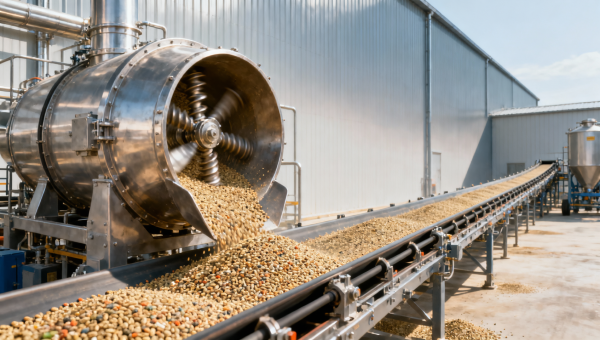
In feed manufacturing, a horizontal ribbon blender feed system can improve batch consistency, but overmixing often increases energy use, damages particle integrity, and weakens downstream performance. For buyers comparing a vertical feed mixer machine, animal feed mixers wholesale options, or complete solutions for a floating fish feed plant, cattle feed processing plant, and poultry feed pellet machine, understanding the true cost of mixing precision is essential.
Why does overmixing become a hidden cost in feed processing?
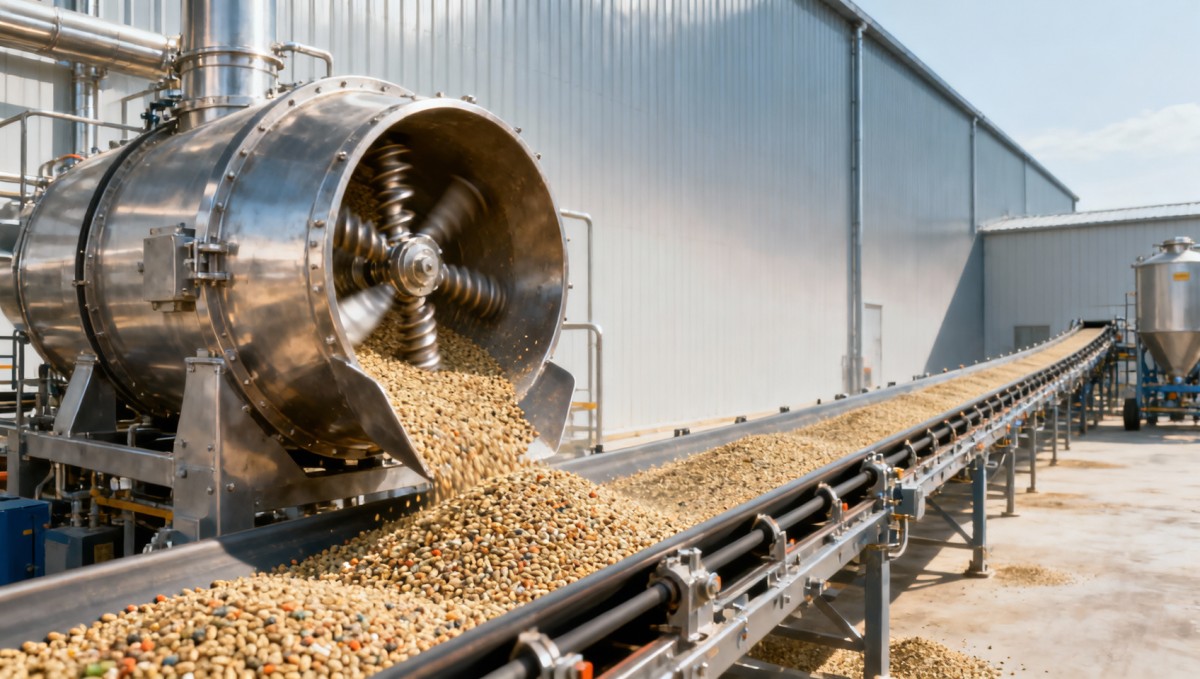
A horizontal ribbon blender feed unit is usually selected to deliver fast, repeatable mixing across powder, mash, premix, and additive-intensive formulations. In practical operation, however, more mixing time does not always mean better uniformity. Once an acceptable coefficient of variation is reached, extra minutes often add little value while increasing power consumption, heat buildup, and wear on ribbons, shafts, bearings, and discharge systems.
This issue matters across several primary industries. In poultry feed pellet machine lines, overmixed mash can affect pellet durability and fines generation. In floating fish feed plant applications, fragile ingredients and oil-coated particles may lose structural consistency before extrusion. In cattle feed processing plant workflows, excess residence time can reduce throughput and create avoidable bottlenecks between batching, mixing, conditioning, and pelleting.
For procurement teams, the cost of overmixing should be evaluated across at least 4 dimensions: energy draw per batch, maintenance frequency, downstream yield loss, and formula integrity. Operators typically watch cycle time in the range of 3–8 minutes for many dry feed blends, while technical evaluators focus on batch size, fill rate, and discharge efficiency. The right target is process control, not maximum mixing duration.
This is where informed industry intelligence matters. AgriChem Chronicle tracks the interface between machinery performance, ingredient handling, compliance expectations, and global sourcing complexity. For institutional buyers and engineering teams, that broader view helps convert mixer selection from a simple equipment purchase into a production-risk decision with measurable commercial impact.
What usually drives overmixing on the factory floor?
Overmixing is rarely caused by one mistake. It is more often the result of unclear standard operating procedures, unstable ingredient particle size, oversized safety margins set by operators, or a mismatch between mixer design and recipe characteristics. A plant may add 2–3 unnecessary minutes per batch simply because no one has validated the point at which blend uniformity stabilizes.
- Operators extend cycles to compensate for inconsistent upstream dosing or micro-ingredient distribution.
- Procurement selects capacity by nameplate volume rather than effective working volume, often around 40%–70% fill depending on formula behavior.
- Project teams prioritize low purchase price but overlook motor efficiency, discharge speed, and cleanout time.
- Quality teams require tighter uniformity targets than necessary for the actual animal nutrition program, increasing cycle duration without equivalent field benefit.
Horizontal ribbon blender feed vs vertical feed mixer machine: which one fits the application?
Many buyers compare a horizontal ribbon blender feed system with a vertical feed mixer machine at the quotation stage. The decision should not be based only on initial equipment cost. It should reflect ingredient diversity, target throughput, cleaning frequency, floor layout, and the plant’s tolerance for formula changeover. In many industrial settings, horizontal designs offer faster cycles, but vertical units may still suit simpler formulas and lower-capacity operations.
A useful selection framework is to compare 5 factors: batch homogeneity, cycle time, residue risk, maintenance accessibility, and suitability for additives such as vitamins, trace minerals, enzymes, and oils. Feed plants producing multiple SKUs per day usually need better control over retention zones and discharge completeness than small farms mixing one or two standard recipes.
The table below summarizes practical differences that matter to users, technical reviewers, and commercial decision-makers. These are not absolute rules, because actual performance depends on material characteristics, machine geometry, and process integration.
The practical takeaway is straightforward: if your process requires repeatable additive distribution, short changeover windows, and integration with downstream pelleting or extrusion, a horizontal ribbon blender feed solution often justifies the investment. If your formulas are simple and throughput pressure is low, a vertical feed mixer machine may still be commercially sensible.
When is a horizontal system worth the higher capital cost?
The premium becomes easier to justify in 3 common cases: first, when a plant runs 2–4 shifts and every minute of cycle reduction multiplies annual output; second, when formulas include low-dose ingredients requiring tighter dispersion; third, when residue control affects cross-contamination risk. This is especially important for medicated feed segregation, species-specific formulations, and export-oriented quality systems.
Selection signals buyers should not ignore
- Frequent product changes during a 24-hour production schedule.
- Tight limits on carryover between poultry, cattle, and aquafeed formulas.
- Need to integrate liquids, oils, or heat-sensitive ingredients with controlled contact time.
- Expansion plans that may increase line utilization within 12–24 months.
What are the measurable costs of overmixing in a poultry, cattle, or floating fish feed plant?
Overmixing creates direct costs and indirect costs. Direct costs include additional electricity use, longer labor hours per production lot, and accelerated component wear. Indirect costs are often larger: lower throughput, pellet quality instability, ingredient segregation after discharge, and inconsistent performance in conditioning or extrusion. In a floating fish feed plant, this can affect feed expansion behavior. In a poultry feed pellet machine line, it can influence fines and pellet durability.
Technical teams should evaluate cost at the batch level and the annual level. Adding 2 minutes to a 5-minute validated mixing cycle may seem small, but across 40–80 batches per day, the lost production window becomes significant. On multi-line sites, that delay can also alter utility loading, shift coordination, and maintenance planning.
The following table provides a decision-oriented view of where overmixing usually creates economic pressure. Actual values vary by motor size, formulation, and plant layout, but the categories are broadly relevant for procurement and operational reviews.
For financial approvers, the key point is not whether a mixer is fast in isolation, but whether the chosen system can consistently hit a validated mixing window. A machine that reaches acceptable uniformity in 4–6 minutes and discharges cleanly may outperform a cheaper option that needs 10–12 minutes and still produces uneven downstream results.
A practical method to estimate overmixing risk before purchase
Ask suppliers and integrators to map one full batch cycle, not only the nominal mixing time. Include loading, dry mixing, liquid addition if relevant, final blending, discharge, and cleanout. Compare 3 scenarios: standard mash feed, additive-rich formula, and high-fat recipe. This approach gives project managers a more realistic basis for capacity planning and return-on-investment review.
- Define acceptable uniformity and particle integrity targets before comparing machines.
- Review cycle time at expected fill levels, not only maximum vessel volume.
- Check whether the line will run 1 shift, 2 shifts, or near-continuous production.
- Include maintenance downtime and wear-part replacement in annual cost calculations.
How should procurement teams evaluate mixer performance, compliance, and implementation?
A reliable procurement process for a horizontal ribbon blender feed system should combine technical validation, commercial screening, and compliance review. This is especially important when the mixer is part of a wider animal feed mixers wholesale package or integrated into a new poultry feed pellet machine, cattle feed processing plant, or aquafeed expansion project. Purchasing decisions become expensive when capacity, cleaning design, or material contact requirements are left vague.
In regulated and export-sensitive supply chains, teams should also look at documentation quality. While feed equipment is not assessed under the same framework as API manufacturing, disciplined records still matter. Buyers often request drawings, material contact details, motor data, operating manuals, preventive maintenance schedules, and factory inspection support. For some installations, dust control, safety guarding, and electrical conformity are equally critical.
AgriChem Chronicle is particularly relevant here because procurement does not happen in a vacuum. ACC covers the upstream and downstream context that influences equipment selection: formulation trends, ingredient handling constraints, primary processing economics, and compliance expectations in cross-border industrial supply chains. That perspective helps decision-makers challenge superficial quotations and ask better technical questions.
A disciplined buying process normally follows 4 stages over 2–8 weeks, depending on project complexity: requirement definition, technical comparison, commercial clarification, and implementation planning. Compressing these steps may speed purchase orders, but it often increases commissioning delays or post-installation adjustments.
Core checks before approving a supplier or system integrator
- Confirm effective batch volume, recommended fill ratio, and expected mixing window for your actual formula range.
- Review material-contact construction, seal arrangements, inspection access, and cleanout design.
- Check motor configuration, gearbox selection, and spare-parts availability for 12–24 months of operation.
- Request integration details with upstream batching and downstream pelleting, extrusion, or packaging systems.
- Clarify factory acceptance testing, commissioning scope, operator training duration, and remote support terms.
Common compliance and safety topics
Typical industrial reviews may include dust management, guarding of rotating components, electrical conformity, maintenance lockout procedures, and sanitation control where sensitive formulations are processed. Depending on destination market and plant type, teams may also reference FDA-related expectations for feed safety management, EPA-related environmental controls, or broader quality documentation aligned with internal audit systems.
These checks are not paperwork exercises. They affect commissioning speed, inspection readiness, and long-term operating stability. A machine that looks economical at quotation stage can become costly if it requires repeated site modification, difficult cleaning access, or undocumented maintenance steps.
FAQ: what do buyers, operators, and engineers ask most often?
The questions below reflect common search intent from information researchers, technical evaluators, procurement managers, plant users, and distributors. They also address the practical uncertainties that arise when comparing a horizontal ribbon blender feed solution with other animal feed mixers wholesale options.
How do I know if my feed is being overmixed?
Start by validating the mixing point at which uniformity no longer improves in a meaningful way. Then monitor whether extra time causes more fines, heat rise, delayed discharge, or downstream pellet instability. If a recipe performs well at 5 minutes but is routinely mixed for 8–10 minutes, you likely have hidden inefficiency rather than added quality assurance.
Is a vertical feed mixer machine always cheaper to own?
Usually it is cheaper to buy, but not always cheaper to own. Total cost depends on cycle duration, labor input, maintenance frequency, product changeovers, and product quality stability. For low-volume and simple formulas, a vertical feed mixer machine may be sufficient. For multi-formula industrial lines, the lower throughput and residue limitations can offset the initial savings.
What mixing time should I request from suppliers?
Ask for a realistic process window rather than one number. For many dry feed applications, buyers assess whether acceptable uniformity can be achieved within roughly 3–8 minutes, but the right answer depends on ingredient density, particle size spread, liquid addition, and batch fill level. Always request performance discussion around your formula profile, not a generic catalog claim.
How long does delivery and implementation usually take?
For standard equipment packages, procurement and production planning may take several weeks, while custom integration into a floating fish feed plant or cattle feed processing plant often extends further due to engineering review, utility matching, and site preparation. A realistic project plan should include at least 3 phases: technical confirmation, manufacturing and inspection, then installation and commissioning.
Why work with AgriChem Chronicle when evaluating feed mixing and processing solutions?
AgriChem Chronicle is built for decision-makers who need more than surface-level product promotion. Its editorial focus across feed and grain processing, agricultural machinery, biochemical sectors, and regulated industrial supply chains gives buyers a stronger framework for judging equipment claims, sourcing risk, and process suitability. That matters when one mixer choice influences output quality, maintenance cost, and plant expansion economics for years.
If you are comparing a horizontal ribbon blender feed system, a vertical feed mixer machine, or wider animal feed mixers wholesale solutions, ACC helps align technical evaluation with procurement reality. That includes batch size discussion, mixing-time expectations, formula sensitivity, downstream pellet or extrusion impact, maintenance planning, and compliance-oriented documentation review.
You can contact us to discuss 6 practical topics: parameter confirmation, equipment selection, expected delivery cycle, customized line configuration, documentation and certification expectations, and quotation communication. If your project involves a floating fish feed plant, cattle feed processing plant, or poultry feed pellet machine integration, we can help you frame the right technical questions before budget approval or supplier comparison.
For engineering teams, distributors, and institutional buyers, that means faster filtering of unsuitable options and more confidence in shortlist decisions. For plant operators and quality managers, it means fewer surprises after installation. Reach out when you need a structured review of mixing risks, selection trade-offs, or implementation priorities tied to real production conditions.
Related Intelligence
- Commercial Feed PelletIndia Launches Anti-Dumping Review on Chinese Commercial Feed PelletsIndia's anti-dumping review on Chinese commercial feed pellets could extend the 18.3% duty—key for importers, feed mills & agri-supply chains. Act now.
- Commercial Feed PelletIndia Launches Mid-Term AD Review on Chinese Commercial Feed PelletsIndia's mid-term AD review on Chinese Commercial Feed Pellets impacts exporters, feed mills & importers—get actionable insights, HS code guidance, and duty-scenario planning now.
- Commercial Feed PelletIndia Launches Mid-Term AD Review on Chinese Commercial Feed PelletsIndia's mid-term AD review on Chinese commercial feed pellets could raise duties to 28.5% — critical for exporters, feed mills & agri-input suppliers. Act now.
The Morning Broadsheet
Daily chemical briefings, market shifts, and peer-reviewed summaries delivered to your terminal.
