
How to choose a feed grading sieve?
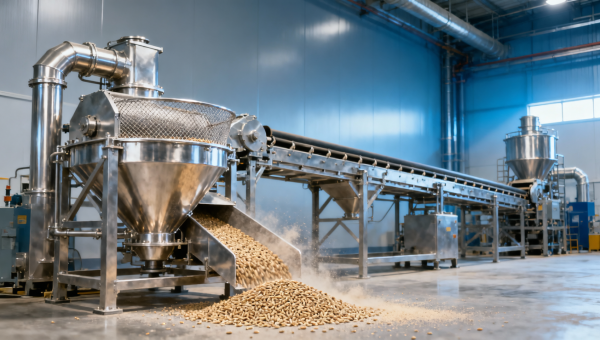
Choosing the right feed grading sieve is mainly about matching the machine to your pellet size distribution target, plant capacity, dust-control requirements, and the way it connects with the rest of your line. For most buyers and operators, the best choice is not simply the largest or cheapest model, but the one that delivers stable screening accuracy, low fines carryover, easy maintenance, and predictable performance under real production conditions. If your process also includes a double roller crumbler, feed pellet cooler, liquid adding machine feed system, magnetic separator for feed, gravity separator grain unit, grain destoner machine, rotary drum sieve grain setup, grain pre cleaner machine, or enclosed belt conveyor, then sieve selection should be made as part of the whole line—not as an isolated equipment purchase.
In practice, a feed grading sieve affects pellet uniformity, finished product quality, rework rate, dust generation, packaging consistency, and even customer complaints. That is why operators, procurement teams, quality managers, and project leaders usually evaluate the same machine from different angles: screening efficiency, wear life, sanitary design, throughput margin, spare parts cost, and return on investment. This guide explains how to choose a feed grading sieve based on real decision factors rather than catalog claims.
Start with the real selection criteria: material, target size, and required capacity
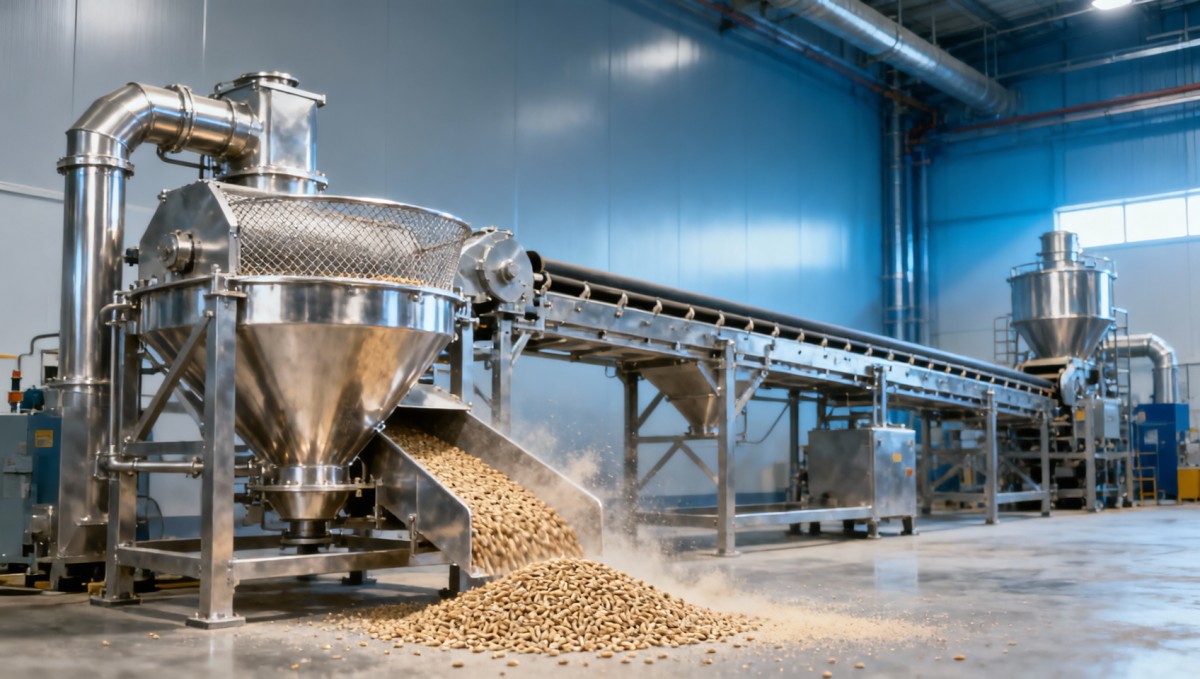
The core search intent behind “How to choose a feed grading sieve?” is usually practical and commercial: buyers and technical teams want to know which sieve type and specification will actually fit their feed product and production line. They are not looking for a generic definition. They want a decision framework.
The first step is to define three basics clearly:
- Feed material characteristics: pellet hardness, moisture, oil content, friability, dust level, and tendency to agglomerate.
- Target grading outcome: final pellet size range, acceptable fines percentage, and whether oversize material will be recycled.
- Required capacity: hourly throughput under continuous operating conditions, not just theoretical maximum output.
If these three points are not specified, it is easy to buy a feed grading sieve that looks sufficient on paper but performs poorly in operation. For example, oily or fragile pellets may blind the screen surface faster, while high-capacity lines may require greater screening area, more stable vibration, or a multi-deck design.
For procurement and finance teams, this means one important rule: do not compare sieve quotations without first aligning process conditions. A lower-priced machine may become more expensive if it causes excessive rework, downtime, or faster screen replacement.
What type of feed grading sieve is best for your process?
Different production lines use different grading solutions. The best choice depends on product type, expected accuracy, plant layout, and maintenance capability.
Common options include:
- Vibrating grading sieves: widely used for feed pellets, with good efficiency and relatively compact structure. Suitable for many standard pellet grading applications.
- Rotary drum sieve grain or pellet systems: often preferred where gentler handling is needed or where process integration with grain cleaning is important. These may be useful in upstream or adjacent applications, though not always ideal for precision pellet grading.
- Multi-layer screen configurations: useful when separating oversize, qualified pellets, and fines in one pass.
- Enclosed or dust-controlled designs: beneficial for plants with strict hygiene, worker safety, or housekeeping requirements.
For a typical feed mill, a vibrating feed grading sieve is often the practical choice because it balances footprint, capacity, and grading accuracy. However, the final decision should also consider whether the sieve is installed after a feed pellet cooler or after a double roller crumbler. Crumbled feed and cooled pellets behave differently on the screen, and that affects the screen mesh, slope, vibration settings, and discharge design.
If the line handles multiple formulas, frequent product changeovers, or different pellet diameters, flexibility becomes just as important as nameplate capacity.
How to match screen mesh, deck design, and motion to feed quality requirements
This is the section most directly tied to final product quality. A feed grading sieve should not only separate material—it should separate it consistently.
Key technical factors include:
- Screen mesh size: determines what counts as qualified product, oversize, and fines. Mesh should be selected according to actual pellet diameter and allowable deviation.
- Screen deck number: single-deck designs may be enough for simple pass/fail separation, while double- or triple-deck setups allow more refined classification.
- Screening motion and amplitude: these affect residence time, separation efficiency, and pellet breakage risk.
- Screen area: insufficient area reduces efficiency and can force material through too quickly.
- Feed distribution at inlet: uneven feeding causes unstable grading and accelerates localized wear.
Quality managers and operators should especially pay attention to the balance between screening precision and pellet damage. More aggressive vibration may improve fines removal but can also break weak pellets, creating the very problem the machine is supposed to solve.
If your process includes a liquid adding machine feed system, residual surface oil or molasses-like additives may affect flowability and screen cleanliness. In such cases, ask whether the sieve design includes anti-blinding features, easier-access inspection doors, or quicker screen replacement.
How the sieve works with upstream and downstream equipment
A feed grading sieve is part of a system. Its performance depends heavily on the condition of material arriving from upstream equipment and the way qualified and rejected fractions are handled downstream.
For example:
- A feed pellet cooler that does not cool evenly can send soft or moisture-variable pellets to the sieve, reducing grading consistency.
- A double roller crumbler can generate a broader particle distribution, requiring more precise deck configuration.
- A magnetic separator for feed upstream helps reduce metal contamination risk and protects vibrating components from damage caused by tramp metal entering the process.
- A grain pre cleaner machine, gravity separator grain unit, or grain destoner machine improves raw material cleanliness upstream, supporting more stable pelleting and downstream screening performance.
- An enclosed belt conveyor downstream helps preserve cleanliness, control dust, and reduce product segregation after grading.
This system view matters especially for project managers and engineering teams. If material flow, equipment elevation, outlet direction, aspiration, or maintenance access are ignored during selection, installation may become more expensive and operational bottlenecks may appear later.
When evaluating a supplier, ask for a simple process-flow recommendation showing how the feed grading sieve integrates with the full line. A strong supplier should be able to explain not just machine specifications, but also line compatibility.
What procurement teams should ask suppliers before buying
For buyers, the biggest risk is purchasing based on brochure performance instead of operating performance. A good quotation should answer technical and commercial questions clearly.
Important questions include:
- What is the actual working capacity range for the specific feed type?
- What pellet size and moisture range was used for the supplier’s performance claim?
- What is the expected screening efficiency and fines removal rate?
- How easy is screen replacement, cleaning, and inspection?
- What wearing parts are required, and what is their replacement cycle?
- What are the vibration motor brand, bearing specification, and frame material?
- What dust-control or sealing design is included?
- Can the machine support future capacity expansion or product variation?
- What certifications, test reports, or reference installations are available?
For financial approvers, the better comparison method is total cost of ownership, not initial machine price alone. A more reliable feed grading sieve may reduce labor, spare parts usage, unplanned shutdowns, and customer quality claims. Those savings often matter more than the purchase discount.
Common mistakes when choosing a feed grading sieve
Many selection mistakes come from treating the machine as a standard commodity. In reality, feed grading performance is highly application-dependent.
The most common errors are:
- Choosing by capacity only: high throughput means little if grading accuracy is poor.
- Ignoring pellet condition: hot, soft, oily, or fragile pellets behave differently from ideal test samples.
- Underestimating maintenance needs: difficult access increases downtime and operator frustration.
- Not planning for dust control: this can create safety, housekeeping, and compliance problems.
- Failing to check line compatibility: mismatch with coolers, crumblers, conveyors, or discharge points can reduce overall efficiency.
- Buying without trial data or references: unverified claims increase technical and commercial risk.
Another common issue is overspecifying the machine. A more complex model is not always better. If your product range is narrow and process conditions are stable, a simpler and more serviceable design may produce better long-term value.
A practical checklist for making the final decision
If you need a fast but reliable way to compare options, use this checklist before approving a feed grading sieve:
- Define product: pellet size, friability, moisture, oil content, and acceptable fines level.
- Confirm line position: after cooler, after crumbler, or in a mixed process layout.
- Set real capacity target: average and peak hourly throughput.
- Select grading goal: remove fines only, separate oversize, or classify multiple fractions.
- Check hygiene and dust-control needs: especially for enclosed plants or stricter safety management.
- Review maintenance access: screen change time, cleaning convenience, and spare parts availability.
- Evaluate supplier credibility: reference projects, process knowledge, after-sales support, and documentation quality.
- Compare lifecycle cost: energy, wear parts, downtime risk, and labor requirement.
If possible, ask the supplier to validate the recommendation using your actual material data or a pilot test. This is especially valuable for larger projects, export-oriented plants, or lines with strict product consistency requirements.
Conclusion: choose the sieve that protects feed quality and line efficiency
The right feed grading sieve is the one that consistently delivers the pellet quality your market requires while fitting your line’s true operating conditions. In most cases, the best decision comes from evaluating five factors together: material behavior, grading accuracy, capacity, maintainability, and system integration.
For operators, that means easier control and fewer quality fluctuations. For procurement teams, it means lower lifecycle risk. For managers and financial approvers, it means better output value, less rework, and more predictable plant performance.
If you are comparing options, focus less on catalog language and more on how each feed grading sieve will perform in your actual process—especially if it works alongside a feed pellet cooler, double roller crumbler, liquid adding machine feed system, magnetic separator for feed, gravity separator grain unit, grain destoner machine, rotary drum sieve grain setup, grain pre cleaner machine, or enclosed belt conveyor. That is the most reliable way to choose equipment that supports both product quality and long-term return on investment.
Related Intelligence
- Commercial Feed PelletHow to Pick a Poultry Feed Pellet Machine That LastsPoultry feed pellet machine buying guide: compare durability, lifecycle cost, and line fit with vertical feed mixer machine, horizontal ribbon blender feed, cattle feed processing plant, and floating fish feed plant solutions.
- Commercial Feed PelletWhen is magnetic separator for feed needed?Magnetic separator for feed: learn when it is needed, where to install it, and how it works with feed grading sieve, double roller crumbler, feed pellet cooler and grain cleaning lines.
- Commercial Feed PelletWhat affects feed pellet cooler cost?Feed pellet cooler cost depends on capacity, materials, automation, and line matching with feed grading sieve, double roller crumbler, and enclosed belt conveyor. Learn how to compare value and cut hidden costs.
The Morning Broadsheet
Daily chemical briefings, market shifts, and peer-reviewed summaries delivered to your terminal.
