
How to Pick a Poultry Feed Pellet Machine That Lasts
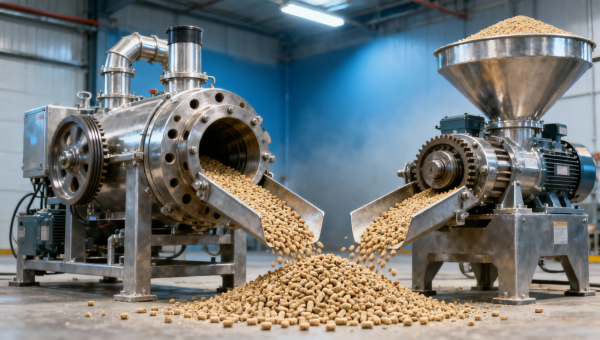
Choosing a poultry feed pellet machine that truly lasts requires more than comparing price tags. For buyers evaluating a cattle feed processing plant, a floating fish feed plant, or support equipment like a vertical feed mixer machine and horizontal ribbon blender feed system, durability directly affects output, safety, and long-term ROI. In practice, the best long-life machine is not simply the heaviest or the cheapest to maintain—it is the one correctly matched to your raw materials, target capacity, operating hours, maintenance discipline, and supplier support. For operators, procurement teams, and business decision-makers, that means evaluating build quality, wear parts, motor and gearbox configuration, pellet die design, service access, and lifecycle cost before signing any purchase order.
What Buyers Really Need to Check Before Choosing a Poultry Feed Pellet Machine
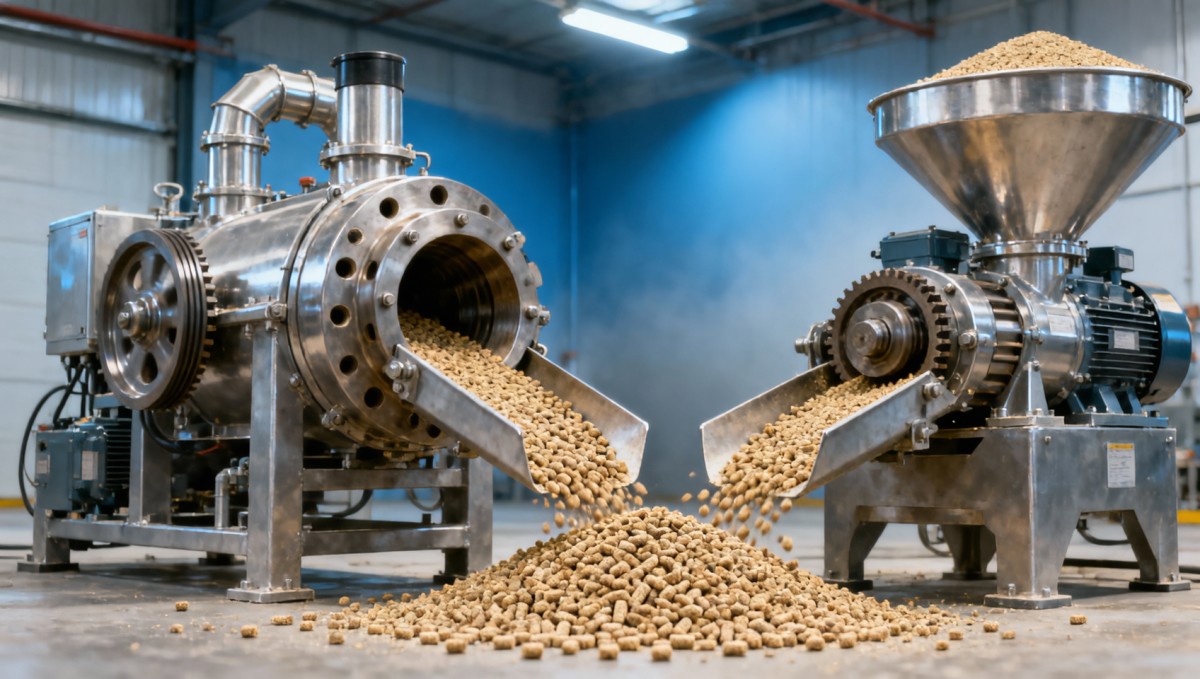
The core search intent behind this topic is commercial and evaluative: readers want to know how to select a poultry feed pellet machine that delivers stable performance for years, not months. They are usually comparing suppliers, preparing a capex request, validating technical claims, or trying to avoid premature wear, inconsistent pellet quality, and costly downtime.
For this audience, the most important question is straightforward: which machine will keep producing consistent poultry feed at an acceptable operating cost without creating maintenance headaches? That is why the decision should focus on measurable durability factors rather than sales language alone.
Before you compare models, clarify five operating realities:
- Feed formula: poultry feed with different grain, protein, oil, fiber, and moisture levels affects die wear and motor load.
- Daily output target: a machine that survives in a small farm setting may fail quickly in continuous commercial production.
- Shift pattern: 8-hour intermittent use and 20-hour near-continuous use require very different machine specifications.
- Operator skill level: even a strong machine wears out fast if adjustment, lubrication, and cleaning are poor.
- Maintenance and spare parts access: reliable after-sales support often matters as much as the base machine itself.
If a supplier cannot connect machine design to these real operating conditions, durability claims should be treated cautiously.
Which Machine Features Actually Determine Long-Term Durability?
When people ask how to pick a poultry feed pellet machine that lasts, they often focus too much on visible size and too little on the wear system. In reality, the longest-lasting equipment usually performs well in the following areas:
1. Die and roller material quality
The die and rollers are the most important wear components in a pellet machine. High-quality alloy steel, proper heat treatment, and consistent machining directly affect service life. Poorly processed dies may look acceptable on delivery but wear unevenly, crack early, or produce inconsistent pellets after limited use.
Ask suppliers for:
- Die material specification
- Heat treatment method and hardness range
- Expected die lifespan under poultry feed conditions
- Roller shell replacement interval
- Availability and cost of replacement dies and rollers
2. Main motor and gearbox matching
A common cause of failure is not just weak components but poor system matching. If the motor is undersized, the machine strains under load. If the gearbox is poorly manufactured, vibration, overheating, and bearing wear follow. A durable poultry feed pellet machine should have a powertrain sized for your actual raw material resistance and target throughput, with a safety margin for production fluctuations.
3. Bearing quality and sealing design
Dust, heat, and grease contamination can shorten bearing life quickly. Industrial buyers should check whether the machine uses recognized bearing brands, effective sealing, and accessible lubrication points. In feed processing plants, poor bearing protection often causes avoidable shutdowns.
4. Frame rigidity and machining accuracy
A rigid frame helps maintain alignment between rollers, die, motor, and transmission components. Weak frames or poor machining tolerances increase vibration and accelerate wear across the machine. This is especially important for facilities operating alongside a cattle feed processing plant or a floating fish feed plant, where production consistency and equipment integration matter.
5. Ease of maintenance
A machine that is difficult to open, inspect, clean, and service often becomes a short-life machine in real operations. Durable equipment is not only built well—it is maintainable. Look for fast access to wear parts, clear adjustment points, and straightforward cleaning procedures.
How to Judge Whether a Pellet Machine Fits Your Production, Not Just the Brochure
A poultry feed pellet machine can be technically well made and still be the wrong purchase. The best way to avoid this is to assess fit across the full line, not as a standalone unit.
If your production system includes upstream mixing and batching, the pellet machine must be compatible with those steps. For example:
- A vertical feed mixer machine may suit smaller or simpler operations, but feed uniformity and batch consistency may differ from higher-capacity systems.
- A horizontal ribbon blender feed setup usually offers stronger mixing uniformity for larger commercial plants, which can improve pellet consistency and reduce process variation.
- Moisture control, conditioning, and particle size from upstream grinding all affect pellet machine load and die wear.
In short, do not ask only, “Is this a good pellet machine?” Ask, “Will this machine operate reliably with our formulation, our mixer, our conditioning process, our labor skill, and our planned production volume?”
Request a material-based performance discussion from the supplier, including:
- Recommended raw material particle size
- Optimal moisture range
- Conditioning requirements
- Expected output for poultry feed, not just generic feed
- Power consumption at normal load
- Pellet quality stability over long runs
What Questions Should Procurement and Finance Teams Ask Suppliers?
For purchasing teams and financial approvers, durability is a lifecycle cost issue. A lower initial price may be far more expensive over three to five years if spare parts, downtime, and labor costs rise.
Useful supplier questions include:
- What is the expected service life of the die, rollers, bearings, and gearbox under poultry feed production?
- What wear parts are included with the machine?
- What is the average lead time for critical spare parts?
- Is commissioning support provided?
- What operator training is included?
- Can the supplier provide references from poultry feed plants with similar capacity?
- What are the documented power consumption and maintenance intervals?
- Is there a warranty for core transmission and structural components?
For higher-value projects, ask for a basic lifecycle cost model covering:
- Machine purchase price
- Installation and commissioning
- Energy consumption
- Wear part replacement frequency
- Routine maintenance labor
- Downtime risk and service support
This approach is especially important for multi-line investors comparing poultry equipment with adjacent investments such as a cattle feed processing plant or floating fish feed plant. Standardizing service support, operator training, and parts logistics can reduce enterprise-wide operating risk.
What Operational Mistakes Make Even a Good Pellet Machine Wear Out Early?
Many machines fail early because of preventable operating errors rather than bad manufacturing. This matters to plant managers, operators, and safety or quality personnel because machine life is heavily influenced by daily discipline.
The most common life-shortening mistakes are:
- Using raw materials with unstable moisture content
- Feeding oversized or poorly ground ingredients
- Running the machine above rated capacity for long periods
- Ignoring abnormal vibration, heat, or noise
- Delayed lubrication or incorrect lubricant selection
- Poor die cleaning during shutdown
- Untrained operators making roller and die adjustments incorrectly
If machine longevity is a priority, buyers should evaluate the supplier’s training and documentation as seriously as the hardware. A durable pellet machine with weak SOPs often underperforms in the field.
How to Spot a Supplier That Can Support Long-Term Performance
The machine itself matters, but supplier capability often determines whether it remains productive over time. In industrial feed processing, buyers should look for signs of technical credibility and service maturity rather than relying on catalog promises.
Strong supplier indicators include:
- Clear technical documentation and operating manuals
- Transparent spare parts lists and wear schedules
- Material and component traceability
- Factory testing or video proof under load
- Installation guidance and commissioning support
- Ability to advise on complete line integration, including mixers, conveyors, conditioners, and coolers
- Responsive after-sales communication
If a supplier also understands related equipment such as a vertical feed mixer machine, horizontal ribbon blender feed systems, and broader feed plant design, that is often a good sign. It suggests they can support process compatibility rather than simply sell a standalone machine.
Final Buying Checklist: How to Pick a Poultry Feed Pellet Machine That Lasts
To make a confident decision, use this practical checklist:
- Match the machine to your actual poultry feed formula and target capacity.
- Verify die, roller, bearing, and gearbox quality in detail.
- Check whether motor power and transmission are correctly sized for continuous operation.
- Review maintenance access, cleaning convenience, and operator safety.
- Assess compatibility with upstream equipment such as mixers and grinders.
- Compare total lifecycle cost, not only purchase price.
- Confirm local or timely spare parts availability.
- Require training, commissioning support, and realistic performance data.
- Ask for references from similar poultry feed production sites.
- Choose a supplier that can support long-term plant performance, not just shipment.
In the end, the best poultry feed pellet machine is the one that delivers stable pellets, predictable maintenance, manageable energy use, and low downtime over years of operation. For operators, procurement teams, and decision-makers, durability should be treated as a total system outcome—driven by machine quality, process fit, supplier support, and disciplined operation. That is the standard that turns a feed equipment purchase into a sound long-term investment.
Related Intelligence
- Commercial Feed PelletU.S.-Iran Strait of Hormuz Tensions Push Feed Pellet Freight Rates Up 8.3%U.S.-Iran Strait of Hormuz tensions spike feed pellet freight rates by 8.3%. Discover how exporters, importers & logistics providers can mitigate risk and adapt fast.
- Commercial Feed PelletFloating Fish Feed Plant Cost Guide for 2026Floating fish feed plant cost guide for 2026: compare horizontal ribbon blender feed, vertical feed mixer machine, poultry feed pellet machine integration, and ROI-driving hidden costs.
- Commercial Feed PelletIs a Cattle Feed Processing Plant Worth the Investment?Cattle feed processing plant ROI explained: compare horizontal ribbon blender feed, vertical feed mixer machine, and poultry feed pellet machine for smarter, profitable investment decisions.
The Morning Broadsheet
Daily chemical briefings, market shifts, and peer-reviewed summaries delivered to your terminal.
