
Grass Forage Chopper for Small Farm Use
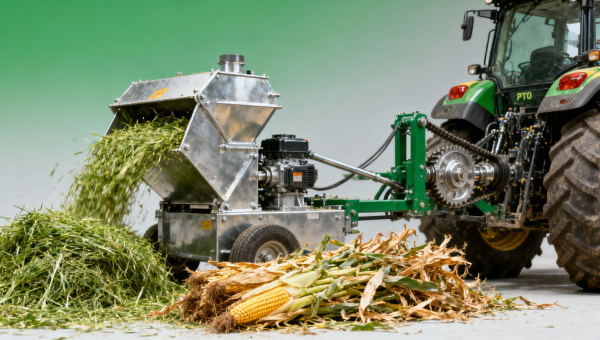
For small-scale livestock operations, a grass forage chopper can sharply improve feed efficiency, labor use, and harvest consistency. As buyers compare grass forage chopper models alongside tractor implement parts, pto drive shafts bulk options, and square baler machine or round baler machine solutions, understanding performance, durability, and total operating cost becomes essential for informed technical and procurement decisions.
Why are small farms reassessing the grass forage chopper today?
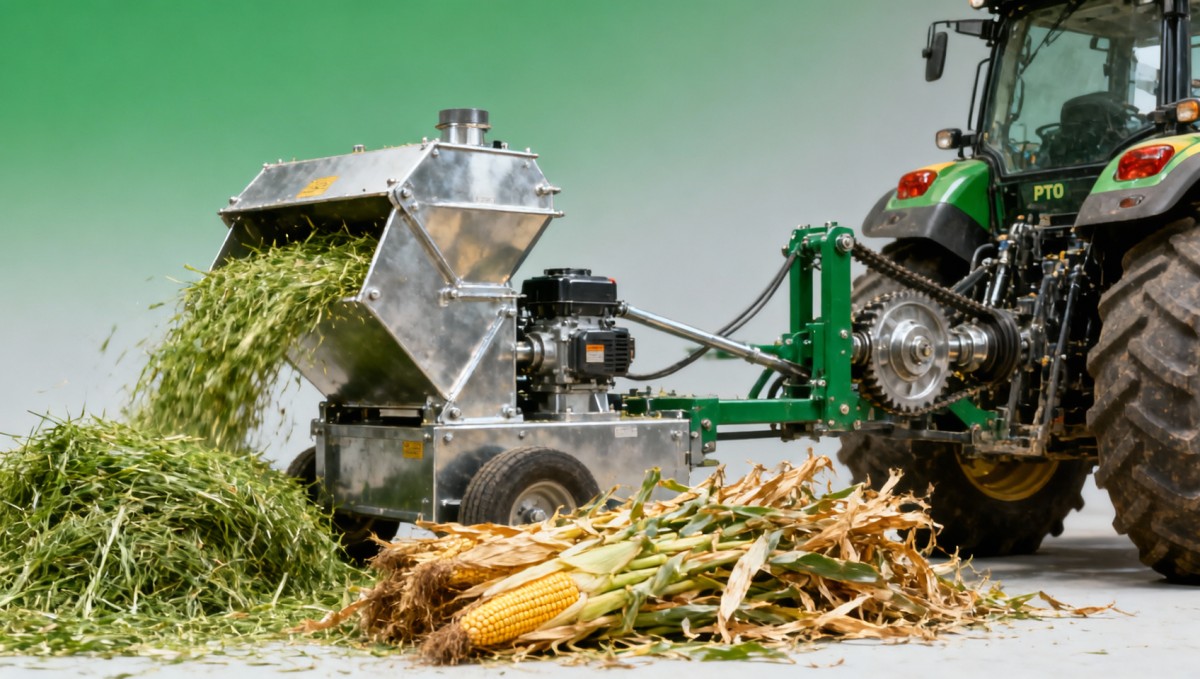
Small farm operators are under pressure from three directions at once: rising labor costs, tighter feed budgets, and the need to reduce waste during harvest and feeding. In this context, a grass forage chopper is no longer viewed as a basic cutting tool. It is increasingly evaluated as part of a broader forage handling system that may also include tractor implement parts, pto drive shafts bulk procurement, and baling equipment for seasonal storage.
For technical evaluators and project managers, the main question is not simply whether a machine cuts grass. The real question is whether it can process fresh grass, stalks, and mixed forage consistently within the farm’s expected throughput range, often from 300 kg/h to 3 t/h on small and medium sites. A mismatch at this stage can create downstream problems in feed mixing, storage density, and animal intake.
Procurement teams and finance approvers also need a clearer view of total ownership. Purchase price is only one layer. Blade wear, spare parts lead time, motor or PTO compatibility, and seasonal maintenance intervals often determine whether the equipment remains cost-effective after 12–24 months of use. This is especially important for mixed farms that alternate between direct feeding and baling.
AgriChem Chronicle addresses this decision environment by connecting machinery evaluation with supply chain transparency and operational practicality. For buyers in primary industries, this kind of structured intelligence helps separate marketing claims from usable procurement criteria, especially when selecting equipment that must work reliably across variable moisture levels, field conditions, and livestock feeding schedules.
- Small farms typically evaluate 3 core outcomes: chopping uniformity, labor savings, and feed utilization.
- Typical decision windows range from 2–6 weeks before peak harvest or feed shortage periods.
- Machines often need to integrate with existing power sources, including electric motors, diesel engines, or tractor PTO systems.
What technical performance should buyers check before comparing prices?
A grass forage chopper for small farm use should first be judged by its fit to feed material and operating rhythm. Fresh napier grass, alfalfa, maize stalks, sorghum, and mixed forage do not behave the same way during cutting. Moisture-heavy material may require stronger feeding rollers and more stable discharge, while drier stalks may place more stress on blades and rotor balance. This is why technical review should start with crop type and daily workload, not catalog price.
Cut length is another critical factor. Small ruminant and cattle operations often target a practical cut range such as 10–30 mm, while some feeding systems may prefer shorter output for easier mixing. A machine without consistent cut control can increase selective feeding and feed refusals. For quality control personnel, variation in output size also makes it harder to maintain stable ration preparation over a 7-day or 30-day feeding cycle.
Power transmission deserves equal attention. In many markets, buyers compare electric-drive choppers with PTO-driven units because the latter can reduce standalone engine maintenance when tractors are already available. However, PTO compatibility requires careful confirmation of shaft size, rotational speed, guard protection, and routine inspection frequency. This is why pto drive shafts bulk sourcing should never be separated from machinery safety review.
The table below summarizes common technical checkpoints for a grass forage chopper in a small-farm procurement process. These values are typical market ranges used for comparison, not mandatory universal specifications.
This comparison framework helps buyers avoid a common mistake: selecting a machine only by nominal output. In practice, actual productivity depends on crop uniformity, moisture content, feeding method, and operator handling. A 1 t/h unit may perform well on fresh grass but slow down significantly on tougher stalk material if feeding and blade geometry are not matched.
Key checks for technical and safety review
Before approval, technical teams should ask for clear information on blade material, hopper protection, emergency stop provisions, and access points for cleaning. If the machine is PTO-driven, rotating guard coverage and driveline alignment should be reviewed carefully. For sites running 4–8 hours during harvest peaks, vibration and bearing temperature stability become especially important.
Quality and safety managers should also verify whether the machine design reduces feed contamination risks from paint flaking, lubricant exposure, or difficult-to-clean chambers. While grass forage choppers are not pharmaceutical equipment, disciplined hygiene and safe operation matter in feed chains where contamination can still create animal health and operational loss issues.
For distributors and agents, technical transparency supports after-sales credibility. Machines that come with part lists, maintenance schedules, and wear-component references are easier to support across multiple buyers than machines sold with limited documentation and unclear replacement specifications.
A practical 5-point pre-purchase checklist
- Confirm crop types to be processed across wet and dry seasons.
- Match power source to current farm infrastructure and operator skill level.
- Review knife access, replacement procedure, and expected spare part lead time.
- Check guard design, feeding safety, and cleaning accessibility.
- Estimate daily workload and compare it with realistic, not theoretical, capacity.
How does a grass forage chopper compare with balers and related farm equipment?
Many buyers do not purchase a grass forage chopper in isolation. They compare it against or alongside square baler machine and round baler machine options, especially when the farm must balance direct feeding with storage for dry seasons. The correct decision usually depends on feed timing. If grass will be chopped and fed within hours or 1–2 days, a chopper often provides faster utilization. If the goal is compact storage and transport, baling may be more suitable.
The comparison should also include infrastructure. Chopped forage needs handling space, collection, and often immediate use or controlled storage. Baled material requires baler investment, tying or wrapping materials, and loading capacity. For farms with limited labor but reliable tractor availability, a PTO-driven chopper may be simpler to deploy than a full baling setup. For commercial fodder sellers, baling may provide better logistics value.
The table below helps procurement and business evaluation teams compare the role of these machines within a small farm or mixed-operation workflow.
This comparison shows why many farms use complementary rather than competing equipment strategies. A grass forage chopper supports immediate feed preparation, while square baler machine or round baler machine setups support storage and transport. The most economical path often depends on whether the operation feeds daily from fresh-cut material, stores seasonal surplus, or does both within a 6–12 month forage cycle.
When is a chopper the better first investment?
A grass forage chopper is often the better first purchase when the farm has fewer animals, limited storage infrastructure, or a strong need to reduce manual cutting immediately. It also makes sense where feed is harvested in smaller batches several times per week rather than in large seasonal campaigns. In such cases, the machine can produce visible labor savings within the first operating season.
By contrast, a baler may become the priority when forage transport, resale, or long-term dry storage is central to farm economics. This is why distributors and procurement advisors should avoid one-size-fits-all recommendations. The right answer depends on feeding strategy, field logistics, available tractor power, and the expected return period, often reviewed over 1–3 years.
For mixed buyers, system thinking matters most. A machine that appears cheaper at purchase can become more expensive if it adds labor, creates inconsistent feed size, or requires hard-to-source parts during harvest peaks.
What should procurement, finance, and project teams evaluate beyond the machine itself?
Professional procurement does not stop at comparing horsepower or output rate. Buyers should review the complete supply package, including delivery scope, spare parts policy, operating manuals, installation guidance, and after-sales response expectations. For international sourcing, lead times can vary from 2–4 weeks for standard units to 6–10 weeks for customized drive or feeding configurations.
Finance approvers usually want clarity on cost predictability. A lower-priced grass forage chopper may still create higher annual expense if knife sets wear rapidly, consumables are proprietary, or freight for replacement components is irregular. Budget review should therefore separate capital expenditure from operating expenditure over at least 12 months, and ideally over 24 months for seasonal farms.
Project leaders and engineering managers should also assess installation conditions. Electric units require power stability, cable routing, and suitable shelter. PTO-driven machines require tractor access, driveline alignment, and operator protection training. In both cases, the site should define 4 implementation steps: receiving inspection, installation check, no-load trial, and material trial under realistic feeding conditions.
The following table can be used as a cross-functional procurement review sheet when comparing grass forage chopper suppliers or channel offers.
Using a structured evaluation sheet improves consistency between technical, business, and financial stakeholders. It is particularly useful when procurement teams compare direct factory sourcing, dealer inventory, and mixed bundles that include tractor implement parts or pto drive shafts bulk orders. Cross-functional alignment reduces the risk of buying a technically acceptable machine that proves weak in service continuity.
Common risk points that delay approval
- Incomplete spare parts definition, especially for blades, belts, bearings, and PTO protection components.
- No clarity on who handles installation advice, startup checks, or operator training.
- Unclear delivery timing during seasonal purchase peaks, when delays of even 7–15 days can affect forage quality.
- Mismatch between advertised output and actual farm material conditions.
For readers in regulated or quality-sensitive sectors, ACC’s editorial approach is especially useful because it emphasizes verification logic, documentation quality, and supply chain credibility. That perspective helps machinery buyers adopt more disciplined sourcing methods similar to those used in other industrial procurement categories.
FAQ: what do buyers most often ask about grass forage chopper selection?
How do I choose the right grass forage chopper capacity for a small farm?
Start with daily feed volume, not maximum advertised output. If the farm needs a few hundred kilograms per day for immediate feeding, a lower-capacity unit may be enough. If the site processes several tons across a 4–6 hour working shift, a higher-capacity model with stronger feeding and easier blade maintenance is usually more practical. Always match capacity to actual crop type and operator routine.
Is a PTO-driven chopper better than an electric model?
It depends on site conditions. PTO-driven machines work well when a suitable tractor is already available and mobile field-side use is important. Electric models may be preferable for fixed-location chopping near barns or feed preparation areas. The real comparison should include fuel or power cost, maintenance skill availability, safety controls, and the condition of pto drive shafts bulk replacement supply if multiple machines are in service.
Can a grass forage chopper replace a square baler machine or round baler machine?
Usually no. The machines serve different operational goals. A grass forage chopper supports cutting for direct feeding or immediate processing. Square baler machine and round baler machine equipment are designed for compact storage, transport, and seasonal preservation of dry forage. Some farms need only one category, but many mixed operations benefit from both over a full forage cycle.
What maintenance schedule is reasonable for a small-farm chopper?
A practical schedule includes daily cleaning after use, blade and fastener checks at routine intervals, and bearing or drive inspection based on operating hours. Many operators use a simple rule: visual inspection before each shift and more detailed review every 50–100 hours. For seasonal users, pre-season and post-season inspections are equally important to prevent startup issues.
What documents should a buyer request before issuing a purchase order?
Request a specification sheet, dimensional information, power requirement details, parts list, maintenance guidance, and shipping scope confirmation. If the machine will be exported or integrated into a distributor channel, also ask for packaging details, labeling information, and any generally applicable safety documentation. These documents reduce ambiguity during installation, customs review, and after-sales support.
Why work with AgriChem Chronicle when evaluating forage equipment sourcing?
AgriChem Chronicle is positioned for buyers who need more than general product descriptions. Across agricultural machinery, feed processing, and regulated industrial supply chains, ACC provides a decision-oriented perspective that helps procurement teams, engineers, and commercial stakeholders assess not only the machine, but also the sourcing logic behind it. That matters when comparing grass forage chopper options in a market where specifications can look similar while support quality differs significantly.
For information researchers and business evaluators, ACC’s strength lies in connecting technical detail with market context. For procurement personnel and distributors, that means better questions during supplier screening. For finance and executive decision-makers, it means clearer visibility into operating implications, risk concentration, and implementation readiness. In short, the goal is not more data, but more usable intelligence.
If you are reviewing a grass forage chopper for small farm use, ACC can help frame the next step around concrete issues: parameter confirmation, throughput fit, power configuration, compatibility with tractor implement parts, pto drive shafts bulk sourcing strategy, comparison against square baler machine or round baler machine workflows, delivery cycle expectations, and documentation needed for internal approval.
Contact us if you need support with technical selection criteria, procurement comparison logic, supplier communication points, expected lead-time ranges, spare part planning, or a clearer buying framework for mixed forage equipment projects. This is especially valuable when your team must align engineering, purchasing, quality, and budget review within one approval cycle.
Related Intelligence
- Commercial Feed PelletChina Launches GB 13078-2026 Draft for Commercial Feed PelletsGB 13078-2026 draft mandates mycotoxin monitoring, AMR gene screening & carbon labeling for China’s commercial feed pellets — act now to ensure 2027 compliance.
- Commercial Feed PelletChina to Upgrade Commercial Feed Pellet Standard to Mandatory by 2027China’s Commercial Feed Pellet standard (GB/T 19541) becomes mandatory by 2027—stricter mycotoxin limits, full traceability & urgent compliance prep for feed producers, suppliers & exporters.
- Commercial Feed PelletChina Upgrades 12 Feed Pellet Standards to Mandatory GBChina upgrades 12 feed pellet standards to mandatory GB—new mycotoxin testing, heavy metal limits & carbon footprint rules. Act now for EU, Saudi, Vietnam compliance!
The Morning Broadsheet
Daily chemical briefings, market shifts, and peer-reviewed summaries delivered to your terminal.
