
Round Baler Machine Maintenance Checklist
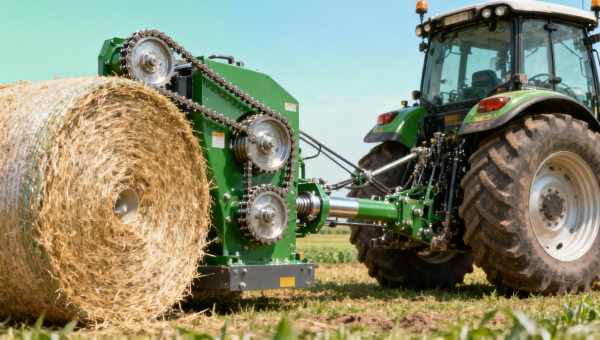
Efficient upkeep is the key to extending the life and output of any round baler machine. For buyers, operators, and technical evaluators comparing square baler machine systems, tractor implement parts, pto drive shafts bulk, and agricultural tires wholesale, a clear maintenance checklist reduces downtime, improves field safety, and supports smarter procurement decisions across modern forage operations.
Why does a round baler machine maintenance checklist matter in procurement and operations?
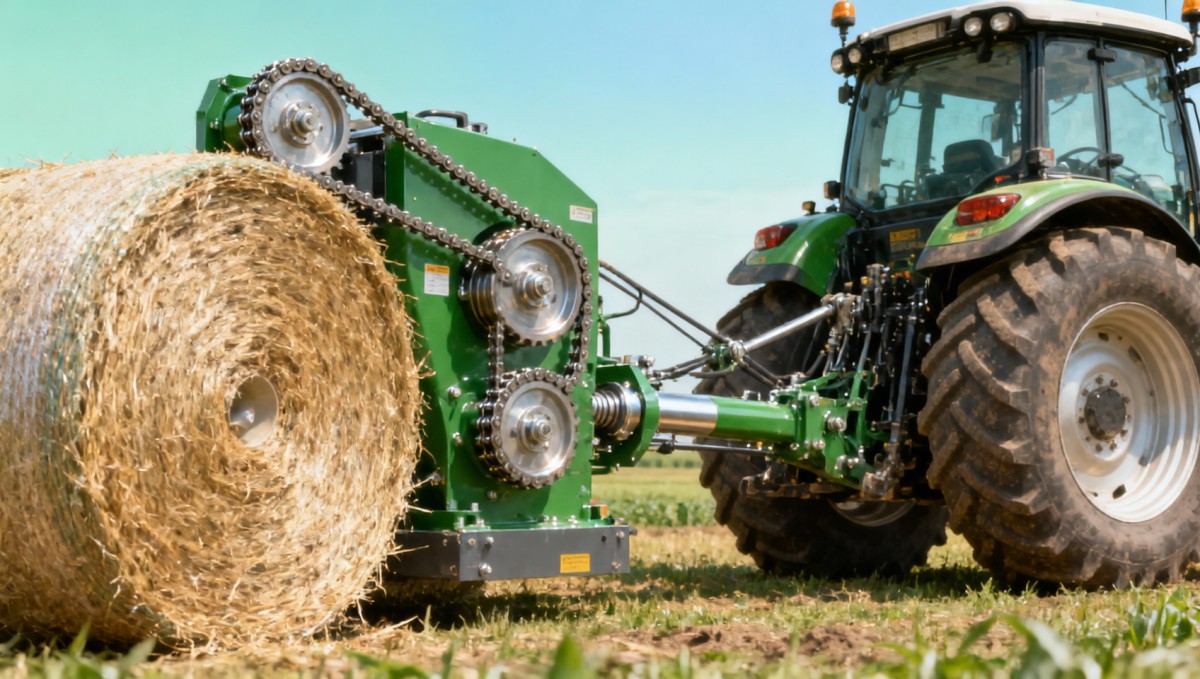
In agricultural and primary processing environments, a round baler machine is not just a field asset. It is part of a broader equipment chain that includes tractors, PTO power transmission, twine or net wrap systems, tire support, and seasonal labor scheduling. When maintenance is inconsistent, the problem rarely stays inside one machine. It affects bale density, fuel use, harvest timing, transport efficiency, and even downstream storage quality within a 7–30 day forage window.
For procurement teams, maintenance discipline also changes total cost of ownership. A lower-priced baler can become more expensive if bearings fail every season, if pickup tines require frequent replacement, or if the pto drive shafts bulk order was not matched to actual torque and shielding requirements. Technical evaluators therefore need a checklist that connects service intervals, wear points, safety inspection, and parts availability in one decision framework.
This matters especially for mixed fleets comparing round baler machine units with square baler machine alternatives. Round balers may offer flexibility in variable field conditions, but their performance depends heavily on chain tension, roller cleanliness, belt tracking, chamber integrity, and proper lubrication at intervals such as every 8 hours, daily, or every 50 operating hours depending on the component and manufacturer guidance.
AgriChem Chronicle tracks these issues because institutional buyers and industrial farming operators increasingly evaluate equipment through reliability, compliance, traceability, and lifecycle planning rather than purchase price alone. In regulated and high-throughput supply chains, documentation quality, spare parts planning, and serviceability now sit alongside output capacity and bale consistency as core decision criteria.
Who benefits most from a structured checklist?
- Procurement managers who need to compare 3–5 supplier offers using service intervals, consumable cost, and replacement part lead times instead of headline price only.
- Technical assessment teams that must confirm compatibility with tractor horsepower ranges, hydraulic outputs, PTO configurations, and available tractor implement parts.
- Project leaders and operators who want fewer in-season stoppages during narrow harvest windows, often limited to 10–20 workable field days.
- Quality and safety managers responsible for guarding, lockout procedures, fire risk control, and operator inspection records.
A useful maintenance checklist therefore serves two purposes at once: it keeps the machine productive in the field and gives decision-makers a measurable basis for supplier evaluation, fleet standardization, and budget approval.
What should be checked daily, weekly, and seasonally?
The most effective round baler machine maintenance checklist is structured by operating frequency. That keeps field teams focused on fast inspections before work, while allowing maintenance planners to schedule deeper servicing every 50 hours, every 250 hours, or at season start and shutdown. The exact interval depends on the machine design, but the logic remains consistent across most forage operations.
Daily checks should take roughly 10–20 minutes and target the highest-risk wear and safety points. Weekly or 50-hour checks should expand into driveline inspection, fastener verification, and condition-based replacement planning. Seasonal checks should include storage preparation, corrosion prevention, and a documented review of all rotating, hydraulic, and feeding assemblies before the next cutting cycle begins.
Core maintenance checklist for field teams
The table below gives a practical structure for operators, service technicians, and buyers reviewing round baler machine support requirements. It also helps compare maintenance intensity against square baler machine systems during equipment selection.
For technical teams, the biggest takeaway is that maintenance workload is not limited to grease points. A complete checklist must include the driveline, guarding, field transport condition, and storage readiness. This is especially important when tractors, pto drive shafts bulk purchases, and trailer handling equipment come from different vendors.
Five high-priority inspection points often missed
- PTO shaft guard rotation and chain retention, because a lubricated shaft is still unsafe if the shield binds or the restraint is missing.
- Pickup tine alignment across the full working width, since even minor tine loss can reduce feed consistency over 1–2 hectares quickly.
- Bearing heat signs after the first 30–60 minutes of operation, which often reveal lubrication gaps earlier than visual inspection alone.
- Net wrap or twine feed cleanliness, because dust and residue can cause intermittent tying faults that look like chamber issues.
- Agricultural tires wholesale replacement planning, especially for fleets moving between fields on rough road surfaces where transport wear can outpace field wear.
When these five points are added to routine servicing, most fleets gain more predictable uptime and better spare-part forecasting. For buyers, that predictability supports stronger annual budgeting and clearer cost comparison across suppliers.
How should buyers compare maintenance demands across baler systems and related parts?
A maintenance checklist becomes more valuable when used as a comparison tool. Buyers often focus on bale size, throughput, and list price, yet long-term operating cost is driven by access to tractor implement parts, service intervals, wear part pricing, and operator training requirements. Comparing a round baler machine with a square baler machine is therefore a maintenance and logistics decision as much as a production decision.
Round balers generally suit variable field conditions and flexible bale handling, while square baler machine systems may fit operations that prioritize stack efficiency, transport density, or certain downstream feed formats. However, the maintenance profile differs. Belt and roller care, chamber cleanliness, and tying reliability are central on round balers, while plunger, knotter, and timing systems may demand more specialized adjustment on square models.
The comparison should also include linked components. If pto drive shafts bulk procurement is planned for multiple machines, standardized shaft lengths, torque ratings, guarding systems, and spare joint kits can reduce inventory complexity by 15–30% in practical fleet management terms. The same applies to tire specifications and common tractor implement parts across brands.
Comparison table for maintenance-oriented selection
The following table is designed for procurement reviews, distributor discussions, and internal CAPEX approval meetings where maintenance burden and field support matter as much as productivity.
This comparison does not mean one baler type is universally better. It means maintenance structure should be aligned with labor skill, harvest timing, spare part channels, and transport requirements. In B2B purchasing, that alignment usually determines whether the machine supports growth or creates recurring bottlenecks.
Three questions procurement teams should ask suppliers
- What are the recommended service intervals for lubrication, chain adjustment, bearing inspection, and wrap system calibration over the first 250 hours?
- Which tractor implement parts and PTO specifications are mandatory, optional, or interchangeable with existing fleet inventory?
- What is the normal lead time for wear parts during peak season: 48–72 hours locally, 1–2 weeks regionally, or longer via import channels?
These questions help financial approvers and business evaluators move the discussion from upfront price to operational resilience, which is often the more decisive metric over 3–5 seasons.
Which standards, safety controls, and documentation should not be overlooked?
For agricultural machinery in industrial settings, maintenance is also a compliance issue. Even when a round baler machine is used outside a heavily regulated processing facility, organizations still need documented inspection routines, safe PTO guarding, hydraulic handling procedures, and operator training records. These are practical controls that support safety, insurance, contractor management, and equipment handover between sites.
International buyers should not assume that all suppliers deliver the same documentation package. A stronger supplier offer usually includes parts manuals, service schedules, torque guidance, lubrication charts, safety labels, and wear-part references. For distributors and agents, documentation quality can reduce onboarding time by 1–2 weeks and lower after-sales confusion during the first operating season.
AgriChem Chronicle consistently emphasizes documentation traceability because buyers in agriculture, feed processing, aquaculture support logistics, and fine chemical supply chains increasingly operate under cross-functional review. Technical teams ask whether the machine can be maintained safely. Procurement asks whether consumables are available. Finance asks whether downtime risk is controllable. Compliance asks whether records are usable in audits and internal reviews.
Minimum documentation and safety review points
- Operator and service manuals should clearly separate daily checks, 50-hour tasks, seasonal shutdown, and restart procedures.
- PTO guards, warning decals, and lockout instructions should be visually intact and readable before every peak-use cycle.
- Hydraulic hose routes, coupling identification, and leak response instructions should be documented, especially where multiple implements are used interchangeably.
- Inspection logs should be retained at least by season or by project phase, allowing project managers to trace recurring wear patterns and replacement frequency.
In practice, these controls improve not only safety but also resale value, service continuity, and supplier accountability. For buyers managing cross-border procurement, a machine with stronger maintenance documentation is often easier to commission, support, and justify internally.
Common risk areas during implementation
The first risk is assuming tractor compatibility based on horsepower alone. A round baler machine may technically run behind a given tractor, yet still suffer from PTO mismatch, inadequate hydraulic response, or poor weight distribution in transport. The second risk is underestimating spare inventory. A missing bearing, pickup tine set, or wrap component can stop production for several days during a narrow weather window.
The third risk is treating agricultural tires wholesale procurement as a separate purchase decision. Tire failure affects transport stability, road legality in some regions, and field mobility in wet conditions. Tire specification, inflation policy, and replacement timing should be incorporated into the baler maintenance checklist from day one.
FAQ for technical evaluators, buyers, and project teams
The questions below reflect common search intent from information researchers, project engineers, and procurement professionals evaluating a round baler machine within broader machinery planning.
How often should a round baler machine be serviced?
Basic inspections should be performed every 8–10 operating hours or at the start of each workday. Lubrication, chain checks, and PTO inspection often fall into daily or 40–50 hour routines, while more detailed checks are commonly scheduled at seasonal changeover or before long storage. The exact timing depends on crop conditions, dust load, machine design, and the supplier manual.
What parts should be stocked before peak season?
At minimum, many operators prepare a seasonal kit that includes pickup tines, selected bearings, chain links or chain sections where applicable, wrap system consumables, common fasteners, and essential PTO service parts. Buyers running multiple machines may also standardize tractor implement parts and pto drive shafts bulk ordering to reduce lead-time risk and simplify service training across the fleet.
Is a square baler machine easier to maintain than a round baler machine?
Not necessarily. A square baler machine may suit operations with consistent crop flow and stacking requirements, but its maintenance profile can involve more timing-sensitive systems. A round baler machine may appear simpler in some field conditions, yet still requires disciplined attention to belts, rollers, chamber cleaning, and wrapping performance. The better choice depends on labor skill, crop type, storage format, and spare support.
What should distributors and agents verify before representing a baler line?
They should verify service documentation quality, spare part availability for at least one season, compatibility with regional tractor standards, expected lead times, and the clarity of wear-part identification. They should also assess whether the supplier can support technical questions on tires, PTO components, and associated tractor implement parts rather than only the baler body itself.
Why work with AgriChem Chronicle when evaluating machinery, parts, and supply partners?
AgriChem Chronicle serves readers who cannot rely on surface-level product claims. Our coverage is built for institutional buyers, chief agronomists, industrial operators, procurement directors, and technical reviewers who need a reliable basis for comparison across machinery, biochemical inputs, and primary processing equipment. That is why our editorial lens connects maintenance practicality, supply chain transparency, and commercial decision-making in one framework.
For companies evaluating a round baler machine, square baler machine alternatives, tractor implement parts, pto drive shafts bulk supply, or agricultural tires wholesale channels, we help clarify the questions that most affect implementation: which parameters matter, which service points drive downtime, which documentation is essential, and which procurement assumptions create avoidable risk over the next 12–36 months.
If you are comparing suppliers or preparing an internal purchase case, you can contact AgriChem Chronicle for support around maintenance checklist validation, equipment selection logic, documentation review, expected service intervals, spare-part planning, delivery lead-time questions, and compliance-oriented supplier communication. This is particularly useful when multiple departments must sign off, including engineering, purchasing, safety, operations, and finance.
To move faster and with fewer blind spots, reach out with your target crop conditions, tractor range, expected seasonal workload, desired bale format, required parts support, and any certification or documentation concerns. We can help structure the evaluation process, narrow the shortlist, and support clearer discussions on quotations, customization options, and after-sales readiness.
Related Intelligence
- Heavy Agri MachineryIndia Launches Anti-Dumping Review on Chinese TractorsIndia's anti-dumping review on Chinese tractors may raise duties from 22.3% to 28.5% — critical for exporters, distributors & supply chain teams. Act now.
- Heavy Agri MachineryIndia Launches AD Review on Chinese Tractors, Tariff May Rise to 28.5%India's AD review on Chinese tractors may raise tariffs to 28.5% — critical insights for exporters, importers & agri-machinery stakeholders.
- Heavy Agri MachineryIndia Launches Anti-Dumping Review on Chinese TractorsIndia's anti-dumping review on Chinese tractors (≥50HP, smart hydraulic suspension) may raise duties to 22.5–28.5%. Exporters, CKD assemblers & suppliers: act now to assess risk and compliance.
The Morning Broadsheet
Daily chemical briefings, market shifts, and peer-reviewed summaries delivered to your terminal.
