
China Launches GB 13078-2026 Draft for Commercial Feed Pellets
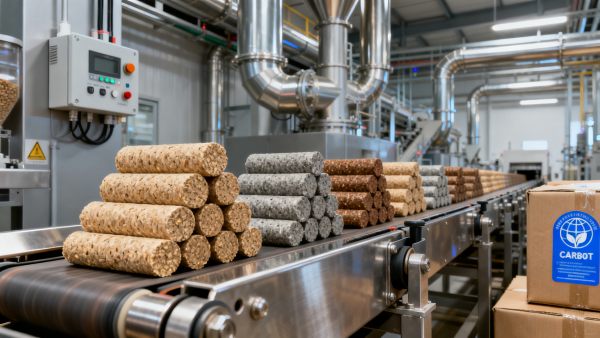
On April 24, 2026, China’s State Administration for Market Regulation (SAMR) released the draft of the mandatory national standard Commercial Feed Pellets (GB 13078-2026) for public consultation. The draft introduces three new core requirements: dynamic monitoring of mycotoxins, screening for antimicrobial resistance genes, and carbon footprint labeling. With implementation scheduled for Q1 2027, this update directly affects global importers, feed manufacturers, and upstream suppliers engaged in China’s commercial animal feed value chain — particularly those handling pelleted feed for poultry, swine, and aquaculture.
Event Overview
On April 24, 2026, SAMR published the draft of GB 13078-2026 — Commercial Feed Pellets for public comment. The document proposes upgrading the existing mandatory standard to include: (1) mandatory dynamic monitoring of key mycotoxins (e.g., aflatoxin B1, deoxynivalenol); (2) requirement to screen for microbial antimicrobial resistance (AMR) genes in production environments and final products; and (3) voluntary-to-mandatory transition of carbon footprint labeling for certified producers. The draft is open for stakeholder feedback until the official closing date announced by SAMR. Implementation is slated for Q1 2027.
Which Subsectors Are Affected
Direct Trade Enterprises (Importers/Exporters)
Importers supplying commercial feed pellets into China will face revised conformity assessment criteria. Under the draft, import documentation must increasingly reflect supplier-level compliance with mycotoxin monitoring protocols, AMR gene testing reports, and verified carbon footprint data — not just end-product test certificates. This shifts due diligence from batch-level verification to ongoing supplier capability validation.
Feed Manufacturing & Blending Facilities
Domestic and foreign-owned feed pellet plants serving the Chinese market must upgrade laboratory capacity or engage third-party labs capable of mycotoxin trend analysis (not just single-point testing) and molecular detection of AMR markers (e.g., blaCTX-M, vanA). Carbon footprint labeling also implies adoption of ISO 14067-aligned calculation methods and traceable energy/raw material inputs.
Raw Material Suppliers (Grain, Oilseed, Additive Producers)
Suppliers of corn, soybean meal, DDGS, and functional additives must anticipate upstream data requests — especially regarding pre-harvest mycotoxin risk history and antimicrobial use records in sourced livestock-derived ingredients (e.g., fishmeal, meat-and-bone meal). Traceability systems that support dynamic toxin mapping and AMR exposure logs will gain operational relevance.
Supply Chain & Certification Service Providers
Third-party auditors, certification bodies, and logistics platforms offering compliance support will need to align their service scopes with the draft’s technical scope. For example, existing GMP+ or FAMI-QS audits do not yet cover AMR gene screening or carbon footprint verification — creating a gap in current assurance offerings.
What Relevant Enterprises or Practitioners Should Focus On — And How to Respond Now
Monitor Official Updates on Timeline and Scope Clarifications
The draft remains under public consultation. Stakeholders should track SAMR’s official announcements for revisions to enforcement thresholds (e.g., which AMR genes are mandatory vs. recommended), acceptable monitoring frequencies for mycotoxins, and whether carbon footprint labeling will be phased in or applied uniformly across pellet categories.
Map Current Capabilities Against the Three New Requirements
Manufacturers and importers should conduct an internal gap assessment: Does lab infrastructure support real-time mycotoxin profiling? Is genomic screening for AMR genes integrated into environmental or raw material testing? Is carbon accounting methodology aligned with PAS 2050 or ISO 14067? Prioritize investments based on high-volume SKUs and major customer segments in China.
Distinguish Between Policy Signal and Operational Readiness
While the 2027 Q1 deadline appears fixed, SAMR may extend implementation for specific clauses (e.g., carbon labeling) based on industry feedback. Companies should treat the draft as a binding signal for capability building — but avoid premature capital expenditure until final scope and compliance pathways are confirmed.
Initiate Supplier Engagement and Data Protocol Alignment
Upstream suppliers — especially grain traders and additive formulators — often lack structured mycotoxin history databases or AMR exposure records. Begin bilateral discussions now to co-develop data exchange templates (e.g., standardized mycotoxin trend summaries, AMR gene test reporting formats) ahead of formal regulatory requirements.
Editorial Perspective / Industry Observation
From an industry perspective, GB 13078-2026 is less a sudden regulatory shift and more a formal codification of emerging expectations already visible in leading Chinese feed buyers’ procurement policies since 2024. Analysis来看, the inclusion of AMR gene screening reflects alignment with WHO Global Antimicrobial Resistance Surveillance System (GLASS) priorities — suggesting long-term convergence between feed safety and public health governance. Observation来看, the carbon footprint labeling clause is currently framed as a disclosure tool rather than a performance benchmark; it signals growing investor and buyer interest in sustainability metrics, but does not yet impose emission reduction targets. It is better understood as a transparency accelerator — one that rewards early adopters of verifiable environmental data systems.
Current attention should focus on how SAMR responds to stakeholder comments, particularly on feasibility timelines and technical definitions. The draft’s true impact will crystallize not at issuance, but during the transition period — when interpretation, enforcement guidance, and accredited testing capacity become decisive.
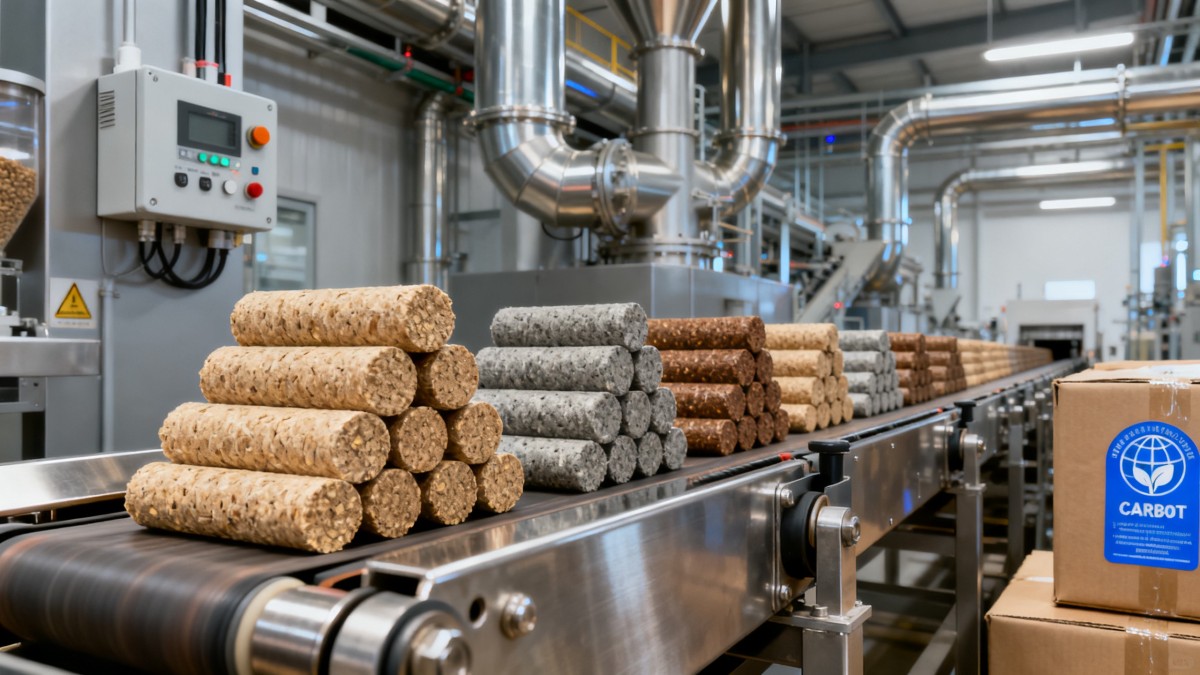
In summary, GB 13078-2026 represents a calibrated expansion of China’s feed safety framework — integrating biological risk surveillance, antimicrobial stewardship, and environmental accountability. It does not replace existing hygiene or nutrient standards, but layers new verification dimensions onto them. For global stakeholders, this is best interpreted not as a compliance hurdle, but as a structural signal: China’s commercial feed market is incrementally raising the bar for verifiable biosecurity and sustainability performance — beginning with pellets.
Source: State Administration for Market Regulation (SAMR), Draft National Standard Announcement GB 13078-2026 (April 24, 2026). Note: Final text, effective date, and detailed implementation rules remain subject to revision following public consultation and inter-ministerial review.
Related Intelligence
- Commercial Feed PelletChina Launches GB 13078-2026 Draft for Commercial Feed PelletsGB 13078-2026 draft mandates mycotoxin monitoring, AMR gene screening & carbon labeling for China’s commercial feed pellets — act now to ensure 2027 compliance.
- Commercial Feed PelletChina to Upgrade Commercial Feed Pellet Standard to Mandatory by 2027China’s Commercial Feed Pellet standard (GB/T 19541) becomes mandatory by 2027—stricter mycotoxin limits, full traceability & urgent compliance prep for feed producers, suppliers & exporters.
- Commercial Feed PelletChina Upgrades 12 Feed Pellet Standards to Mandatory GBChina upgrades 12 feed pellet standards to mandatory GB—new mycotoxin testing, heavy metal limits & carbon footprint rules. Act now for EU, Saudi, Vietnam compliance!
The Morning Broadsheet
Daily chemical briefings, market shifts, and peer-reviewed summaries delivered to your terminal.
