
Are Solar Water Pumps Worth It for Farms
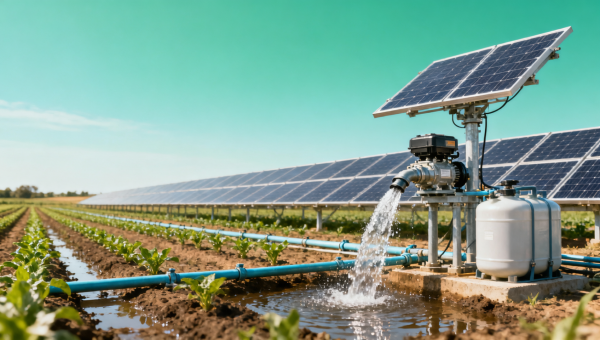
Are solar water pumps agricultural systems truly worth the investment for modern farms? For buyers comparing wholesale water pumps for farming, submersible deep well pumps, and agricultural diesel engines, the answer depends on lifecycle cost, water depth, energy reliability, and field application. This analysis also considers how related equipment—from pto drive shafts bulk and tractor implement parts to agricultural tires wholesale—shapes total farm efficiency and procurement value.
When are solar water pumps actually worth it for farms?
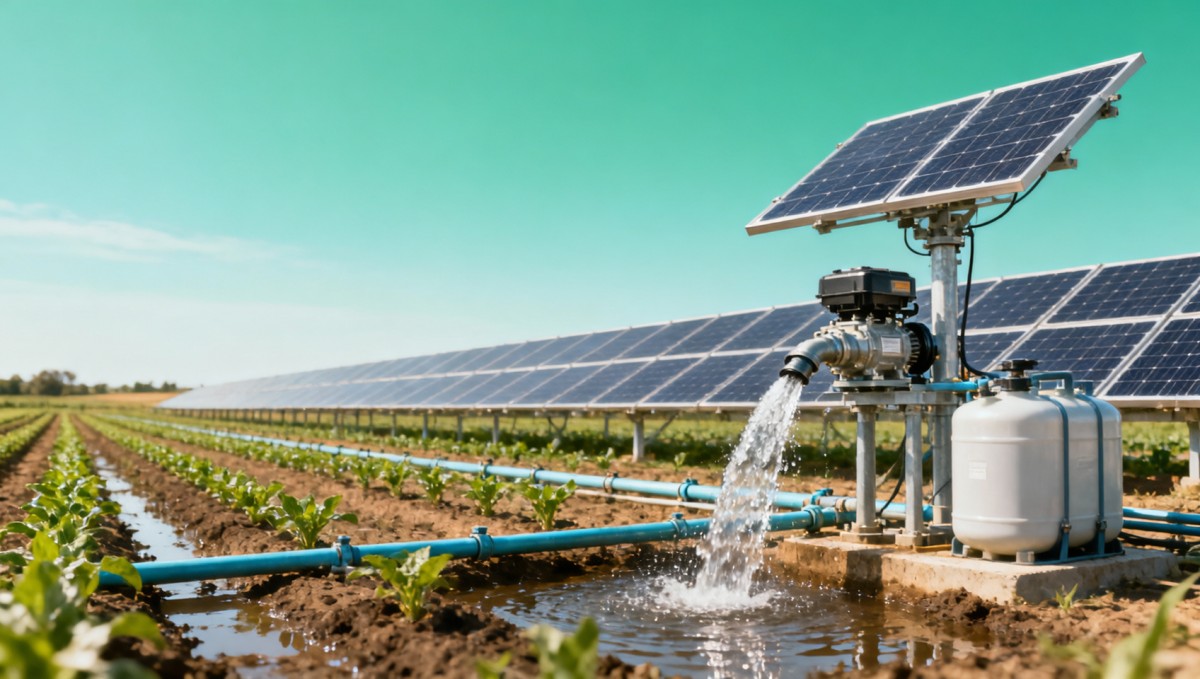
For many agricultural operators, the value of a solar water pump is not decided by headline price alone. It depends on whether the farm runs irrigation, livestock watering, aquaculture support, or remote water transfer in locations where grid extension is expensive or diesel logistics are unstable. In practical B2B procurement, the right question is not “Are solar pumps cheap?” but “Do they reduce risk and operating cost over 3–7 years?”
Solar water pumps are often most attractive in off-grid or weak-grid environments, especially where daytime pumping aligns with crop water demand. Typical use cases include boreholes, ponds, river lifting, storage tank filling, and distributed irrigation across medium-size plots. For farms dealing with fuel transport delays, seasonal labor pressure, or rising diesel maintenance costs, solar pumping can improve operational predictability even if initial capital expenditure is higher.
However, not every farm should switch immediately. Deep wells above common lift ranges, heavy 24-hour pumping demand, or sites with frequent dust accumulation and limited maintenance discipline may require hybrid systems or traditional engine-driven units. Technical assessment should cover at least 5 core factors: daily water volume, total dynamic head, pump duty cycle, seasonal sunlight profile, and storage strategy.
For information researchers, engineering evaluators, and financial approvers, solar water pumps are worth serious consideration when operating conditions are stable, pumping occurs mainly during 6–10 daylight hours, and total water demand can be balanced through storage tanks or reservoir buffering. In these cases, total cost of ownership often matters more than unit purchase price.
A fast decision framework for farm procurement teams
Before comparing suppliers, decision-makers should separate technical feasibility from commercial attractiveness. A pump may work hydraulically but still fail the procurement test if spare parts are difficult to source, if agricultural tires wholesale and other field assets already compete for budget, or if installation support is weak. A disciplined screening process reduces rework and prevents underperforming systems.
- Check whether daily pumping demand is concentrated in daylight or requires overnight pressure support.
- Confirm the water source depth, pipe run length, and elevation difference before selecting motor power.
- Evaluate whether storage tanks can cover 1–2 days of irrigation interruption during low irradiance periods.
- Compare lifecycle costs against diesel engines, grid pumps, and hybrid systems over at least 36–60 months.
Who benefits most?
The strongest fit is usually found in farms with remote plots, repeated fuel transport costs, and moderate but regular pumping demand. Distributors and project managers also value solar systems where simpler daily operation lowers dependency on on-site engine monitoring. For procurement departments serving multiple sites, standardizing component families can further reduce downtime and spare-part complexity.
Solar vs diesel vs grid pumps: which option performs better by scenario?
Farm water pumping is rarely a one-size-fits-all decision. A solar water pump can outperform a diesel engine in recurring operating expense, while grid-connected pumps may still win where electricity supply is stable and tariffs are manageable. The most reliable purchasing decision comes from comparing energy source, maintenance burden, field conditions, and expected runtime rather than following a generic preference.
In procurement reviews, buyers often compare three mainstream paths: solar pumping systems, diesel-powered pump sets, and electric pumps connected to the grid. The choice changes with irrigation scale, well depth, service availability, and seasonal crop calendars. A farm with 8 months of predictable sunlight and remote land access may evaluate value very differently from a site beside a stable utility line.
The table below summarizes common differences using practical B2B decision criteria. These are typical ranges and operating considerations used in technical-commercial screening, not universal guarantees. Final performance always depends on hydraulic design, component quality, and installation accuracy.
This comparison shows why many farms do not replace every diesel unit immediately. Instead, they use solar pumps for fixed daytime demand and keep engine-driven equipment for emergency transfer, storm recovery, or temporary plots. That mixed strategy can be especially practical for project owners already purchasing submersible deep well pumps, pto drive shafts bulk, and tractor implement parts within a broader machinery budget.
What usually drives the final decision?
Technical and business teams often land on different priorities. Engineers focus on head, flow, and motor match. Finance teams focus on payback period and service exposure. Procurement looks at supplier responsiveness, packaging, lead time, and replacement part availability. A durable decision aligns all three perspectives early, ideally before requesting final quotations.
- If fuel delivery is unreliable or transport routes are long, solar value increases quickly.
- If the farm needs pumping across 12–18 hours daily, hybrid or grid systems may be more suitable.
- If well depth is high and flow target is aggressive, pump curve verification becomes critical.
- If the operation is seasonal, buyers should compare annualized use rather than nominal capacity alone.
What technical parameters should buyers verify before ordering?
A solar water pump project succeeds or fails on hydraulic matching. Many disappointing installations are not caused by solar technology itself, but by poor sizing. Buyers should verify total dynamic head, required flow rate, suction or borehole conditions, pipe diameter, static water level, and daily irrigation window. Missing just one of these inputs can lead to low output, controller trips, or premature wear.
For deep-well applications, submersible pump selection is especially sensitive. A pump designed for one flow-head range may become inefficient or unstable outside its intended curve. On farms with sand content, fluctuating water level, or long discharge pipes, the safety margin should be reviewed carefully. This is why technical evaluators often request system drawings, water test notes, and load assumptions before approving supply.
The practical checklist below helps procurement and engineering teams align. It is useful when comparing manufacturers, reviewing quotations, or evaluating whether a solar water pump can replace diesel operation at one or multiple sites.
The table highlights a key point: buyers should never evaluate a solar water pump in isolation. Pipework, storage, controller settings, filtration, and field application method all influence real output. In drip irrigation, for example, stable pressure may matter as much as total volume. In pond transfer or livestock supply, daily reliability may matter more than peak flow.
Key questions for technical assessment
A useful review process normally includes 4 steps: site data collection, hydraulic calculation, component matching, and installation planning. That sequence helps project managers avoid a common error—buying by nominal horsepower without considering pipe losses and seasonal water level change. For larger agricultural programs, using a standardized questionnaire across several farms can also improve quotation consistency.
Compatibility with other farm assets
Solar pumping does not operate in a vacuum. Its value is tied to broader equipment strategy, including field vehicles, tractor implement parts, mobile hose reels, and land preparation tools. If water delivery timing affects tractor scheduling, tire wear, or implement utilization, then pump selection becomes part of total farm productivity planning rather than a stand-alone utility purchase.
How should buyers evaluate cost, payback, and procurement risk?
The cost question is central to whether solar water pumps are worth it for farms. The answer should be framed around total cost of ownership rather than initial invoice value. A diesel unit may appear cheaper at purchase, but fuel, filters, lubricants, transport, and service downtime can accumulate month after month. Solar systems, by contrast, concentrate more cost upfront and often lower energy expense during operation.
For financial approvers, a useful comparison period is 36, 48, or 60 months depending on irrigation stability and crop cycle. If the farm pumps water regularly in dry seasons, has predictable daytime use, and faces diesel price volatility, solar economics may become attractive sooner. If use is occasional or highly mobile, payback may be weaker and an engine-driven set may remain justified.
Cost evaluation should also include hidden items. These commonly include foundation work, panel mounting, cabling, surge protection, cleaning labor, spare impellers or seals, and temporary backup during service. Procurement teams that ignore these categories may underestimate installed cost by a meaningful margin.
- Capital costs: pump, controller, solar modules, structure, cabling, pipework, installation labor.
- Operating costs: fuel or electricity, routine inspection, cleaning frequency, maintenance visits.
- Risk costs: downtime during irrigation windows, spare-part delay, water shortage impact on yield.
- Integration costs: storage tanks, pressure management, controls, and hybrid backup if required.
Common procurement mistakes that reduce ROI
One common mistake is buying the lowest-price package without checking pump curves or controller suitability. Another is assuming all farms need batteries; many agricultural solar water pump systems work effectively without battery storage when water is stored instead. A third error is failing to confirm service access and replacement lead time, especially where rural logistics can extend delivery to 7–15 days.
Distributors and resellers should also consider after-sales expectations. Institutional buyers increasingly ask for installation guidance, parts lists, and operating documentation. In regulated or audit-sensitive supply chains, traceable documentation and clear technical files can influence purchasing decisions as much as price.
Why documentation and compliance still matter
Even where no single universal certification governs every farm pump purchase, buyers often request electrical safety documentation, material specifications, operating manuals, and supplier quality records. Where water systems interact with food production, aquaculture, or sensitive processing inputs, a stronger documentation package reduces approval friction. This is especially relevant for cross-border sourcing and large project tendering.
Which farm scenarios justify solar pumping, and which do not?
Solar water pumps are generally strongest in fixed agricultural applications with repeatable demand. Examples include orchard irrigation, vegetable plots with daytime drip systems, livestock watering points, and reservoir transfer where pumping can occur over 6–8 productive sun hours. In these cases, storage tanks act as a buffer, reducing the need for round-the-clock power delivery.
They are often less suitable where pumping must continue through the night, where water demand spikes unpredictably, or where the farm requires frequent relocation of equipment between distant fields. Diesel or tractor-driven systems may still be the better fit for emergency dewatering, mobile pumping, or highly seasonal operations with limited annual runtime.
For project leaders evaluating mixed farm assets, it helps to segment water tasks into fixed, semi-mobile, and emergency duties. Solar can serve fixed duties well. Diesel and PTO-driven alternatives can remain in the fleet for mobile or peak-response duties. That layered strategy is often more practical than choosing a single technology for every condition.
Scenario-based suitability checklist
- Good fit: remote borehole irrigation, repeated tank filling, low-fuel-access sites, and daytime livestock water supply.
- Moderate fit: seasonal farms with storage infrastructure and predictable weather windows.
- Weak fit: high-depth, high-flow, continuous 24-hour pumping without storage or backup.
- Alternative fit: mobile plots where tractor-driven or diesel units provide better flexibility.
FAQ for buyers and technical reviewers
Below are several questions that often arise during solar water pump evaluation, especially among procurement teams, engineering reviewers, and financial controllers comparing multiple pumping options within broader agricultural machinery planning.
How deep can a solar water pump work effectively?
There is no single depth limit because performance depends on pump design, required flow, pipe loss, and solar array sizing. Deep-well solar systems can support significant lift, but as head rises, achievable flow may decrease and correct sizing becomes more critical. Buyers should always request performance curves at the target total dynamic head rather than relying on nominal motor rating.
Do farms need batteries for solar pumping?
Not always. Many agricultural solar water pump systems avoid batteries and instead store water in elevated or ground tanks. This can simplify maintenance and reduce system cost. Batteries may be considered when irrigation must continue beyond daylight hours, but they add complexity and require separate lifecycle evaluation.
What lead time should procurement teams expect?
Lead time depends on whether the order is for standard pump sets or customized project packages. Common commercial windows may range from 2–4 weeks for stocked configurations to longer periods when special mounting structures, controls, or documentation packages are needed. Cross-border shipments, rural delivery routes, and pre-shipment inspection can extend the schedule further.
What should be included in a quotation review?
At minimum, buyers should confirm pump model basis, duty point, controller details, solar array assumptions, cable scope, mounting structure scope, recommended pipe sizing, spare-parts proposal, and installation exclusions. This reduces later disputes and helps commercial teams compare offers on a like-for-like basis.
Why work with AgriChem Chronicle when evaluating farm pumping investments?
For industrial farms, machinery buyers, distributors, and cross-functional procurement teams, the challenge is rarely access to information alone. The real challenge is filtering vendor claims, technical jargon, and fragmented market data into an actionable decision. AgriChem Chronicle supports that process by focusing on rigorous analysis across agricultural machinery, processing systems, and regulated supply chains where documentation and technical clarity matter.
Because ACC serves professional audiences across primary industries and fine chemicals, its approach is especially useful for organizations that evaluate equipment within broader operational systems. A water pumping decision may affect irrigation uptime, labor allocation, input handling, machinery scheduling, and procurement budgets for related assets. That cross-sector perspective helps buyers make more resilient decisions instead of isolated component purchases.
If your team is comparing solar water pumps, submersible deep well pumps, agricultural diesel engines, or related farm equipment, ACC can help structure the review. Typical consultation topics include 3 categories: parameter confirmation, supplier comparison, and implementation planning. For larger projects, this may also include documentation alignment, quotation gap analysis, and scenario-based cost comparison.
Contact ACC if you need support with pump duty evaluation, application matching, delivery-cycle review, spare-part planning, or sourcing questions linked to tractor implement parts, pto drive shafts bulk, and agricultural tires wholesale. Clearer input data leads to better quotations, fewer mismatches, and more defensible investment decisions for technical, commercial, and financial stakeholders.
Related Intelligence
- Aeration & Water Tech2026 Shanghai Fastener Show Adds Aeration & Water Tech ZoneAeration & Water Tech Zone debuts at 2026 Shanghai Fastener Show—featuring corrosion-resistant fasteners for aquaculture & wastewater systems. Discover engineered, smart connection solutions.
- Aeration & Water Tech2026 Shanghai Fastener Show Highlights Aeration & Water TechAeration & Water Tech takes center stage at the 2026 Shanghai Fastener Show — discover energy-efficient, IoT-enabled aeration systems, global procurement trends, and smart infrastructure integration.
- Aeration & Water TechCIBF2026 Marks Earth Day: Zero-Carbon Factory Policy & Battery Recycling AccelerateZero-carbon factory policy & battery recycling take center stage at CIBF2026—key for lithium battery, PV, smart greenhouse, and RAS exporters targeting EU/US markets.
The Morning Broadsheet
Daily chemical briefings, market shifts, and peer-reviewed summaries delivered to your terminal.
