

The Authority in Global Agricultural Chemistry & Bio-Resources
Rutile or anatase when titanium dioxide quality is on the line
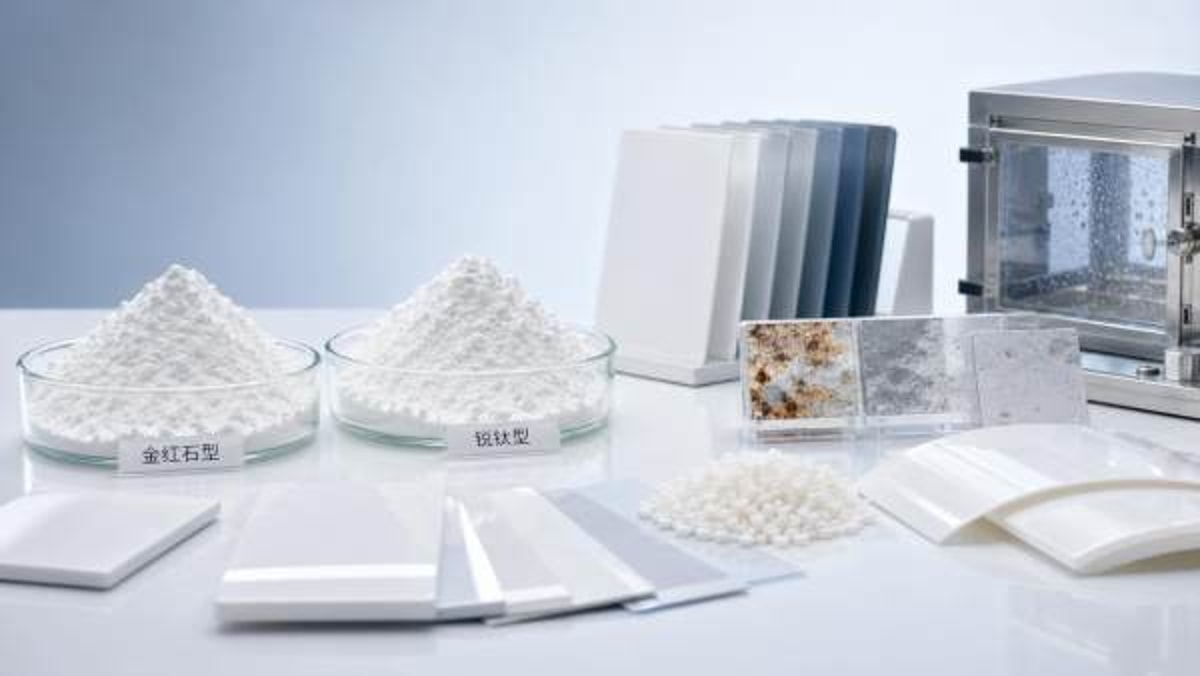
When product performance, regulatory compliance, and procurement risk all hinge on pigment selection, the choice between rutile and anatase becomes a strategic decision. For buyers evaluating titanium dioxide rutile grade, understanding differences in durability, opacity, weather resistance, and industrial fit is essential. This article examines both crystal forms to help enterprise decision-makers secure consistent quality, application efficiency, and long-term supply confidence.
Why the rutile-versus-anatase decision has become more strategic
The market is no longer treating titanium dioxide selection as a routine formulation step. Across coatings, plastics, paper, inks, construction materials, and regulated downstream manufacturing, procurement teams are facing tighter quality tolerances, greater supplier scrutiny, and stronger pressure to reduce lifecycle risk. In that environment, the comparison between rutile and anatase is not just technical; it is commercial, operational, and reputational.
One clear trend is that more enterprise buyers are prioritizing consistency over nominal unit price. A low-cost pigment that creates instability in brightness, weatherability, or process behavior can generate far larger costs later through customer complaints, reformulation cycles, waste, or shorter product service life. That is why searches for titanium dioxide rutile grade increasingly reflect a broader concern: buyers want reliable performance under real industrial conditions, not just a basic specification sheet.
Another change is the growing importance of compliance-linked sourcing. As global supply chains face more environmental review, product stewardship checks, and audit requirements, businesses want pigments with predictable industrial acceptance across multiple applications. Rutile often becomes central in those discussions because it is widely associated with stronger outdoor durability and broader premium-use suitability.
Key market signals shaping titanium dioxide selection
Several practical signals explain why titanium dioxide rutile grade is receiving more attention from decision-makers. These signals are visible across both industrial manufacturing and procurement strategy.
These shifts do not mean anatase is obsolete. Rather, they mean the cost of making the wrong selection has increased. Buyers now need a clearer understanding of where each crystal form fits and where performance compromises become commercially unacceptable.
What is driving the preference for titanium dioxide rutile grade in many sectors
The preference for titanium dioxide rutile grade in premium and exposed-use applications is rooted in a combination of performance, risk management, and downstream customer expectations.
First, weather resistance has become more commercially important. In exterior coatings, architectural finishes, plastic profiles, and industrial materials exposed to sunlight, UV stability is not optional. Rutile generally offers stronger resistance to photoreactivity than anatase, making it a better fit where color retention, chalking resistance, and material durability affect product reputation.
Second, opacity and brightness remain central to productivity. A well-selected titanium dioxide rutile grade can support efficient hiding power and desirable whiteness, helping manufacturers balance appearance with formulation economics. Where premium visual performance matters, buyers often see rutile as the safer route.
Third, industrial users are increasingly managing risk through standardization. If a company supplies into multiple regions or serves customers with different end-use environments, it may prefer a pigment solution that performs reliably across broader conditions. This is especially relevant for large organizations that want to simplify approvals, reduce reformulation work, and avoid fragmented procurement standards between plants.
Where anatase still fits and why the market has not eliminated it
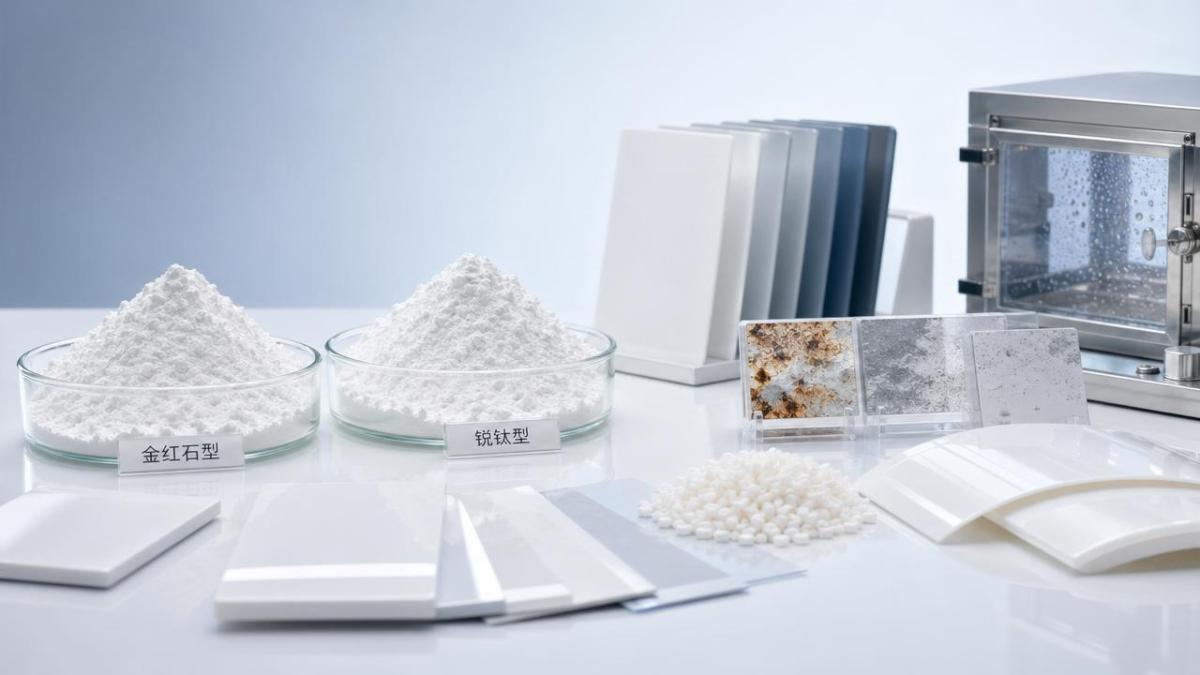
Although market attention often tilts toward titanium dioxide rutile grade, anatase remains relevant in applications where the exposure profile, performance expectations, and cost structure differ. Interior-use formulations, selected paper applications, certain inks, and use cases with lower weatherability demands may still justify anatase. In these scenarios, the decision is not about choosing the “best” pigment universally, but the most appropriate one for the intended performance window.
This distinction matters because many procurement problems begin when specifications migrate from one application to another without proper review. A pigment that works acceptably in a protected indoor environment may fail expectations in demanding outdoor or high-heat conditions. As product portfolios become more diversified, buyers should resist assuming interchangeability between anatase and rutile solely based on color or basic TiO2 content.
How changing requirements affect different business functions
The rutile-versus-anatase decision touches more than the laboratory. It affects how multiple business functions evaluate cost, quality, and risk.
For enterprise decision-makers, the main lesson is that pigment selection now has cross-functional consequences. Treating it as a narrow raw-material purchase can create blind spots that only surface after commercialization.
The quality questions buyers should now ask suppliers
As market scrutiny increases, buyers evaluating titanium dioxide rutile grade should update their qualification criteria. A generic certificate is no longer enough in many sectors. What matters is evidence that the material will perform consistently within the buyer’s process and end-use conditions.
Key questions include whether the supplier can demonstrate stable particle treatment, controlled brightness and tint performance, predictable dispersion behavior, and lot-to-lot consistency. Buyers should also examine how the producer handles traceability, non-conformance response, and changes in manufacturing conditions. If a supplier cannot communicate clearly about process discipline and application fit, that is a strategic warning sign.
For regulated or export-oriented businesses, supporting documentation also matters. Even where titanium dioxide itself is a familiar industrial material, procurement teams increasingly need structured information for customer audits, environmental review, and internal governance. Strong suppliers understand that quality is not only what is shipped, but what can be verified.
A practical decision framework for rutile versus anatase
Instead of framing the issue as a simple material comparison, companies should evaluate the decision through a staged business lens.
What signals to monitor over the next procurement cycle
Looking ahead, buyers should watch several signals. First is whether customer specifications are becoming stricter around outdoor durability, color retention, and product lifespan. If so, demand for titanium dioxide rutile grade is likely to remain resilient in value-sensitive segments. Second is whether supplier qualification standards continue to tighten, particularly in multinational manufacturing networks where centralized approval is replacing plant-level flexibility.
Third is the relationship between raw material pricing and reformulation pressure. In volatile input markets, some businesses are tempted to downgrade or substitute too aggressively. That may create short-term savings but weaken long-term quality performance. Decision-makers should therefore treat any proposed switch between rutile and anatase as a controlled strategic review, not a quick cost correction.
Finally, businesses should monitor how sustainability and product stewardship expectations evolve. Even when these changes do not directly ban a material choice, they often raise the bar for documentation, process cleanliness, and supplier accountability. In that context, the credibility of the supplier can become almost as important as the crystal form itself.
Strategic takeaway for enterprise buyers
The main industry shift is clear: titanium dioxide selection is moving from a commodity decision toward a performance-risk decision. Anatase still has a place where exposure conditions and quality demands are moderate, but in many premium, durable, or compliance-sensitive applications, titanium dioxide rutile grade aligns more closely with today’s market expectations. The question is no longer simply which pigment is cheaper, but which option protects consistency, customer confidence, and procurement resilience.
If your business is reassessing pigment strategy, focus on a small set of high-impact questions: What conditions will the end product actually face? What level of appearance and durability does the market now expect? Can your current supplier prove stable quality and traceability? And if a lower-cost option fails, what is the real operational and commercial cost? Those are the questions that turn a routine buying decision into a durable competitive advantage.
Related Intelligence
- Natural IngredientsIndonesia BPOM Updates Natural Ingredients Labeling RulesIndonesia BPOM updates natural ingredients labeling rules: New Microbial Tolerance Statement required for plant, enzyme & prebiotic powders by Oct 2026 — act now to avoid customs delays.
- Natural IngredientsCosmetic raw materials bulk: what causes shade variationCosmetic raw materials bulk shade variation can signal oxidation, source changes, or storage issues. Learn the key causes, QC risks, and smart controls to protect quality and avoid costly delays.
- Natural IngredientsFood additives manufacturer selection for stable repeat ordersFood additives manufacturer selection made practical: learn how distributors and agents can secure stable repeat orders through supplier fit, compliance strength, and reliable delivery.
The Morning Broadsheet
Daily chemical briefings, market shifts, and peer-reviewed summaries delivered to your terminal.
