

The Authority in Global Agricultural Chemistry & Bio-Resources
Bulk amino acids wholesale: purity issues that affect feed runs
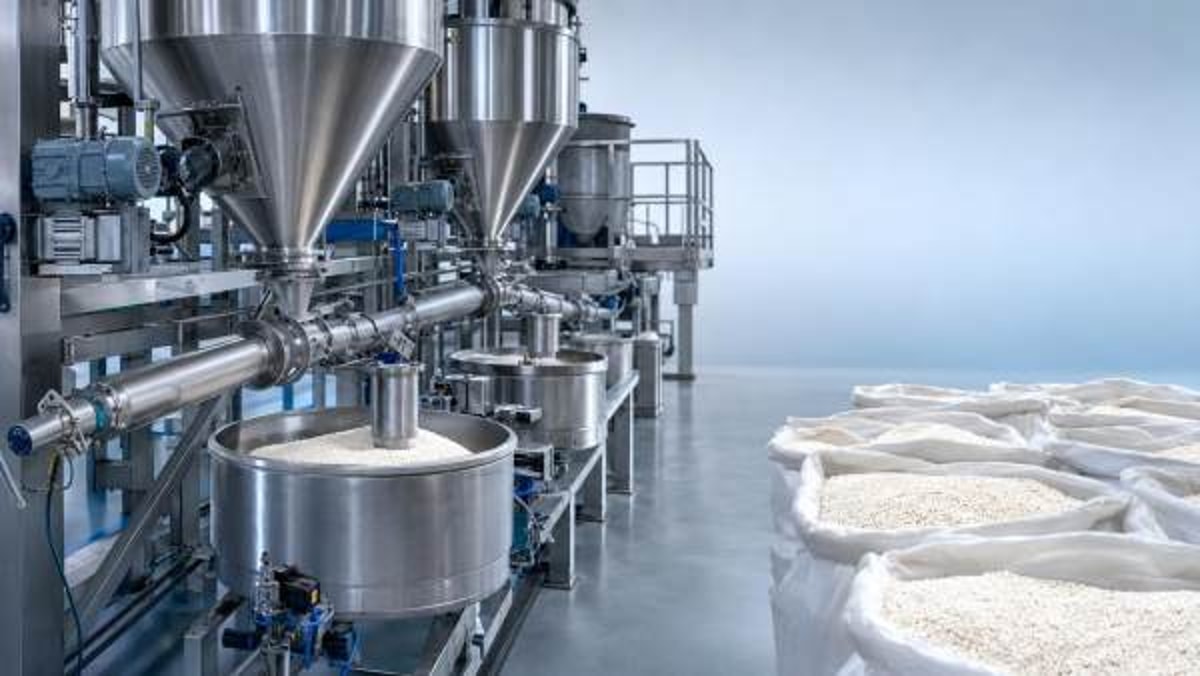
In bulk amino acids wholesale, purity is not just a specification—it directly affects feed consistency, equipment performance, and production efficiency. For plant operators and feed users, even minor impurity variations can disrupt runs, increase waste, and create quality risks downstream. Understanding how purity issues influence feed processing is essential for maintaining stable output and making better sourcing decisions.
Why purity problems in bulk amino acids wholesale show up on the production floor
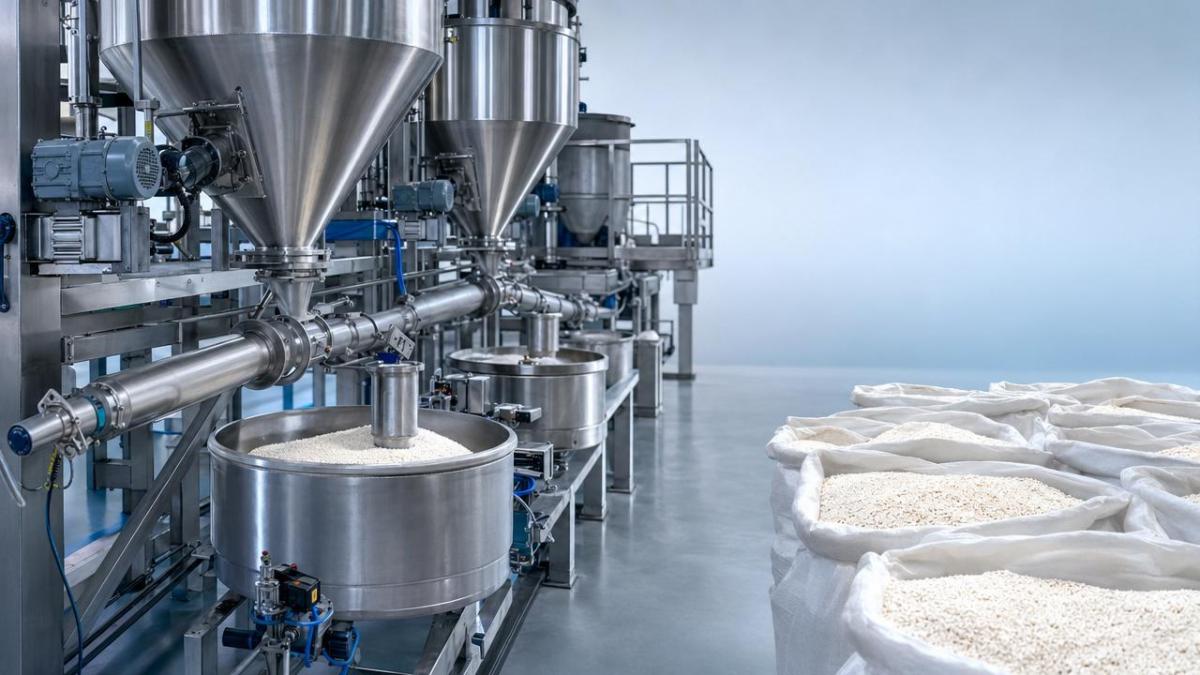
Operators usually notice purity issues before procurement teams do. A shipment may meet a basic assay target on paper, yet still behave differently in batching, conveying, mixing, pelleting, extrusion, or liquid application. In bulk amino acids wholesale, this gap often comes from the difference between headline purity and functional purity under real plant conditions.
For feed runs, amino acids such as lysine, methionine, threonine, tryptophan, and valine are not only nutritional inputs. They are also process materials with specific flow, moisture, density, and compatibility behavior. Residual salts, solvent traces, excess fines, variable particle size, and moisture drift can change how these ingredients move through hoppers and how uniformly they distribute in finished feed.
That is why buyers evaluating bulk amino acids wholesale should not rely on certificate values alone. They need a broader operating view that connects purity to downtime, cleanout frequency, feeder accuracy, formulation stability, and animal performance consistency.
- High assay with poor particle uniformity can still create segregation during transport and dosing.
- Low moisture variation may look minor in the lab but can trigger caking in humid storage areas.
- Impurities that are chemically acceptable in broad terms may still affect odor, corrosion risk, or equipment residue.
What “purity” should mean in practical feed processing
In practical terms, purity should be read as a package of characteristics: active amino acid content, by-product profile, insoluble matter, moisture level, flowability, particle size distribution, and storage stability. A material that performs well in a pharmaceutical-style small batch test may still create challenges in large-volume feed and grain processing where line speed and repeatability matter more than isolated lab conditions.
Which purity-related defects most often affect feed runs?
The most expensive purity problems are rarely dramatic. They are small, repeated deviations that reduce line stability over weeks. In bulk amino acids wholesale, operators should watch for the following process-linked defects because each one can quietly increase cost per ton.
This table matters because bulk amino acids wholesale is often managed as a price-and-specification category. On the plant floor, however, each defect above can create hidden labor, maintenance, or rework costs that exceed the initial savings from a lower-priced lot.
How these defects affect specific unit operations
In intake and storage, moisture and fines determine whether the product bridges in silos or compacts in super sacks. During dosing, density shifts change feeder settings and can push micro-ingredient systems outside their normal calibration range. In mixing, non-uniform particles segregate more easily, especially when transfer distances are long. In pelleting or extrusion, excess residues may contribute to deposits and require more frequent cleaning.
These are not isolated technical details. For users and operators, they determine whether a feed line runs predictably across shifts, climates, and formulas.
How should buyers compare lots in bulk amino acids wholesale?
The best comparison method combines chemical specifications with operational checks. When evaluating bulk amino acids wholesale, procurement and production teams should review a lot as both a nutrient source and a process input. This reduces the common mistake of approving material that looks compliant but performs poorly during sustained runs.
A disciplined comparison framework helps teams avoid false economies. Two offers may list similar assay values, yet one lot may have better storage behavior, lower fines, and tighter density control. For a high-throughput feed plant, that difference can be operationally significant.
A practical decision sequence for operators and buyers
- Screen the basic nutritional specification and intended species or feed application.
- Check lot consistency, not only the latest certificate value.
- Review handling data: packaging type, moisture barrier, recommended storage life, and transport route.
- Ask production staff whether the material has caused bridging, dusting, or feeder drift before.
- Run a controlled trial on one line before approving larger bulk amino acids wholesale volumes.
What standards and compliance signals should not be ignored?
In international supply chains, purity assessment is tied to compliance, traceability, and documentation discipline. Operators may not negotiate contracts directly, but they are often the first to face the consequences of incomplete paperwork or poorly controlled raw material origin. For bulk amino acids wholesale, reliable sourcing usually includes transparent batch identification, manufacturing consistency, and documents aligned with the destination market.
- A complete certificate of analysis should match the actual lot and state key parameters relevant to feed processing.
- Traceability records should allow teams to connect incoming material to storage date, processing line, and finished feed batch.
- Statements regarding regulatory suitability should be consistent with the intended market and feed use category.
- Packaging and labeling should support safe handling, especially where dust control or moisture sensitivity is a concern.
AgriChem Chronicle follows these issues closely because feed and fine chemical supply chains increasingly intersect with global compliance expectations. Technical buyers benefit when editorial analysis covers both processing performance and trade-risk visibility rather than treating them as separate subjects.
Why documentation quality affects line reliability
A missing detail in origin, transit conditions, or lot variance can delay release, create extra testing, or force operators to use substitute inventory under time pressure. In many plants, emergency substitutions cause more inconsistency than the original material issue. Good documentation therefore supports uptime, not just compliance.
Cost, substitution, and the hidden price of low-purity lots
The lowest quoted price in bulk amino acids wholesale is not always the lowest delivered cost. Operators often see the difference through increased cleanout, slower startups, rejected batches, additive overuse, or extra inventory buffers. A cheaper lot can become expensive when its impurity profile forces conservative line speeds or repeated intervention.
This is why substitution decisions should be controlled. If one amino acid source is replaced with another grade or supplier, teams should reassess not only nutrient equivalence but also flow behavior, moisture sensitivity, and feeder response. A formulation match alone does not guarantee a processing match.
When substitution is reasonable
Substitution can make sense during shortages, seasonal freight disruption, or regional price spikes. However, it should be supported by a short qualification plan: confirm assay range, compare physical properties, trial the material on one line, and review whether the revised input changes pellet quality, liquid absorption, or premix uniformity.
Common mistakes users make when sourcing bulk amino acids wholesale
Mistake 1: Treating all purity claims as equivalent
Different suppliers may report purity using valid but not fully comparable methods or reporting conventions. Operators should make sure procurement understands whether the value refers to active content, dry basis, or another expression relevant to formulation.
Mistake 2: Ignoring handling behavior during approval
A material can pass a lab review but fail a plant review. Dustiness, compaction, and density variation are often missed until a line starts running at production speed. That is why small operational trials are valuable before committing to larger bulk amino acids wholesale contracts.
Mistake 3: Looking only at purchase price
The real metric is cost per stable ton produced, not cost per bag or per metric ton delivered. Hidden process losses usually accumulate quietly and are rarely visible in the original quote.
FAQ: practical questions about bulk amino acids wholesale
How do I know whether a purity issue is causing feeder instability?
Look for repeated recalibration, inconsistent discharge rate, bridging, or deviation between expected and actual inclusion. Then compare these events against lot changes, moisture readings, and density records. If the issue appears after a new batch arrival, raw material variation is a likely factor.
What should I ask a supplier before approving bulk amino acids wholesale?
Ask for lot-specific assay data, moisture limits, particle size information, bulk density range, recommended storage conditions, packaging details, and any impurity or residue statements relevant to feed use. Also ask how much lot-to-lot variation is normal and whether a trial quantity is available.
Are minor purity differences really important in large feed plants?
Yes, especially in high-throughput facilities or precise micro-dosing systems. Small differences can scale into measurable changes in line stops, carryover risk, dust load, and blend uniformity. The larger and faster the plant, the more visible these effects become.
How long should a qualification trial last?
A useful trial should cover more than one batch and, ideally, different shifts or environmental conditions. The purpose is to observe handling consistency over normal operations, not just initial startup behavior.
Why choose us for deeper sourcing and technical evaluation support?
AgriChem Chronicle supports industrial readers who need more than surface-level market commentary. Our strength is connecting raw material intelligence with process reality across feed and grain processing, fine chemicals, and broader primary industries. For teams assessing bulk amino acids wholesale, that means more actionable guidance on how specification language, compliance expectations, and plant-floor behavior fit together.
If you are reviewing new amino acid sources or troubleshooting unstable feed runs, you can contact us for focused editorial-commercial support around the issues that matter in practice:
- Parameter confirmation, including assay interpretation, moisture limits, and particle profile concerns.
- Supplier and lot comparison frameworks for bulk amino acids wholesale decisions.
- Application-oriented selection guidance for premix, mash feed, pelleted feed, and high-throughput processing lines.
- Discussion of delivery timing, storage risk, documentation readiness, and trial sample planning.
- Review of certification expectations, destination market compliance questions, and quotation communication priorities.
For operators, users, and procurement teams, better bulk amino acids wholesale outcomes start with clearer questions. If your current supply is causing caking, segregation, calibration drift, or inconsistent feed runs, a structured technical review can help isolate whether purity, physical properties, logistics, or documentation is the real bottleneck.
Related Intelligence
- Commercial Feed PelletIndia Launches Sunset Review on Anti-Dumping Duty for Chinese Feed PelletsIndia's sunset review of anti-dumping duty on Chinese feed pellets begins April 2026—key for exporters, importers & feed mills. Act now.
- Commercial Feed PelletFeed and grain processing technology trends that cut wasteFeed & Grain processing technology trends that cut waste: explore smarter drying, real-time sensors, predictive maintenance, and traceability to boost yield, compliance, and ROI.
- Commercial Feed PelletFeed and grain processing equipment downtime usually starts hereFeed & Grain processing equipment downtime often begins with small, overlooked warning signs. Learn the early fault points, hidden maintenance gaps, and practical fixes that help mills prevent costly shutdowns.
The Morning Broadsheet
Daily chemical briefings, market shifts, and peer-reviewed summaries delivered to your terminal.
