
Lion's mane mushroom powder: who is it best suited for in formulas?
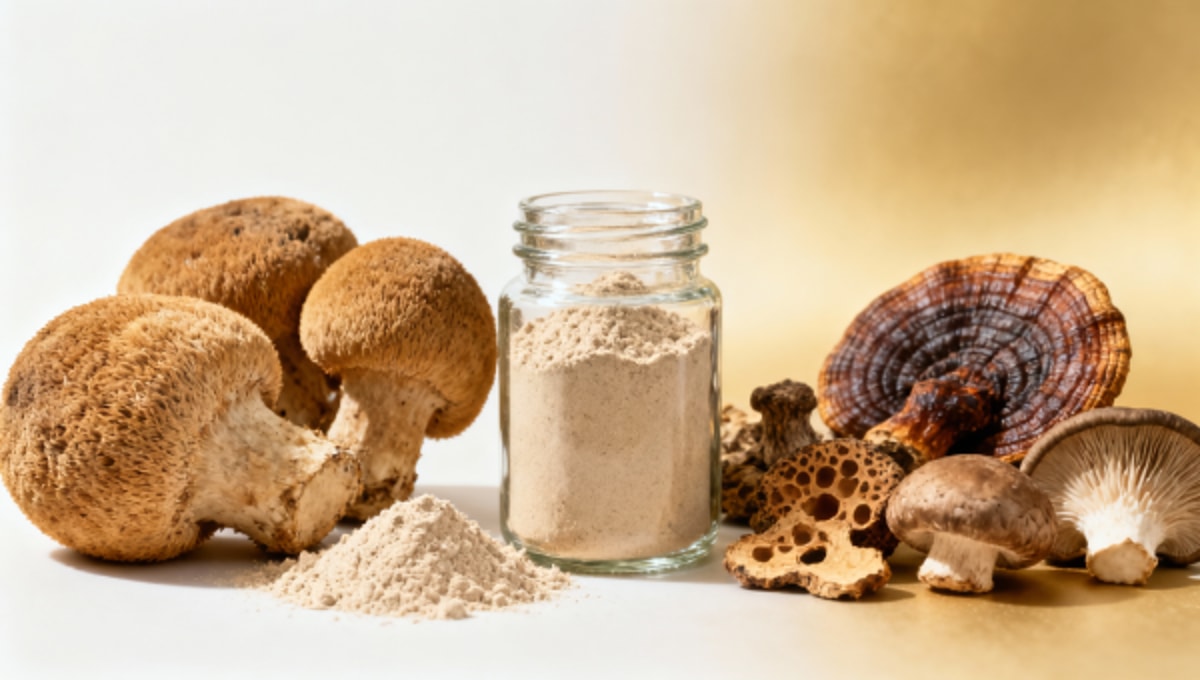
In formulation design, lion's mane mushroom powder is best suited for cognitive support blends, daily wellness products, and multi-ingredient functional formulas that require both market appeal and technical versatility. For buyers comparing maitake mushroom extract, shiitake mushroom powder, chaga mushroom extract, or reishi mushroom extract bulk, understanding fit-for-purpose use, stability, sourcing, and compliance is essential before moving from concept to commercial procurement.
For most commercial teams, the short answer is this: lion's mane mushroom powder is a strong fit when the goal is to build a formula around brain health positioning, everyday functional wellness, or a balanced mushroom blend with broad consumer acceptance. It is less ideal when a project requires highly concentrated marker compounds, very aggressive processing conditions, or a tightly defined single-claim therapeutic narrative. That distinction matters for R&D, procurement, quality, and commercial approval alike.
Who is lion's mane mushroom powder best suited for in formulas?
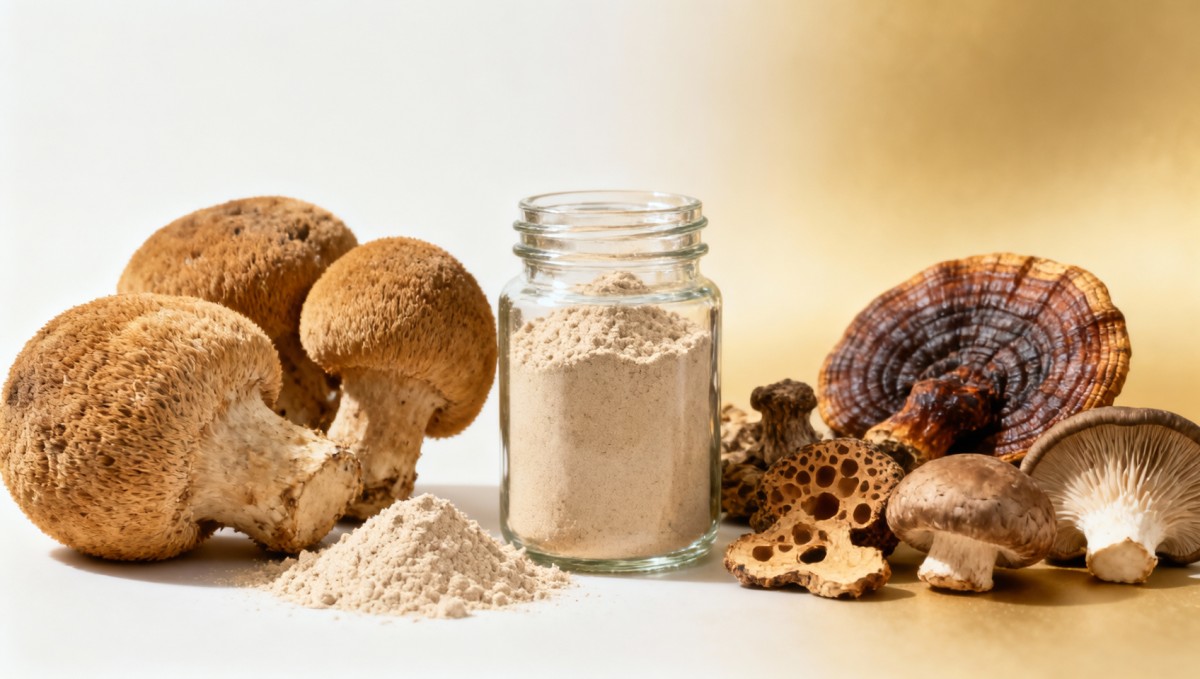
Lion's mane mushroom powder is generally best suited for five formulation contexts:
- Cognitive support products targeting focus, memory, clarity, or healthy aging.
- Daily wellness supplements positioned for broad, repeat-use consumer appeal.
- Functional beverage and powder blends where ingredient recognition helps marketability.
- Multi-mushroom formulations combining lion's mane with reishi, chaga, shiitake, or maitake.
- Moderately priced premium products that need a balance between perceived value and sourcing flexibility.
For technical evaluators, the main reason is not only its popularity. Lion's mane sits at the intersection of strong consumer familiarity, adaptable dosage formats, and versatile blend compatibility. That makes it commercially attractive across capsules, sachets, gummies, tablets, drink mixes, and nutrition-support formulas.
For procurement and management teams, its suitability improves when the project needs:
- an ingredient with established demand in the functional mushroom category,
- multiple sourcing pathways, including powder and extract options,
- cross-market positioning for wellness and nootropic-adjacent applications,
- room for line extensions or blended SKU development.
What search intent does this topic reflect, and what do professional buyers really need to know?
The core search intent behind this title is commercial and technical fit assessment. The reader is not simply asking what lion's mane is. They want to know whether lion's mane mushroom powder is the right ingredient for a formula, for which user groups it performs best, and how it compares with adjacent mushroom ingredients in a real product-development setting.
That means the most relevant concerns are usually:
- Application fit: Which product concepts benefit most from lion's mane?
- User suitability: Which end-user groups are the best commercial target?
- Technical practicality: How does the powder behave in blends and processing?
- Quality consistency: What specifications and raw material controls matter?
- Procurement risk: Can supply, documentation, and compliance support scale-up?
- Comparison logic: When should a buyer choose lion's mane over maitake mushroom extract, shiitake mushroom powder, chaga mushroom extract, or reishi mushroom extract bulk?
For this audience, broad educational material is less useful than decision-oriented guidance. What helps most is a practical framework linking formulation goals, end-user positioning, technical constraints, and sourcing standards.
Which end users and product categories are the strongest match?
From a formulation and market perspective, lion's mane mushroom powder is most suitable for end users seeking daily cognitive support and general functional wellness. This usually includes:
- working professionals looking for focus and routine mental performance support,
- students and knowledge workers using daily-use nootropic or productivity blends,
- older adults interested in healthy aging and brain wellness positioning,
- wellness consumers already familiar with mushrooms but not looking for highly medicinal positioning.
In product categories, the best fit is often:
- Capsules and tablets for standard daily supplementation,
- Functional drink powders paired with adaptogens, vitamins, or amino acids,
- Coffee alternatives and beverage enhancers where cognitive positioning supports premium branding,
- Mushroom complexes where lion's mane provides the lead story while other mushrooms broaden benefit perception.
It is often a weaker fit for formulas intended to emphasize a single dominant function such as immune-focused beta-glucan intensity, deep adaptogenic relaxation, or highly specific antioxidant claims. In those cases, another mushroom may deserve primary placement while lion's mane serves a supporting role.
When does lion's mane perform better than other mushroom ingredients?
Buyers frequently compare lion's mane with maitake mushroom extract, shiitake mushroom powder, chaga mushroom extract, and reishi mushroom extract bulk. The right choice depends on the product brief.
Choose lion's mane mushroom powder when:
- the main commercial angle is cognition, focus, memory support, or brain wellness,
- the product needs mainstream consumer recognition in the mushroom category,
- the formula should feel modern, premium, and easy to explain in marketing,
- the team wants flexible use across capsules, powders, and blend systems.
Maitake mushroom extract may be a better lead ingredient when:
- the formula is built around metabolic or immune-support positioning,
- standardized extract strength is more important than broad lifestyle branding.
Shiitake mushroom powder may fit better when:
- the concept leans toward food-based wellness or culinary-functional crossover,
- the formulation values familiarity and milder positioning over cognitive differentiation.
Chaga mushroom extract may be preferred when:
- antioxidant storytelling is central,
- the product targets premium botanical wellness audiences.
Reishi mushroom extract bulk may lead when:
- the formula focuses on stress balance, calm, or adaptogenic support,
- buyers need bulk volumes for established multi-market wellness SKUs.
In many successful products, the winning strategy is not either-or. Lion's mane often works best as the front-end market driver in a formula, while reishi, chaga, maitake, or shiitake contribute technical or positioning depth.
What should formulators and technical teams evaluate before selecting lion's mane mushroom powder?
Suitability is not only about health positioning. Technical teams should confirm whether lion's mane powder aligns with the intended dosage form, process, and shelf-life requirements.
Key checks include:
- Raw material type: fruiting body powder, mycelium-based material, or extract format.
- Particle size and flowability: important for capsule filling, tableting, and blend uniformity.
- Moisture and water activity: relevant to stability in powders and sensitive dosage systems.
- Organoleptic profile: taste, aroma, and color can affect beverage and gummy applications.
- Active-marker strategy: whether the product relies on broad whole-food positioning or standardized claims.
- Compatibility with co-ingredients: especially caffeine, botanicals, proteins, sweeteners, and premix systems.
For operators and formulators, lion's mane mushroom powder is attractive because it can fit many systems, but that does not mean all grades behave the same way. A powder suitable for capsules may not be ideal for ready-to-mix beverages. A material with acceptable sensory properties in a dark cocoa blend may be problematic in a light-flavored formula. Supplier samples and pilot validation remain essential.
What quality, compliance, and procurement risks should buyers watch?
For procurement teams and quality managers, the biggest mistakes usually occur at the specification and documentation stage, not at the concept stage. Because the mushroom ingredient market contains significant variation in raw material identity, cultivation substrate, extraction claims, and test methods, buyers should define acceptance criteria early.
At minimum, commercial evaluation should cover:
- Botanical and material identity verification
- Source transparency, including cultivation method and plant location
- Specification consistency across batches
- Microbiological compliance
- Heavy metals, pesticide, and contaminant controls
- Residual solvent status where extraction is involved
- Allergen and GMO statements where required
- Regulatory fit for destination markets
- CoA, SDS, TDS, and traceability documentation
For enterprise decision-makers, one practical question matters: Can this ingredient support repeatable commercial scale without creating hidden compliance or QA costs? A slightly lower-priced lion's mane powder may become expensive if it creates formulation inconsistency, documentation gaps, delayed approvals, or failed customer audits.
How should commercial teams decide whether lion's mane belongs in the final formula?
A useful decision framework is to test lion's mane mushroom powder against four filters:
- Market filter: Does cognitive support or brain wellness strengthen the product's selling proposition?
- Technical filter: Does the selected grade perform well in the intended dosage form and process?
- Supply filter: Can the supplier deliver consistent quality, documentation, and scalable volume?
- Financial filter: Does the ingredient improve perceived value enough to justify its cost contribution?
If the answer is yes across all four, lion's mane is likely a strong candidate. If one or two filters are weak, it may still work as a secondary ingredient rather than the hero component. If the formula needs stronger immune, antioxidant, or stress-support direction, comparative options such as maitake mushroom extract, chaga mushroom extract, shiitake mushroom powder, or reishi mushroom extract bulk may deserve greater emphasis.
Conclusion: where lion's mane mushroom powder creates the most value
Lion's mane mushroom powder is best suited for formulas that need a credible cognitive-wellness story, flexible application across delivery formats, and strong consumer recognition within the functional mushroom category. It is especially valuable in daily wellness products, focus-support blends, and multi-ingredient formulas designed for premium but scalable commercialization.
For professional buyers, the key is not to treat lion's mane as a trend ingredient alone. Its real value emerges when market positioning, formulation practicality, quality controls, and procurement reliability are aligned. Teams that evaluate those factors early can decide more clearly whether lion's mane should lead the formula, support other mushroom actives, or be replaced by a better-fit ingredient for the intended claim and business model.
In short, lion's mane mushroom powder is usually the right choice when the formula needs both commercial appeal and technical versatility—and when the sourcing and specification strategy is strong enough to support consistent performance from concept to scale.
Related Intelligence
- Natural IngredientsIndonesia BPOM Updates Label Rules for Natural Ingredients ImportsIndonesia BPOM updates natural ingredients label rules: heat-tolerance declarations required from Aug 2026. Stay compliant & avoid shipment delays.
- Natural IngredientsIndonesia BPOM Updates Natural Ingredients Labeling RulesIndonesia BPOM Updates Natural Ingredients Labeling Rules: New 'Microbial Tolerance Statement' required for natural pigments, plant powders & fermented extracts by Aug 1, 2026.
- Natural IngredientsIndonesia BPOM Updates Natural Ingredients Labeling RulesIndonesia BPOM updates natural ingredients labeling rules: New 'Microbial Tolerance Statement' required for plant powders, fermented extracts & peptides—act now to avoid customs delays.
The Morning Broadsheet
Daily chemical briefings, market shifts, and peer-reviewed summaries delivered to your terminal.
