
What to check before signing a cordyceps extract wholesale deal
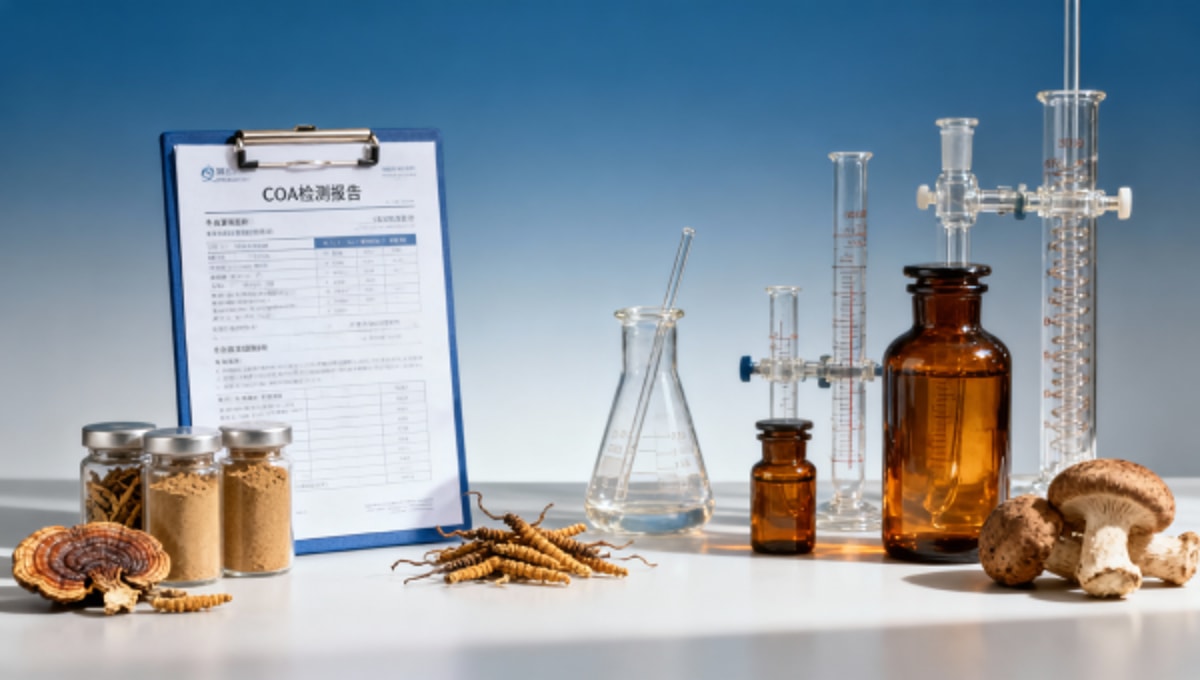
Before committing to a cordyceps extract wholesale agreement, buyers should verify far more than price. From potency data and traceability to GMP documentation and contaminant controls, every detail affects compliance, performance, and long-term supply security. For teams comparing cordyceps extract wholesale options alongside reishi mushroom extract bulk, chaga mushroom extract, or lion's mane mushroom powder, a disciplined pre-signing checklist helps reduce procurement risk and protect commercial value.
In most cases, the best wholesale deal is not the one with the lowest quote, but the one with the clearest technical specification, the strongest quality evidence, and the lowest downstream risk. If a supplier cannot prove identity, active-marker consistency, contaminant compliance, and batch traceability before contract signature, buyers should treat that as a material warning sign.
What should buyers verify first before signing a cordyceps extract wholesale contract?
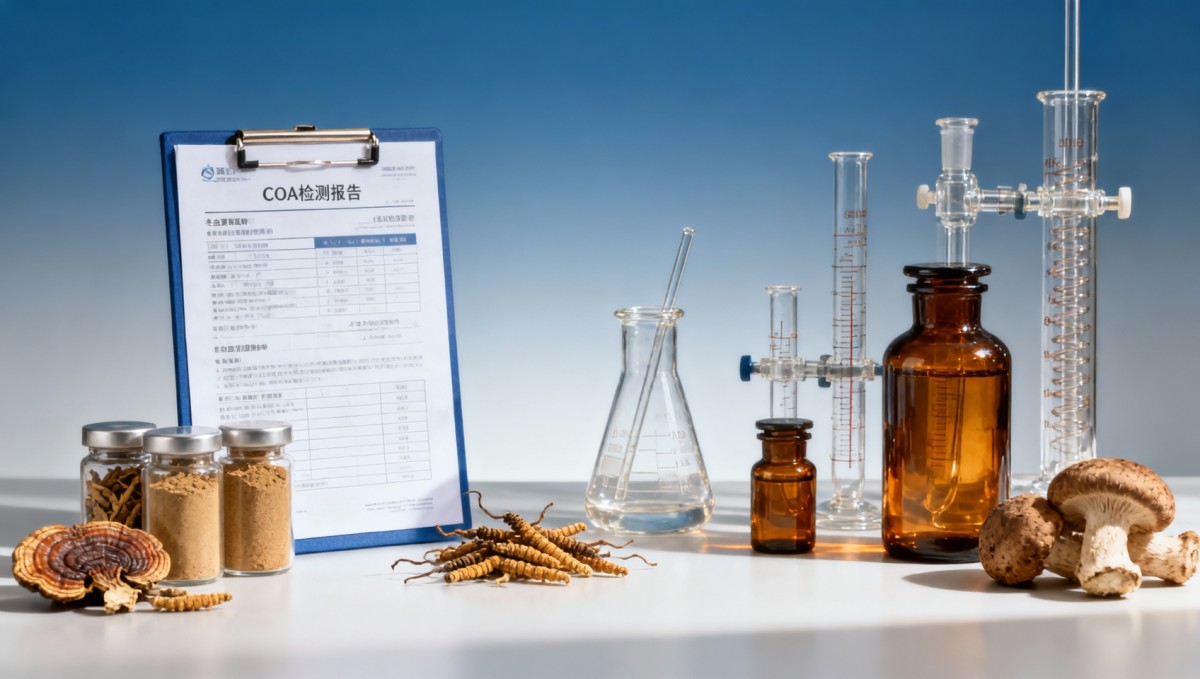
The first review should focus on whether the product being offered is clearly defined. Many procurement failures begin with vague descriptions such as “premium cordyceps extract” without enough detail to support regulatory, formulation, or commercial decisions.
Before signing, confirm these basics in writing:
- Raw material identity: Is the extract derived from Cordyceps sinensis, Cordyceps militaris, cultured mycelium, or fruiting body material?
- Extraction ratio: For example, 10:1 or 20:1, and whether that ratio is meaningful and consistently applied.
- Active marker specification: Such as cordycepin, adenosine, polysaccharides, beta-glucans, or other validated compounds.
- Test method: HPLC, UV, gravimetric, or other method used to support the claim.
- Physical form: Powder, spray-dried extract, granule, or customized blend.
- Application fit: Dietary supplement, food ingredient, nutraceutical blend, beverage system, or pharmaceutical-adjacent formulation.
If these points are not fixed before negotiation closes, commercial misunderstandings are likely. A product quote means very little unless the underlying specification is exact.
How do you evaluate whether the potency claim is real and commercially useful?
Potency is one of the most misunderstood parts of mushroom extract sourcing. A supplier may advertise a high extraction ratio or broad “polysaccharide” level, but those claims do not automatically translate into efficacy, formulation stability, or value.
Buyers should ask:
- Which compounds are guaranteed on the certificate of analysis?
- Are marker compounds relevant to the intended market and product positioning?
- Is the specification a minimum, a typical value, or a marketing average?
- Is third-party testing available for multiple production lots?
- Does the assay method match industry expectations?
For technical evaluators and quality teams, potency data should be reviewed batch by batch rather than accepted as a one-time sample claim. For procurement and finance teams, this matters because an extract with unstable active content may create hidden losses through overuse, reformulation, customer complaints, or failed label claims.
It is also important to compare extract economics on a normalized basis. A lower-cost material with weak active content may be more expensive in use than a higher-priced but more standardized extract. This applies not only to cordyceps extract wholesale deals, but also when benchmarking reishi mushroom extract bulk, chaga mushroom extract, and lion's mane mushroom powder suppliers.
What quality and compliance documents should always be checked before signature?
Before any wholesale agreement is signed, buyers should request a document package robust enough for internal approval, customer audit readiness, and future dispute resolution. At minimum, the supplier should be able to provide current versions of the following:
- Certificate of Analysis (COA) for recent production lots
- Specification sheet with microbiological, chemical, and physical standards
- Manufacturing flow chart or process summary
- GMP certification or equivalent quality-system evidence
- Allergen statement
- Residual solvent statement
- Heavy metals report
- Pesticide residue report, where relevant
- Microbiology test report including yeast, mold, pathogens, and total plate count
- Country of origin declaration
- Non-irradiation, non-GMO, or organic documents if required by the target market
- Safety data sheet (SDS) where applicable
For regulated channels, buyers may also need stability data, shelf-life justification, packaging validation, and statements on novel food or market access status. If the supplier delays, offers incomplete reports, or cannot align test methods with the product specification, that should influence both risk scoring and contract terms.
How important are traceability and raw material origin in cordyceps extract sourcing?
Traceability is no longer a secondary issue. It affects import clearance, recall readiness, customer confidence, and environmental or ethical scrutiny. In mushroom-derived ingredients, confusion can arise around species authenticity, cultivation method, and the use of grain-based substrate in mycelium products.
Buyers should verify:
- The exact botanical or fungal identity
- Whether the material is wild-harvested, cultivated, or fermentation-derived
- Which plant part or fungal biomass is actually used
- Whether carrier materials or excipients are added after extraction
- How each lot is linked to production and test records
This is especially important for teams managing product claims, premium branding, or export compliance. A traceable supply chain supports better due diligence and reduces the risk of receiving a product that is technically legal but commercially unsuitable for your market position.
Which contamination risks should procurement and QA teams review most carefully?
Contaminant control is one of the most practical checkpoints before deal signing. Mushroom extracts can concentrate not only desired compounds, but also unwanted residues depending on cultivation conditions, substrate quality, water, and processing controls.
High-priority checks include:
- Heavy metals: Lead, arsenic, cadmium, and mercury
- Microbiological safety: Salmonella, E. coli, yeast, mold, and total counts
- Pesticide residues: Especially for markets with tight maximum residue limits
- Residual solvents: If solvent extraction is used
- Adulteration or dilution risk: Starch, maltodextrin, undeclared fillers, or non-cordyceps material
For quality and safety managers, the key issue is not whether the supplier has a single passing report, but whether contaminant performance is consistently controlled across production lots. For commercial teams, contaminant risk translates directly into rejected shipments, product withdrawals, and damaged customer relationships.
What should be included in the commercial terms beyond unit price?
Price matters, but unit price alone rarely captures the true cost of a wholesale agreement. Buyers should review the full commercial structure before approving a supplier.
Key points include:
- Minimum order quantity and flexibility for pilot or scale-up orders
- Lead time under normal and peak-demand conditions
- Lot reservation or forecast commitment arrangements
- Packaging specification and moisture-protection standards
- Incoterms and freight responsibility
- Claims procedure for quality deviations or damaged goods
- Retention sample policy
- Refund, replacement, or compensation terms
- Validity period of quoted specification and price
For project managers and financial approvers, these details determine whether the deal supports stable operations. A cheaper supply contract can become expensive very quickly if lead times are unreliable or non-conforming lots are difficult to dispute.
How can buyers assess whether the supplier is capable of long-term partnership?
A cordyceps extract wholesale contract should support continuity, not just a single shipment. Buyers should therefore evaluate the supplier’s operational maturity, not only the current sample quality.
Useful questions include:
- Can the supplier handle volume growth without changing quality?
- Do they maintain consistent batch records and release standards?
- Are they experienced with your target export markets?
- Can they support audits, technical questionnaires, and customer documentation requests?
- Do they communicate clearly when specifications, origin, or process parameters change?
It is also wise to request production history, major market references where appropriate, and evidence of quality-system discipline. A supplier that is technically capable but commercially disorganized may still create risk for procurement, planning, and customer service teams.
What are the most common red flags before signing?
Several warning signs appear repeatedly in problematic ingredient deals. Buyers should slow down or escalate internal review when they encounter the following:
- Unclear distinction between mycelium, fruiting body, and biomass material
- Marketing-heavy claims with weak supporting test data
- COAs that do not match the offered lot or current production date
- Inconsistent answers on extraction method or active markers
- Missing contaminant data
- Extreme price deviations from the market without a clear technical reason
- Refusal to define dispute resolution and replacement terms in writing
- Vague traceability or origin documentation
These issues do not always mean the supplier is unacceptable, but they do mean the burden of proof should increase before any purchase commitment is made.
A practical pre-signing checklist for internal approval teams
For companies that need sign-off from technical, procurement, compliance, and finance stakeholders, a structured checklist improves both speed and decision quality. Before approving a wholesale agreement, confirm that the team has validated:
- The exact cordyceps extract specification and intended use
- Batch-level potency data with clear test methodology
- Contaminant reports meeting target-market standards
- GMP or equivalent manufacturing-system evidence
- Traceability from raw material to released lot
- Packaging, shelf life, and storage conditions
- Commercial terms covering lead time, claims, and replacements
- Supplier capacity for repeat orders and scale
- Regulatory suitability for the destination market
- Total cost-in-use, not just quoted price per kilogram
This approach is equally useful when comparing adjacent mushroom ingredients. Teams sourcing reishi mushroom extract bulk, chaga mushroom extract, or lion's mane mushroom powder can use the same framework to improve supplier comparisons and reduce avoidable risk.
Conclusion: sign only when specification clarity and supply confidence are both in place
The most important thing to check before signing a cordyceps extract wholesale deal is whether the supplier can prove, in documents and in practice, exactly what they are selling and how consistently they can deliver it. Potency, contamination control, GMP discipline, traceability, and commercial safeguards all matter more than an attractive headline price.
For procurement teams, technical evaluators, and business decision-makers, the strongest wholesale agreement is one that supports compliance, formulation performance, and supply continuity at the same time. If those elements are verified before signature, buyers are in a far better position to secure value rather than merely secure inventory.
Related Intelligence
- Botanical ExtractsANVISA New Rule: Botanical Extracts Import to Brazil Requires Two-Tier TraceabilityANVISA new rule mandates two-tier traceability for botanical extracts imported to Brazil — learn how it impacts Chinese exporters, compliance deadlines & AgroTrace integration.
- Botanical ExtractsANVISA New Rule: Botanical Extracts to Brazil Require Traceability to Tier-2 SuppliersANVISA new rule requires traceability for botanical extracts to Brazil — now covering tier-2 suppliers. Learn compliance steps, affected sectors & how to prepare before July 2026.
- Botanical ExtractsANVISA’s New Traceability Rule for Botanical Extracts Enters Force in BrazilANVISA’s new traceability rule for botanical extracts takes effect April 27, 2026—learn how it impacts exporters, importers & suppliers in Brazil.
The Morning Broadsheet
Daily chemical briefings, market shifts, and peer-reviewed summaries delivered to your terminal.
