
ANVISA New Rule: Botanical Extracts Import to Brazil Requires Two-Tier Traceability
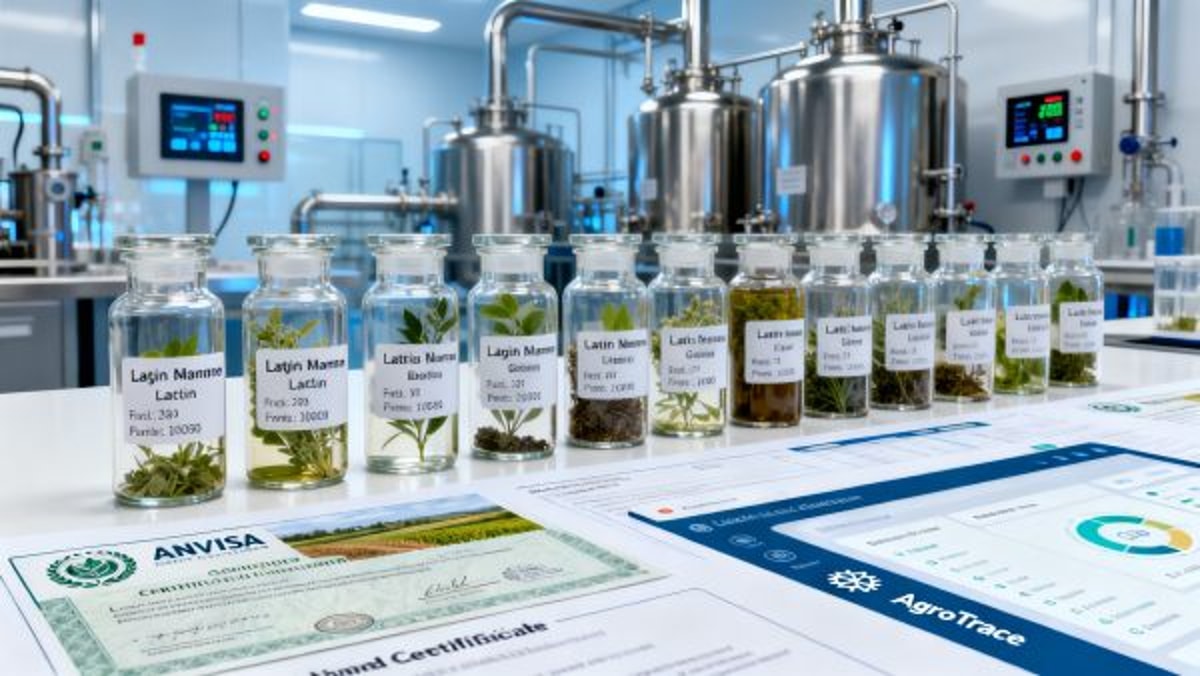
On April 29, 2026, Brazil’s National Health Surveillance Agency (ANVISA) issued Portaria RDC No. 38/2026, mandating two-tier raw material traceability for all botanical extracts imported into Brazil starting July 1, 2026. This requirement directly affects Chinese and other non-Brazilian manufacturers, exporters, and importers engaged in the botanical extract supply chain — particularly those supplying functional ingredients, dietary supplements, cosmetics, and natural health products to the Brazilian market.
Event Overview
ANVISA published Portaria RDC No. 38/2026 on April 29, 2026. The regulation takes effect on July 1, 2026. It requires that all botanical extract imports into Brazil be accompanied by documented traceability covering two tiers of the supply chain: from cultivation site (e.g., farm or wild harvest area) to extraction facility. Required documentation includes land ownership certificates, agricultural activity records, harvest batch numbers, and solvent usage declarations. Furthermore, Chinese botanical extract enterprises must be registered on a blockchain traceability platform recognized by ANVISA — such as AgroTrace — to obtain an import registration number.
Which Segments Are Affected
Direct Exporters & Trading Companies
These entities are responsible for customs clearance and regulatory compliance at the point of entry. Under the new rule, they must submit full two-tier traceability documentation with each shipment — not just supplier declarations or self-issued certificates. Failure to provide verified, platform-linked data will result in rejection of import registration applications.
Raw Material Sourcing & Procurement Firms
Firms sourcing herbs, roots, leaves, or other botanicals from farms or cooperatives — especially in China, India, or Latin America — must now ensure upstream partners maintain compliant records and integrate with ANVISA-recognized digital platforms. Land title verification and harvest-level batch tracking are no longer optional; they are prerequisites for downstream export eligibility.
Extraction & Manufacturing Facilities
Contract manufacturers and in-house extract producers must align internal quality systems to capture, store, and transmit tiered origin data. This includes documenting solvent types and usage conditions per batch — information previously managed internally but now required for regulatory submission. Facilities without digital traceability infrastructure may face delays in registration renewal or new product approval.
Supply Chain Technology Providers
Blockchain and traceability solution vendors serving botanical exporters must verify whether their platforms are formally recognized by ANVISA. Only integration with approved systems (e.g., AgroTrace) enables generation of audit-ready, tamper-evident traceability reports acceptable for import registration. Platform interoperability and data schema alignment with ANVISA’s technical specifications become critical differentiators.
What Relevant Enterprises or Practitioners Should Focus On — And How to Respond
Monitor official guidance on platform recognition criteria
ANVISA has named AgroTrace as an example, but has not yet published a formal list of pre-approved platforms or technical validation requirements. Enterprises should track updates from ANVISA’s official portal and consult qualified local regulatory representatives for interpretation of ‘recognition’ — e.g., whether self-hosted blockchain solutions or third-party integrations qualify.
Prioritize traceability readiness for high-volume or high-risk botanical categories
Not all botanical extracts face equal scrutiny. Those used in registered health products (e.g., standardized Ginkgo biloba, green tea, or passionflower extracts) are more likely to undergo document verification during registration. Enterprises should first map their top 5 export SKUs by volume/value and assess traceability gaps in their corresponding upstream supply chains.
Distinguish between policy signal and operational implementation
The rule is effective July 1, 2026, but enforcement timelines for document verification — including whether retrospective audits or transitional allowances apply — remain unconfirmed. Analysis shows ANVISA often introduces phased compliance windows for complex technical requirements. Current preparation should focus on system setup and documentation capacity, not assuming immediate retroactive validation.
Initiate cross-functional alignment between procurement, QA, and export teams
Two-tier traceability spans multiple departments: procurement manages farm contracts and land records; QA oversees harvest logs and solvent controls; export handles registration submissions. Enterprises should convene internal working groups now to standardize data collection templates, assign accountability, and pilot test documentation flows using sample batches ahead of the deadline.
Editorial Perspective / Industry Observation
Observably, this regulation signals a structural shift in ANVISA’s approach to natural product oversight — moving from end-product testing toward upstream process accountability. It is less a one-off compliance hurdle and more a foundational requirement for market access. From an industry perspective, it reflects growing convergence between food safety, phytosanitary control, and digital trust frameworks in regulated markets. Analysis suggests the rule functions primarily as a gatekeeping mechanism: it does not ban specific ingredients, but raises the operational threshold for participation in Brazil’s $1.2B botanical ingredient import market. Continued attention is warranted not only for its direct impact, but also as a potential precedent for similar requirements in Mercosur-aligned jurisdictions.
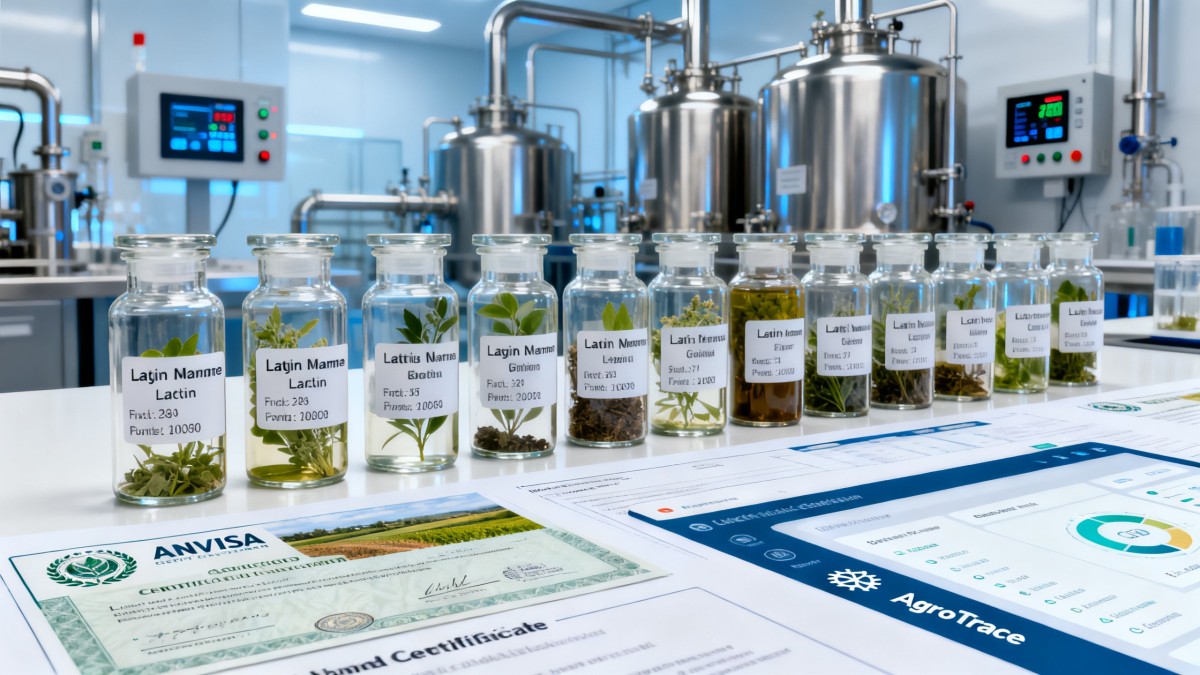
Conclusion: This regulation redefines baseline eligibility for exporting botanical extracts to Brazil — shifting traceability from a commercial differentiator to a mandatory, verifiable condition. It is best understood not as a temporary adjustment, but as an institutionalized component of Brazil’s regulatory infrastructure for natural health inputs. Enterprises should treat it as a systems-level upgrade, not a documentation add-on.
Information Sources: ANVISA Portaria RDC No. 38/2026 (published April 29, 2026); Official ANVISA regulatory notices portal; AgroTrace platform public documentation. Note: Recognition criteria for additional blockchain platforms beyond AgroTrace remain pending clarification and are subject to ongoing monitoring.
Related Intelligence
- Botanical ExtractsANVISA New Rule: Botanical Extracts Import to Brazil Requires Two-Tier TraceabilityANVISA new rule mandates two-tier traceability for botanical extracts imported to Brazil — learn how it impacts Chinese exporters, compliance deadlines & AgroTrace integration.
- Botanical ExtractsANVISA New Rule: Botanical Extracts to Brazil Require Traceability to Tier-2 SuppliersANVISA new rule requires traceability for botanical extracts to Brazil — now covering tier-2 suppliers. Learn compliance steps, affected sectors & how to prepare before July 2026.
- Botanical ExtractsANVISA’s New Traceability Rule for Botanical Extracts Enters Force in BrazilANVISA’s new traceability rule for botanical extracts takes effect April 27, 2026—learn how it impacts exporters, importers & suppliers in Brazil.
The Morning Broadsheet
Daily chemical briefings, market shifts, and peer-reviewed summaries delivered to your terminal.
