
Vietnam Enforces Smart Greenhouse Energy Labeling from May 1, 2026
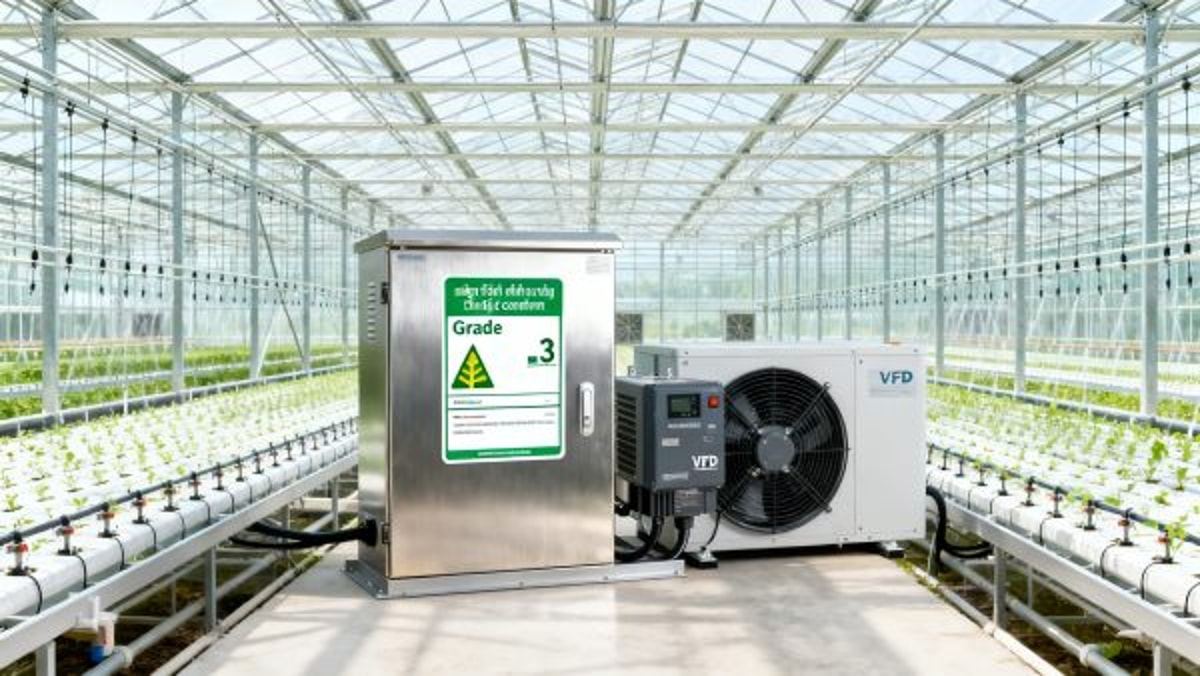
Vietnam’s new energy labeling requirement for smart greenhouse climate control components — effective May 1, 2026 — introduces mandatory compliance with QCVN 152:2026 for imported controllers, VFD fans, and environmental control hosts. This regulation directly impacts Chinese exporters of HVAC and precision agri-tech hardware targeting the Vietnamese agricultural modernization market, signaling a shift toward formalized energy performance verification in Southeast Asian agri-infrastructure procurement.
Event Overview
The Ministry of Agriculture and Rural Development of Vietnam (MARD) announced that, effective May 1, 2026, all imported smart greenhouse climate controllers, variable-frequency drive (VFD) fans, and environmental control hosts must comply with National Technical Regulation QCVN 152:2026 on energy efficiency and bear Vietnamese-language energy label markings (Grade 1–5). Chinese manufacturers failing to complete energy efficiency testing through a VILAS-accredited laboratory by April 30, 2026, will face cargo detention at Ho Chi Minh City Port starting May 1. The standard is mutually recognized with China’s GB/T 35776–2023; test reports issued under the Chinese standard are accepted for Vietnamese certification.
Industries Affected
Direct Exporters (China-based manufacturers)
Chinese firms exporting climate control units or integrated greenhouse automation systems to Vietnam are directly subject to labeling and certification requirements. Non-compliance results in port hold and potential shipment rejection. Impact manifests as delayed customs clearance, added testing costs, and possible contract renegotiation if delivery timelines are compromised.
Contract Manufacturers & ODM Suppliers
Suppliers producing under OEM/ODM arrangements for Vietnamese or multinational agri-tech brands must verify whether their products fall within the scope of QCVN 152:2026. Since labeling applies to finished units (not subcomponents), integration partners may need updated technical documentation and pre-shipment test reports to support downstream importers’ compliance filings.
Logistics & Customs Service Providers
Firms handling air or sea freight into Vietnam — especially those managing documentation for Ho Chi Minh City Port — must now verify inclusion of valid VILAS-issued energy test reports and correctly formatted Vietnamese energy labels prior to customs declaration. Absence of either may trigger inspection delays or classification disputes.
Agri-Tech Distributors & System Integrators (Vietnam-based)
Local distributors importing and reselling smart greenhouse hardware must ensure incoming shipments meet labeling and certification criteria before warehousing or installation. Failure to do so risks inventory immobilization and undermines tender eligibility for government-supported greenhouse modernization projects.
Key Actions for Affected Enterprises
Verify product scope against QCVN 152:2026 before April 30, 2026
Confirm whether exported units — including climate controllers, VFD fans, and central environmental control hosts — are explicitly covered. Note: standalone sensors, actuators, or non-climate-related hardware are not included per current MARD guidance.
Submit for VILAS-accredited testing using existing GB/T 35776–2023 reports
Leverage mutual recognition: laboratories accredited by VILAS can accept test data compliant with GB/T 35776–2023. No retesting is required if prior reports meet QCVN 152:2026’s measurement protocols and uncertainty thresholds.
Prepare Vietnamese-language energy labels for physical affixation
Labels must display energy grade (1–5), annual power consumption (kWh/year), and model-specific identifiers — all in Vietnamese. Digital or sticker-only formats are not accepted; permanent physical labeling on product housing or packaging is mandatory.
Update commercial invoices and packing lists to reference certification status
Customs declarations must include certificate numbers, VILAS lab ID, and report issuance date. Proactive alignment with Vietnamese import agents ensures smoother port clearance and avoids classification challenges during inspection.
Editorial Perspective / Industry Observation
Observably, this regulation marks Vietnam’s institutionalization of energy performance as a trade gatekeeping criterion for high-value agricultural infrastructure equipment — not merely an environmental initiative. Analysis shows it functions less as a technical barrier and more as a procedural checkpoint aligned with ASEAN-wide green trade trends. From an industry perspective, its immediate effect is administrative tightening rather than market exclusion, given the mutual recognition pathway with China’s national standard. Current implementation signals growing regulatory coordination between Vietnam and China on agri-tech interoperability — but also underscores rising due diligence expectations across cross-border B2B supply chains in controlled-environment agriculture.
It is better understood as a compliance milestone than a policy shock: enforcement begins May 1, 2026, with no grace period announced, yet the technical pathway (GB/T 35776–2023 equivalence) lowers entry friction for prepared exporters. Continued monitoring is warranted for any updates to VILAS lab accreditation status or interpretation of ‘smart greenhouse’ scope — both remain subject to official clarification.
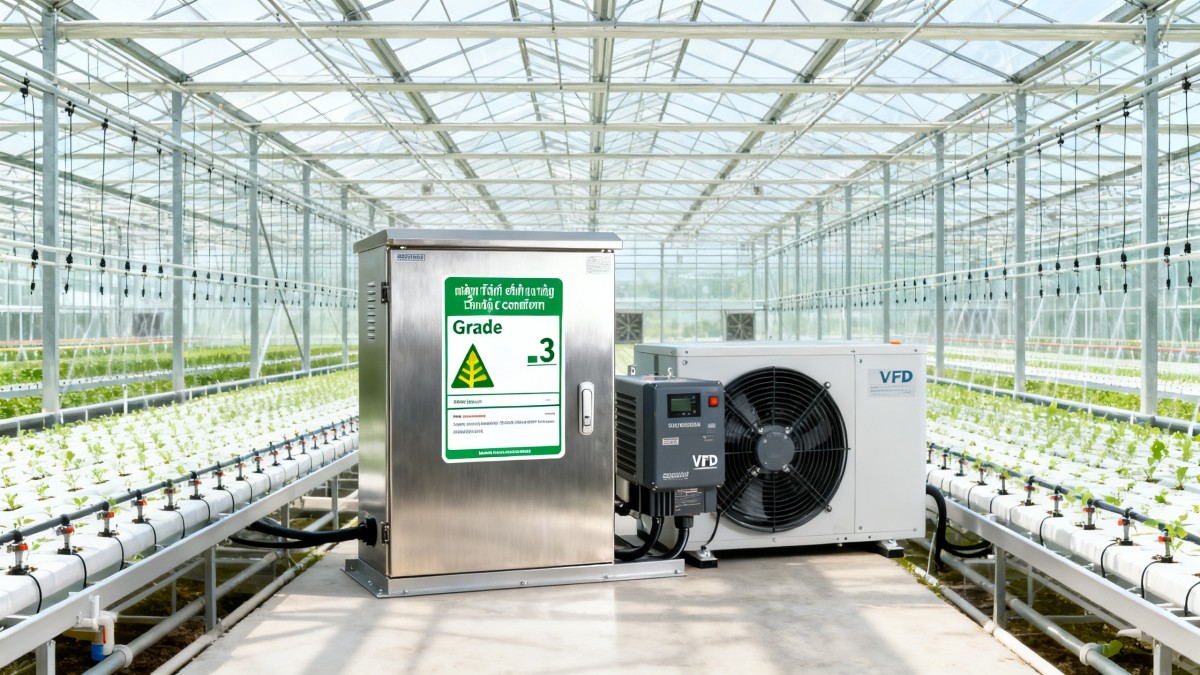
Conclusion: This regulation formalizes energy efficiency as a non-negotiable dimension of market access for climate control hardware in Vietnam’s rapidly expanding smart greenhouse sector. For stakeholders, it reinforces the strategic value of harmonized standards and pre-emptive certification alignment — particularly where bilateral technical agreements already exist. It is best interpreted not as a restrictive measure, but as an early indicator of how sustainability-linked conformity will increasingly shape agri-tech trade flows in ASEAN.
Source: Ministry of Agriculture and Rural Development of Vietnam (MARD), Official Notice No. [unspecified], dated March 2026; QCVN 152:2026 (National Technical Regulation on Energy Efficiency of Smart Greenhouse Climate Control Equipment); GB/T 35776–2023 (China National Standard for Energy Efficiency of Agricultural Environmental Control Equipment).
Notes for ongoing observation: Final list of VILAS-accredited laboratories for QCVN 152:2026 testing, and any subsequent MARD circulars clarifying scope or enforcement procedures, remain pending publication.
Related Intelligence
- Smart GreenhouseVietnam Enforces Smart Greenhouse Energy Labeling from May 1, 2026Vietnam enforces smart greenhouse energy labeling from May 1, 2026 — mandatory QCVN 152:2026 compliance for controllers, VFD fans & hosts. Act now to avoid port delays!
- Smart GreenhouseVietnam Tightens Energy Efficiency Rules for Smart Greenhouse Climate ControlsVietnam tightens energy efficiency rules for smart greenhouse climate controls—APF compliance, QUACERT certification, and May 1, 2026 deadline are now critical for exporters and integrators.
- Smart GreenhouseVietnam Tightens Energy Efficiency Rules for Smart Greenhouse ComponentsVietnam tightens energy efficiency rules for smart greenhouse components—IE3 compliance now mandatory for thermostats, VFD fans & controllers from May 1, 2026. Act now!
The Morning Broadsheet
Daily chemical briefings, market shifts, and peer-reviewed summaries delivered to your terminal.
