
Vietnam Tightens Energy Efficiency Rules for Smart Greenhouse Climate Controls
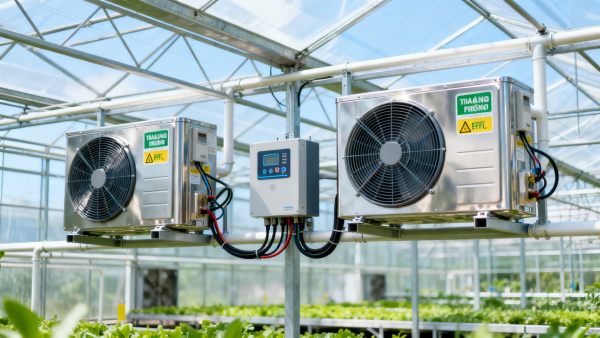
Vietnam’s Ministry of Agriculture and Rural Development (MARD) issued revised technical regulations for smart greenhouse equipment on April 28, 2026 — with enforcement beginning May 1, 2026. The update to QCVN 152:2026 directly affects exporters and suppliers of climate control components, especially those serving the horticulture technology, controlled-environment agriculture, and agricultural automation sectors.
Event Overview
On April 28, 2026, Vietnam’s Ministry of Agriculture and Rural Development (MARD) published an official notice amending QCVN 152:2026 — Technical Regulations on Energy Efficiency and Safety for Smart Greenhouse Equipment. The revision introduces stricter annual performance factor (APF) limits for temperature-control actuators, variable-frequency fans, and heat pump units. Effective May 1, 2026, all imported smart greenhouse systems must be accompanied by an energy efficiency conformity certificate issued by QUACERT, Vietnam’s national accreditation body.
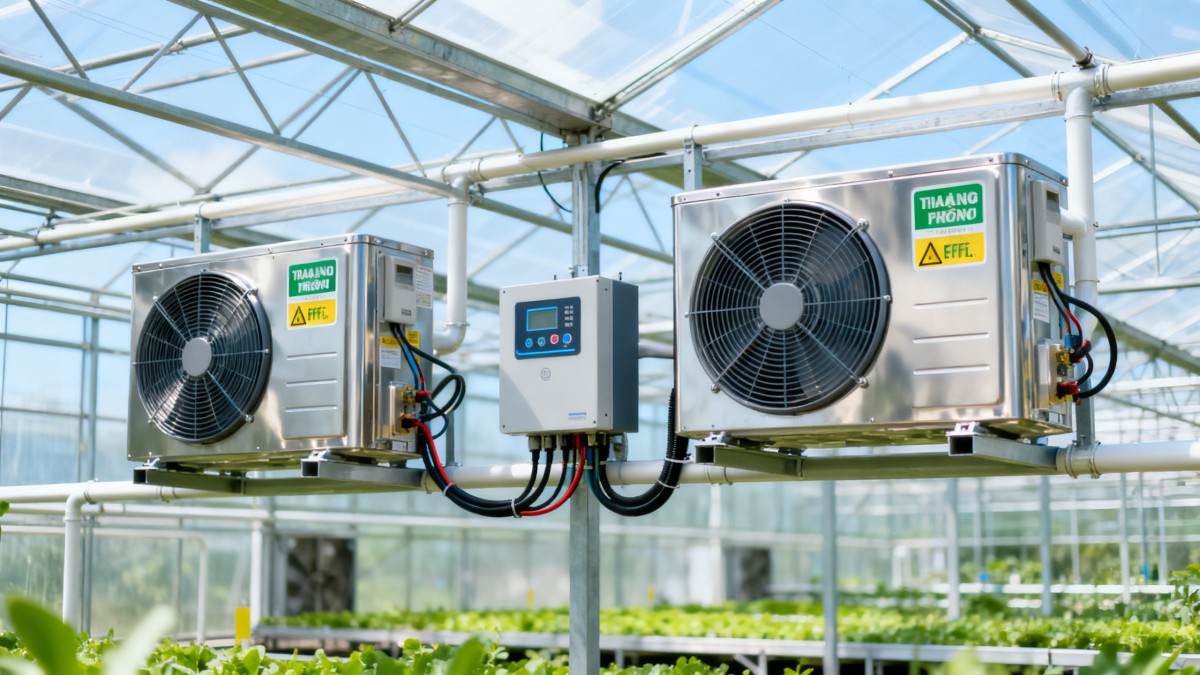
Industries Affected
Direct Exporters (China-based manufacturers of温控 modules)
Chinese manufacturers supplying temperature-control modules to Vietnamese smart greenhouse integrators face immediate compliance pressure. The new APF requirements may necessitate redesign or retesting of existing models, directly impacting unit cost and lead time. Export quotations and delivery schedules issued after May 1, 2026, must reflect certification readiness — not just product specification.
Supply Chain Service Providers (Testing & Certification Agencies)
Third-party testing labs and certification consultants supporting cross-border agricultural equipment exports are seeing rising demand for localized APF verification aligned with QUACERT protocols. As pre-market certification becomes mandatory, service providers with QUACERT-recognized lab partnerships gain operational advantage.
Smart Greenhouse System Integrators (Vietnam-based)
Local integrators importing full smart greenhouse packages — particularly those bundling thermal management subsystems — must now verify and document APF compliance at the component level before customs clearance. This adds a layer of technical due diligence previously handled informally or post-import.
What Enterprises and Practitioners Should Monitor and Do Now
Confirm QUACERT’s current list of accredited laboratories for APF testing
The regulation mandates QUACERT-issued certificates — but does not specify whether foreign test reports (e.g., from CNAS-accredited labs in China) will be accepted via mutual recognition. Enterprises should verify which labs are currently authorized to issue valid certificates for temperature-control actuators and heat pumps under QCVN 152:2026.
Review pending orders and shipping timelines against the May 1, 2026 deadline
Shipments scheduled for arrival in Vietnam on or after May 1, 2026 require full documentation, including test reports and QUACERT certificates. Orders already in production but lacking certified APF data may face customs delays or rejection — making it critical to assess inventory status and logistics windows now.
Distinguish between regulatory signal and enforceable requirement
The notice confirms the effective date and scope, but implementation guidance — such as transitional arrangements for legacy stock or phased enforcement for small-volume importers — has not yet been published. Enterprises should treat the May 1 date as binding for new shipments while monitoring MARD and QUACERT for supplementary notices over the next 30 days.
Editorial Perspective / Industry Observation
Observably, this amendment signals Vietnam’s shift from voluntary energy efficiency benchmarks toward enforceable, component-level compliance — mirroring trends seen in ASEAN’s broader agri-tech standardization efforts. Analysis shows that the focus on APF (rather than seasonal COP or nominal power) reflects a move toward real-world operational accountability, not just laboratory-rated performance. From an industry perspective, this is less a one-off policy change and more a structural indicator: future updates to QCVN 152 are likely to expand coverage to irrigation controllers, LED grow lights, and AI-driven climate logic modules. Current enforcement appears targeted and technically specific — meaning early adopters who align now gain both compliance headroom and competitive differentiation in tender processes.
Conclusion
This regulatory update marks a formal step toward performance-based market access for climate control hardware in Vietnam’s smart greenhouse sector. It does not represent a broad export barrier, but rather a precision calibration of technical entry criteria. For stakeholders, it is better understood as an operational checkpoint — not a strategic inflection point — requiring focused attention on documentation, lab alignment, and shipment timing, rather than wholesale product or business model revision.
Source Attribution
Main source: Official notice issued by the Ministry of Agriculture and Rural Development (MARD), Socialist Republic of Vietnam, dated April 28, 2026, amending QCVN 152:2026.
Points under ongoing observation: QUACERT’s updated list of accredited testing laboratories; any transitional provisions for consignments shipped before May 1 but arriving after; clarification on acceptance of international test reports under mutual recognition frameworks.
Related Intelligence
- Smart GreenhouseVietnam Tightens Energy Efficiency Rules for Smart Greenhouse Climate ControlsVietnam tightens energy efficiency rules for smart greenhouse climate controls—APF compliance, QUACERT certification, and May 1, 2026 deadline are now critical for exporters and integrators.
- Smart GreenhouseVietnam Tightens Energy Efficiency Rules for Smart Greenhouse ComponentsVietnam tightens energy efficiency rules for smart greenhouse components—IE3 compliance now mandatory for thermostats, VFD fans & controllers from May 1, 2026. Act now!
- Smart GreenhouseVietnam Tightens Energy Efficiency Rules for Smart Greenhouse ControlsVietnam tightens energy efficiency rules for smart greenhouse controls—QCVN 159:2026 Level 2 now mandatory from May 1, 2026. Act now to ensure compliance and market access.
The Morning Broadsheet
Daily chemical briefings, market shifts, and peer-reviewed summaries delivered to your terminal.
