
FDA Updates Cybersecurity Guidance for Aeration & Water Tech Devices
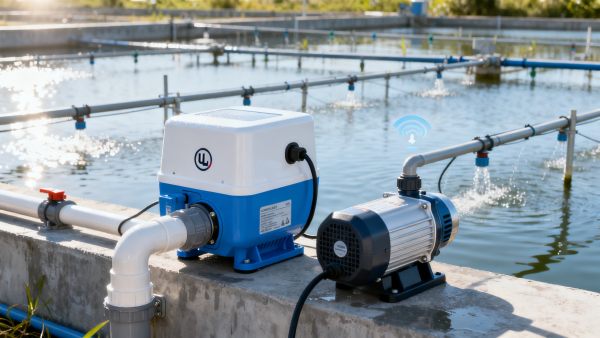
FDA issued new draft cybersecurity guidance on April 28, 2026, specifically targeting aquaculture and irrigation aeration devices — including smart aerators and OTA-capable irrigation pumps — marking the first time such equipment falls under FDA’s medical-device-level cybersecurity framework. Exporters of intelligent aeration systems to the U.S., especially manufacturers and trade firms in China, must now prepare for mandatory compliance beginning Q1 2027.
Event Overview
On April 28, 2026, the U.S. Food and Drug Administration (FDA) published the draft guidance titled Cybersecurity Guidance for Aquaculture and Irrigation Aeration Devices. The document explicitly includes aerators used in aquaculture and irrigation systems that feature remote control or over-the-air (OTA) software update capabilities. It requires affected devices to comply with UL 2900-2-1 cybersecurity standards and to submit a Software Bill of Materials (SBOM). Although currently issued as a draft, the FDA has stated the guidance is expected to become enforceable in Q1 2027.
Industries Affected
Direct Exporters and OEMs
Companies exporting smart aeration equipment from China to the U.S. are directly impacted because the guidance applies to products entering U.S. commerce. Compliance will affect market access: devices lacking UL 2900-2-1 certification and SBOM documentation may face delays or rejection during FDA review or customs clearance.
Contract Manufacturers and System Integrators
Firms assembling or integrating firmware-controlled aeration hardware — particularly those embedding OTA functionality or cloud-connected controllers — now bear shared responsibility for cybersecurity validation. Their design and testing workflows must align with UL 2900-2-1 requirements, affecting development timelines and third-party lab engagement.
Supply Chain and Component Suppliers
Suppliers of microcontrollers, wireless modules, or OTA update frameworks used in covered devices may face increased due diligence requests from OEMs. While not directly regulated, their components influence whether end products meet SBOM traceability and vulnerability disclosure expectations outlined in the guidance.
What Enterprises and Practitioners Should Monitor and Do Now
Track official status transitions and FDA feedback cycles
The draft is open for public comment; stakeholders should monitor FDA’s docket updates and any revisions prior to finalization. Formal comments submitted before the deadline may shape enforcement scope, especially regarding device classification thresholds (e.g., whether basic timer-based aerators fall under coverage).
Identify and prioritize high-risk product categories for pre-compliance assessment
Focus first on devices with remote configuration, cloud connectivity, or field-upgradable firmware — these are clearly within scope. Conduct internal gap analysis against UL 2900-2-1 clauses and SBOM generation capability, using existing firmware versions as baseline.
Distinguish policy signal from operational mandate
As a draft, the guidance does not yet impose legal obligations. However, its structure and timeline (Q1 2027 enforcement) indicate strong regulatory intent. Companies should treat it as a de facto roadmap — not optional guidance — especially when planning 2026–2027 product certifications and export schedules.
Initiate SBOM tooling and supplier coordination early
SBOM generation requires integration into build pipelines and coordination with component vendors for accurate dependency metadata. Begin evaluating SBOM authoring tools (e.g., Syft, CycloneDX generators) and drafting vendor questionnaires now, rather than waiting for final rule issuance.
Editorial Observation / Industry Perspective
Observably, this guidance signals FDA’s expanding interpretation of “cybersecurity-relevant medical device” beyond traditional healthcare settings — extending to agricultural and environmental technologies where safety-critical operation intersects with networked functionality. Analysis shows this is less about immediate enforcement and more about establishing precedent: FDA is methodically broadening its cybersecurity jurisdiction to cover digitally enabled physical infrastructure. From an industry standpoint, it reflects growing U.S. regulatory convergence between health, food safety, and environmental technology domains — particularly where remote operation could impact water quality, animal welfare, or ecological outcomes. Current relevance lies not in current compliance burden, but in the directional clarity it provides for R&D roadmaps and global market strategy.
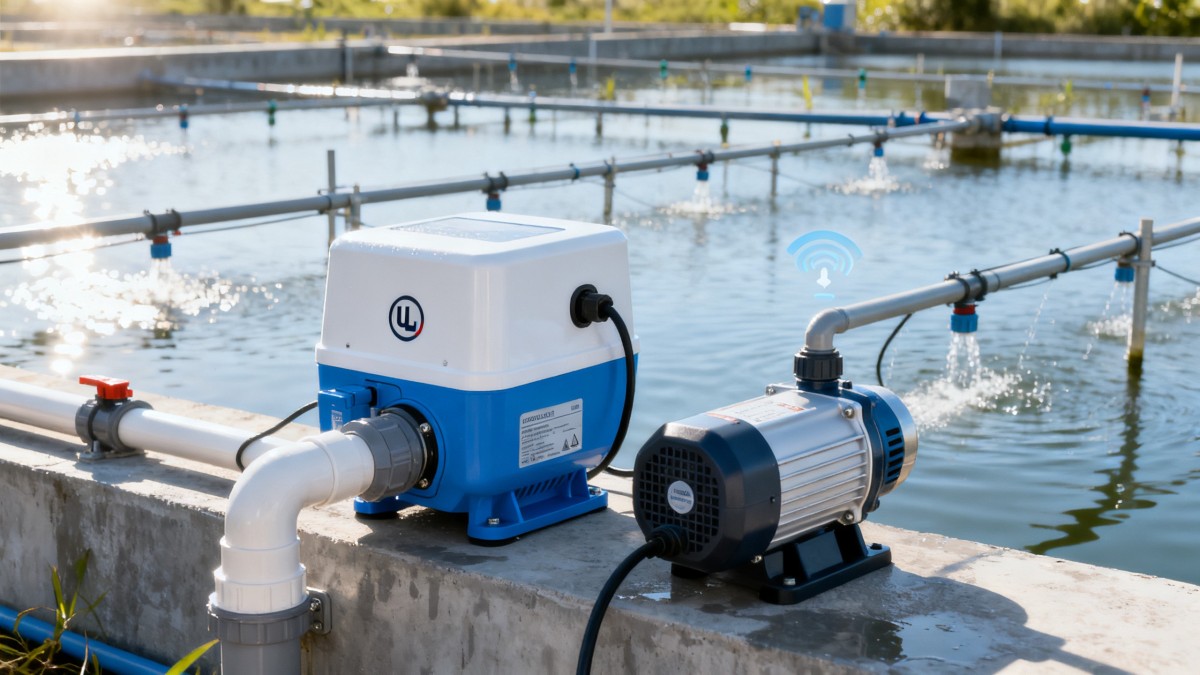
In summary, the FDA’s draft guidance represents a formal escalation in cybersecurity expectations for intelligent water aeration equipment exported to the U.S. It does not introduce new technical standards per se, but significantly raises the bar for documentation, validation, and supply chain transparency. For affected firms, the most rational interpretation is that this is a structured transition — not a sudden disruption — and proactive alignment with UL 2900-2-1 and SBOM practices now offers measurable advantage in timing, cost, and market readiness ahead of Q1 2027.
Source: U.S. Food and Drug Administration (FDA), Draft Guidance: Cybersecurity Guidance for Aquaculture and Irrigation Aeration Devices, issued April 28, 2026.
Note: Final enforcement date and scope remain subject to public comment and FDA revision; ongoing monitoring is advised.
Related Intelligence
- Aeration & Water TechAsia–Middle East Aeration & Water Tech Container Freight Up 18%Aeration & Water Tech container freight surges 18% on Asia–Middle East route—urgent implications for exporters, OEMs & forwarders. Act now.
- Aeration & Water TechFDA Updates Cybersecurity Guidance for Aeration & Water Tech DevicesFDA's new cybersecurity guidance for aeration & water tech devices mandates UL 2900-2-1 and SBOM compliance by Q1 2027 — act now to secure U.S. market access.
- Aeration & Water TechFDA Updates Cybersecurity Guidance for Aeration & Water Tech DevicesFDA’s new cybersecurity guidance for aeration & water tech devices mandates immediate compliance—secure firmware, audit logs & password controls required for U.S. market access.
The Morning Broadsheet
Daily chemical briefings, market shifts, and peer-reviewed summaries delivered to your terminal.
