
ANVISA New Rule: Botanical Extracts to Brazil Require Traceability to Tier-2 Suppliers
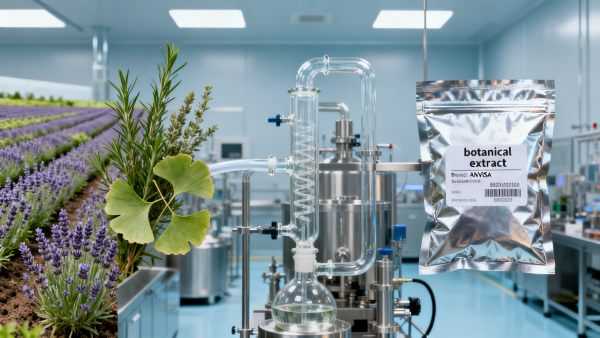
On April 28, 2026, Brazil’s National Health Surveillance Agency (ANVISA) issued Resolution RDC No. 45/2026, mandating full supply chain traceability for imported botanical extracts — extending disclosure requirements to second-tier suppliers (e.g., cultivation sites, harvesters, and primary processors). This development directly affects exporters, importers, and upstream suppliers of plant-based ingredients targeting the Brazilian market.
Event Overview
On April 28, 2026, ANVISA published RDC No. 45/2026, effective July 1, 2026. The regulation requires all importers of botanical extracts into Brazil to submit registration documentation that includes verifiable information on the origin of plant raw materials used in extraction — specifically naming the cultivation site, harvester, and primary processor (i.e., tier-2 suppliers). The rule applies to all botanical extracts intended for use in food supplements, cosmetics, and over-the-counter health products regulated by ANVISA.
Which Subsectors Are Affected
Direct Exporters & Importers
These entities are directly responsible for regulatory compliance during product registration. Under RDC No. 45/2026, they must now collect, verify, and submit documentation covering at least two tiers upstream — a structural shift from prior requirements focused mainly on the immediate supplier (tier-1). Impact manifests in increased administrative workload, longer registration timelines, and higher third-party verification costs.
Raw Material Sourcing Companies
Firms sourcing herbs or botanicals for extraction — especially those operating across multiple countries or working with smallholder farms — face new obligations to map and document their tier-2 partners. Without standardized records (e.g., harvest logs, land-use certifications), sourcing companies may be unable to support downstream registrants’ submissions, risking delayed or rejected registrations.
Extraction & Manufacturing Facilities
Manufacturers exporting botanical extracts must now ensure their own supply chain disclosures align with importer-submitted data. Discrepancies between facility-level records and importer filings could trigger ANVISA audits or suspension of registration. Internal traceability systems — previously informal or batch-based — now require formal linkage to geographic and operational identifiers of tier-2 actors.
Supply Chain Verification & Certification Providers
Third-party auditors and certification bodies (e.g., GACP certifiers) are seeing rising demand for on-site verification of tier-2 operations. The regulation effectively elevates Good Agricultural and Collection Practices (GACP) from a voluntary benchmark to a functional prerequisite for market access — particularly for Chinese and other non-Brazilian suppliers lacking local representation.
What Relevant Companies or Practitioners Should Focus On and How to Respond
Monitor Official Guidance and Implementation Clarifications
ANVISA has not yet published detailed technical guidance on acceptable formats for tier-2 documentation (e.g., whether digital farm registries or signed affidavits suffice). Companies should track updates via ANVISA’s official portal and registered industry bulletins, as interpretation details will significantly affect implementation feasibility.
Prioritize High-Volume or High-Risk Botanical Categories
Not all botanical extracts carry equal scrutiny. Those with known adulteration risks (e.g., Ginkgo biloba, Paullinia cupana [guarana], Uncaria tomentosa [cat’s claw]) or those sourced from regions with limited agricultural oversight are more likely to face early verification requests. Firms should triage their portfolio and allocate verification resources accordingly.
Distinguish Between Regulatory Signal and Operational Readiness
RDC No. 45/2026 is a binding regulation, but enforcement ramp-up is expected to be phased. Initial reviews may focus on new registrations rather than retroactive validation of existing ones. Still, preparing documentation for current active SKUs ahead of July 2026 reduces exposure to registration delays during peak filing periods.
Initiate Supplier Engagement and Documentation Alignment Now
Tier-2 suppliers — especially rural harvesters and small-scale processors — often lack formal recordkeeping. Exporters and importers should begin structured outreach: sharing standardized data templates, offering translation support where needed, and co-developing minimal viable documentation (e.g., geotagged harvest certificates, seasonal collection agreements). Early alignment mitigates last-minute bottlenecks.
Editorial Perspective / Industry Observation
Observably, RDC No. 45/2026 represents less an isolated compliance update and more a structural signal: ANVISA is shifting from end-product evaluation toward systemic supply chain governance. Analysis shows this mirrors broader global trends — such as the EU’s forthcoming ‘Green Claims Directive’ and US FDA’s intensified focus on foreign supplier verification — where traceability is no longer about risk mitigation alone, but about establishing verifiable stewardship across the value chain. From an industry perspective, this regulation is currently best understood as a threshold requirement — not yet fully enforced at scale, but functionally mandatory for any new market entry after July 2026. Its long-term significance lies in accelerating standardization pressure on upstream actors who previously operated outside formal quality frameworks.
Conclusion: RDC No. 45/2026 does not introduce novel safety standards for botanical extracts themselves, but it fundamentally redefines evidentiary expectations for market access. For affected businesses, its primary implication is procedural: successful entry now depends less on product testing and more on demonstrable, documented control over at least two layers of raw material provenance. It is more accurately interpreted as a supply chain transparency mandate than a product specification change — and one that favors organizations with embedded traceability infrastructure over those relying on reactive documentation.
Source: ANVISA Resolution RDC No. 45/2026, published April 28, 2026. Note: Technical annexes, implementation FAQs, and guidance on acceptable evidence formats remain pending and are subject to ongoing monitoring.
Related Intelligence
- Botanical ExtractsANVISA New Rule: Botanical Extracts to Brazil Require Traceability to Tier-2 SuppliersANVISA new rule requires traceability for botanical extracts to Brazil — now covering tier-2 suppliers. Learn compliance steps, affected sectors & how to prepare before July 2026.
- Botanical ExtractsANVISA’s New Traceability Rule for Botanical Extracts Enters Force in BrazilANVISA’s new traceability rule for botanical extracts takes effect April 27, 2026—learn how it impacts exporters, importers & suppliers in Brazil.
- Botanical ExtractsANVISA Extends Traceability for Botanical Extract Imports to Tier-2 SuppliersANVISA extends botanical extract traceability to tier-2 suppliers—key for Chinese exporters of herbal ingredients, supplements & cosmetics. Act now for July 2026 compliance.
The Morning Broadsheet
Daily chemical briefings, market shifts, and peer-reviewed summaries delivered to your terminal.
