
India Launches Mid-Term Anti-Dumping Review on Chinese Commercial Feed Pellets
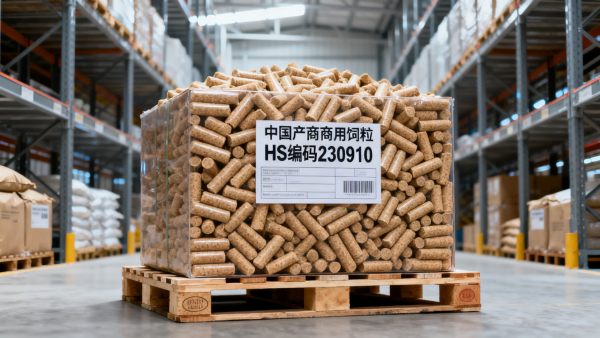
On April 28, 2026, India’s Directorate General of Trade Remedies (DGTR) initiated a mid-term anti-dumping review concerning commercial feed pellets (HS 230910) originating from China. This development directly affects exporters, feed manufacturers, and supply chain stakeholders engaged in animal nutrition products trade between China and India — a key market for agri-inputs in South Asia.
Event Overview
The DGTR, under India’s Ministry of Finance, issued a public notice on April 28, 2026, launching a mid-term review of the existing anti-dumping measures on commercial feed pellets classified under HS code 230910. The review targets export pricing, domestic production costs, and causal link to injury of the Indian domestic industry over the past three years. Twelve major Chinese exporting enterprises have been selected for sampling and issued questionnaires.
Industries Affected by Segment
Direct Exporting Enterprises
These are Chinese companies currently shipping commercial feed pellets to India. They face immediate procedural obligations: completing DGTR questionnaires by the stipulated deadline, substantiating export prices and cost structures, and preparing for potential adjustments to anti-dumping duty liability. The outcome will determine whether duties remain unchanged, increase, or decrease — directly impacting landed cost competitiveness in India starting Q3 2026.
Feed Manufacturing & Blending Facilities
Domestic producers of compound feed pellets in China — especially those supplying export-oriented batches — may experience upstream pressure on raw material procurement and cost documentation requirements. If DGTR findings lead to higher duties or stricter compliance thresholds, manufacturers may need to re-evaluate product costing models and traceability systems for Indian-bound shipments.
Raw Material Suppliers (e.g., soybean meal, fishmeal, vitamin premix providers)
Suppliers supporting pellet production may see indirect demand volatility. Should exporters scale back Indian shipments pending review outcomes — or shift sourcing to avoid tariff exposure — input demand patterns could shift temporarily. However, no direct regulatory obligation applies to upstream suppliers at this stage.
Logistics & Trade Compliance Service Providers
Firms offering customs advisory, anti-dumping filing support, or bonded warehousing for agri-exports may observe increased client inquiries related to questionnaire preparation, cost verification, and margin calculation methodologies. Their role shifts toward facilitating evidence-based responses aligned with DGTR’s technical requirements.
What Relevant Enterprises Should Monitor and Do Now
Track official DGTR timelines and submission deadlines
The questionnaire response window is time-bound. Companies must verify receipt of the DGTR notice, confirm sampling status, and calendar all internal and external deadlines — including extensions, if any. Late or incomplete submissions risk adverse facts being applied.
Prepare verifiable cost and pricing documentation for 2023–2025
DGTR’s focus is on three years of export transaction data and contemporaneous production cost records. Firms should consolidate invoices, bills of lading, internal cost accounting reports, and third-party verification (e.g., audited financials) — ensuring alignment across documents and consistency with prior anti-dumping filings, if applicable.
Distinguish between policy signal and operational impact
This is a review — not a new investigation. Current anti-dumping duties remain in force during the process. No quota system exists under Indian anti-dumping law; references to “export quotas” in the notice relate to administrative allocation of duty liability, not physical shipment limits. Businesses should avoid misinterpreting terminology when planning logistics or sales forecasts.
Initiate cross-functional coordination ahead of DGTR verification steps
If DGTR proceeds to verification (e.g., on-site visits or remote audits), readiness requires alignment among finance, production, export sales, and legal teams. Preemptive internal mock reviews — focused on traceability of export price formation and cost apportionment — can reduce exposure to inconsistencies.
Editorial Perspective / Industry Observation
Observably, this mid-term review functions primarily as a procedural checkpoint rather than an indication of imminent policy reversal or escalation. Analysis shows that DGTR commonly initiates such reviews every 12–18 months after imposition of definitive duties — often triggered by domestic industry petitions or routine monitoring. From an industry perspective, it signals continued scrutiny of China-sourced feed inputs in India’s evolving livestock feed market, where import substitution efforts remain active. It is better understood as a compliance inflection point than a market access crisis — yet one demanding timely, technically grounded engagement.
Current attention should focus less on speculation about duty rates and more on evidentiary rigor: how well firms can demonstrate transparent, arm’s-length pricing and defensible cost allocation. That capability increasingly defines resilience in regulated agri-trade corridors.
Concluding, this review underscores that anti-dumping compliance is now embedded in the operational rhythm of feed exports — not a one-off legal event. It reflects tightening procedural expectations in India’s trade remedy enforcement, particularly for standardized agri-industrial goods. For affected stakeholders, the appropriate stance is structured responsiveness: neither alarm nor inertia, but methodical preparation anchored in documented commercial reality.
Information Source: Directorate General of Trade Remedies (DGTR), Ministry of Finance, Government of India — Public Notice No. [to be confirmed], dated April 28, 2026. Note: Final review findings, duty adjustments, and implementation timelines remain pending and subject to ongoing DGTR proceedings.
Related Intelligence
- Commercial Feed PelletIndia Launches Mid-Term Anti-Dumping Review on Chinese Commercial Feed PelletsIndia's mid-term anti-dumping review on Chinese commercial feed pellets (HS 230910) impacts exporters, manufacturers & suppliers — act now to secure compliance and competitiveness.
- Commercial Feed PelletIndia Launches Anti-Dumping Review on Chinese Commercial Feed PelletsIndia's anti-dumping review on Chinese commercial feed pellets could extend the 18.3% duty—key for importers, feed mills & agri-supply chains. Act now.
- Commercial Feed PelletIndia Launches Mid-Term AD Review on Chinese Commercial Feed PelletsIndia's mid-term AD review on Chinese Commercial Feed Pellets impacts exporters, feed mills & importers—get actionable insights, HS code guidance, and duty-scenario planning now.
The Morning Broadsheet
Daily chemical briefings, market shifts, and peer-reviewed summaries delivered to your terminal.
