
APVMA Expands Enzyme Fast Track to Fermentation-Derived Food-Grade Enzymes
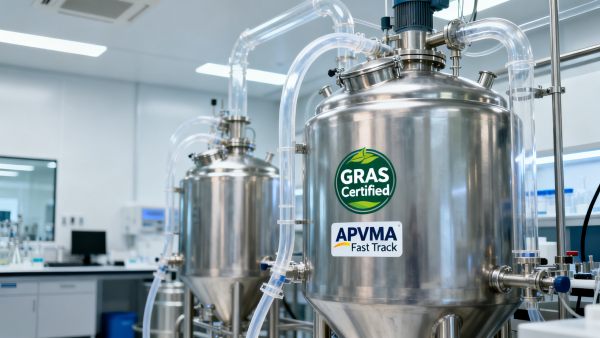
On 28 April 2026, the Australian Pesticides and Veterinary Medicines Authority (APVMA) updated its Enzyme Registration Fast Track Scheme, extending eligibility to all fermentation-derived food-grade enzymes with GRAS status—including glucose oxidase, xylanase, and phytase. The revised pathway reduces registration time from 12 to 4 months. This development is particularly relevant for feed additive manufacturers, baking ingredient suppliers, and contract enzyme producers targeting the Australian market.
Event Overview
On 28 April 2026, the APVMA published an update to its Enzyme Registration Fast Track Scheme. The revision explicitly includes fermentation-derived food-grade enzymes that hold U.S. FDA GRAS (Generally Recognized As Safe) status. Eligible enzymes include, but are not limited to, glucose oxidase, xylanase, and phytase. Under the updated scheme, registration processing time is reduced from 12 months to 4 months. The update is publicly available in APVMA’s official guidance documents and applies to new applications submitted on or after the effective date.
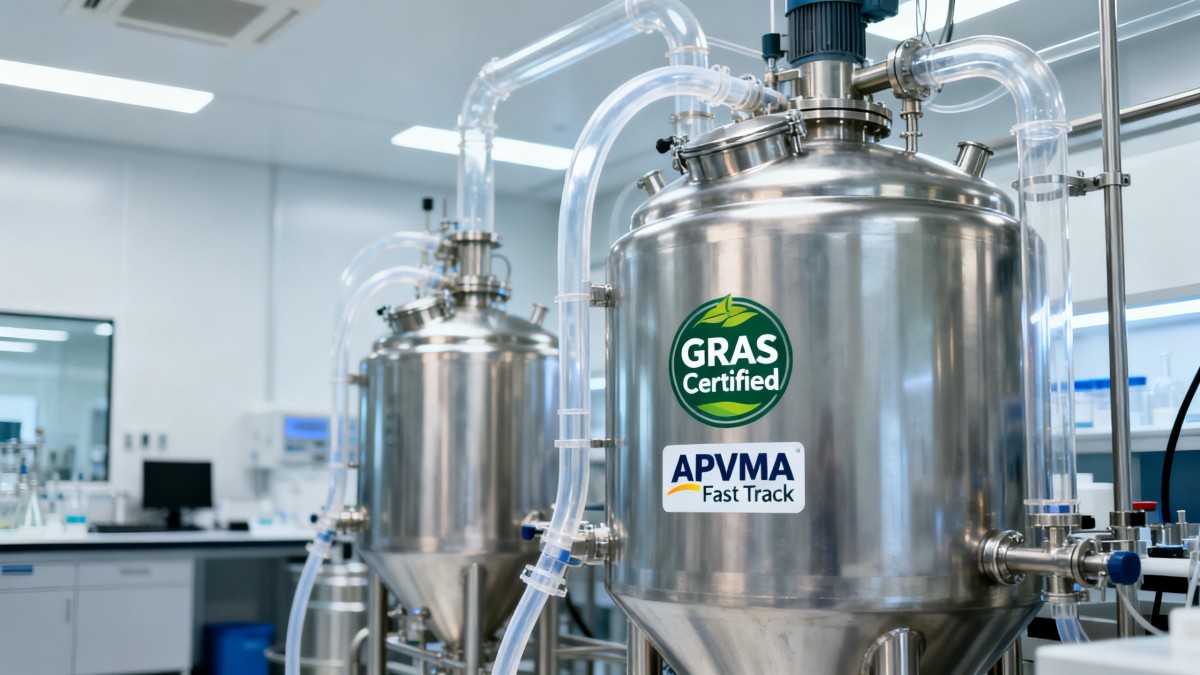
Industries Affected
Feed Additive Exporters
These companies supply enzyme-based solutions for animal nutrition—especially poultry, swine, and aquaculture feeds. The shortened registration timeline directly lowers time-to-market barriers for GRAS-certified fermentation enzymes entering Australia’s regulated feed sector. Impact manifests primarily in faster regulatory clearance, reduced pre-market investment risk, and improved competitiveness against locally registered alternatives.
Baking Ingredient Suppliers
Suppliers of functional bakery enzymes (e.g., xylanase for dough conditioning) face tighter compliance requirements in Australia’s food regulatory environment. Inclusion of fermentation-derived enzymes in the fast track enables quicker validation of technical claims and label approvals under the Australia New Zealand Food Standards Code. This affects product launch cycles and shelf-life planning for imported enzyme blends.
OEM Enzyme Manufacturing Facilities
OEM facilities certified to ISO 22000 or FSSC 22000—particularly those serving international clients—are positioned to benefit operationally. The fast track does not waive GMP or documentation requirements, but it prioritizes review for applicants with internationally recognized food safety certifications. Impact centers on enhanced tender responsiveness and stronger positioning in RFPs requiring rapid regulatory alignment.
Key Considerations and Recommended Actions
Monitor APVMA’s Official Implementation Guidance
The APVMA has not yet published detailed procedural notes on evidence submission formats for GRAS-supported fermentation enzymes. Companies should track updates via APVMA’s Enzyme Fast Track webpage and subscribe to its regulatory alerts, as minor documentation adjustments may affect initial application success rates.
Prioritize Enzymes with Dual GRAS + Feed-Use History
Glucose oxidase, xylanase, and phytase are explicitly cited—but their inclusion reflects existing commercial use patterns, not exhaustive coverage. Firms should assess whether their target enzymes have documented GRAS notifications *and* precedent in feed or food applications outside Australia, as this strengthens alignment with APVMA’s risk-assessment logic.
Distinguish Between Fast Track Eligibility and Market Access Readiness
Eligibility under the fast track does not guarantee automatic approval. Applicants must still meet Australia’s import conditions, including labeling compliance, importer licensing, and potential state-level food authority requirements (e.g., NSW Food Authority). Cross-functional coordination between regulatory affairs, logistics, and local distributors remains essential.
Validate Certification Scope Against APVMA’s Interpretation
ISO 22000 and FSSC 22000 certifications are noted as advantageous—but APVMA does not specify whether scope clauses (e.g., ‘fermentation-derived enzymes for feed use’) must explicitly match the applied enzyme category. Pre-submission consultation with APVMA or a licensed Australian regulatory agent is advisable to confirm certification acceptability.
Editorial Observation / Industry Perspective
Observably, this update signals APVMA’s intent to align enzyme regulation more closely with international food safety frameworks—notably U.S. GRAS—and to reduce administrative friction for low-risk, well-characterized biocatalysts. Analysis shows the change is procedural rather than substantive: it does not alter safety thresholds or data requirements, but accelerates review for applicants meeting predefined quality and transparency criteria. From an industry standpoint, it functions less as a policy shift and more as a targeted efficiency measure—one that rewards prior investment in globally accepted food safety systems. Continued attention is warranted, as APVMA may extend similar streamlining to other enzyme classes or introduce complementary pathways for non-GRAS but well-documented microbial enzymes.
Concluding, this update represents a tangible reduction in time-based regulatory friction for specific enzyme categories entering Australia—not a broad deregulation. It is best understood as a calibrated adjustment within an otherwise stable framework, emphasizing documentation quality and international recognition over novelty or innovation. For affected stakeholders, readiness hinges less on anticipation of further changes and more on precise alignment with current GRAS and certification expectations.
Source: Australian Pesticides and Veterinary Medicines Authority (APVMA), Enzyme Registration Fast Track Scheme update, effective 28 April 2026. Official guidance accessible via APVMA website. Note: Ongoing observation is recommended for supplementary implementation notes, particularly regarding GRAS evidence formatting and certification scope interpretation.
Related Intelligence
- Food Grade EnzymesAPVMA Expands Enzyme Fast Track to Fermentation-Derived Food-Grade EnzymesAPVMA’s Enzyme Fast Track now covers fermentation-derived food-grade enzymes like glucose oxidase & xylanase—register in just 4 months. Act now!
- Food Grade EnzymesAPVMA Expands Fast-Track for Food-Grade Fermentation Enzymes in AustraliaAPVMA fast-track for food-grade fermentation enzymes now covers proteases, amylases & lipases — cut registration to 90 days. Key update for Chinese exporters & Australian importers.
- Food Grade EnzymesAPVMA Expands Fast-Track for Food-Grade Enzymes to Fermentation-Derived EnzymesAPVMA fast-track for food-grade enzymes now covers fermentation-derived proteases, amylases & cellulases—90-day registration for feed & food exporters.
The Morning Broadsheet
Daily chemical briefings, market shifts, and peer-reviewed summaries delivered to your terminal.
