
Asia-Pacific to Middle East Aeration & Water Tech Container Rates Up 18%
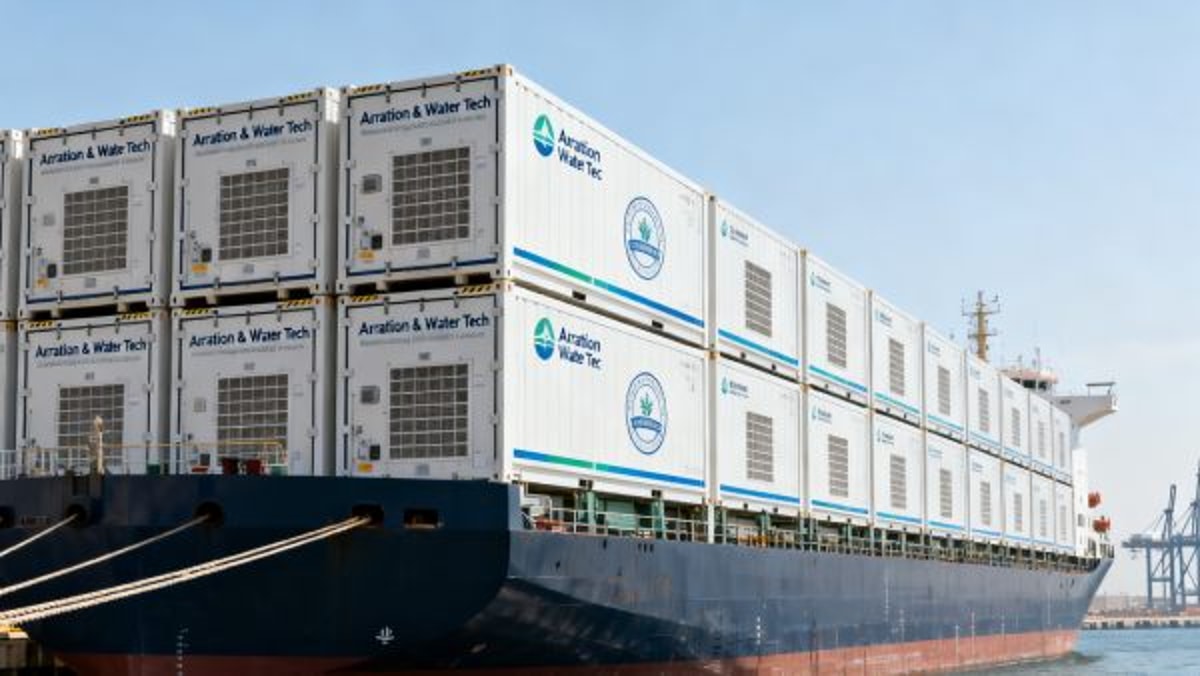
Global shipping alliances — including Maersk, CMA CGM, and Hapag-Lloyd — announced on April 29, 2026, a 18% freight rate increase for Aeration & Water Tech specialized temperature- and humidity-controlled containers on the Asia-Pacific to Middle East route, effective May 5, 2026. This adjustment directly impacts exporters and importers of high-value aquaculture RAS systems, smart greenhouse environmental control equipment, and related precision water-tech hardware — sectors where precise logistics conditions and cost predictability are critical. Stakeholders in controlled-environment agriculture, marine aquaculture infrastructure, and climate-resilient agri-tech supply chains should prioritize reviewing current shipment schedules and CIF pricing models.
Event Overview
On April 29, 2026, Maersk, CMA CGM, and Hapag-Lloyd jointly issued a public notice confirming an 18% surcharge on Aeration & Water Tech specialized container freight rates for the Asia-Pacific to Middle East trade lane, effective May 5, 2026. The notice attributes the adjustment to two confirmed factors: extended voyage durations due to Red Sea rerouting, and increased seasonal demand for oxygenation equipment imports into the Middle East during summer months.
Industries Affected
Direct Trading Enterprises
Exporters of RAS (Recirculating Aquaculture Systems) components and smart greenhouse climate-control units from Asia-Pacific face immediate upward pressure on CIF quotations. As the surcharge applies specifically to Aeration & Water Tech-certified containers — not standard dry or reefer units — price revisions must reflect both the tariff uplift and potential container availability constraints.
Manufacturing Firms with Integrated Logistics
Companies assembling aquaculture or hydroponic systems in China, Vietnam, or Thailand that rely on dedicated climate-controlled container transport for final shipments will see higher landed costs per unit. Delivery timelines may also extend if Aeration & Water Tech slots are prioritized for higher-margin consignments, affecting order fulfillment commitments.
Supply Chain Service Providers
Freight forwarders and NVOCCs handling specialized equipment shipments must now verify container certification status before quoting. Misclassifying cargo as standard reefer may result in rejection at origin or detention fees, increasing operational risk and documentation overhead.
What Relevant Enterprises Should Monitor and Do Now
Confirm vessel booking windows for April 2026 sailings
The advisory explicitly recommends that Middle Eastern buyers secure shipments under April 2026 vessel schedules to avoid the May 5 rate increase. Stakeholders should cross-check sailing dates against carrier cut-off deadlines and confirm container type allocation prior to bill-of-lading issuance.
Review contractual INCOTERMS for cost liability allocation
Contracts using CIF or CIP terms place freight cost responsibility on the seller. Parties operating under these terms must assess whether existing agreements allow for price adjustments tied to published carrier surcharges — or whether renegotiation is required ahead of May shipments.
Validate container specification compliance before tendering
Aeration & Water Tech containers require verified ventilation performance, moisture barrier integrity, and optional onboard monitoring capability. Shippers must ensure technical documentation aligns with carrier-specified certification criteria to prevent last-minute container substitution or service denial.
Editorial Observation / Industry Perspective
This rate adjustment is observably less a one-off cost correction and more a structural signal: it reflects tightening capacity in a narrow segment of the container fleet amid overlapping geopolitical and seasonal demand pressures. Analysis shows that while the 18% figure is specific to one equipment class and one corridor, it highlights growing vulnerability in time- and condition-sensitive tech logistics — particularly where alternative routing or container types are technically infeasible. From an industry standpoint, this is not yet a broad-based trend, but it warrants close tracking as other alliances may follow similar measures on routes with comparable constraints.
Current more suitable interpretation is that this represents an early-stage operational stress indicator — not a market-wide inflection point — but one requiring proactive response in affected verticals.
Conclusion
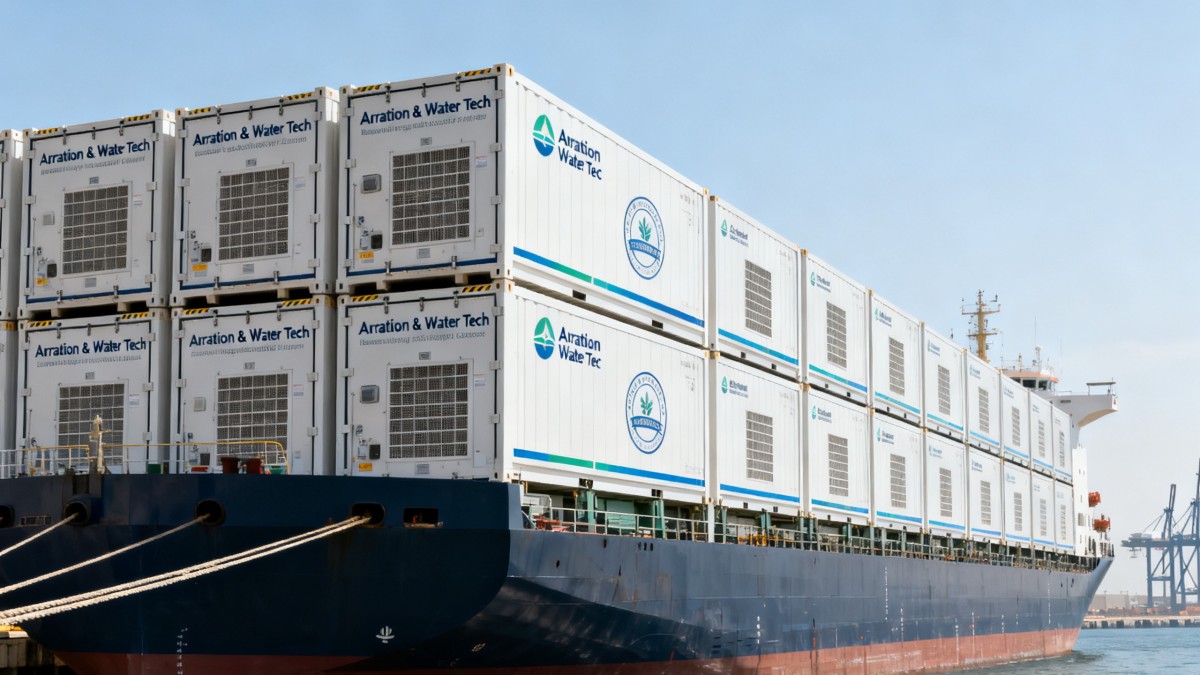
While limited in geographic and equipment scope, this freight adjustment carries outsized implications for companies relying on certified environmental control logistics for high-value water and aeration technologies. Its significance lies not in scale, but in specificity: it underscores how niche regulatory and technical requirements — combined with macro routing shifts — can rapidly reshape cost and timeline assumptions. Stakeholders are advised to treat this as a calibrated, actionable data point rather than a generalized market signal.
Information Sources
Main source: Joint carrier announcement issued by Maersk, CMA CGM, and Hapag-Lloyd on April 29, 2026.
Note: Ongoing monitoring is recommended for potential extension to other corridors or container types; no such expansion has been confirmed as of May 5, 2026.
Related Intelligence
- Aeration & Water TechAsia-Pacific to Middle East Aeration & Water Tech Container Rates Up 18%Aeration & Water Tech container rates surge 18% Asia-Pacific to Middle East—critical for RAS, smart greenhouse & precision water-tech exporters. Act now.
- Aeration & Water TechChina’s 5-Dept Battery Traceability Drive Impacts Botanical Extracts Equipment ExportsChina’s 5-dept battery traceability drive impacts botanical extracts equipment exports—key compliance insights for exporters of lithium-powered agri-tech and water treatment devices.
- Aeration & Water TechAsia–Middle East Aeration & Water Tech Container Freight Up 18%Aeration & Water Tech container freight surges 18% on Asia–Middle East route—urgent implications for exporters, OEMs & forwarders. Act now.
The Morning Broadsheet
Daily chemical briefings, market shifts, and peer-reviewed summaries delivered to your terminal.
