
Is shiitake mushroom powder better than extract for daily product use?
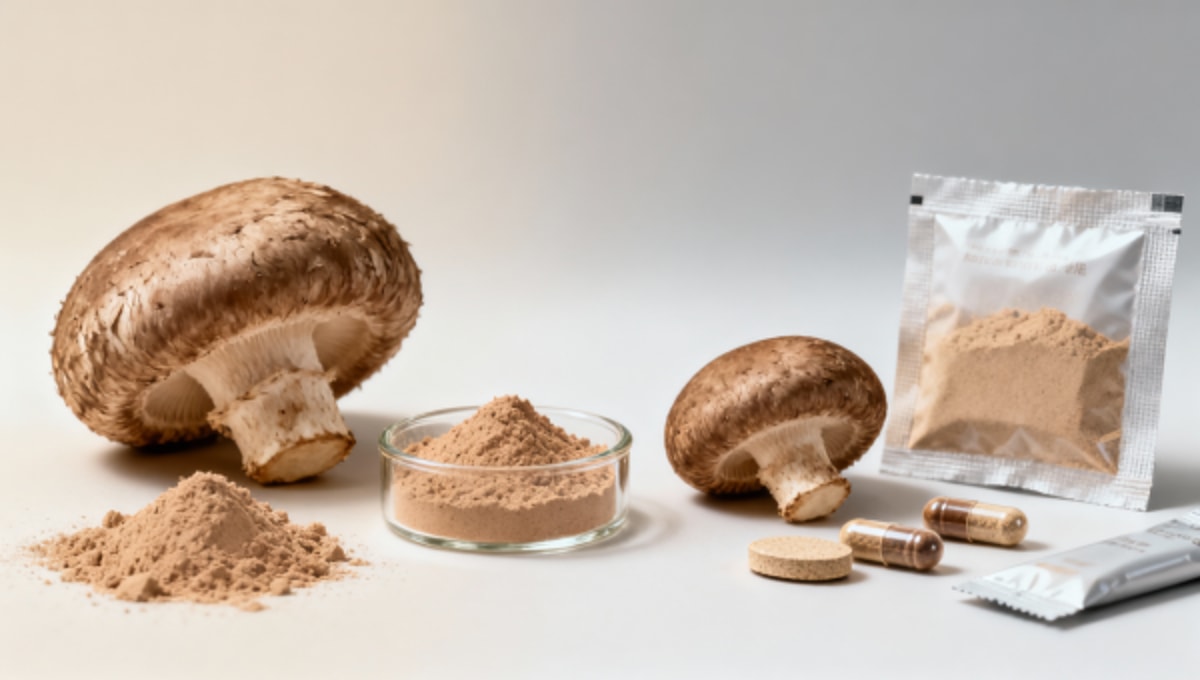
For daily formulations, choosing between shiitake mushroom powder and extract depends on potency, consistency, cost, and application goals. Buyers comparing shiitake mushroom powder with solutions like maitake mushroom extract, chaga mushroom extract, or lion's mane mushroom powder need clear criteria on bioactive concentration, processing standards, and supply suitability. This article outlines the practical differences for technical evaluators, procurement teams, and product developers.
For most daily-use products, shiitake mushroom extract is usually the better choice when the goal is standardized active content, lower inclusion rates, and cleaner formulation control. Shiitake mushroom powder is often the better option when brands want a whole-food positioning, simpler processing, and lower raw material cost. The right answer is not which one is universally “better,” but which format better fits your dosage target, label claim, sensory profile, compliance needs, and commercial model.
What buyers and formulators should decide first
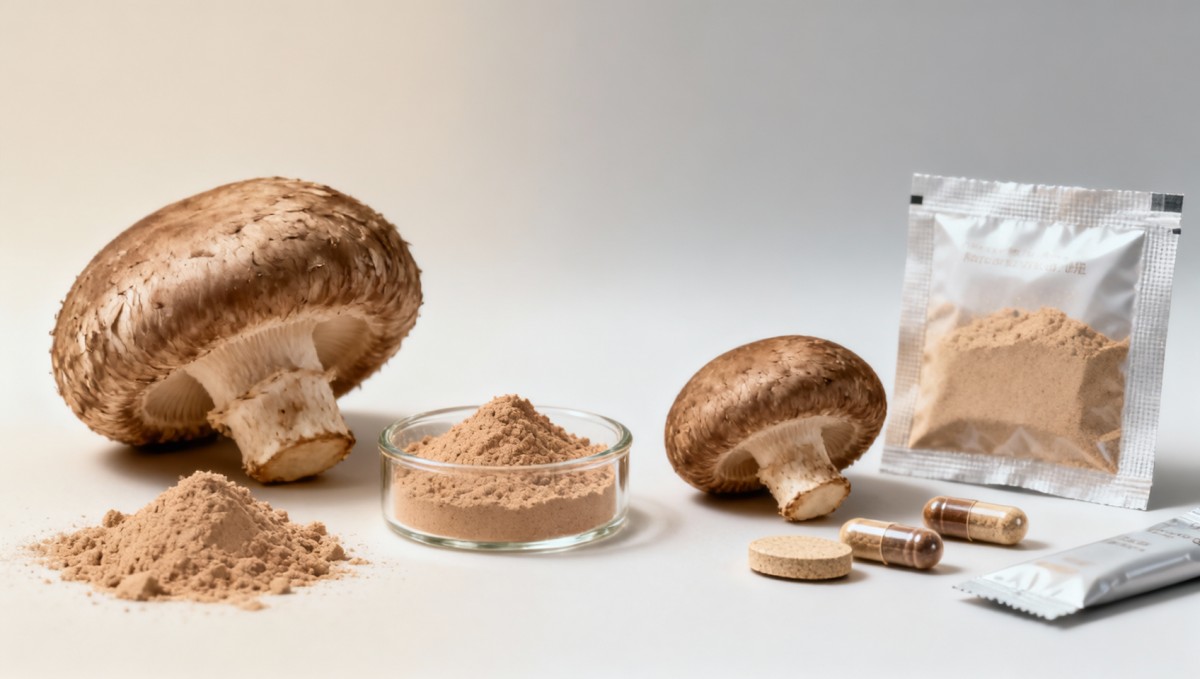
The core purchasing question is practical: do you need ingredient efficiency and standardization, or do you need a minimally processed mushroom ingredient for broader daily nutrition positioning?
That distinction matters because shiitake mushroom powder and shiitake mushroom extract behave differently in product development, technical review, and procurement:
- Powder is typically made by drying and milling the whole fruiting body, and sometimes mycelium-based material, into a fine powder.
- Extract is produced by concentrating target compounds through water extraction, dual extraction, or other controlled processing steps, then drying into a more potent finished ingredient.
If your team is building capsules, tablets, sachets, functional beverages, or nutritional blends for daily use, the first decision should be based on five criteria:
- Required bioactive strength
- Batch-to-batch consistency
- Formulation space and dosage size
- Cost-in-use rather than cost per kilogram
- Labeling and market positioning
In many industrial and branded product settings, extract wins because it delivers more functionality per gram. In simpler wellness products or food-adjacent applications, powder may be sufficient and commercially attractive.
Is shiitake mushroom powder or extract better for daily product use?
In daily product use, extract is generally better for performance-led formulations, while powder is often better for whole-food positioning and cost-sensitive blends.
Here is the short operational view:
- Choose shiitake mushroom powder if: you want a natural, less processed ingredient; your dosage format can tolerate higher fill weights; your claims do not require concentrated actives; and taste, color, and texture are manageable.
- Choose shiitake mushroom extract if: you need concentrated polysaccharides or other target fractions; you want lower inclusion levels; your quality team requires more standardization; or your product must deliver more predictable functional performance.
For daily-use SKUs, especially in capsules and premium supplements, extract often creates a better balance between efficacy, consistency, and product differentiation. For powdered drink mixes, food blends, or value-tier wellness products, whole mushroom powder may still be a rational choice if the product concept supports it.
How potency and bioactive concentration affect the decision
This is usually the most important technical factor. A standard shiitake mushroom powder contains the full dried mushroom matrix, including fiber, proteins, carbohydrates, and naturally occurring bioactive compounds. However, the concentration of the compounds you may care about most, such as beta-glucans or lentinan-related fractions, is lower per gram than in a well-made extract.
That has several consequences:
- Higher dose requirement: powder usually needs a larger serving size to deliver a meaningful active load.
- Less room in the formula: larger use levels reduce flexibility in multi-ingredient products.
- Weaker standardization: if the ingredient is not assayed carefully, active variation can be harder to manage.
By contrast, shiitake mushroom extract is often sold with target specifications, such as polysaccharide or beta-glucan content. That makes it easier for formulators and procurement teams to compare offers on a technical basis rather than just on price.
When buyers also evaluate related ingredients such as maitake mushroom extract, chaga mushroom extract, or lion's mane mushroom powder, the same principle applies: concentrated extracts usually support stronger technical claims and lower dosage sizes, while powders support broader whole-ingredient positioning.
What matters more in procurement: price per kg or cost-in-use?
Many sourcing mistakes happen because teams compare only the raw purchase price. Shiitake mushroom powder is often cheaper per kilogram than extract, but that does not automatically make it more economical in a finished product.
Procurement and finance teams should instead compare cost-in-use:
- How many kilograms are needed to hit the target daily serving?
- Will a larger inclusion level increase capsule count, sachet size, or shipping costs?
- Does a higher dose create taste or texture issues that require masking agents?
- Will product claims require higher-grade or standardized material anyway?
In many cases, an extract with a higher unit price can lower total formulation cost because it reduces serving size, improves manufacturing efficiency, and supports premium market positioning. Powder can still offer strong value where the formula has room for higher inclusion rates and where standardization requirements are less strict.
How quality teams should assess shiitake powder and extract suppliers
For quality assurance, safety management, and technical evaluation teams, format selection is only part of the decision. Supplier capability is equally important.
Ask for clear documentation on:
- Raw material identity: fruiting body, mycelium, or mixed source
- Extraction method: hot water, dual extraction, or non-standard process
- Active specifications: polysaccharides, beta-glucans, moisture, ash, particle size
- Contaminant controls: heavy metals, pesticide residues, microbiological limits
- Manufacturing standards: GMP, HACCP, ISO, allergen controls
- Traceability: origin, harvest or cultivation conditions, lot-level documentation
For daily-use products, consistency matters more than marketing language. A supplier offering “premium shiitake extract” without validated assay data is often less useful than one offering a modest but well-documented specification. The same rule applies when comparing adjacent ingredients such as chaga mushroom extract or maitake mushroom extract across a product line.
Which format works best in different product types?
The best format often depends on the delivery system.
- Capsules and tablets: extract is usually preferred because lower fill weight helps maintain practical daily serving sizes.
- Functional powders and sachets: both can work, but powder may be acceptable if texture and flavor are not major issues.
- Ready-to-mix beverage systems: extract often performs better when solubility, taste management, and dose efficiency matter.
- Whole-food wellness blends: powder may align better with clean-label or minimally processed positioning.
- Premium nootropic or immune-support stacks: extract is usually favored because it fits better with concentrated, evidence-led formulas.
Product developers should also consider sensory performance. Whole mushroom powder can contribute stronger earthy notes, darker color, and more visible suspended solids. Extract may offer a cleaner functional profile, though this depends on process quality and carrier systems.
When shiitake mushroom powder is the smarter choice
Although extract often has technical advantages, powder is not the weaker option in every scenario. Shiitake mushroom powder may be the better commercial decision when:
- The brand strategy emphasizes whole-food nutrition rather than concentrated actives
- The product allows larger serving sizes
- The target buyer is price-sensitive
- The formula already includes multiple food-based powders
- The intended benefit is general wellness rather than a stronger functional positioning
In these applications, powder can support a simpler story, lower processing complexity, and a more natural ingredient perception. That can be strategically valuable in mainstream retail and food-adjacent channels.
When extract is the better long-term option
Shiitake mushroom extract is typically the better long-term choice when a company needs stronger technical credibility, easier scaling, and more controlled quality outcomes.
It is especially useful when:
- You need standardized active content for product consistency
- You want to minimize capsule count or serving size
- You are building premium or clinically positioned products
- You need more predictable integration into multi-ingredient formulas
- You expect more scrutiny from distributors, auditors, or sophisticated B2B customers
For business evaluators and decision-makers, extract often supports better margin architecture in premium segments because it strengthens product differentiation and reduces the risk of underperforming claims.
Final assessment: better depends on the job, but extract often wins for technical daily use
If the question is strictly about daily product use in a commercial formulation, shiitake mushroom extract is often better than powder because it offers higher potency, more consistent specifications, lower use levels, and greater formulation control. That makes it especially suitable for technical evaluators, procurement managers, and product teams responsible for repeatable quality and market-ready performance.
Shiitake mushroom powder remains a valid and sometimes preferable choice when whole-food identity, simpler processing, and lower entry cost matter more than concentrated active delivery.
The most effective buying decision is to match the format to the product objective. If your priority is performance, standardization, and scalable quality assurance, choose extract. If your priority is natural positioning, simple ingredient storytelling, and flexible everyday wellness use, powder may be enough.
Related Intelligence
- Natural IngredientsIndonesia BPOM Updates Label Rules for Natural Ingredients ImportsIndonesia BPOM updates natural ingredients label rules: heat-tolerance declarations required from Aug 2026. Stay compliant & avoid shipment delays.
- Natural IngredientsIndonesia BPOM Updates Natural Ingredients Labeling RulesIndonesia BPOM Updates Natural Ingredients Labeling Rules: New 'Microbial Tolerance Statement' required for natural pigments, plant powders & fermented extracts by Aug 1, 2026.
- Natural IngredientsIndonesia BPOM Updates Natural Ingredients Labeling RulesIndonesia BPOM updates natural ingredients labeling rules: New 'Microbial Tolerance Statement' required for plant powders, fermented extracts & peptides—act now to avoid customs delays.
The Morning Broadsheet
Daily chemical briefings, market shifts, and peer-reviewed summaries delivered to your terminal.
