
Reishi mushroom extract bulk: which tests help reduce risk?
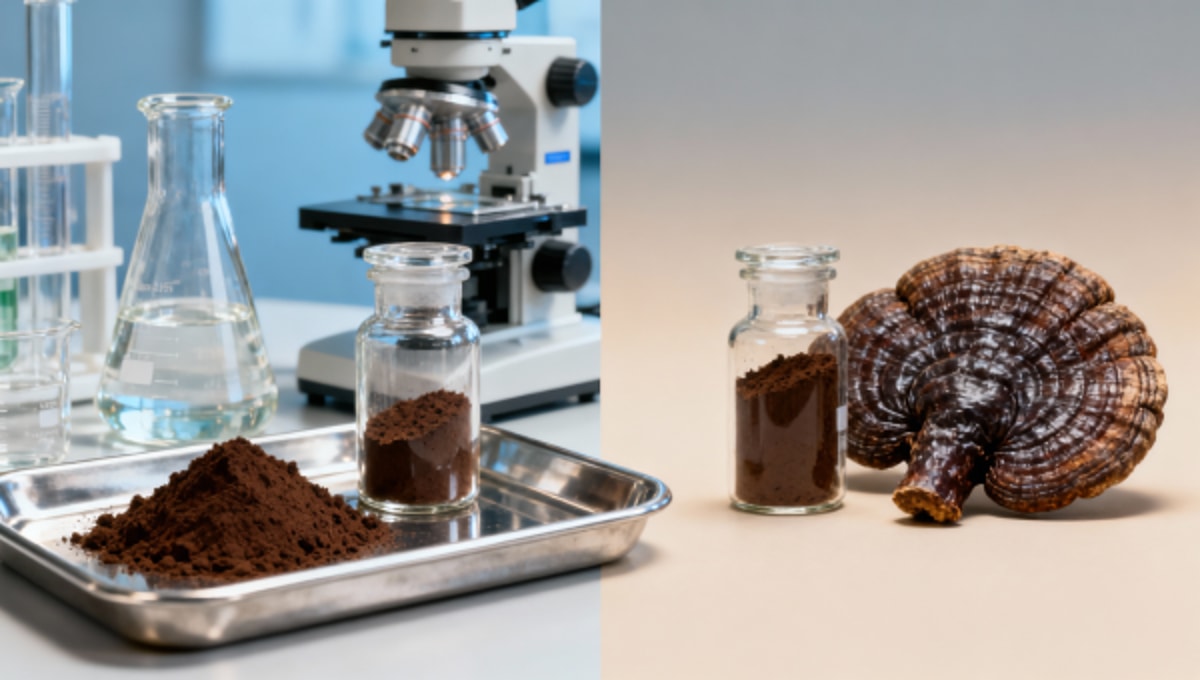
When sourcing reishi mushroom extract bulk, risk reduction starts with the right test profile. From identity and beta-glucan verification to heavy metals, microbial limits, pesticides, and solvent residues, buyers need evidence that supports quality, compliance, and commercial reliability. For teams also comparing maitake mushroom extract, chaga mushroom extract, or lion's mane mushroom powder, a structured testing framework helps turn technical uncertainty into confident procurement decisions.
Which tests matter first when evaluating reishi mushroom extract bulk?
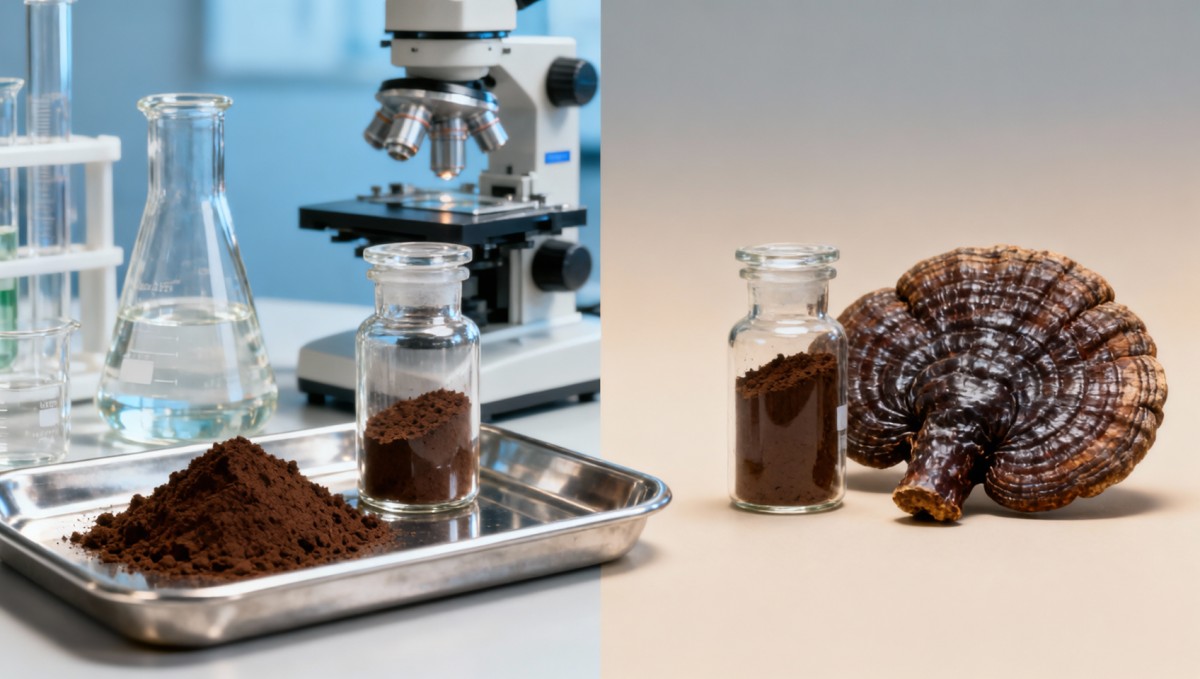
In industrial purchasing, the first mistake is treating reishi mushroom extract bulk as a simple commodity. It is not. Two lots can carry the same label yet differ in species authenticity, extraction ratio, marker content, contaminant profile, and regulatory suitability. For procurement teams, technical evaluators, and quality managers, the practical question is not whether a supplier can provide a COA, but whether the test package is broad enough to reduce operational, compliance, and commercial risk across 3 core dimensions: identity, potency, and safety.
Reishi mushroom extract is commonly assessed for botanical identity and active fraction consistency. Buyers often focus on beta-glucan content because it helps distinguish meaningful mushroom-derived polysaccharides from inflated carbohydrate claims. In many sourcing discussions, a 2-step review works best: first verify what the material is, then verify what the extract actually delivers. This is especially relevant when comparing hot-water extracts, dual extracts, and powder-form ingredients intended for nutraceutical, food supplement, or functional ingredient channels.
A strong test profile also protects cross-functional stakeholders. Procurement needs repeatability across shipments. Finance needs fewer claims and fewer rejected lots. Operations needs smoother release timelines, often within 3–7 working days after warehouse receipt. Quality control needs defensible records if auditors, customers, or import authorities ask why a specific lot was approved. Without test prioritization, teams end up overpaying for low-value claims or under-testing high-risk contaminants.
For ACC readers in bio-extracts, ingredients, and fine-chemical adjacent supply chains, a practical sourcing framework starts with laboratory methods that connect directly to batch release decisions rather than marketing language. The table below summarizes the test categories that usually have the highest value during initial qualification of reishi mushroom extract bulk.
The key takeaway is simple: start with a qualification panel that filters out the biggest causes of lot failure before discussing price breaks or annual volume commitments. In many cases, 5 test categories provide more decision value than a long, unprioritized COA filled with secondary numbers that do not change release outcomes.
How should buyers interpret identity, beta-glucan, and extract specifications?
Identity testing for reishi mushroom extract bulk should not be reduced to a label statement. Buyers should ask how identity is established: microscopy, chromatographic fingerprinting, or DNA-based methods where applicable. Each method has limits, especially after extraction. A mature supplier will explain what stage was tested: raw fruiting body, intermediate extract, or finished powder. That distinction matters because identity confidence can weaken if documentation only covers upstream material without linking it to the final batch.
Beta-glucan claims are another frequent source of confusion. In mushroom procurement, not all polysaccharides are equally informative. Generic polysaccharide figures can be overstated by starches or unrelated carbohydrate fractions, especially when methods are poorly matched to mushroom matrices. For technical teams, it is usually more useful to review beta-glucan and alpha-glucan together. If alpha-glucan is unexpectedly high, the lot may contain filler, undeclared carriers, or a composition that does not fit the intended commercial position.
Questions that improve specification clarity
Before approving a supplier, ask 4 practical questions. What is the starting raw material: fruiting body, mycelium, or mixed biomass? What is the extraction medium: water only or water plus ethanol? Is the ratio claim, such as 10:1 or 20:1, linked to actual process mass balance? And are carrier agents used during drying? These points affect potency interpretation, formulation behavior, and cost fairness.
Why extract ratio alone is not enough
An extract ratio can sound impressive, but it does not replace composition testing. A 10:1 reishi mushroom extract bulk material with weak beta-glucan verification may be less useful than a lower-ratio extract supported by transparent assay data. For purchasing teams comparing maitake mushroom extract, chaga mushroom extract, and lion's mane mushroom powder, this principle remains consistent: specification quality depends on what is measured, how it is measured, and whether the result links to actual end-use requirements.
The most reliable approach is to align specification review with intended use over a 12-month supply horizon. If the ingredient is entering capsules, beverage blends, or functional food systems, particle size, moisture, and solubility behavior may need to be reviewed alongside assay values. That wider interpretation helps project managers and operators avoid downstream reformulation delays that can otherwise add 2–4 weeks to launch schedules.
What safety and compliance tests reduce import, audit, and release risk?
For most B2B buyers, the biggest commercial risks are not visible in color or odor. They sit in contaminant profiles and traceability gaps. Reishi mushroom extract bulk is an agricultural-origin ingredient, so heavy metals, microbiological contamination, pesticide residues, and residual solvents should be reviewed as a coordinated safety block. These are the results most likely to affect border clearance, customer audits, contract release, or internal deviation reports.
Heavy metal review typically centers on 4 analytes: lead, cadmium, arsenic, and mercury. Exact limits depend on market and application, so buyers should avoid using one country’s assumptions as a universal benchmark. Instead, ask suppliers to confirm test methods, units, and lot-specific results. This is especially important when the same extract may be sold into food supplement, functional beverage, or pharmaceutical-adjacent ingredient channels with different acceptance thresholds.
Microbial limits deserve equal attention because they influence both safety and warehouse confidence. At a minimum, procurement and quality teams often review total plate count, yeast and mold, and absence or controlled limits for objectionable organisms according to customer specification. If the product is intended for moisture-sensitive systems, moisture and water activity can also help predict stability during the first 6–12 months of shelf life under standard storage conditions.
The table below is useful for cross-functional review meetings because it translates laboratory checks into business consequences. It helps procurement, QA, and commercial teams decide which failures are negotiable, which require rework, and which should trigger immediate disqualification of a supplier lot.
Interpreting these results in context is where specialist industry intelligence matters. ACC’s audience often works across regulated supply chains where one missing document can slow a transaction more than a price difference of several percentage points. A disciplined safety review therefore saves time twice: once during supplier onboarding and again during every recurring lot release.
A practical 5-point release checklist
- Confirm the COA is lot-specific and dated, not a generic template reused across multiple shipments.
- Check that identity and assay results match the exact product name purchased, including extract type and carrier status.
- Review contaminant tests against destination-market requirements rather than supplier-default specifications.
- Verify manufacturing and storage records support the claimed shelf-life window, often 24–36 months depending on packaging and format.
- Escalate any missing method references, inconsistent units, or unexplained result changes between consecutive lots.
How do you compare reishi with maitake, chaga, and lion's mane for procurement planning?
Buyers rarely assess reishi mushroom extract bulk in isolation. Many are building a broader medicinal mushroom portfolio and need a test framework that also works for maitake mushroom extract, chaga mushroom extract, and lion's mane mushroom powder. The challenge is that these materials share some procurement logic but differ in marker emphasis, matrix behavior, and sourcing risk. That means one uniform template is helpful, but only if it allows ingredient-specific interpretation.
For portfolio managers, the smartest approach is to keep 3 layers in view. First, apply a common compliance base: identity, microbiology, heavy metals, and residue controls. Second, define ingredient-specific marker expectations, such as beta-glucan relevance or additional composition signals. Third, connect the data to application format. A mushroom powder for dry blend use may not be assessed the same way as a concentrated extract intended for low-dose capsule formulations.
This comparison matters commercially because buyers often negotiate annual contracts across multiple SKUs. If one product has a higher testing burden or more volatile raw material profile, the apparent unit price advantage may disappear once QC holds, retesting, and batch segregation are factored in. Finance approvers and project managers therefore benefit from a side-by-side qualification matrix rather than isolated quotations.
The table below provides a simplified planning view for technical and sourcing teams evaluating a mixed mushroom ingredient portfolio over 2 procurement cycles or more.
This type of structured comparison helps teams avoid a common sourcing error: choosing the least expensive line item without adjusting for analytical burden, format suitability, or destination-market compliance. In practice, the right procurement decision is the one that produces fewer deviations over 6–18 months, not merely the lowest initial quote.
What procurement workflow lowers risk before signing a supply agreement?
A low-risk purchasing process for reishi mushroom extract bulk usually follows 4 stages: supplier pre-screening, document review, sample validation, and commercial finalization. Skipping one of these steps often creates expensive problems later. For example, a supplier may pass price review but fail lot consistency once 2 or 3 production batches are tested under the buyer’s own methods. That is why technical and commercial review should run in parallel rather than sequentially.
Recommended workflow for B2B teams
- Pre-screen within 5 business days: confirm product format, origin, extract type, available documents, and whether the supplier can support destination-market testing expectations.
- Document review over 3–7 business days: assess COA, specification sheet, allergen and GMO status where relevant, residual solvent rationale, and packaging details.
- Sample and verification stage over 1–3 weeks: compare internal or third-party lab results with the supplier’s claims, paying close attention to identity and contaminant alignment.
- Commercial closure and supply setup over 1–2 weeks: define batch approval rules, retest triggers, lead time, minimum order quantities, and deviation communication procedures.
This workflow is especially useful for organizations where procurement, QA, regulatory, operations, and finance each control one piece of approval. A shared checklist prevents the familiar pattern in which one department assumes another has already checked pesticide coverage, carrier disclosure, or packaging suitability. In complex ingredients sourcing, administrative gaps can create as much risk as laboratory gaps.
ACC’s role in this environment is not simply to summarize ingredient trends. It is to help institutional buyers frame the right questions before commitment. In regulated or semi-regulated sectors, market intelligence becomes more valuable when it connects technical documentation, supply chain transparency, and realistic buying timelines. That is why serious procurement teams increasingly evaluate not only the product, but the supplier’s ability to sustain evidence quality across repeated shipments.
Common red flags to escalate early
- The COA lists broad claims but no analytical method references or no testing date.
- The specification mixes mushroom powder language with concentrated extract language.
- Lot-to-lot beta-glucan shifts are large and unexplained across 2 consecutive shipments.
- The supplier cannot clearly explain whether the material contains carriers, excipients, or processing aids.
FAQ and next-step guidance for technical buyers
The final decision on reishi mushroom extract bulk is rarely made by one person. Information researchers, operators, quality managers, project leads, procurement officers, and financial approvers all evaluate risk differently. A concise FAQ helps align these viewpoints and speeds up decision-making when a quotation, sample request, or annual contract review is already in progress.
How many tests are usually needed for initial supplier qualification?
Related Intelligence
- Botanical ExtractsANVISA New Rule: Botanical Extracts Import to Brazil Requires Two-Tier TraceabilityANVISA new rule mandates two-tier traceability for botanical extracts imported to Brazil — learn how it impacts Chinese exporters, compliance deadlines & AgroTrace integration.
- Botanical ExtractsANVISA New Rule: Botanical Extracts to Brazil Require Traceability to Tier-2 SuppliersANVISA new rule requires traceability for botanical extracts to Brazil — now covering tier-2 suppliers. Learn compliance steps, affected sectors & how to prepare before July 2026.
- Botanical ExtractsANVISA’s New Traceability Rule for Botanical Extracts Enters Force in BrazilANVISA’s new traceability rule for botanical extracts takes effect April 27, 2026—learn how it impacts exporters, importers & suppliers in Brazil.
The Morning Broadsheet
Daily chemical briefings, market shifts, and peer-reviewed summaries delivered to your terminal.
