
Reishi Mushroom Extract Bulk Orders and Spec Mismatch
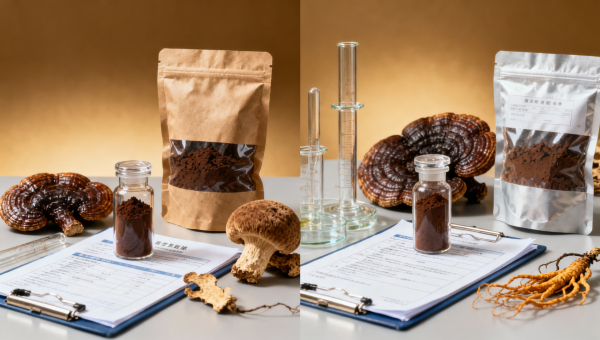
Bulk sourcing reishi mushroom extract can expose buyers to costly spec mismatch, inconsistent actives, and compliance gaps across global supply chains. For procurement teams evaluating reishi mushroom extract bulk alongside maitake mushroom extract, chaga mushroom extract, cordyceps extract wholesale, and lion's mane mushroom powder, technical verification is essential to protect quality, documentation integrity, and commercial outcomes.
In most bulk purchasing disputes, the problem is not that the material is fake in an obvious sense. The real issue is that the delivered product does not match the buyer’s technical, regulatory, or commercial expectations. A supplier may offer a competitive quotation for reishi extract, but the extract ratio, marker compounds, test methods, carrier content, solvent system, or microbiological profile may differ enough to affect finished product performance, label claims, and import acceptance. For procurement, QA, and technical review teams, the key question is simple: does the supplied specification truly match the intended application and documentation standard?
Why spec mismatch is the biggest hidden risk in reishi mushroom extract bulk purchasing
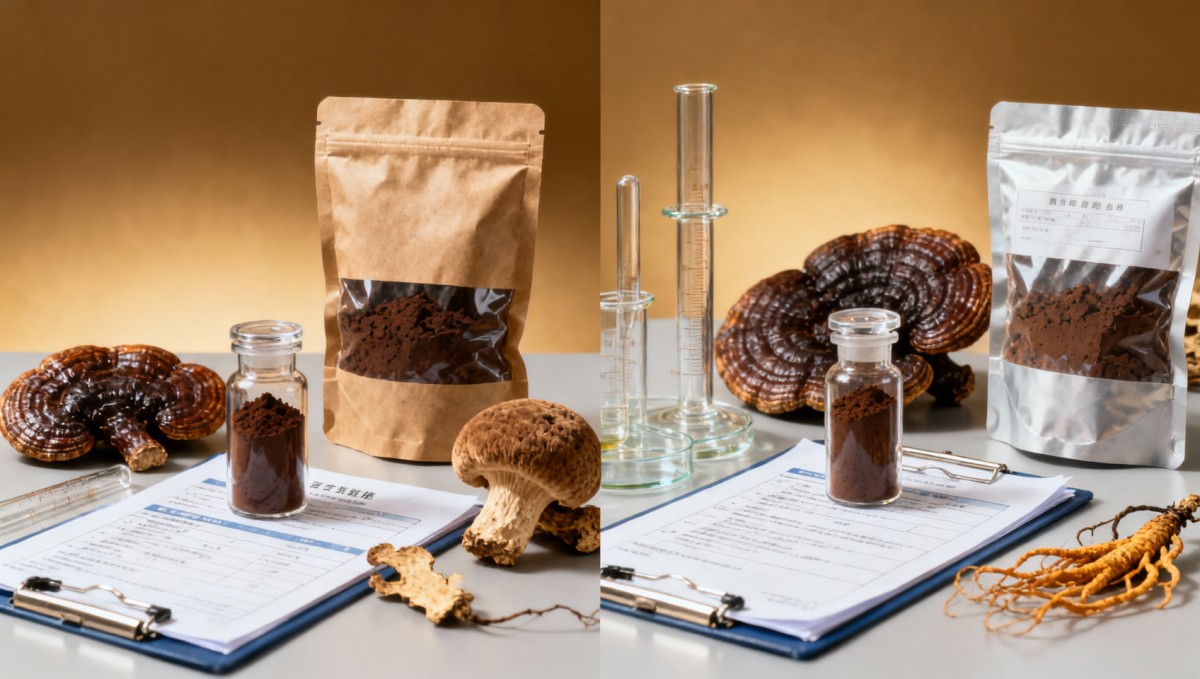
When buyers search for Reishi Mushroom Extract Bulk Orders and Spec Mismatch, their core intent is usually practical rather than informational. They want to avoid costly procurement mistakes, compare supplier offers correctly, and establish a reliable way to verify whether one “reishi extract” is actually equivalent to another. This matters because mushroom extracts are frequently marketed under broad commercial descriptions while the underlying technical composition can vary substantially.
In commercial terms, a spec mismatch can mean:
- The quoted material uses a different extraction ratio than expected
- The product is standardized to different active markers, such as polysaccharides rather than triterpenes
- The assay method is not disclosed or is not comparable across suppliers
- The powder contains maltodextrin or another carrier that dilutes potency
- The botanical part used differs from the buyer’s requirement
- The extract is suitable for food use but not for nutraceutical, pharmaceutical, or export documentation needs
- Heavy metals, pesticide residues, solvent residues, or microbial limits do not align with target market requirements
For technical evaluators and purchasing managers, the risk is not only product quality. It also extends to price comparison, formulation consistency, claim substantiation, customer complaints, and audit exposure. A lower-cost quotation may appear attractive until QA discovers that the assay basis is weaker, the active content is lower, or the documentation does not support regulatory review.
What buyers should verify before comparing supplier quotations
The most useful way to compare bulk reishi mushroom extract is to normalize supplier offers against a fixed technical checklist. Without that, buyers often compare prices for products that are not functionally equivalent.
At minimum, request confirmation on the following points:
1. Botanical identity and raw material source
Confirm the Latin name, plant part or fungal part used, cultivation origin, and whether the material is fruiting body, mycelium, or a mixed substrate-derived product. This is especially important because commercial naming in the mushroom category is not always precise enough for high-value procurement.
2. Extract ratio and standardization basis
An extract listed as 10:1 is not automatically stronger or better than a standardized extract. Ask whether the product is ratio-based, marker-standardized, or both. Also verify whether the ratio is a true native concentration indicator or a commercial designation unsupported by full process detail.
3. Active markers and test methods
For reishi, buyers commonly focus on polysaccharides and triterpenes. But numbers alone are not enough. You should ask:
- Which actives are guaranteed?
- What analytical method is used?
- Is the method in-house or aligned with recognized standards?
- Are beta-glucans differentiated from total polysaccharides?
This is where many mismatches happen. One supplier may quote high polysaccharides using a broad colorimetric method, while another reports beta-glucans through a more selective method. The percentages may look comparable on paper but represent very different material quality.
4. Carrier content and excipients
Many bulk extracts include carriers such as maltodextrin for flowability or process stability. That is not automatically a problem, but it must be disclosed clearly. If one quotation is for a pure extract and another contains significant carrier load, price-per-kilogram is no longer a valid comparison.
5. Physical and microbiological specifications
Particle size, moisture, bulk density, ash, microbial counts, yeast and mold, and pathogen controls may all affect downstream use. For capsule, tablet, beverage, sachet, or blend applications, these parameters can influence processing efficiency and shelf stability.
6. Contaminant and compliance profile
Request data on heavy metals, pesticide residues, residual solvents, PAHs where relevant, and allergen or irradiation status if applicable. Importers and brand owners should also verify whether the documentation package supports the target market, including the United States, EU, Japan, or other regulated destinations.
How to detect non-equivalent specs that look similar on paper
Many supplier data sheets are written to appear broadly comparable. The challenge is identifying where wording hides commercially meaningful differences.
Warning signs include:
- Undefined “polysaccharides” claims: if the method is not stated, the result may not support direct comparison
- Missing triterpene data: relevant if your finished product positioning depends on this profile
- No disclosure of carrier: actual extract loading may be lower than assumed
- Ambiguous source material: fruiting body and mycelium materials may be marketed similarly
- Broad compliance statements: “meets export standards” is not the same as a full analytical package
- Overly generic COAs: if the certificate looks template-driven and lacks lot-specific detail, treat it cautiously
A practical internal question for procurement teams is: if this lot fails at customs, in a customer audit, or in incoming QC, what exact document would prove conformity? If there is no clear answer, the supplier package is incomplete.
How reishi extract sourcing compares with maitake, chaga, cordyceps, and lion’s mane procurement
Buyers often source across multiple mushroom ingredients, including maitake mushroom extract, chaga mushroom extract, cordyceps extract wholesale, and lion's mane mushroom powder. While the sourcing logic is similar, the specification risks are not identical.
- Reishi mushroom extract bulk: often evaluated around polysaccharides, beta-glucans, triterpenes, extraction method, and fruiting body identity
- Maitake mushroom extract: beta-glucan claims and extraction consistency often require close analytical review
- Chaga mushroom extract: origin, authenticity, and marker interpretation can vary substantially by supplier
- Cordyceps extract wholesale: species identification and active marker expectations are critical to quote normalization
- Lion's mane mushroom powder: powder versus extract distinctions matter, especially when buyers mistakenly compare raw powder pricing with concentrated extract pricing
For multi-ingredient sourcing teams, standardizing a single mushroom extract qualification template can reduce approval time and improve supplier comparison discipline. This is especially helpful for project managers and financial approvers who need commercially comparable inputs before signing off on a bulk contract.
What documents should be mandatory before approving a bulk order
For serious industrial or institutional buyers, a supplier should be able to provide more than a marketing brochure and a basic specification sheet. Before placing a commercial order, the following documents should be reviewed:
- Lot-specific Certificate of Analysis
- Product specification sheet with test methods
- Manufacturing process summary or extraction overview
- Residual solvent statement where relevant
- Heavy metals and microbiological test reports
- Pesticide screening or risk statement, depending on market and application
- GMO, allergen, BSE/TSE, and irradiation statements if required
- Country of origin declaration
- Storage, shelf life, and packaging specifications
- Quality certifications and facility audit information where applicable
If the ingredient is intended for highly regulated formulations or institutional distribution, additional documentation may be required. In those cases, procurement should involve QA and regulatory stakeholders early rather than treating the purchase as a simple commodity transaction.
How procurement, QA, and finance teams can make better approval decisions
The best buying decisions are cross-functional. Procurement may secure pricing, but QA verifies the analytical credibility, regulatory teams review market fit, operations assess handling suitability, and finance evaluates risk-adjusted value rather than nominal unit cost.
A practical decision model includes:
- Define the intended application and target market before requesting quotes
- Issue a fixed specification template to all suppliers
- Reject quotations that lack method transparency or excipient disclosure
- Compare cost on an equivalent active-content basis, not just per kilogram
- Request pre-shipment lot documents for first orders
- Validate incoming material against agreed markers and critical contaminants
- Track deviation history supplier by supplier for future sourcing decisions
This approach is particularly useful for enterprise decision-makers because it aligns technical verification with business outcomes. It reduces reformulation risk, avoids delayed launches, supports more accurate landed-cost forecasting, and strengthens supplier accountability.
Final assessment: bulk reishi extract is not hard to buy, but it is easy to buy incorrectly
The central lesson for buyers researching reishi mushroom extract bulk is that spec mismatch is usually a documentation and definition problem before it becomes a product failure problem. Two suppliers may both claim to sell reishi extract, yet differ significantly in active profile, carrier level, test methodology, and compliance readiness.
For teams also evaluating maitake mushroom extract, chaga mushroom extract, cordyceps extract wholesale, or lion's mane mushroom powder, the same principle applies: do not compare broad ingredient names; compare verified technical equivalence. The suppliers most worth shortlisting are not simply those with the lowest quote, but those able to support consistent quality, transparent analytical methods, and a documentation package that stands up to internal review and external scrutiny.
In short, the safest commercial strategy is to treat mushroom extracts as specification-led ingredients, not generic commodities. That is the difference between a bulk order that performs smoothly and one that creates downstream cost, delay, and compliance risk.
Related Intelligence
- Botanical ExtractsANVISA’s New Traceability Rule for Botanical Extracts Enters Force in BrazilANVISA’s new traceability rule for botanical extracts takes effect April 27, 2026—learn how it impacts exporters, importers & suppliers in Brazil.
- Botanical ExtractsANVISA Extends Traceability for Botanical Extract Imports to Tier-2 SuppliersANVISA extends botanical extract traceability to tier-2 suppliers—key for Chinese exporters of herbal ingredients, supplements & cosmetics. Act now for July 2026 compliance.
- Botanical ExtractsANVISA Extends Traceability for Botanical Extracts to Tier-2 SuppliersANVISA extends botanical extract traceability to tier-2 suppliers—solvents, filter aids, adsorption media—effective Sept 1, 2026. Essential for exporters & supplement brands.
The Morning Broadsheet
Daily chemical briefings, market shifts, and peer-reviewed summaries delivered to your terminal.
