
Astragalus Root Extract Standards Are Not Always Equal
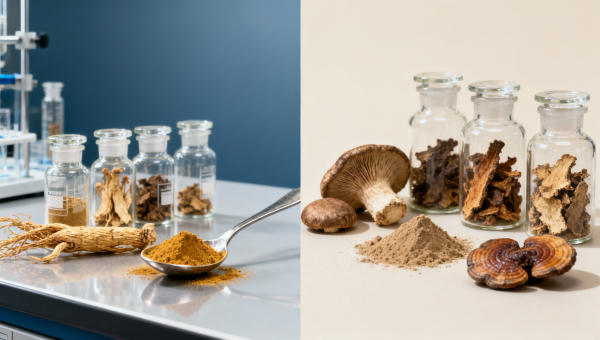
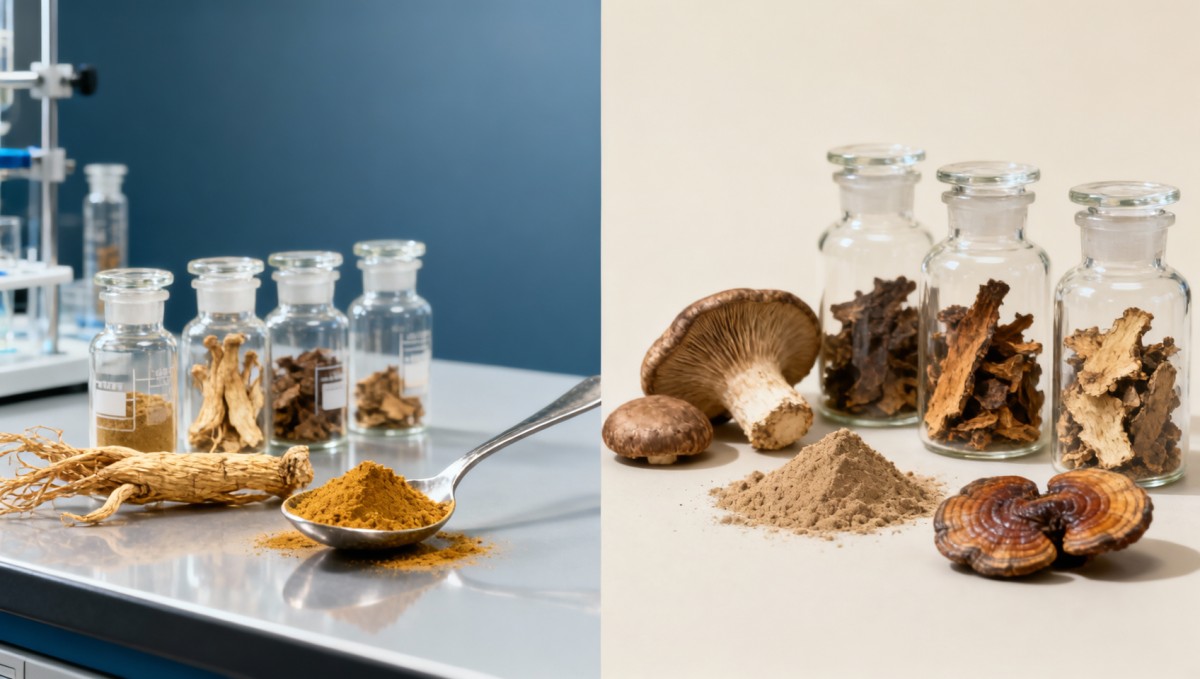
Not all astragalus root extract meets the same benchmark for potency, purity, or regulatory confidence. For buyers comparing maitake mushroom extract, shiitake mushroom powder, chaga mushroom extract, and reishi mushroom extract bulk, understanding standardization is essential to avoid inconsistent performance and sourcing risk. This article examines what truly differentiates extract quality for technical evaluators, procurement teams, and decision-makers.
In regulated bio-extract supply chains, the label alone rarely tells the full story. Two materials may both be sold as astragalus root extract, yet differ sharply in extraction ratio, marker-compound content, residual solvent control, microbial limits, and documentation depth. For industrial buyers, these gaps affect formulation stability, audit readiness, batch reproducibility, and total procurement cost.
This matters even more when sourcing portfolios include medicinal botanicals and functional mushroom ingredients in parallel. Teams evaluating astragalus root extract alongside maitake mushroom extract, shiitake mushroom powder, chaga mushroom extract, and reishi mushroom extract bulk need a disciplined framework. Quality must be verified across raw material identity, process control, analytical methods, and supply chain transparency rather than assumed from marketing claims.
Why “Standardized Extract” Can Mean Very Different Things
The phrase “standardized extract” is widely used, but in procurement practice it can refer to at least 3 different realities: standardization to a specific active marker, standardization to a broad phytochemical class, or simple consistency against an internal specification. These are not interchangeable. A batch standardized to one marker at 0.3% may perform very differently from a batch controlled by extract ratio alone, such as 10:1 or 20:1.
Astragalus root extract is commonly assessed through markers such as astragalosides or polysaccharides, depending on the intended application. However, a higher numeric claim is not automatically superior. If one supplier tests only one marker and another validates identity, assay, heavy metals, microbial load, pesticide residues, and solvent residues across 6 to 8 release items, the second material may offer stronger operational value even when the headline assay appears lower.
This issue also appears in the mushroom ingredient category. A buyer comparing maitake mushroom extract, shiitake mushroom powder, chaga mushroom extract, and reishi mushroom extract bulk may see similar language around “beta-glucan rich” or “high potency,” but the underlying method may differ between gravimetric, enzymatic, or vendor-specific calculations. Inconsistent methods can distort like-for-like comparison during technical evaluation.
From a B2B perspective, standardization should answer 4 practical questions: what is being measured, how it is measured, what the acceptable range is, and whether the method is repeatable across batches and facilities. Without those 4 answers, procurement teams face hidden variability that may only become visible after incoming QC or during formulation scale-up.
Common Standardization Variables Buyers Should Verify
Before approving a botanical or mushroom extract, evaluators should confirm whether the supplier specification covers raw botanical identity, extraction medium, concentration ratio, marker assay, contaminant limits, and storage conditions. Shelf-life ranges of 24 to 36 months are common, but meaningful stability depends on packaging barrier quality, moisture control, and warehouse temperature, often maintained below 25°C.
- Identity verification method, such as TLC, HPTLC, or DNA-supported raw material authentication where relevant.
- Assay basis, including whether the number refers to dry basis, as-is basis, or a corrected moisture basis.
- Extraction details, such as water extraction, hydroalcoholic extraction, or dual extraction for mixed-solubility compounds.
- Contaminant controls, including heavy metals, pesticide residues, aflatoxins where applicable, and microbial limits.
For multinational sourcing, the interpretation of “compliant” can also vary by destination market. A material fit for one dietary supplement channel may not automatically satisfy the documentation depth expected by a pharmaceutical-adjacent buyer or a contract manufacturer serving multiple geographies. That is why the specification sheet must be matched with the actual target market and intended use.
The Quality Signals That Separate Reliable Astragalus Root Extract from Commodity Supply
Reliable astragalus root extract sourcing begins long before the extract is produced. Raw root origin, harvest season, foreign matter control, drying conditions, and lot segregation all influence final consistency. Even with identical extraction equipment, inconsistent incoming roots can produce batch-to-batch variation in color, solubility, odor profile, and marker distribution. For technical users, that variability can translate into processing adjustments or downstream complaint risk.
A disciplined supplier usually controls at least 5 stages: raw material qualification, in-process extraction monitoring, concentration and drying control, final lot testing, and traceable packaging release. The stronger the control at each stage, the lower the risk of out-of-specification material reaching the customer. This is especially relevant when annual procurement volumes move beyond pilot scale into repeated commercial lots.
Documentation is another dividing line. A commercial buyer should expect a coherent package that may include certificate of analysis, specification sheet, allergen statement if applicable, residual solvent statement, country of origin disclosure, and microbiological data. For higher-risk categories or regulated channels, audit questionnaires and process summaries may also be needed within 5 to 10 working days of request.
The table below highlights practical quality signals that procurement and QA teams can use when screening astragalus root extract suppliers and comparing them with adjacent mushroom extract categories.
The key conclusion is simple: extract quality is operational, not just descriptive. A product with a strong assay claim but weak traceability can create more total risk than a moderately concentrated extract supported by robust testing and responsive documentation. In high-value purchasing, confidence is built through repeatable evidence.
Red Flags During Supplier Review
When pricing looks unusually low
If the offered price is 15% to 30% below the competitive range, buyers should verify whether the extract ratio, carrier content, moisture level, or assay basis differs from the benchmark quotation. Lower pricing may be justified in some cases, but it often signals hidden dilution, incomplete testing, or inconsistent raw material grading.
When documentation is vague
A certificate of analysis that lists results without methods, limits, or basis of calculation should trigger follow-up. For quality managers, missing method references can delay internal release by several days and complicate cross-border regulatory review.
How to Compare Astragalus Root Extract with Mushroom Ingredients on a Like-for-Like Basis
Many procurement teams now manage mixed ingredient portfolios, where astragalus root extract sits alongside maitake mushroom extract, shiitake mushroom powder, chaga mushroom extract, and reishi mushroom extract bulk. The challenge is that these materials are often evaluated using different language conventions. Botanicals may be sold by marker assay and ratio, while mushrooms may be sold by fruiting body source, polysaccharide content, or beta-glucan percentage.
To make a fair comparison, teams need a common review grid. At minimum, this should include botanical or fungal source part, extraction medium, standardization marker, carrier use, mesh or particle range for powders, microbiological standards, and documentary completeness. Applying one framework across 5 ingredient families improves supplier ranking and reduces rework during technical approval.
A recurring mistake is to compare bulk ingredients on price per kilogram alone. A 20:1 extract with 10% carrier may not deliver the same functional input as a lower-ratio material with stronger assay integrity and lower moisture. Similarly, shiitake mushroom powder and concentrated mushroom extract should not be priced as substitutes without adjusting for active content, form, and process suitability.
The comparison matrix below provides a practical basis for cross-category evaluation in sourcing, formulation planning, and finance review.
The table shows that cross-category buying requires a normalized decision model. Finance teams may focus on landed cost, but operators and QC teams need equivalent technical denominators. When those are missing, approval cycles often stretch from 1 week to 3 weeks as departments request clarifications that should have been captured during the initial quote stage.
A Practical 5-Point Comparison Method
- Define the target function first, such as concentration, powder handling, or marker consistency.
- Normalize the assay basis across suppliers before reviewing price.
- Confirm whether carriers, excipients, or processing aids are included.
- Review the contaminant panel against destination-market needs.
- Score document completeness, not just analytical results.
Using a structured 5-point method helps project managers align technical, commercial, and compliance teams earlier in the sourcing cycle. It also reduces the risk of selecting a supplier that appears attractive in quotation form but becomes difficult during qualification or audit follow-up.
Specification Review, QC Testing, and Release Criteria That Matter in Real Procurement
For quality control teams, the supplier specification should function as a release tool, not a marketing summary. That means each critical attribute should include a defined test item, method, and acceptance limit. A useful specification for astragalus root extract often includes appearance, identity, loss on drying, ash if relevant, assay, heavy metals, microbial limits, and storage recommendation. Similar discipline should be applied when buying maitake mushroom extract or reishi mushroom extract bulk.
Incoming QC can be calibrated to risk level. For a new supplier, many companies apply full testing for the first 3 lots, then move to a reduced plan once trend data becomes stable. For higher-risk geographies or variable harvest categories, a tighter plan may remain necessary. The cost of extra testing is often lower than the cost of one failed production run or one rejected export batch.
Release criteria should also consider logistics. If a material has a 24-month shelf life but arrives with only 16 months remaining, that may still be acceptable for fast-turn inventory but unsuitable for long planning horizons. Procurement, warehousing, and production scheduling therefore need aligned minimum remaining shelf-life rules, commonly 70% to 80% of original shelf life at receipt.
The following checklist provides a practical review format for cross-functional teams approving botanical and mushroom extracts.
QC and Release Checklist
- Confirm that the botanical or fungal identity method is appropriate for the ingredient type and processing history.
- Verify whether assay results are reported on an as-is or dry basis and whether moisture correction is required.
- Check heavy metals, total plate count, yeast and mold, and pathogen indicators against internal thresholds.
- Review packaging format, such as 20 kg or 25 kg fiber drums with inner liners, for warehouse handling and contamination control.
- Ensure lot code traceability connects purchase order, COA, shipping documents, and retained sample records.
Typical approval timeline
A straightforward approval cycle often runs 7 to 15 business days when documents are complete and no re-testing is required. If reference standards, method transfer, or third-party verification are needed, the cycle can extend to 3 to 5 weeks. Suppliers that provide full technical packages early can shorten the decision window substantially.
What finance teams should watch
The lowest quoted unit cost does not always represent the lowest approved cost. Re-testing fees, delayed batch release, higher rejection probability, and excess safety stock can materially change the economics. A disciplined total-cost model should include testing burden, lead time reliability, claim risk, and shelf-life usability.
Procurement Strategy, Risk Control, and Questions Buyers Should Ask Before Approval
A strong procurement strategy for astragalus root extract and related mushroom ingredients should combine technical ranking with commercial discipline. The most resilient buyers do not rely on one factor. They evaluate at least 4 dimensions: specification strength, supply continuity, document responsiveness, and commercial stability. This framework is useful for enterprises balancing R&D needs, operational continuity, and budget approvals.
Lead time is often underestimated. Depending on harvest cycles, extraction schedules, and export logistics, typical lead times can range from 2 to 6 weeks for standard items and longer for customized specifications. If a buyer requires a narrowed microbial limit, special sieve size, or customer-specific packaging, production planning should allow additional time for scheduling, release, and booking.
Dual sourcing is worth considering for high-volume or continuity-sensitive applications. However, true dual sourcing requires comparable specifications and analytical methods. Without method alignment, a second source may exist on paper but fail operationally when it is actually needed. This is particularly common with reishi mushroom extract bulk and chaga mushroom extract, where supplier methods may differ more than expected.
Before final approval, buyers should run a disciplined question set that covers both risk and usability.
Supplier Questions That Reveal Real Capability
- What exact marker or compound class is standardized, and what method is used to quantify it?
- Are results reported on dry basis or as-is basis, and what is the typical moisture range?
- What is the routine contaminant panel, and which items are tested every lot versus periodically?
- How many days are typically required to provide a full technical document set for qualification?
- What packaging options are available, and what is the recommended storage temperature and humidity condition?
These questions help separate suppliers that can support commercial growth from those suited only to opportunistic spot purchases. For project managers and decision-makers, the goal is not just to buy an extract, but to secure a supply relationship that remains workable under audit, scale-up, and timeline pressure.
FAQ for Technical Evaluators and Buyers
How should buyers compare two astragalus root extract offers with different ratios?
Do not compare ratio claims alone. Review marker assay, moisture, carrier content, test method, and basis of calculation. A 10:1 product with stronger assay control and lower dilution may deliver better value than a nominal 20:1 extract with weaker documentation.
Is a mushroom powder directly comparable with a mushroom extract?
Usually no. Shiitake mushroom powder is often chosen for whole-material profile and processing simplicity, while concentrated extracts such as maitake mushroom extract or chaga mushroom extract are selected for specific actives or lower input volumes. The technical and economic basis differs.
What is a reasonable minimum document package for first-pass qualification?
At minimum, request a specification, recent COA, manufacturing or process summary, storage statement, packaging format, country of origin information, and contaminant testing overview. For many buyers, receiving this package within 3 to 7 business days is a practical indicator of supplier readiness.
How much inventory buffer is usually prudent?
That depends on lead time and demand volatility, but many industrial buyers hold 1.5 to 3 months of safety stock for botanical and mushroom ingredients with seasonal or logistics exposure. Shelf-life and warehouse conditions must be considered before increasing stock depth.
Astragalus root extract standards are not always equal, and the same principle applies across maitake mushroom extract, shiitake mushroom powder, chaga mushroom extract, and reishi mushroom extract bulk. The most reliable sourcing decisions come from comparing analytical clarity, documentation depth, contaminant controls, and supply chain traceability as one integrated package. For teams managing regulated, quality-sensitive, or high-volume ingredient portfolios, a structured evaluation model reduces approval delays, protects production consistency, and improves purchasing confidence. To explore more ingredient sourcing frameworks, technical comparisons, or procurement-focused market intelligence, contact AgriChem Chronicle for tailored support and deeper solution analysis.
Related Intelligence
- Botanical ExtractsANVISA’s New Traceability Rule for Botanical Extracts Enters Force in BrazilANVISA’s new traceability rule for botanical extracts takes effect April 27, 2026—learn how it impacts exporters, importers & suppliers in Brazil.
- Botanical ExtractsANVISA Extends Traceability for Botanical Extract Imports to Tier-2 SuppliersANVISA extends botanical extract traceability to tier-2 suppliers—key for Chinese exporters of herbal ingredients, supplements & cosmetics. Act now for July 2026 compliance.
- Botanical ExtractsANVISA Extends Traceability for Botanical Extracts to Tier-2 SuppliersANVISA extends botanical extract traceability to tier-2 suppliers—solvents, filter aids, adsorption media—effective Sept 1, 2026. Essential for exporters & supplement brands.
The Morning Broadsheet
Daily chemical briefings, market shifts, and peer-reviewed summaries delivered to your terminal.
