
How to source echinacea purpurea extract with stable quality
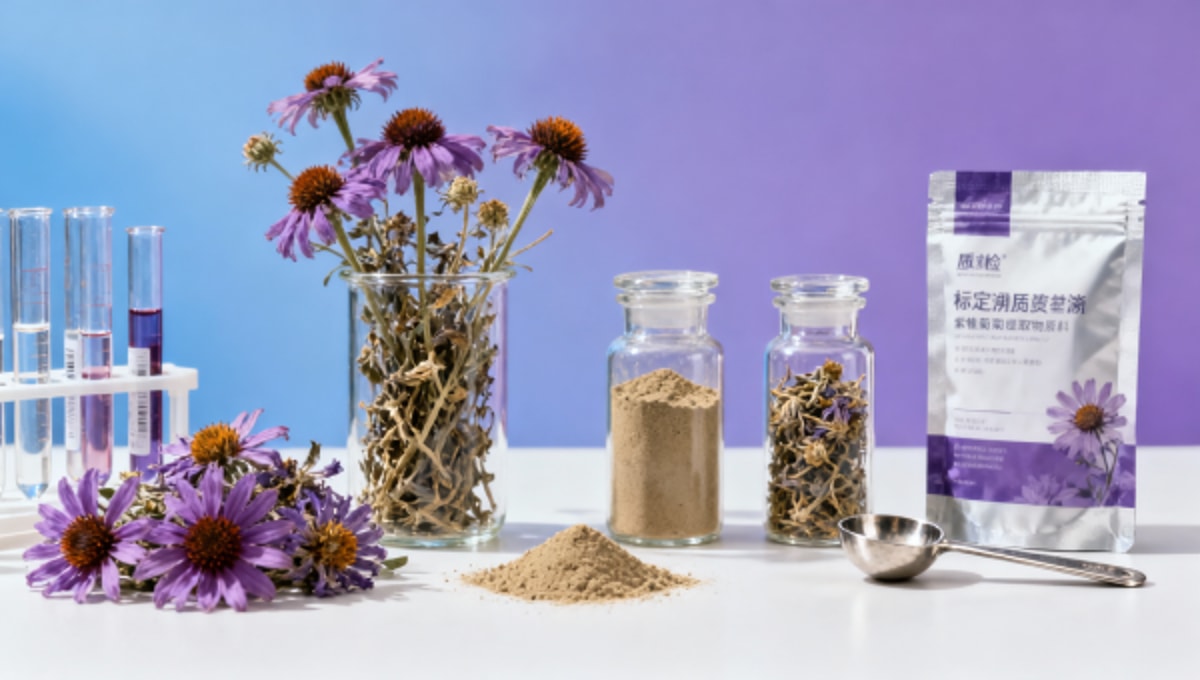
Sourcing echinacea purpurea extract with stable quality requires more than comparing prices. For procurement teams, technical evaluators, and quality managers, consistency depends on raw material origin, active compound control, extraction standards, and supply chain transparency. In a market that also includes astragalus root extract, chaga mushroom extract, and elderberry extract wholesale, understanding how to verify specification reliability is essential for reducing risk and securing long-term value.
What actually determines whether echinacea purpurea extract quality is stable?
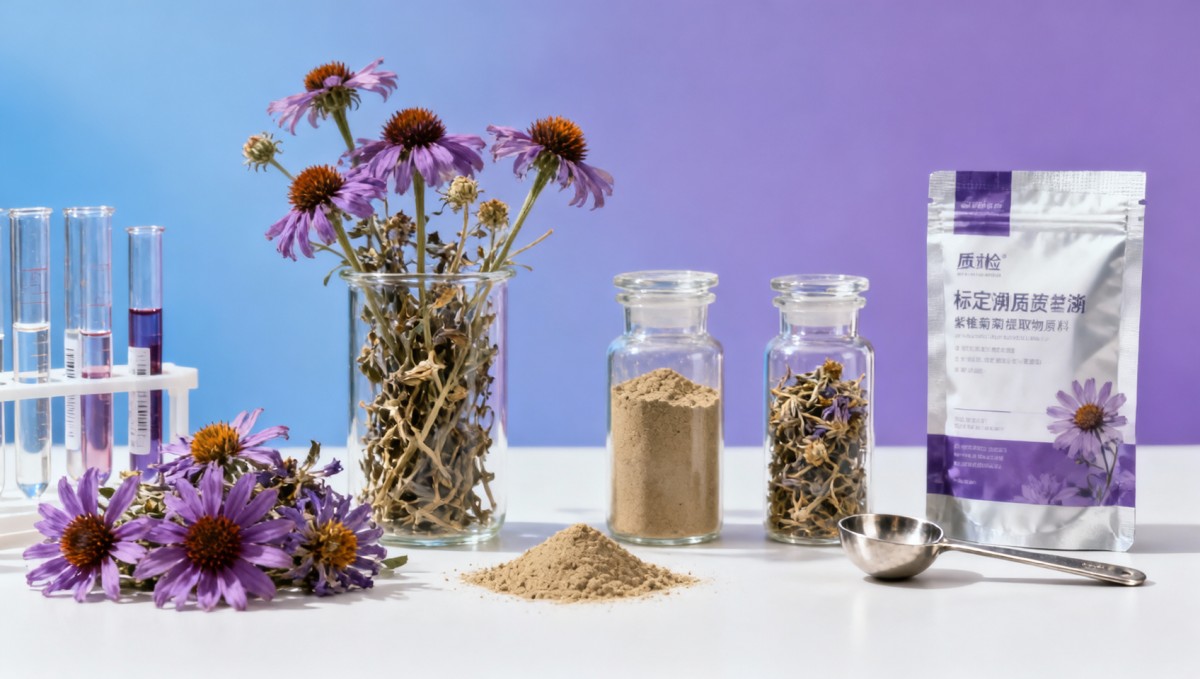
For most buyers, the core question is not simply where to buy echinacea purpurea extract, but how to source material that performs consistently from batch to batch. Stable quality is usually the result of four controllable factors: botanical authenticity, raw material consistency, standardized extraction, and documented quality systems.
In practical procurement terms, a reliable supplier should be able to prove:
- the plant species is truly Echinacea purpurea rather than a mixed or substituted echinacea source,
- the plant part used is clearly defined, such as aerial parts, roots, or whole herb,
- the extract is standardized against relevant marker compounds or ratio specifications,
- residue, heavy metal, and microbial limits are controlled under recognized testing protocols,
- each lot can be traced back to cultivation and processing records.
If any of these points is vague, quality stability becomes difficult to guarantee. This is especially important for manufacturers using the extract in dietary supplements, herbal formulations, functional foods, or contract production environments where one inconsistent batch can disrupt formulation, labeling, release schedules, and customer confidence.
Why raw material origin matters more than many buyers expect
One of the biggest drivers of variation in echinacea purpurea extract is the agricultural starting material. Differences in geography, climate, harvest timing, drying method, and storage conditions can materially affect active compound levels and contamination risk.
Buyers should ask suppliers specific origin questions, including:
- Is the raw material cultivated or wild-collected?
- Which country and growing region does it come from?
- What agricultural controls are used for pesticides and soil contaminants?
- At what maturity stage is the plant harvested?
- How quickly is the material dried and stabilized after harvest?
Stable quality is more likely when the supplier has long-term control over contracted farms or vertically integrated sourcing rather than relying entirely on spot-market purchasing. Spot-market material may be cheaper, but it often introduces variability in color, odor, extractable solids, and marker profile.
For quality-sensitive buyers, consistency of origin often matters more than finding the lowest nominal price. A lower-cost batch that fails identity or specification review typically becomes more expensive after re-testing, delays, reformulation, or rejection.
How to evaluate extract specifications instead of accepting them at face value
Many procurement problems begin with overreliance on a specification sheet alone. A certificate may list extract ratio, appearance, and assay values, but stable sourcing requires understanding what those numbers actually mean.
When reviewing echinacea purpurea extract, buyers should verify:
- Botanical name: The full Latin name should be stated clearly.
- Plant part: Root and aerial parts may differ in composition and application suitability.
- Extract ratio: A 4:1 or 10:1 ratio does not automatically indicate stronger or better quality unless the starting material and process are controlled.
- Marker compounds: The supplier should define which compounds are being measured and by what method.
- Solvent system: Water, ethanol, or hydroalcoholic extraction can influence composition, compliance, and downstream formulation compatibility.
- Carrier content: Some powdered extracts contain maltodextrin or other carriers that change potency and handling characteristics.
Technical evaluators should also compare the specification against the intended product use. A supplement brand, for example, may prioritize standardization and organoleptic consistency, while an industrial buyer may focus more on microbiological control, solubility, and process fit.
Which quality documents should a serious supplier provide?
To reduce sourcing risk, buyers should expect more than a sales brochure and a basic COA. Stable quality usually correlates with strong documentation discipline.
Key documents and records may include:
- Certificate of Analysis for the current batch
- Product specification sheet
- Botanical identity testing data
- Heavy metals, pesticide residues, and microbiological test reports
- Residual solvent testing where applicable
- Allergen, GMO, and BSE/TSE statements if relevant to market requirements
- Manufacturing certifications such as GMP, HACCP, ISO, or equivalent
- Stability or shelf-life support data
- Country of origin and traceability declarations
For regulated or export-oriented applications, document responsiveness is itself a useful supplier quality signal. A vendor that consistently delays or avoids sharing technical files may create problems later during audits, registration reviews, or customer complaint investigations.
How to compare suppliers when several extracts appear similar
In the broader botanical ingredients market, buyers often compare echinacea purpurea extract with other immune-support or wellness-positioned ingredients such as astragalus root extract, chaga mushroom extract, and elderberry extract wholesale offers. These categories may look similar commercially, but supplier evaluation should remain ingredient-specific.
When comparing suppliers, use a weighted scorecard rather than a simple price comparison. Effective criteria often include:
- consistency of assay across multiple historical batches,
- clarity of botanical and plant-part identification,
- testing scope and lab credibility,
- manufacturing controls and audit readiness,
- MOQ flexibility and lead-time reliability,
- ability to support scale-up and repeat purchasing,
- responsiveness to technical and compliance questions.
This approach helps procurement, QA, and commercial teams align on total landed value rather than debating unit price alone. A slightly higher-priced supplier with stronger consistency and documentation often produces lower total risk and better long-term margin protection.
What are the most common sourcing risks and how can buyers reduce them?
Several recurring issues affect botanical extract procurement:
- Species substitution: Similar names or blended sources may create authenticity problems.
- Batch inconsistency: Variability in raw material or processing can affect active profile.
- Incomplete contaminant testing: This creates regulatory and brand risk.
- Overstated specifications: Attractive assay claims may not be supported by robust methods.
- Poor traceability: This makes investigations and recalls more difficult.
- Supply interruption: Seasonal dependence and fragmented farming bases can disrupt continuity.
To reduce these risks, buyers should qualify suppliers in stages:
- Review documents and technical specification fit.
- Test samples from more than one lot where possible.
- Evaluate pilot production performance, not just lab acceptance.
- Confirm commercial lead times and reserve capacity.
- Set written quality agreements for ongoing supply.
This staged method is especially useful for companies planning repeated purchases rather than one-off trading.
A practical sourcing checklist for procurement and QA teams
If your goal is to source echinacea purpurea extract with stable quality, use the following checklist before approving a supplier:
- Confirm the exact botanical identity and plant part.
- Review origin, farming model, and harvest controls.
- Verify extraction solvent, ratio, and marker methodology.
- Check whether carriers or excipients are added.
- Assess batch-to-batch historical consistency.
- Review contaminant control documentation in detail.
- Confirm traceability and document completeness.
- Test samples under your actual formulation or processing conditions.
- Compare total supply reliability, not just quoted price.
- Establish a quality agreement for long-term procurement.
This framework helps technical teams, commercial evaluators, and management stakeholders make decisions based on evidence rather than assumptions.
Conclusion: stable quality comes from controlled systems, not low-price sourcing
The best way to source echinacea purpurea extract with stable quality is to treat supplier selection as a technical and risk-management decision, not merely a purchasing transaction. Buyers who focus on raw material origin, botanical accuracy, extraction standardization, contaminant control, and supply chain transparency are far more likely to secure reliable long-term supply.
In a competitive botanical ingredients market that also features astragalus root extract, chaga mushroom extract, and elderberry extract wholesale options, the strongest purchasing decisions come from disciplined verification. Stable quality is rarely accidental. It is usually the result of suppliers with controlled sourcing, documented processes, and the ability to prove consistency at every stage.
Related Intelligence
- Botanical ExtractsANVISA New Rule: Botanical Extracts to Brazil Require Traceability to Tier-2 SuppliersANVISA new rule requires traceability for botanical extracts to Brazil — now covering tier-2 suppliers. Learn compliance steps, affected sectors & how to prepare before July 2026.
- Botanical ExtractsANVISA’s New Traceability Rule for Botanical Extracts Enters Force in BrazilANVISA’s new traceability rule for botanical extracts takes effect April 27, 2026—learn how it impacts exporters, importers & suppliers in Brazil.
- Botanical ExtractsANVISA Extends Traceability for Botanical Extract Imports to Tier-2 SuppliersANVISA extends botanical extract traceability to tier-2 suppliers—key for Chinese exporters of herbal ingredients, supplements & cosmetics. Act now for July 2026 compliance.
The Morning Broadsheet
Daily chemical briefings, market shifts, and peer-reviewed summaries delivered to your terminal.
