
Elderberry extract wholesale: how to balance price and consistency
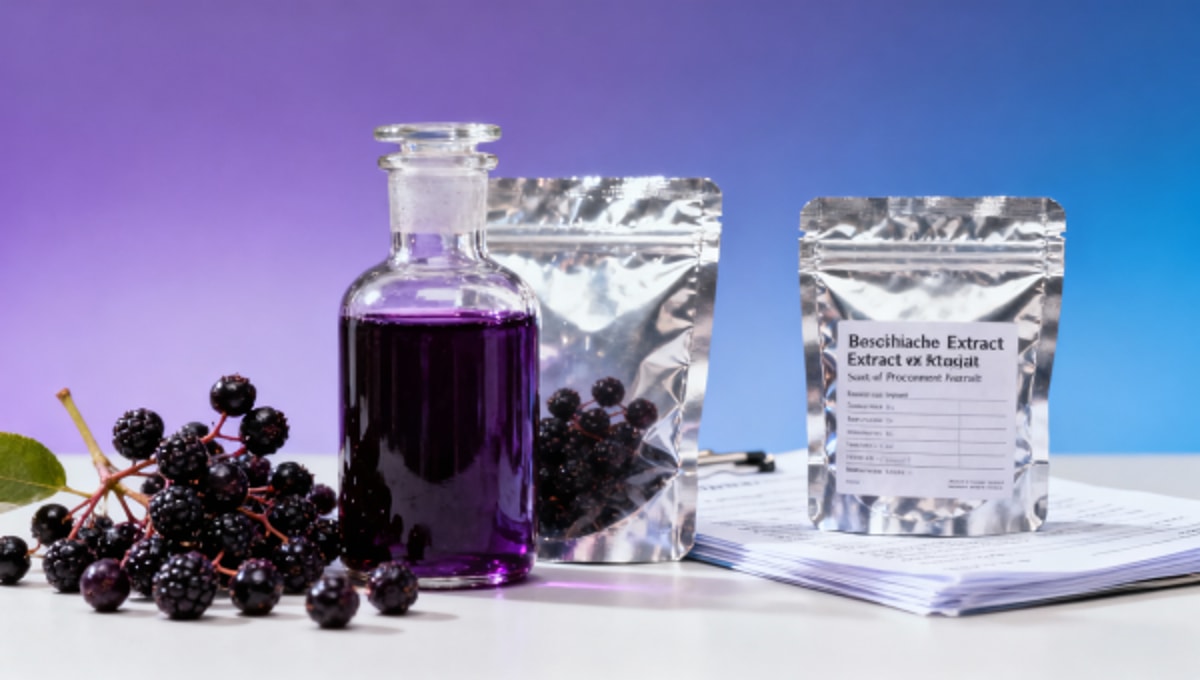
In the fast-moving market for elderberry extract wholesale, buyers must weigh more than unit cost: batch consistency, traceability, and regulatory readiness directly affect product performance and procurement risk. For sourcing teams comparing bioactive ingredients such as astragalus root extract, echinacea purpurea extract, and pomegranate seed extract, understanding how suppliers balance price with standardized quality is essential to making defensible commercial decisions.
For most professional buyers, the core answer is straightforward: the lowest-priced elderberry extract is rarely the lowest-cost option once potency variation, documentation gaps, failed incoming QC, delayed shipments, or reformulation risk are included. The right balance comes from buying against a specification, not just a quote. That means evaluating anthocyanin standardization, raw material origin, extraction process, batch-to-batch controls, packaging, lead time, and supplier quality systems together. In practice, a supplier with a slightly higher offer but stronger consistency often delivers better commercial results, especially for brands, contract manufacturers, and regulated ingredient users.
What buyers are really trying to solve in elderberry extract wholesale
Search intent behind elderberry extract wholesale is usually commercial and evaluative, not informational in the abstract. Buyers are typically trying to answer one or more of these questions:
- How do we secure a competitive price without sacrificing extract potency or reliability?
- What specification points actually explain price differences between suppliers?
- How can we reduce the risk of batch inconsistency, adulteration, or compliance failure?
- Which supplier assessment criteria matter most before RFQ, pilot order, or annual contract?
- How should procurement, QA, technical, and finance align on approval decisions?
For these readers, generic explanations about what elderberry is are far less useful than concrete buying criteria. They need a framework that supports sourcing decisions, internal approvals, and supplier comparison.
Why elderberry extract prices vary more than many buyers expect
Wholesale pricing differences often reflect meaningful technical and supply chain variables, not just supplier margin. Understanding these variables helps buyers avoid comparing unlike-for-like offers.
1. Standardization level and active content
Elderberry extract may be sold as powder or liquid, with different ratios and different standardization claims. One supplier may quote a low price for a basic extract, while another quotes a higher price for material standardized to defined anthocyanin content. If the active content differs, the apparent savings can disappear when dosage is recalculated at finished-product level.
2. Raw material quality and origin
Berry variety, harvest maturity, growing conditions, and post-harvest handling all influence extract quality. Material sourced from well-managed, traceable supply chains tends to command a premium, but often supports more stable color, potency, and contaminant control.
3. Extraction method and processing controls
Solvent system, concentration conditions, carrier use, drying method, and temperature management affect both cost and performance. Excessive heat or poor processing discipline can degrade sensitive compounds. A cheaper extract may meet a loose basic spec while underperforming in stability or sensory profile.
4. Testing depth and documentation
Suppliers with robust certificates of analysis, identity testing, heavy metal control, microbiological testing, pesticide screening, allergen statements, residual solvent review, and traceability documentation carry higher internal costs. For serious buyers, those costs usually represent risk reduction, not overhead waste.
5. Packaging, MOQ, and logistics model
Drum type, liner quality, nitrogen protection where relevant, palletization, warehousing region, and shipping terms all affect final landed cost. Sometimes a low ex-works offer becomes less attractive after freight, repacking, customs handling, and inventory exposure are included.
How to judge consistency before you commit to volume
Consistency is the key issue for repeat buyers. A supplier may offer a competitive first lot, but the real test is whether the second, fifth, and tenth lots behave the same in production.
Check the specification beyond the headline claim
Do not rely on a single marketing line such as “high-quality elderberry extract.” Review:
- Assay method for anthocyanins or other marker compounds
- Specification range, not just target value
- Moisture and ash limits
- Microbiological limits
- Heavy metals and pesticide controls
- Bulk density, mesh size, solubility, and carrier composition
- Appearance and color parameters where relevant
Ask for recent batch history
A capable supplier should be able to provide representative data from multiple production lots. This allows buyers and QA teams to assess process capability, not just one favorable batch. If a supplier avoids showing batch range trends, that is a warning sign.
Validate identity and adulteration risk
Botanical extracts can be vulnerable to substitution or dilution. Depending on application and risk profile, buyers may request chromatographic fingerprinting, species verification, or third-party confirmation. This is especially important when the ingredient will support product claims or enter regulated channels.
Run a pilot in the intended formulation
Even when COA values look acceptable, performance can differ in capsules, gummies, syrups, tablets, powders, or functional beverages. Color stability, taste, flowability, dissolution, and interaction with excipients should be checked before commercial scale-up.
How procurement teams can balance price and quality with a practical sourcing model
The most effective buying approach is a weighted evaluation model rather than choosing the lowest quote. This is especially useful when procurement must align with technical, QA, regulatory, and finance stakeholders.
Use a total-cost perspective
Instead of comparing only price per kilogram, compare:
- Price per unit of active content
- Expected yield in formulation or manufacturing
- Incoming QC pass rate risk
- Lead time reliability
- Inventory holding requirement
- Documentation and audit burden
- Risk of customer complaint, rework, or recall
This method often changes the ranking of suppliers. A cheaper extract with higher variation can create hidden costs across operations, quality control, and customer service.
Segment suppliers by use case
Not every application needs the same supply model. A company may approve:
- A premium supplier for regulated, branded, or claim-sensitive products
- A value-oriented but qualified supplier for less sensitive bulk applications
- A backup supplier with matching core specifications for continuity planning
This layered strategy helps maintain leverage on price while preserving supply resilience.
Set approval gates before RFQ closes
Many sourcing problems begin when teams ask for quotes before agreeing on specification and documentation requirements. Before comparing offers, define mandatory and preferred criteria. This prevents late-stage confusion when a low-priced supplier turns out to be non-compliant with internal standards.
What documents and compliance signals matter most
For elderberry extract wholesale, documentation quality is often a better predictor of supplier maturity than a polished sales presentation. Depending on market and application, buyers should review the following:
- Certificate of Analysis for each batch
- Product specification sheet
- MSDS/SDS
- Country of origin and traceability statement
- GMP, HACCP, ISO, or other relevant certification status
- Allergen, non-GMO, irradiation, vegan, or organic declarations where needed
- Residual solvent and contaminant control information
- Shelf life, storage conditions, and packaging details
- Change control or notification policy
For institutional buyers, the real question is not whether a supplier can provide documents once, but whether they can provide them accurately and repeatedly across orders, audits, and regulatory reviews.
Questions that quickly reveal whether a supplier can support long-term consistency
When comparing elderberry extract suppliers, these questions usually produce more useful answers than broad requests for “best price”:
- What marker compounds are standardized, and which analytical methods are used?
- Can you share data from several recent commercial batches?
- What is the raw material sourcing region, and how is harvest variation managed?
- What carriers or excipients are used in the powder, if any?
- How do you control microbiological load and contaminants?
- What is your typical lead time and annual supply capacity?
- How are deviations, out-of-spec events, and change notifications handled?
- Can you support retained samples, third-party testing, or customer audits?
These questions help procurement, technical evaluation teams, and quality managers distinguish between traders who simply pass through material and suppliers with real process control.
Comparing elderberry extract with other botanical ingredients in a sourcing portfolio
Buyers often evaluate elderberry extract alongside other bioactive ingredients such as astragalus root extract, echinacea purpurea extract, and pomegranate seed extract. While each botanical has its own assay markers and supply profile, the same sourcing principle applies: lowest nominal price rarely tells the full story.
Across botanical portfolios, consistency tends to depend on five recurring factors:
- Raw material authenticity and harvest quality
- Clear marker-compound standardization
- Controlled extraction and drying processes
- Reliable contaminant and micro testing
- Strong lot traceability and documentation
This matters for companies building multi-ingredient product lines, because supplier management systems should be transferable across categories. A disciplined evaluation process for elderberry extract can improve sourcing outcomes across the broader bio-extracts and ingredients portfolio.
Red flags that should make buyers slow down
Some warning signs justify deeper review before approval:
- Price is far below the market range without a clear technical explanation
- COAs appear overly simplified or inconsistent across batches
- Specification ranges are vague or missing
- Supplier avoids discussing analytical methods
- Traceability to raw material origin is weak
- Documentation is slow, incomplete, or contradictory
- Lead times and available volume change dramatically during negotiation
- No clear process exists for CAPA, change control, or complaint handling
These issues do not always mean the supplier is unacceptable, but they do mean the offer should not be evaluated on price alone.
Conclusion: the best elderberry extract wholesale decision is usually the most defensible one
In elderberry extract wholesale, balancing price and consistency is less about finding the cheapest source and more about finding the most reliable specification-to-cost fit for your application. Buyers who focus on active content, process control, traceability, documentation quality, and long-term batch performance are far better positioned than those who compare quotes at face value.
For procurement teams, technical evaluators, QA managers, and business decision-makers, the most practical approach is to define the required specification first, compare suppliers on total cost and risk, validate with pilot and batch history, and only then negotiate commercial terms. That approach may not always deliver the lowest line-item price, but it usually delivers the strongest operational stability, better audit readiness, and fewer downstream surprises.
Related Intelligence
- Botanical ExtractsANVISA New Rule: Botanical Extracts to Brazil Require Traceability to Tier-2 SuppliersANVISA new rule requires traceability for botanical extracts to Brazil — now covering tier-2 suppliers. Learn compliance steps, affected sectors & how to prepare before July 2026.
- Botanical ExtractsANVISA’s New Traceability Rule for Botanical Extracts Enters Force in BrazilANVISA’s new traceability rule for botanical extracts takes effect April 27, 2026—learn how it impacts exporters, importers & suppliers in Brazil.
- Botanical ExtractsANVISA Extends Traceability for Botanical Extract Imports to Tier-2 SuppliersANVISA extends botanical extract traceability to tier-2 suppliers—key for Chinese exporters of herbal ingredients, supplements & cosmetics. Act now for July 2026 compliance.
The Morning Broadsheet
Daily chemical briefings, market shifts, and peer-reviewed summaries delivered to your terminal.
