
How to choose milk thistle extract silymarin
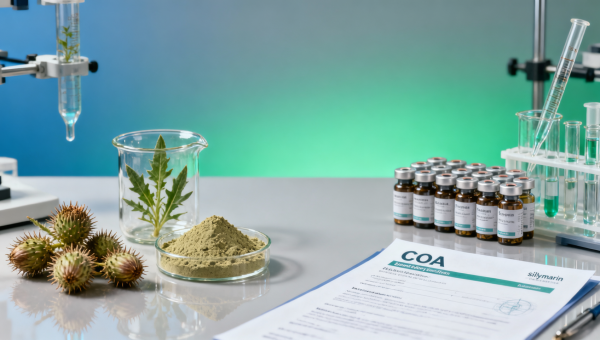
Choosing the right milk thistle extract silymarin is mainly a quality-control and fit-for-purpose decision, not just a price comparison. For procurement teams, formulators, QA managers, and project leads, the best option is the one with verified silymarin standardization, suitable solvent controls, reliable traceability, and documentation that matches the intended market and application. If a supplier cannot clearly prove assay consistency, contaminant control, and manufacturing compliance, the extract is usually not the right choice no matter how attractive the quotation looks.
Choosing the right milk thistle extract silymarin requires more than comparing labels. For researchers, operators, QA teams, and budget approvers, purity, silymarin standardization, solvent residues, and regulatory documentation all shape sourcing decisions. This guide explains how to evaluate extract quality while benchmarking related botanical ingredients such as pine bark extract bulk, grape seed extract opc, and green tea extract egcg for reliable industrial procurement.
What buyers should check first when choosing milk thistle extract silymarin
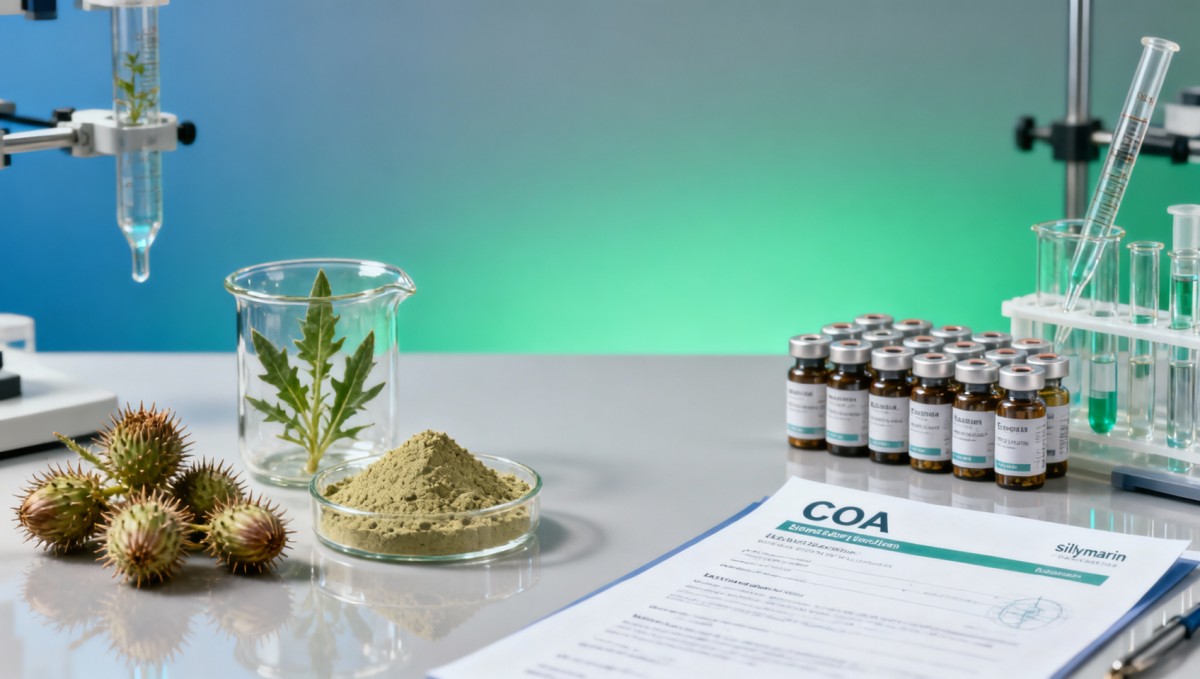
The core search intent behind this topic is practical evaluation: buyers want to know how to select a milk thistle extract that is effective, compliant, stable, and commercially safe to source. Most target readers are not looking for a generic botanical overview. They want a decision framework.
In real procurement and product-development settings, the first questions are usually these:
- What is the actual silymarin content, and how is it tested?
- Is the extract standardized batch to batch?
- Which extraction solvent was used, and are residual solvents controlled?
- Does the supplier provide COA, specification sheets, allergen statements, heavy metal data, pesticide screening, and microbiological limits?
- Is the material suitable for dietary supplements, pharmaceuticals, functional foods, or research use?
- Can the supplier support stable long-term supply at industrial scale?
If these points are addressed clearly, the buyer can move from initial screening to commercial qualification much faster. If they are unclear, the sourcing risk rises immediately.
Understand what “silymarin” really means on a specification sheet
One common mistake is assuming that all milk thistle extract products are equivalent if they mention the same plant source. They are not. Milk thistle extract is derived from Silybum marianum, but the commercially important indicator is usually the silymarin complex, not just the raw herb identity.
Silymarin is not a single molecule. It is a group of flavonolignans, often including silybin, isosilybin, silychristin, and silydianin. Because of this, two products both labeled “milk thistle extract” may differ significantly in potency, composition, and performance.
Buyers should verify:
- Standardization level: such as 70%, 80%, or another declared silymarin content
- Test method: HPLC is generally preferred for more precise compositional analysis
- Marker definition: whether the assay refers to total silymarin or a narrower marker such as silybin
- Part used: seed or fruit is typically the relevant raw material for standardized extracts
A specification that only says “milk thistle extract” without a validated assay method is usually not enough for serious industrial procurement.
How to evaluate extract quality beyond the headline percentage
The declared silymarin percentage is important, but it is only one part of quality evaluation. A high assay number has limited value if the product has poor contaminant control, unstable appearance, or incomplete traceability.
Quality review should include the following:
- Appearance and physical properties: color, odor, particle size, bulk density, and solubility profile where relevant
- Active consistency: batch-to-batch assay variation and retention data
- Contaminant control: heavy metals, pesticide residues, PAHs where applicable, and microbiological compliance
- Residual solvents: especially important if alcohols, acetone, or other process solvents are used
- Adulteration risk: whether the supplier has identity controls and raw material authentication procedures
For QA teams and safety managers, the real question is not “Is the assay high?” but “Is the material consistently safe, authentic, and compliant for our intended use?” That is the more meaningful commercial standard.
Why extraction method and solvent choice matter
Extraction method directly affects purity, cost, and regulatory suitability. Different suppliers may use ethanol, methanol, acetone, ethyl acetate, or mixed systems depending on process design and target concentration. This matters because solvent choice influences both extract composition and residual solvent risk.
For many buyers, ethanol-based extraction is easier to position from a regulatory and market-acceptance perspective, especially for supplement and food-adjacent applications. However, what matters most is not marketing language but validated residual solvent control.
Ask suppliers for:
- Extraction solvent disclosure
- Residual solvent limits and actual batch results
- Drying method and controls after extraction
- Use of excipients, carriers, or anti-caking agents
This is especially important when comparing milk thistle extract silymarin with other botanical ingredients such as pine bark extract bulk, grape seed extract opc, or green tea extract egcg. In all of these categories, extraction technology strongly influences not only potency but also downstream compliance, taste profile, stability, and formulation compatibility.
Which documents separate qualified suppliers from risky ones
For financial approvers and project managers, supplier documentation is often the clearest indicator of whether a quotation is truly procurement-ready. A low unit price can become expensive if the material fails qualification or causes reformulation delays.
A qualified supplier should normally provide:
- Certificate of Analysis for the current lot
- Product specification sheet
- Manufacturing flow chart or process summary
- Stability or shelf-life statement
- Heavy metal, pesticide, and microbiological test data
- Residual solvent report
- Country of origin and traceability records
- GMP, ISO, HACCP, or relevant quality certifications where applicable
- Non-GMO, allergen, BSE/TSE, and irradiation statements if required by market
For pharmaceutical or tightly regulated export markets, additional audit materials may be needed. If a supplier is vague about analytical methods, raw material source, or quality systems, that uncertainty should be treated as a commercial risk rather than a minor inconvenience.
How target application changes the right buying decision
The best milk thistle extract silymarin for one project may be the wrong one for another. Selection should always follow intended use.
- For dietary supplements: standardization, clean-label positioning, residual solvent control, and supply continuity are usually key
- For pharmaceutical or API-adjacent research: tighter assay definition, validated methods, impurity control, and documentation depth matter more
- For functional food or beverage concepts: dispersibility, taste impact, color, and compatibility with the matrix become important
- For contract manufacturing: lot consistency, lead time, packaging format, and MOQ flexibility may strongly affect total cost
This is why technical teams, procurement teams, and finance should evaluate the extract together. A product that looks cost-effective on paper may generate hidden costs through failed blending performance, regulatory delays, or customer complaints.
How to compare milk thistle extract with pine bark extract bulk, grape seed extract opc, and green tea extract egcg
Buyers often source multiple botanical actives and want a consistent evaluation model across categories. That is a smart approach. Although the actives differ, the procurement logic is similar.
When comparing milk thistle extract silymarin with pine bark extract bulk, grape seed extract opc, and green tea extract egcg, use the same five checkpoints:
- Identity: correct botanical source and plant part
- Standardization: clearly defined active markers such as silymarin, OPC, or EGCG
- Purity: contaminants, solvent residues, and adulteration control
- Compliance: documentation, certifications, and market suitability
- Supply reliability: scale, consistency, lead times, and change-control discipline
The specific marker compounds differ, but the buying discipline should remain the same. In industrial procurement, a standardized extract is only as good as the analytical transparency and manufacturing control behind it.
Practical supplier screening questions before approval
To shorten evaluation time, teams should use a focused supplier questionnaire. Useful questions include:
- What is the guaranteed silymarin assay, and which method is used?
- What is the typical range for the last 3 to 5 batches?
- Which solvents are used in extraction, and what are the residual solvent specifications?
- What are the limits for heavy metals, total plate count, yeast and mold, and key pathogens?
- Is the extract standardized with added carriers, or is it pure extract?
- What are the packaging materials and recommended storage conditions?
- What is the shelf life under commercial storage conditions?
- Can the supplier provide traceability from raw botanical material to finished extract lot?
- What change-control process applies if raw material origin or processing conditions change?
These questions help technical teams identify whether a supplier operates with robust process control or merely trades commodity botanical powders.
Common buying mistakes to avoid
Several recurring mistakes lead to poor outcomes in botanical extract procurement:
- Choosing solely on price per kilogram without considering active content or documentation quality
- Assuming all “80% silymarin” products are analytically equivalent
- Ignoring residual solvent reports
- Overlooking excipients or carriers that dilute active loading
- Failing to align the specification with the target market’s regulatory expectations
- Approving samples without reviewing full commercial-batch consistency
In most cases, the cheapest material becomes the most expensive when qualification failures, rejected lots, or label claim issues appear later.
Conclusion: the right milk thistle extract silymarin is the one that is proven, not just promised
If you need a clear rule for choosing milk thistle extract silymarin, use this one: buy against evidence, not marketing claims. The right extract should have transparent standardization, validated testing, controlled residual solvents, reliable contaminant data, and documentation that fits the final application and target market.
For researchers, operators, QA personnel, financial approvers, and project managers alike, the safest path is a cross-functional evaluation process. Review assay accuracy, extraction method, compliance documents, and supply stability together. This same disciplined approach also applies when sourcing pine bark extract bulk, grape seed extract opc, and green tea extract egcg. In botanical procurement, consistent quality and traceable manufacturing are what protect performance, compliance, and long-term value.
Related Intelligence
- Botanical ExtractsANVISA’s New Traceability Rule for Botanical Extracts Enters Force in BrazilANVISA’s new traceability rule for botanical extracts takes effect April 27, 2026—learn how it impacts exporters, importers & suppliers in Brazil.
- Botanical ExtractsANVISA Extends Traceability for Botanical Extract Imports to Tier-2 SuppliersANVISA extends botanical extract traceability to tier-2 suppliers—key for Chinese exporters of herbal ingredients, supplements & cosmetics. Act now for July 2026 compliance.
- Botanical ExtractsANVISA Extends Traceability for Botanical Extracts to Tier-2 SuppliersANVISA extends botanical extract traceability to tier-2 suppliers—solvents, filter aids, adsorption media—effective Sept 1, 2026. Essential for exporters & supplement brands.
The Morning Broadsheet
Daily chemical briefings, market shifts, and peer-reviewed summaries delivered to your terminal.
