
How to choose maitake mushroom extract for clean-label formulas
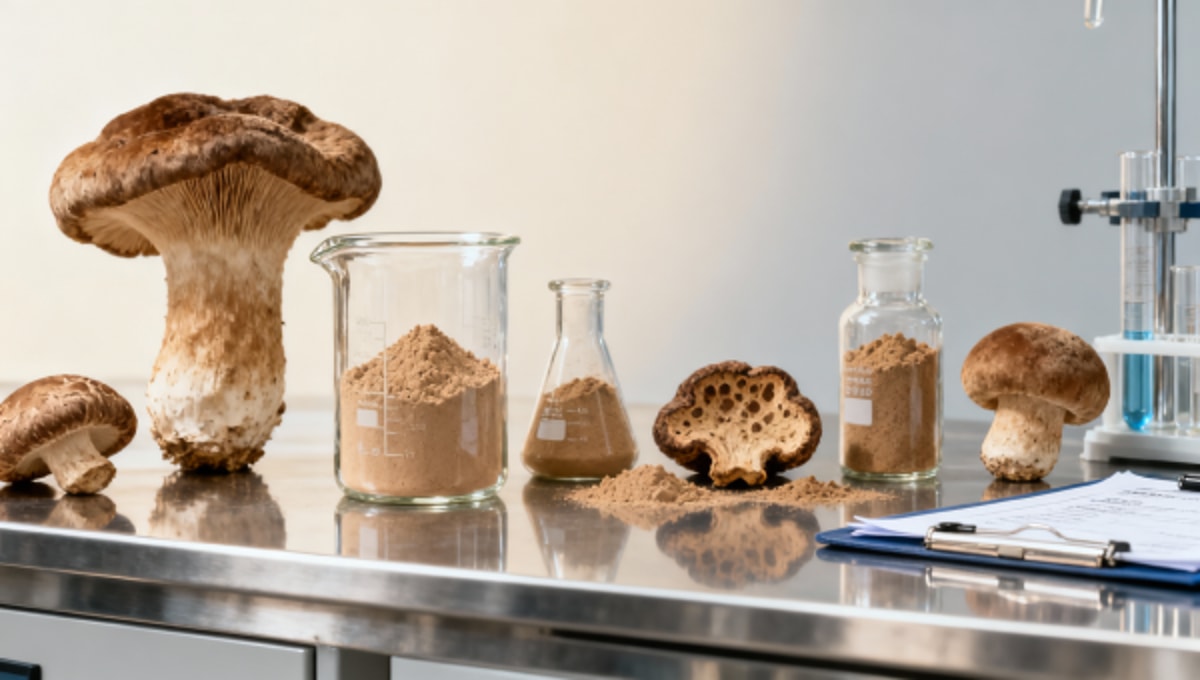
Choosing maitake mushroom extract for clean-label formulas requires more than a quick label check. Buyers and formulators must compare source traceability, extraction method, active compound standardization, and regulatory fit while also benchmarking options such as shiitake mushroom powder, chaga mushroom extract, and lion's mane mushroom powder. This guide outlines the key technical and commercial criteria for reliable evaluation.
For B2B buyers in food, nutraceutical, beverage, and functional ingredient supply chains, the selection process is rarely about one claim or one certificate. It is a multi-factor assessment involving raw material origin, process consistency, target specification, contaminant controls, label declaration strategy, and supplier transparency. A clean-label formula can fail commercially if the extract delivers unstable color, poor dispersion, or inadequate documentation during audit.
That is why procurement teams, technical evaluators, quality managers, and finance approvers should assess maitake mushroom extract through both scientific and commercial lenses. In practice, 4 decision layers usually matter most: ingredient identity, functional performance, compliance fit, and total cost of ownership. When these layers are reviewed together, clean-label product development moves faster and supplier risk becomes easier to control.
Why maitake mushroom extract needs a stricter clean-label evaluation framework
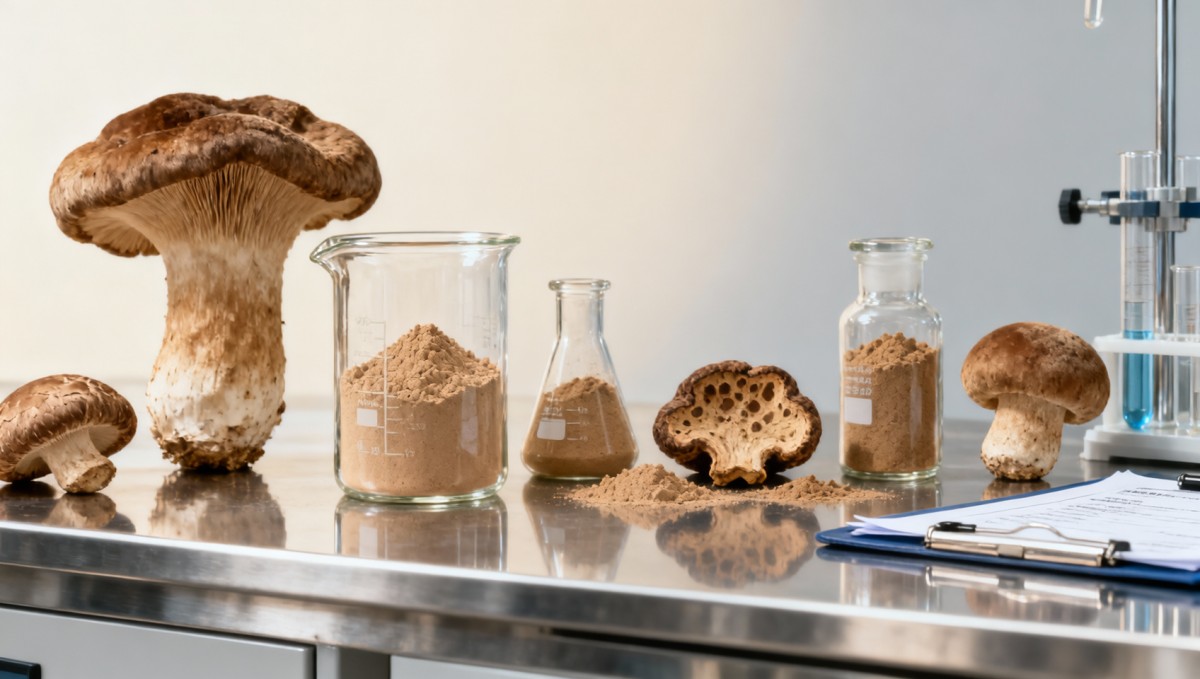
Maitake mushroom extract is often selected for its polysaccharide profile, positioning in wellness-focused formulations, and compatibility with plant-forward product concepts. However, not all materials sold under the same name are equivalent. Buyers may encounter fruiting body extracts, mycelium-based ingredients, concentrated hot-water extracts, dual extracts, and simple powders. These differences can materially affect dosage, sensory impact, and declaration language on finished packaging.
In clean-label projects, a key challenge is balancing simplicity with functionality. A product team may want a short ingredient statement of 3 to 8 items, yet still require active support, low microbial load, and stable processing behavior across 2 or 3 manufacturing sites. If the supplier cannot document substrate, solvent system, and concentration ratio, the ingredient may create review delays in regulatory, QA, and customer approval workflows.
Maitake also sits in a broader medicinal mushroom category, so it is commonly compared with shiitake mushroom powder, chaga mushroom extract, and lion's mane mushroom powder. Those alternatives may differ in beta-glucan level, taste intensity, color tone, and cost per active unit. A clean-label buyer should therefore avoid comparing materials only by price per kilogram and instead assess value by standardized actives, process suitability, and documentary completeness.
From a risk perspective, 5 issues appear repeatedly in procurement reviews: unclear species verification, missing heavy metal controls, vague extraction ratio claims, unstable batch color, and incomplete allergen or carrier disclosure. Each one can slow product launch by 2 to 6 weeks if discovered late. Early technical screening reduces these delays and improves cross-functional alignment between R&D, sourcing, quality, and commercial teams.
Core clean-label questions to ask before shortlisting suppliers
- Is the material made from fruiting body, mycelium, or a blend, and is that clearly stated on the specification?
- What extraction method is used: hot water, dual extraction, or simple milling, and does it match the target formula type?
- Are beta-glucans or polysaccharides standardized to a stated range such as 20%–40% or higher?
- Does the product contain carriers like maltodextrin, and if yes, at what approximate inclusion level?
- Can the supplier provide COA, microbiology, heavy metals, pesticide screening, and country-of-origin records within 48–72 hours?
Technical selection criteria: source, extraction, actives, and formulation fit
A strong evaluation starts with source traceability. Buyers should confirm species identity, cultivation region, harvested part, and whether the material comes from controlled cultivation or mixed sourcing. For most industrial purchasing teams, lot-level traceability back to farm, processor, and export batch is no longer optional. If a supplier cannot support a document trail for at least the last 12 months, long-term approval becomes difficult in regulated or premium product categories.
Extraction method matters because it determines both active recovery and label implications. Hot-water extraction is widely used for water-soluble polysaccharides and is generally easier to position in clean-label formulas. Dual extraction may broaden the phytochemical profile but may require more documentation on solvent removal and residual controls. A simple mushroom powder may look cleaner on paper, yet often requires higher use rates, sometimes 2 to 5 times higher than a concentrated extract to reach the same functional target.
Standardization should be specific. Terms like “high potency” or “premium extract” are not enough for technical review. Better suppliers define measurable markers such as beta-glucans, total polysaccharides, moisture, bulk density, particle size, and ash. Typical purchasing specifications may include moisture below 8%, total plate count under standard contractual limits, and a defined active range with an acceptable batch variance of no more than ±10% against the target specification.
Formulation fit is equally important. A maitake mushroom extract intended for capsules, stick packs, gummies, RTD beverages, or powdered blends will not be evaluated in the same way. Solubility, sedimentation, hygroscopicity, taste intensity, and color shift under pH 3.5–7.0 should be checked in pilot work. In many projects, 3 pilot batches are enough to reveal whether the selected ingredient is suitable for scale-up or likely to create downstream processing issues.
Practical parameter checklist
The table below summarizes the technical parameters that typically matter most when screening maitake mushroom extract for clean-label product development.
The key takeaway is that ingredient selection should be based on measurable performance, not marketing language. A lower-cost extract may become more expensive if it requires higher use rates, extra flavor masking, or additional compliance review. In industrial purchasing, a difference of 5%–10% in raw material price can be less important than a 20%–30% difference in usable active content or process stability.
Three formulation-specific checkpoints
- For powders and capsules, confirm flowability, particle size distribution, and moisture stability over a 3-month accelerated storage review.
- For beverages, test dispersion, sediment behavior, and flavor interaction at at least 2 dosage levels and 2 pH conditions.
- For gummies or functional foods, assess heat tolerance, color carryover, and possible interaction with sweetener or hydrocolloid systems.
Comparing maitake with shiitake, chaga, and lion’s mane in commercial sourcing
Maitake mushroom extract should not be evaluated in isolation. Category buyers often build a short list that includes shiitake mushroom powder, chaga mushroom extract, and lion's mane mushroom powder because all four are used in wellness, immunity, cognitive, or functional beverage concepts. Yet each material performs differently in terms of sensory profile, cost structure, and story for end-market positioning.
Shiitake mushroom powder is often easier to understand from a culinary perspective, but it may offer lower concentration and stronger savory notes in some formulations. Chaga mushroom extract can support premium positioning, though it may have darker color and stronger flavor impact that limit use in light-colored applications. Lion's mane mushroom powder is frequently considered for cognition-oriented product concepts, but its functionality in a formula depends heavily on source quality and processing style.
Maitake often occupies a practical middle ground for buyers who need a recognizable mushroom ingredient with credible functional value and manageable sensory impact. Still, the right choice depends on application. A 300 mg serving in capsules is not equivalent to a beverage inclusion at 1.5 g per bottle or a powdered blend at 2 g per sachet. Commercial evaluation must therefore account for dose format, positioning, and final cost per serving.
Cross-comparison also helps procurement teams negotiate more effectively. When technical teams define acceptable ranges for color, active markers, and carrier content across several mushroom ingredients, suppliers are less able to rely on vague premium claims. This improves sourcing discipline and supports cleaner approval decisions for operations, QA, and finance.
Commercial comparison across common mushroom ingredients
The following table is useful for initial benchmarking when a team is selecting among leading mushroom ingredients for clean-label product concepts.
This comparison does not mean one ingredient is universally better. It shows that the best sourcing decision depends on formulation architecture, label strategy, and the cost per functional serving. In many procurement reviews, calculating cost per 1,000 finished units reveals more than headline raw material price alone.
Supplier qualification, compliance records, and quality control checkpoints
Once the ingredient type is defined, supplier qualification becomes the deciding factor. A technically acceptable maitake mushroom extract can still be a poor purchasing choice if the supplier lacks document discipline or stable manufacturing control. For industrial buyers, the approval process should cover at least 6 checkpoints: company profile, manufacturing capability, quality systems, testing scope, change control, and logistics continuity.
Documentation should be reviewed in layers. The basic layer includes specification sheet, certificate of analysis, allergen statement, non-GMO statement where applicable, and microbial data. The second layer should address heavy metals, pesticide controls, residual solvents if relevant, and country-of-origin confirmation. A third layer may include audit summary, process flow overview, and packaging or storage validation, especially for buyers managing higher-value or export-oriented products.
Lead time and stock planning are also essential. A standard replenishment cycle may range from 3 to 8 weeks depending on origin, extraction capacity, and customs clearance. If the supplier’s MOQ is 25 kg for pilot orders but 300–500 kg for commercial supply, the transition plan should be clear before formula approval. Otherwise, a successful lab trial may still lead to commercial delay or cost escalation.
Quality control should extend beyond the first incoming lot. Mature buyers establish periodic review windows every 6 or 12 months and request retained sample comparisons where possible. This approach is particularly useful for mushroom ingredients because visual appearance, odor intensity, and moisture shift can change with season, drying conditions, and processing load.
Recommended supplier approval matrix
A practical approval matrix helps project managers and purchasing teams assign weight to technical and commercial factors without overcomplicating the decision.
This weighting model is flexible, but it keeps teams from making a sourcing decision based only on the lowest quote. In clean-label programs, quality and supply transparency often save more value than short-term price reductions, particularly when reformulation or requalification would otherwise consume 1 to 2 extra project cycles.
Common supplier red flags
- Specifications use broad phrases but no measurable active ranges.
- Origin or mushroom part changes without formal notification.
- COA turnaround regularly exceeds 3 business days.
- Pilot sample and commercial lot show visible differences in color or odor.
- MOQ, packaging format, or lead time changes sharply after initial approval.
Implementation guidance, common mistakes, and buyer FAQ
Even well-selected maitake mushroom extract can underperform if implementation is rushed. A practical rollout usually follows 5 steps: define target claim and serving size, screen 2 to 4 suppliers, test pilot samples, complete document review, and then run a controlled first commercial order. This sequence helps teams align technical suitability with real procurement conditions rather than approving on laboratory data alone.
One common mistake is assuming “clean-label” means any minimally described ingredient is acceptable. In reality, buyers still need robust technical evidence. Another mistake is overlooking flavor and color impact until late-stage sensory review. A third is comparing mushroom ingredients by dosage weight instead of active delivery, which can distort costing by a significant margin in finished product economics.
Project managers should also define acceptance criteria before requesting commercial quotations. If the team agrees in advance on beta-glucan range, microbial limits, permitted carriers, packaging format, and target lead time, supplier discussions become faster and more objective. This is especially useful when multiple functions must approve the ingredient, including R&D, QA, sourcing, regulatory, and finance.
For companies managing broader bio-extract portfolios, a disciplined approach to maitake mushroom extract selection creates a repeatable sourcing model that can later be applied to shiitake mushroom powder, chaga mushroom extract, lion's mane mushroom powder, and adjacent botanical materials. The result is stronger ingredient governance, better vendor comparability, and more predictable product development timelines.
How should buyers evaluate first samples?
Request at least 2 sample lots if possible, not just one. Review color, odor, dispersion, moisture, and active specification side by side. A single attractive sample can hide variability that becomes visible only when two lots are compared. For most pilot work, 500 g to 2 kg is enough to test bench performance and basic process compatibility.
What serving economics should procurement teams watch?
Use cost per functional serving, not cost per kilogram, as the main buying metric. For example, an extract priced higher by 12% may still lower final formula cost if it delivers the target active level at 30% lower inclusion. This is particularly relevant in capsules, sachets, and premium beverage concentrates where serving space is limited.
How long does qualification usually take?
A focused qualification cycle often takes 2 to 6 weeks, depending on sample availability, documentation readiness, and whether pilot production is required. If additional contaminant testing or customer-specific review is needed, the timeline may extend further. Early alignment on specifications can shorten this cycle materially.
Which buyers benefit most from a stricter review process?
The biggest gains are usually seen by procurement leaders, technical assessors, quality teams, and brand owners managing premium or export-oriented formulas. These groups face the highest cost when an ingredient fails after launch preparation, whether through reformulation, delayed approval, or customer complaint handling.
Selecting maitake mushroom extract for clean-label formulas is ultimately a decision about evidence, fit, and supply confidence. The strongest choices come from comparing source traceability, extraction method, active standardization, contaminant controls, and commercial practicality in one review process rather than in separate silos.
If your team is evaluating mushroom ingredients for functional foods, nutraceuticals, or broader bio-extract programs, a structured sourcing framework can reduce approval risk and improve cost visibility from pilot stage to commercial launch. To discuss supplier screening criteria, specification design, or broader ingredient evaluation strategies, contact us to get a tailored solution and explore more sourcing insights.
Related Intelligence
- Botanical ExtractsANVISA New Rule: Botanical Extracts Import to Brazil Requires Two-Tier TraceabilityANVISA new rule mandates two-tier traceability for botanical extracts imported to Brazil — learn how it impacts Chinese exporters, compliance deadlines & AgroTrace integration.
- Botanical ExtractsANVISA New Rule: Botanical Extracts to Brazil Require Traceability to Tier-2 SuppliersANVISA new rule requires traceability for botanical extracts to Brazil — now covering tier-2 suppliers. Learn compliance steps, affected sectors & how to prepare before July 2026.
- Botanical ExtractsANVISA’s New Traceability Rule for Botanical Extracts Enters Force in BrazilANVISA’s new traceability rule for botanical extracts takes effect April 27, 2026—learn how it impacts exporters, importers & suppliers in Brazil.
The Morning Broadsheet
Daily chemical briefings, market shifts, and peer-reviewed summaries delivered to your terminal.
