
How much should chaga mushroom extract cost at bulk scale?
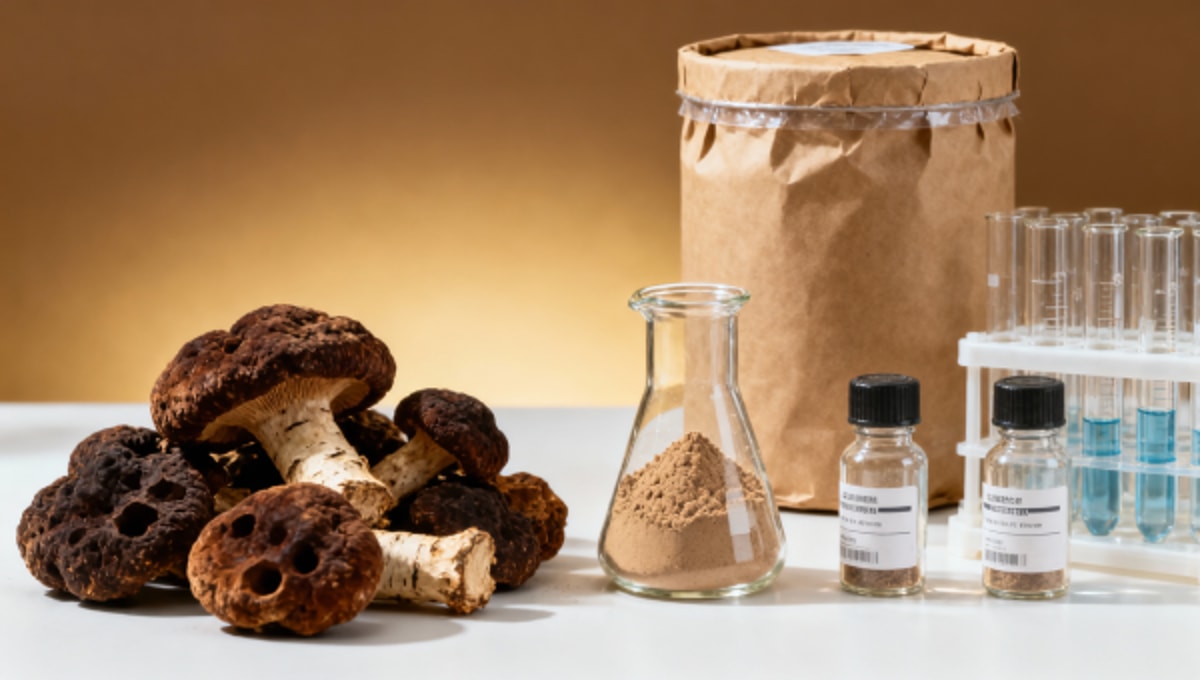
At bulk scale, chaga mushroom extract pricing depends on extraction ratio, beta-glucan potency, origin traceability, and compliance standards rather than headline quotes alone. For buyers comparing maitake mushroom extract, shiitake mushroom powder, cordyceps extract wholesale, lion's mane mushroom powder, reishi mushroom extract bulk, astragalus root extract, echinacea purpurea extract, elderberry extract wholesale, and pomegranate seed extract, understanding true cost drivers is essential for accurate sourcing, risk control, and procurement decisions.
What does bulk chaga mushroom extract cost really include?
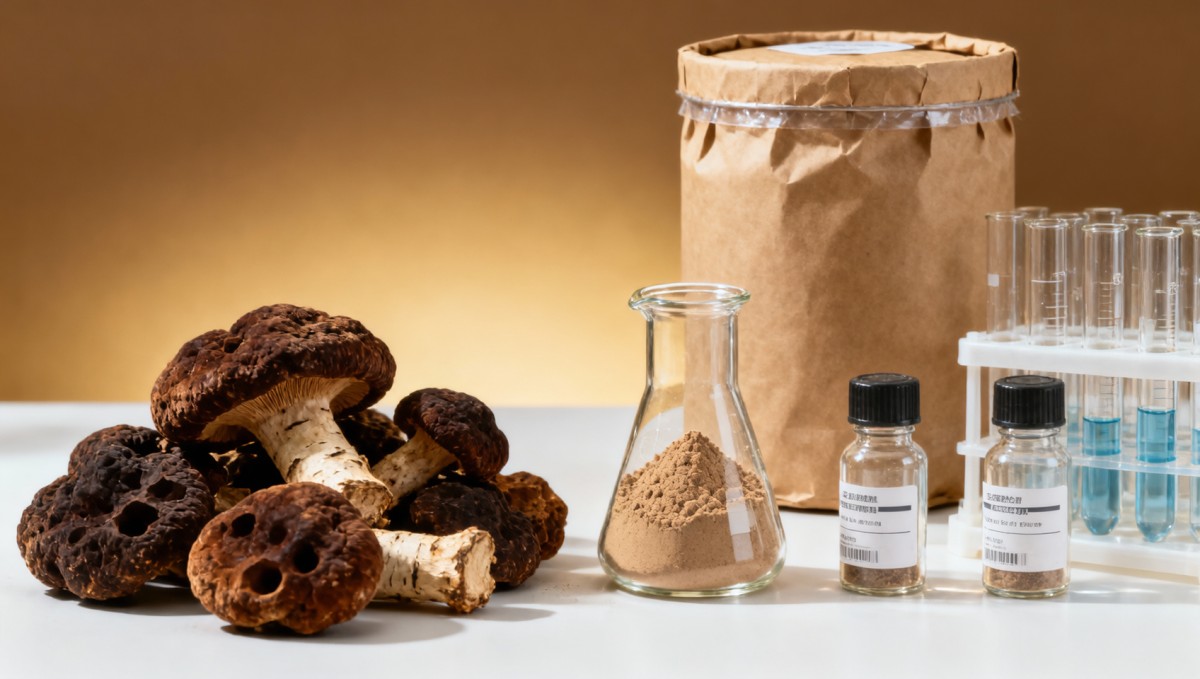
In industrial purchasing, the cost of chaga mushroom extract is rarely explained by a single per-kilogram quote. A realistic bulk-scale price is usually the outcome of 4 core variables: raw material quality, extraction strength, laboratory specification, and supply-chain compliance. For procurement teams in nutraceutical, food ingredient, and bio-extract operations, this means the cheapest offer often carries the highest downstream risk.
Bulk scale also changes the pricing logic. A 5 kg trial order, a 100 kg commercial order, and a 1,000 kg annual contract are priced differently because yield loss, packaging format, lot consolidation, and documentation effort are different. Buyers should therefore evaluate cost in at least 3 layers: ex-works material price, landed cost, and total quality-adjusted procurement cost over one purchasing cycle.
For chaga mushroom extract, extraction ratio claims such as 4:1, 8:1, or 10:1 do not always indicate equivalent value. One supplier may quote a low price for a 10:1 powder with weak analytical control, while another may price a lower-ratio extract higher because it standardizes beta-glucans, polysaccharides, moisture, ash, heavy metals, and microbiological limits. That difference matters to quality control, finance approval, and end-use performance.
This is where AgriChem Chronicle adds value for institutional readers. ACC focuses on the intersection of bio-extracts, primary processing, and regulated supply chains, helping technical evaluators and sourcing managers compare not just ingredient quotes but also manufacturing discipline, documentation quality, and commercial reliability across multiple botanical and mushroom extract categories.
The 5 most common cost components in a bulk quote
- Raw material origin and harvesting method, including wild-crafted versus cultivated supply and regional variability in chaga biomass quality.
- Extraction process inputs, especially water extraction, dual extraction, concentration stage, drying method, and filtration controls.
- Specification requirements, such as beta-glucan range, polysaccharide assay, particle size, solvent residue expectations, and microbial limits.
- Compliance and documentation, including COA format, traceability records, allergen statements, HACCP alignment, and where relevant GMP-oriented document support.
- Commercial execution costs, including minimum order quantity, palletization, export packaging, shipping route, and typical lead time of 2–6 weeks.
When procurement teams fail to break pricing into these components, comparisons with reishi mushroom extract bulk or cordyceps extract wholesale become distorted. A lower quote can quickly become more expensive if it triggers failed incoming inspection, delayed customs clearance, or reformulation work after potency variance between lots.
Which technical specifications move the price most?
Technical parameters shape the usable value of chaga mushroom extract more than marketing descriptions. In most B2B sourcing decisions, there are 6 specification points that directly affect price: extract ratio, assay basis, moisture, ash, mesh size, and contaminant control. Buyers should request these in writing before any commercial comparison with shiitake mushroom powder, lion's mane mushroom powder, or maitake mushroom extract.
A stronger specification usually raises cost because it reduces manufacturing flexibility. For example, tighter moisture control can improve storage stability but may require additional drying time and batch monitoring. A narrower microbial limit can also increase processing and testing burden. The same applies when a purchaser requests a standardized beta-glucan range rather than a generic polysaccharide declaration.
Another pricing factor is whether the extract is intended for capsules, tablets, powder blends, beverages, or further industrial compounding. A fine mesh powder suitable for uniform blending may need additional milling and sieving. A beverage application may require stronger solubility and cleaner sensory control. Each of these adds processing cost and quality review time, often across 2–3 internal checkpoints before release.
For technical assessment teams, the goal is not to demand the highest specification in every case. The goal is to align specification with application risk. Overbuying specification can inflate budget unnecessarily, while underbuying can raise complaint rates, batch rejection, or label inconsistency in downstream finished goods.
Specification checkpoints procurement should ask first
Before requesting a formal quotation, use the following comparison framework to avoid mismatched offers. It is especially useful when screening chaga mushroom extract against adjacent categories such as astragalus root extract, echinacea purpurea extract, elderberry extract wholesale, and pomegranate seed extract.
A table like this helps finance, QA, and sourcing teams work from one set of criteria. It also prevents a common mistake: comparing one supplier’s standardized chaga mushroom extract to another supplier’s generic mushroom powder as though both represent the same commercial value.
Typical ranges buyers should classify
In practical sourcing, it is useful to separate quotations into 3 operating bands: entry industrial grade, controlled commercial grade, and specification-led premium grade. The exact limits vary by end market, but this classification helps project managers and buyers assess whether the quote matches a pilot stage, routine production stage, or a regulated, documentation-heavy supply program.
Lead time is another hidden technical variable. Standard material may ship in 7–15 days if stock is available, while custom assay confirmation, revised packaging, or extra analytical work may extend total release time to 3–5 weeks. That delay can matter more than nominal unit price when production schedules are tight.
How should buyers compare chaga with other extracts and mushroom ingredients?
Procurement rarely evaluates chaga mushroom extract in isolation. Many sourcing teams review it alongside maitake mushroom extract, shiitake mushroom powder, lion's mane mushroom powder, reishi mushroom extract bulk, and cordyceps extract wholesale, especially when the commercial brief is broader than one ingredient. Comparison must therefore look beyond botanical name and into process intensity, market volatility, and application fit.
Chaga often carries a different cost logic from commodity-style mushroom powders because origin traceability and extraction yield can be more restrictive. By contrast, shiitake mushroom powder may be more straightforward where whole-mushroom milling is acceptable. Reishi mushroom extract bulk may involve stronger standardization expectations in some formulations. Lion's mane mushroom powder may be selected where branding or texture handling differs from extract-led positioning.
Cross-category comparisons also matter outside mushrooms. A product developer choosing between chaga mushroom extract, astragalus root extract, echinacea purpurea extract, elderberry extract wholesale, and pomegranate seed extract may be balancing immune-positioning concepts, sensory constraints, budget ceilings, and regional labeling preferences. That means price should be tied to use case, not just ingredient popularity.
ACC’s editorial approach is particularly useful here because institutional buyers need market intelligence that spans bio-extracts, raw material processing, and compliance logic. A sound purchasing decision often comes from interdisciplinary comparison, not from treating each ingredient category as a separate silo.
A practical comparison matrix for budget and specification planning
The table below does not assign fixed market prices. Instead, it shows how buyers can compare complexity, documentation load, and specification sensitivity across commonly reviewed extracts at bulk scale.
This comparison method helps purchasers avoid one of the most expensive planning errors: substituting a lower-cost powder for a functional extract without recalculating dosage, sensory effect, processing compatibility, and finished product positioning. In many cases, the nominal savings disappear after reformulation or increased usage rates.
When lower-cost alternatives make sense
- Use mushroom powder rather than extract when the formulation accepts higher inclusion rates and does not require concentrated actives.
- Use adjacent botanicals such as astragalus root extract or echinacea purpurea extract when the commercial goal is category diversity rather than a chaga-specific position.
- Use dual-sourcing planning when annual demand exceeds one supplier’s stable lot capacity over a 6–12 month horizon.
However, substitution should always be tested against regulatory labeling, sensory profile, and target dosage economics. For operators and technical teams, a lower purchase price only matters if the ingredient performs acceptably in the actual production environment.
What procurement, QA, and finance teams should verify before approving a bulk order
A robust bulk purchasing decision requires cross-functional review. Procurement may focus on quote validity and lead time, QA on release criteria, finance on cash exposure, and project managers on implementation timing. In practice, at least 5 checkpoints should be aligned before issuing a purchase order for chaga mushroom extract or any comparable botanical extract category.
First, confirm whether the quoted price is tied to a fixed specification or only to a generic product description. Second, review batch documents and sample representativeness. Third, check packaging and storage assumptions, especially for transit durations of 2–8 weeks. Fourth, confirm Incoterms and claim responsibilities. Fifth, define what happens if the delivered lot deviates from the approved range.
Quality and safety personnel should pay special attention to heavy metals, microbial controls, foreign matter risk, and traceability pathway. For internationally traded bio-extracts, acceptable document sets often include specification sheet, COA, origin declaration, storage recommendation, shelf-life statement, and where needed a summary of food-safety system controls such as HACCP-oriented practice.
Finance approval should also consider inventory economics. A low price on a large lot may look attractive, but if shelf-life utilization is poor or consumption forecasting is uncertain, the working capital burden can offset savings. For many buyers, ordering in 2–4 staged releases within a contract period is more practical than buying one oversized shipment.
Bulk order approval checklist
- Does the sample match the commercial lot specification, test method, and packaging format?
- Are moisture, ash, mesh size, and assay range clearly documented with acceptance limits?
- Is the supplier’s batch traceability adequate for internal audit and customer complaints handling?
- Has the team defined acceptable lead time variance, for example 7 days versus 21 days?
- Is there a written process for deviation, retesting, hold status, or partial acceptance?
Common buying mistakes that distort total cost
One recurring mistake is approving a supplier before analytical methods are aligned. If one lab uses a method that inflates apparent polysaccharides while the receiving lab uses a tighter basis, disputes become likely. Another mistake is assuming all mushroom extracts are interchangeable because they share a similar category label. Chaga mushroom extract, reishi mushroom extract bulk, and lion's mane mushroom powder can differ substantially in process value and intended use.
A third mistake is ignoring logistics format. Multi-layer inner bags, fiber drums, and pallet protection can add visible cost, but they may reduce damage, moisture exposure, and rehandling loss over long-distance shipment. For project managers responsible for uninterrupted production, this is often a better trade-off than selecting the lowest quote with weak packaging discipline.
FAQ and decision guidance for bulk-scale buyers
The final decision on chaga mushroom extract cost should combine technical fit, compliance comfort, and commercial execution. The questions below reflect the most common search and sourcing concerns raised by ingredient researchers, operators, QA teams, and decision-makers reviewing mushroom and botanical extracts at commercial scale.
How much should chaga mushroom extract cost at bulk scale?
There is no reliable universal figure without specification context. A valid bulk quote must be tied to extract ratio or assay, microbiological and contaminant limits, packaging unit, order volume, and shipping basis. Buyers should compare at least 3 offers on a like-for-like specification sheet, not by headline price alone. The correct target is a defensible cost per compliant kilogram, not merely the lowest nominal offer.
What order volume usually improves pricing?
Price improvements are commonly seen as buyers move from sampling and pilot quantities to commercial batch levels, then to scheduled annual contracts. The exact breakpoints vary, but quotation behavior typically changes between small evaluation lots, mid-scale orders around regular production, and planned repeat procurement over 6–12 months. The key is not only volume, but forecast stability and specification clarity.
Is a higher extract ratio always better value?
No. A higher ratio can be meaningful, but only if the assay basis, test method, and release criteria are transparent. In some cases, a lower-ratio but well-controlled chaga mushroom extract offers better consistency than a high-ratio product with vague analytical support. This is equally relevant when assessing maitake mushroom extract or cordyceps extract wholesale.
What certifications or compliance documents matter most?
The answer depends on end market and application. Commonly reviewed items include food-safety system documentation, COA, traceability records, allergen status, storage and shelf-life statements, and contaminant control summaries. In more regulated purchasing environments, buyers may also request documentation aligned with GMP expectations or customer-specific audit requirements. The practical rule is simple: ask only for documents your release and regulatory teams will actually use.
Why consult AgriChem Chronicle before final supplier selection?
Bulk ingredient sourcing has become a multi-variable decision involving technical claims, compliance exposure, and global logistics uncertainty. AgriChem Chronicle helps institutional readers cut through superficial quote comparisons by connecting market analysis with processing reality across bio-extracts, fine chemicals, and primary industry supply chains. That perspective is especially valuable when one purchasing decision affects R&D, QA, operations, finance, and executive approval at the same time.
If your team is comparing chaga mushroom extract with reishi mushroom extract bulk, shiitake mushroom powder, lion's mane mushroom powder, elderberry extract wholesale, or pomegranate seed extract, ACC can support clearer specification framing and better market interpretation. This reduces the risk of requesting non-comparable quotes or approving a supply option that looks cheap but fails technical review.
You can contact ACC to discuss 6 practical topics: parameter confirmation, extract specification comparison, likely lead-time range, packaging and shipment planning, compliance document expectations, and sample-to-commercial consistency review. These are the issues that most often determine whether a sourcing process moves quickly or stalls during cross-functional approval.
For manufacturers, formulators, and procurement teams preparing a new quote round or annual sourcing plan, a focused consultation can help clarify whether the target should be a lower-cost functional alternative, a standardized premium extract, or a staged purchasing strategy. That is the most reliable way to determine how much chaga mushroom extract should cost for your actual bulk-scale requirement.
- Fine Chemicals
- Bio-Extracts
- pomegranate seed extract
- elderberry extract wholesale
- echinacea purpurea extract
- astragalus root extract
- reishi mushroom extract bulk
- lion's mane mushroom powder
- cordyceps extract wholesale
- chaga mushroom extract
- shiitake mushroom powder
- maitake mushroom extract
- Primary Processing
Related Intelligence
- Botanical ExtractsANVISA New Rule: Botanical Extracts Import to Brazil Requires Two-Tier TraceabilityANVISA new rule mandates two-tier traceability for botanical extracts imported to Brazil — learn how it impacts Chinese exporters, compliance deadlines & AgroTrace integration.
- Botanical ExtractsANVISA New Rule: Botanical Extracts to Brazil Require Traceability to Tier-2 SuppliersANVISA new rule requires traceability for botanical extracts to Brazil — now covering tier-2 suppliers. Learn compliance steps, affected sectors & how to prepare before July 2026.
- Botanical ExtractsANVISA’s New Traceability Rule for Botanical Extracts Enters Force in BrazilANVISA’s new traceability rule for botanical extracts takes effect April 27, 2026—learn how it impacts exporters, importers & suppliers in Brazil.
The Morning Broadsheet
Daily chemical briefings, market shifts, and peer-reviewed summaries delivered to your terminal.
