
Chaga mushroom extract: how to compare potency without overpaying
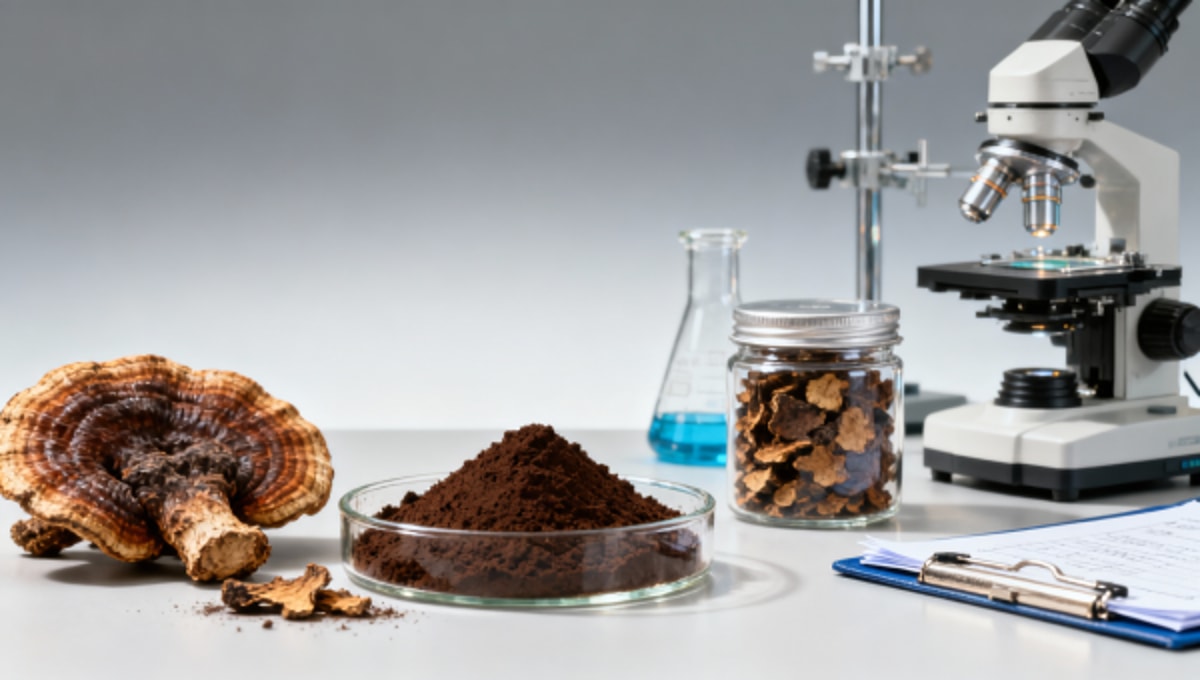
When evaluating chaga mushroom extract, potency is only meaningful if you understand the marker compounds, extraction ratio, testing method, and price per active unit. For buyers comparing maitake mushroom extract, shiitake mushroom powder, cordyceps extract wholesale, lion's mane mushroom powder, and reishi mushroom extract bulk, this guide explains how to assess real value, avoid inflated specifications, and make technically sound purchasing decisions without overpaying.
If you need a fast answer, here it is: do not compare chaga mushroom extract by extraction ratio or headline polysaccharide percentage alone. The most cost-effective purchase is usually the product with the clearest marker definition, validated test method, consistent batch documentation, and the lowest real cost per useful active fraction for your application. A cheaper drum can be more expensive in use if its assay is inflated, its actives are poorly defined, or its bulk density and solubility increase your downstream processing cost.
What buyers are really trying to determine when comparing chaga mushroom extract
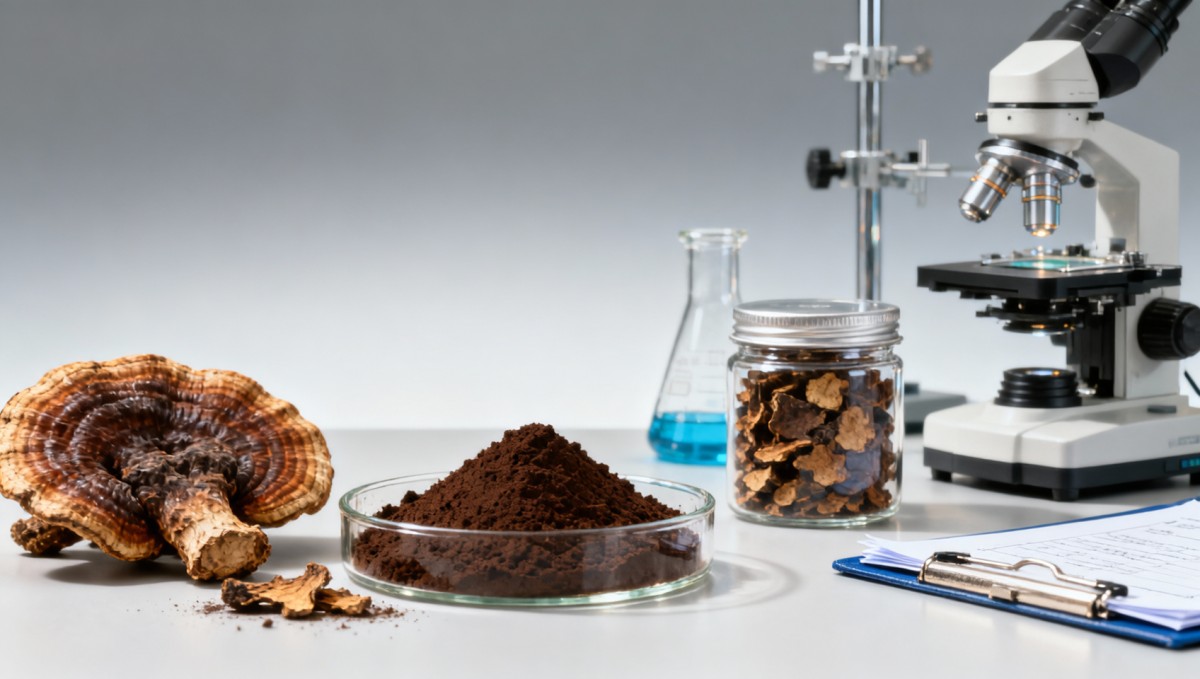
Searchers looking for “Chaga mushroom extract: how to compare potency without overpaying” are usually not looking for a general mushroom overview. They want a practical purchasing framework: how to compare suppliers, which numbers matter, which specifications are often misleading, and how to calculate whether a higher quoted price is justified.
For technical evaluators, procurement teams, and commercial decision-makers, the core questions are usually these:
- Which potency markers actually indicate value in chaga mushroom extract?
- How should extract ratio, beta-glucan content, polysaccharide content, and polyphenol claims be interpreted?
- What testing method was used, and can the result be trusted?
- What is the real cost per active component, not just the cost per kilogram?
- Will the extract perform consistently in formulation, tableting, capsule filling, beverages, or functional foods?
- What compliance, contamination, and traceability risks could create hidden costs later?
That is the right lens. Potency is not a marketing number. It is a purchasing and quality-control variable that only becomes meaningful when tied to use case, test method, and delivered economics.
Do not confuse extract ratio with potency
One of the most common mistakes in mushroom ingredient purchasing is assuming that a higher extract ratio automatically means a stronger or more valuable product. A 10:1 or 20:1 chaga mushroom extract may sound impressive, but extract ratio alone does not tell you how much of the relevant active fraction is present in the final powder.
Extract ratio generally describes how much raw material was used relative to the finished extract. That can be useful background information, but it does not replace an assay. Two suppliers can both claim 10:1 while delivering very different concentrations of beta-glucans, polyphenols, triterpenes, melanin-associated fractions, ash, carrier content, or moisture.
In practical sourcing, extract ratio should be treated as secondary. The stronger decision criteria are:
- Defined marker compounds
- Analytical method used
- Specification range and batch consistency
- Presence of excipients or carriers
- Application fit, such as water solubility or organoleptic profile
If a supplier highlights ratio but avoids discussing validated assay methods, that is a signal to investigate further.
Which potency markers matter most in chaga mushroom extract
Chaga is chemically more complex than many buyers expect. Depending on the raw material origin, fungal part used, and extraction process, the resulting extract may emphasize different fractions. That is why comparing potency requires first identifying what the product is supposed to deliver.
The most commonly discussed marker categories include:
- Beta-glucans: Often the most decision-useful structural polysaccharide marker for mushroom extracts. These should be distinguished from total polysaccharides.
- Total polysaccharides: Commonly advertised, but less precise. This number may include non-beta-glucan carbohydrates and can be easier to inflate depending on method.
- Polyphenols: Relevant in some chaga products, especially where antioxidant positioning matters, but method selection heavily affects comparability.
- Triterpenes or triterpenoids: More central in some mushroom categories such as reishi mushroom extract bulk, but occasionally raised in broader medicinal mushroom sourcing comparisons.
- Melanin-associated fractions: Sometimes part of chaga’s commercial differentiation, though not always standardized in a way that supports easy cross-supplier comparison.
For many buyers, the most useful approach is to prioritize beta-glucan content when immune-support positioning or mushroom extract quality benchmarking is important, then assess polyphenol or other fractions only if they are relevant to the product concept. A supplier claiming “40% polysaccharides” may not offer better real value than one with lower total polysaccharides but stronger, clearly measured beta-glucan levels and better batch reproducibility.
Total polysaccharides can be misleading if the method is unclear
This is where overpayment often happens. Many extract buyers compare products using a simple spreadsheet field labeled “polysaccharides %.” That number is not always wrong, but it is frequently incomplete and sometimes commercially overstated.
The problem is that “total polysaccharides” can be measured in different ways, and some methods may capture broader carbohydrate fractions that do not reflect the specific active components buyers think they are purchasing. If one supplier reports total polysaccharides by a colorimetric method and another reports beta-glucans by an enzymatic method, those values are not directly comparable.
Ask suppliers these questions:
- Is the assay for total polysaccharides, beta-glucans, or both?
- Which analytical method was used?
- Is the method in-house only, or aligned with recognized compendial or validated laboratory practice?
- Does the certificate of analysis report batch-specific results?
- Are moisture and carrier content disclosed so assay can be interpreted correctly?
If the method is vague, the potency claim has limited procurement value. In regulated or export-sensitive purchasing environments, unclear assay language can also complicate internal approval, customer documentation, and quality audits.
How to calculate the real price per active unit
The most reliable way to avoid overpaying is to compare suppliers on cost per active unit instead of cost per kilogram. This simple change often reveals that a seemingly expensive offer is actually the better buy, or that a low-price quote is diluted, understandardized, or operationally inefficient.
Use this basic calculation:
Real cost per active kilogram = price per kilogram of extract ÷ active fraction percentage
Example:
- Supplier A: USD 48/kg, 12% beta-glucans
- Supplier B: USD 68/kg, 25% beta-glucans
Then:
- Supplier A real cost per kg of beta-glucans = 48 ÷ 0.12 = USD 400
- Supplier B real cost per kg of beta-glucans = 68 ÷ 0.25 = USD 272
Even though Supplier B is more expensive per kilogram, it is materially cheaper per delivered active unit.
For commercial buyers, the calculation should go one step further. Include hidden operating costs such as:
- Higher use rate in formulation
- Poor solubility or sedimentation
- Lower bulk density affecting capsule fill or packaging efficiency
- Additional filtration or blending time
- Batch rejection risk from inconsistent assay
- Freight inefficiency if you are paying to ship inactive solids
This is especially important when comparing not only chaga mushroom extract but also adjacent products such as cordyceps extract wholesale, lion’s mane mushroom powder, and shiitake mushroom powder, where standardized actives and application performance can differ significantly.
How extraction method changes value, usability, and label fit
Not all potent extracts are equally suitable for every product. A technically strong chaga extract can still be the wrong purchase if its extraction method creates formulation problems, label conflicts, or poor sensory performance.
Key variables to review include:
- Water extract vs dual extract: Water extraction may support polysaccharide-focused products, while dual extraction may target a broader fraction profile. The better option depends on formulation goals and labeling strategy.
- Use of carriers: Maltodextrin or other carriers can improve drying and handling but reduce active density. This directly affects cost comparison.
- Solubility: Critical for beverages, sachets, and certain functional food applications.
- Particle size and flowability: Important for capsule and tablet operations.
- Color, taste, and odor: Especially relevant in consumer-facing applications where chaga’s natural profile may be strong.
Procurement teams should not approve a mushroom extract on assay alone. A lower-assay ingredient with superior process performance and lower formulation waste may deliver better total economics than a high-assay product that is difficult to use.
What documentation separates a reliable supplier from a risky one
For quality teams, technical assessors, and approvers, documentation quality is often as important as potency. A low-priced extract becomes expensive very quickly if it creates delays in onboarding, fails importer review, or cannot support customer technical files.
At minimum, serious buyers should request:
- Certificate of analysis for recent production lots
- Detailed specification sheet with assay methods
- Microbiological limits
- Heavy metals results
- Pesticide screening where relevant
- Residual solvent statement if applicable
- Allergen, GMO, and irradiation statements if needed
- Country of origin and raw material traceability
- Manufacturing certifications and audit support documents
For ACC’s audience, supply chain transparency matters not just for safety but for commercial continuity. If a supplier cannot clearly explain origin, fungal substrate, manufacturing site, and batch release process, that uncertainty should be priced in as risk.
How to compare chaga against other mushroom ingredients without using the wrong benchmark
Buyers often source multiple functional mushroom ingredients at the same time. That can create a useful cross-check, but only if each ingredient is compared on its own relevant markers rather than by a single generic number.
For example:
- Maitake mushroom extract: Often evaluated with attention to beta-glucan-rich fractions and immune-support positioning.
- Shiitake mushroom powder: May be purchased more for whole-food positioning, sensory profile, or lower processing intensity than for high standardization.
- Cordyceps extract wholesale: Buyers may focus on nucleoside-related markers, polysaccharides, or application-specific extract type.
- Lion’s mane mushroom powder: Frequently assessed for format, fruiting body content, and use in cognitive wellness products, where whole powder and extract are not interchangeable.
- Reishi mushroom extract bulk: Standardization may involve both polysaccharides and triterpenes, making simplistic price comparisons unreliable.
The purchasing lesson is straightforward: never assume that the same potency logic applies across all mushroom ingredients. Chaga should be evaluated on the fractions and processing characteristics relevant to chaga, not forced into a generic botanical-extract comparison model.
A practical supplier comparison checklist for procurement and technical teams
If you need a concise internal decision framework, use the checklist below before approving a chaga mushroom extract supplier:
- Define the intended application and the active fraction that matters most.
- Ignore extract ratio as a primary value metric.
- Request marker-specific assays, preferably including beta-glucans where relevant.
- Confirm the analytical method and whether results are batch-specific.
- Check for carriers, moisture, and ash so the assay is interpreted correctly.
- Calculate real cost per active unit, not just cost per kilogram.
- Review solubility, bulk density, particle size, and sensory fit for your process.
- Verify contaminant controls, certifications, and traceability documents.
- Compare multiple lots if long-term supply consistency matters.
- Price in operational and compliance risk, not only invoice value.
This approach helps both small-volume buyers and industrial users make decisions that stand up to technical review, commercial scrutiny, and financial approval.
Conclusion: the best-value chaga mushroom extract is the one with proven actives and lower total cost of use
To compare chaga mushroom extract potency without overpaying, focus on what can actually be verified and used: defined marker compounds, transparent assay methods, batch consistency, application suitability, and cost per active unit. Do not rely on extract ratio or broad polysaccharide claims by themselves.
For procurement professionals, quality teams, and decision-makers, the winning offer is rarely the cheapest price on paper. It is the product that delivers measurable actives, predictable processing performance, and lower total commercial risk. When evaluated this way, chaga mushroom extract can be compared with the same rigor used for other strategic ingredients, whether you are also sourcing maitake mushroom extract, shiitake mushroom powder, cordyceps extract wholesale, lion’s mane mushroom powder, or reishi mushroom extract bulk.
In short: buy potency that is defined, tested, and economically meaningful—not potency that only looks good in a quotation sheet.
Related Intelligence
- Botanical ExtractsANVISA New Rule: Botanical Extracts Import to Brazil Requires Two-Tier TraceabilityANVISA new rule mandates two-tier traceability for botanical extracts imported to Brazil — learn how it impacts Chinese exporters, compliance deadlines & AgroTrace integration.
- Botanical ExtractsANVISA New Rule: Botanical Extracts to Brazil Require Traceability to Tier-2 SuppliersANVISA new rule requires traceability for botanical extracts to Brazil — now covering tier-2 suppliers. Learn compliance steps, affected sectors & how to prepare before July 2026.
- Botanical ExtractsANVISA’s New Traceability Rule for Botanical Extracts Enters Force in BrazilANVISA’s new traceability rule for botanical extracts takes effect April 27, 2026—learn how it impacts exporters, importers & suppliers in Brazil.
The Morning Broadsheet
Daily chemical briefings, market shifts, and peer-reviewed summaries delivered to your terminal.
