
Why does chaga mushroom extract pricing vary so much?
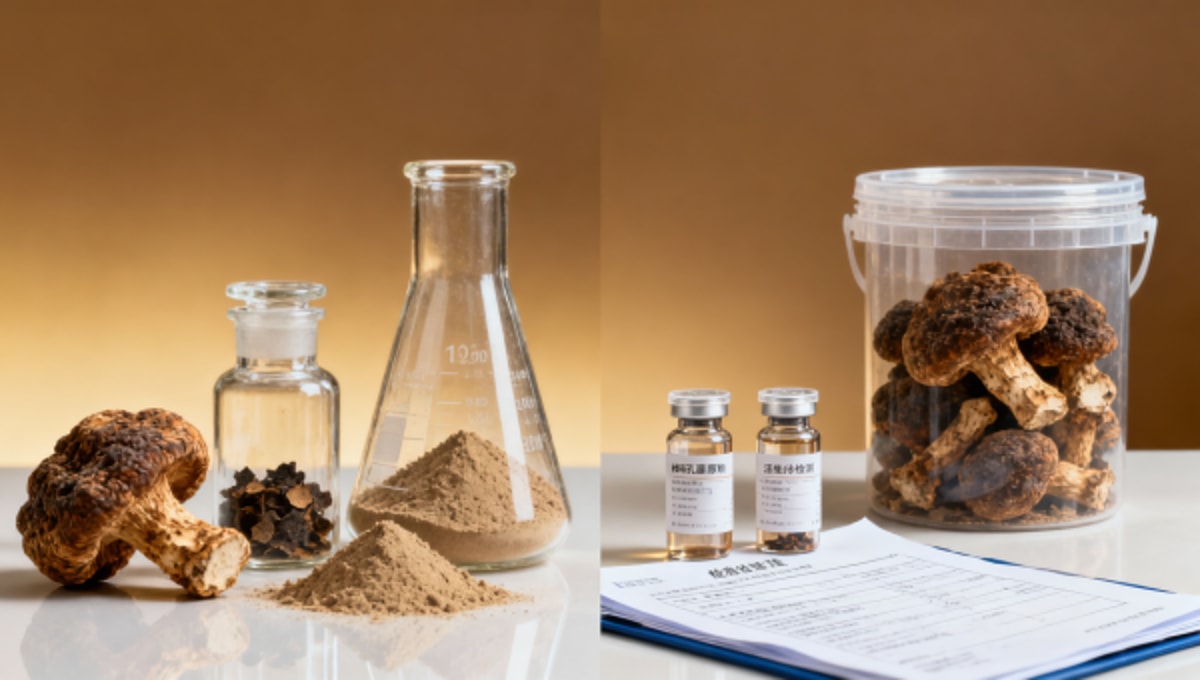
Why can chaga mushroom extract cost dramatically more from one supplier than another? For buyers comparing maitake mushroom extract, shiitake mushroom powder, cordyceps extract wholesale, lion's mane mushroom powder, and reishi mushroom extract bulk, the answer lies in extraction ratio, raw material origin, beta-glucan potency, purity testing, and compliance. This guide helps technical, procurement, and commercial teams evaluate what truly drives price—and where higher quotes may reflect real value.
What actually drives chaga mushroom extract pricing in industrial procurement?
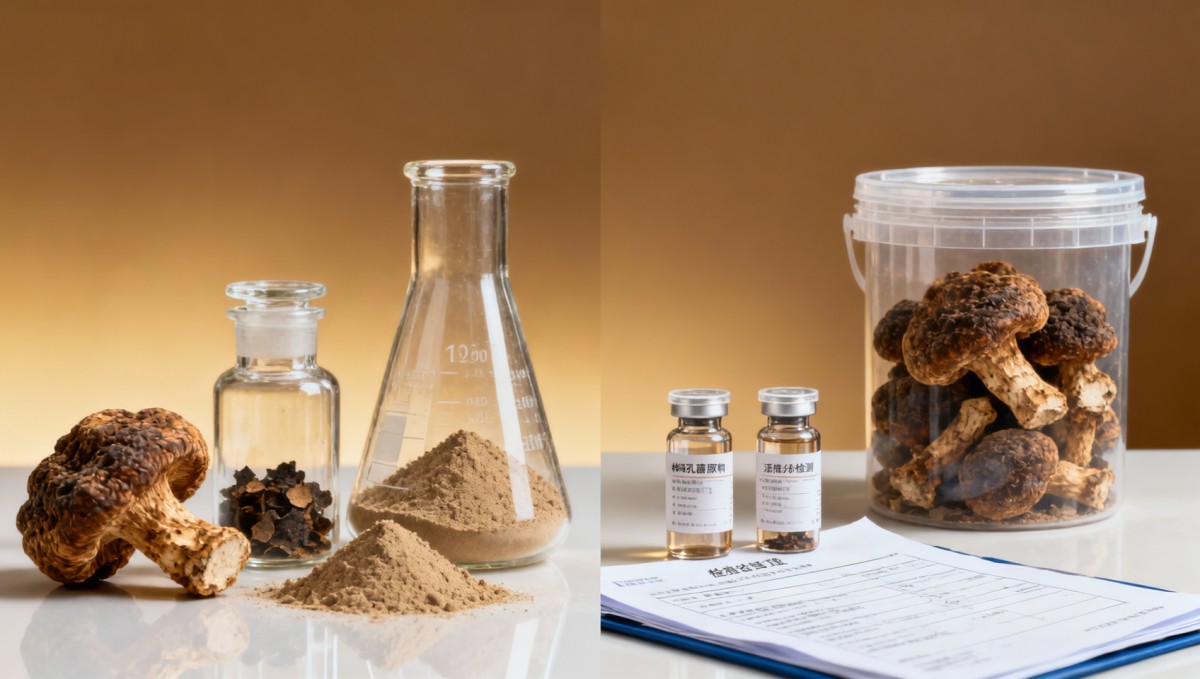
In B2B purchasing, chaga mushroom extract pricing is rarely just a matter of kilograms and freight. A low quote may reflect diluted extract, lower active content, inconsistent particle size, or incomplete testing documentation. A higher quote may include validated beta-glucan levels, traceable raw material batches, dual extraction, and export-ready files for technical review. For procurement teams under 2–4 week sourcing windows, these differences can materially affect cost of use, not just unit price.
The first major variable is extract ratio. One supplier may offer a 10:1 powder, while another supplies a 20:1 or a standardized extract adjusted to a target marker range. Those are not interchangeable. In mushroom ingredients, ratio alone is not enough, because a declared 10:1 may still vary in beta-glucan concentration depending on extraction method, raw biomass quality, and whether fillers such as maltodextrin were used during drying.
The second variable is raw material origin and harvest quality. Chaga sourced from colder forest regions, with stricter contamination control and documented identity verification, typically costs more than material acquired through fragmented informal channels. This is especially relevant when buyers serve nutraceutical, food ingredient, or personal care manufacturing lines that require lot traceability over 12–24 month retention periods.
The third variable is analytical assurance. Industrial buyers increasingly ask for testing on heavy metals, microbial limits, pesticide residues where relevant, and active component verification. Even when end-use regulations differ by market, the cost of a compliant dossier is real. A quote that includes COA support, batch-level documentation, and supplier audit readiness often represents lower downstream risk for quality, finance, and regulatory teams.
Five pricing variables buyers should compare line by line
When comparing suppliers, teams should avoid reviewing only FOB or EXW price. A practical evaluation usually covers at least 5 core dimensions, because each one influences technical suitability and total landed cost.
- Raw material form: wild-harvested or cultivated source, fruiting body or mycelium, and documented botanical identity.
- Extraction method: hot water extraction, alcohol extraction, or dual extraction, each producing different constituent profiles.
- Standardization basis: extract ratio only, polysaccharides only, or verified beta-glucan range with method clarity.
- Quality documentation: COA, specification sheet, contaminant testing, allergen statement, and batch traceability.
- Commercial terms: MOQ, lead time, packaging format, sample policy, and re-test or claim handling process.
For readers of AgriChem Chronicle, this pricing logic is familiar across bio-extracts and fine chemicals: the apparent cheapest material can become the most expensive once non-conformance, production delays, or reformulation costs are included. That is why serious buyers align technical review with procurement and compliance checks before approving a vendor.
How do extract specifications change the real value behind the quote?
A supplier offering chaga mushroom extract at a premium may simply be selling a more concentrated, cleaner, and more usable ingredient. This is also true when teams compare maitake mushroom extract, lion's mane mushroom powder, shiitake mushroom powder, or reishi mushroom extract bulk. The key question is not “Which quote is lower?” but “Which specification best matches the formulation, process stability, and claims framework of the final product?”
For example, a beverage manufacturer may prioritize solubility, color stability, and low microbial load. A capsule brand may focus more on active marker consistency and flowability. A compound ingredient distributor may need a broad specification with high batch repeatability across 3–6 procurement cycles per year. These use cases justify different price bands, even when the product name on paper looks similar.
Another frequent issue is confusion between polysaccharides and beta-glucans. Some quotations emphasize total polysaccharides, but that metric can be influenced by starches or non-target carbohydrates if the analytical basis is unclear. Beta-glucan content is often more decision-useful for mushroom extracts, yet buyers still need to confirm testing method, basis of declaration, and whether excipients are included in the final powder percentage.
Processing format also matters. Spray-dried extract with a carrier may offer better handling in large-scale blending, while a no-carrier format may support cleaner-label goals but at a higher cost and tighter process requirements. The price difference is not arbitrary; it reflects yield, process control, and formulation trade-offs.
Specification comparison table for technical and sourcing teams
The table below shows how different specification choices can create wide price variation across chaga mushroom extract and related mushroom ingredients in wholesale procurement.
For technical evaluation, this table helps translate pricing into measurable specification value. It also explains why a premium quote may reduce rework, failed incoming inspection, and supplier switching costs over a 6–12 month sourcing cycle.
A quick rule for interpreting lower quotes
If one offer is dramatically lower than the market range, ask 4 questions before moving forward: What is the exact extraction method? Is the active marker verified or assumed? Are fillers disclosed? Does the supplier provide batch-specific compliance documents? In many cases, the answer to one of these 4 questions explains most of the price gap.
What should procurement, QA, and finance teams check before approving a supplier?
Cross-functional buying is where many mushroom extract projects succeed or fail. Procurement may secure an attractive quote, but QA may later reject the batch, or finance may question why the approved supplier requires higher MOQ and longer payment terms. A stronger process is to evaluate chaga mushroom extract using a 3-stage approval model: technical fit, compliance fit, and commercial fit.
Technical fit should verify application suitability. This includes active profile, moisture, particle size, carrier content, organoleptic consistency, and storage behavior. Compliance fit should review traceability, contaminant testing, export paperwork, labeling support, and any market-specific declarations. Commercial fit should address MOQ, lead time, packaging, deviation handling, and price stability across at least the next 1–2 purchasing quarters.
In practical terms, serious buyers usually ask for a sample, specification sheet, and batch documentation before issuing a trial PO. The sample stage can take 7–15 days, while a first commercial order may require 2–6 weeks depending on stock, testing release, and packaging format. This timeline should be built into project planning, especially for launches tied to seasonal demand or contract manufacturing slots.
AgriChem Chronicle’s sector coverage is especially relevant here because mushroom extracts sit at the intersection of bio-ingredient sourcing, compliance oversight, and industrial processing economics. Buyers need more than a catalog price. They need context on what the quote includes, what risk it transfers, and where hidden costs are likely to appear.
Supplier assessment checklist for commercial-scale purchasing
Use the following table to align procurement, quality, and project teams on the minimum review points before shortlisting a chaga mushroom extract supplier.
This checklist is useful not only for chaga mushroom extract but also for cordyceps extract wholesale, lion's mane mushroom powder, and reishi mushroom extract bulk. In all cases, a disciplined supplier review process helps finance teams justify a higher approved price when the documentation package materially lowers operational risk.
A practical 4-step approval flow
- Screen the specification and compare active basis, carrier content, and target application fit.
- Request sample, COA set, and contaminant testing summary for technical review.
- Validate lead time, MOQ, packaging, and claim handling with procurement and project management.
- Approve trial order only after QA and finance confirm total cost exposure and risk tolerance.
This 4-step approach often takes less time than dealing with one failed batch release. For industrial buyers, disciplined approval is usually the fastest route to reliable supply.
Where do buyers misjudge cost, and when is a higher price justified?
A common mistake is treating mushroom extract pricing as a commodity market with direct one-to-one comparability. In reality, a lower price can hide lower potency, weaker documentation, shorter shelf-life stability, or inconsistent sensory performance. If a manufacturer must increase dosage by 20%–40% to reach the same formulation target, the lower-priced material may lose its advantage immediately.
Another mistake is overlooking process costs. For operators and production planners, a powder that clumps, dissolves poorly, or varies in color can increase line stoppages, blending time, and rejection rates. These operational penalties rarely appear in the initial quotation review, yet they matter in scaled runs and contract manufacturing environments where schedules are tight and batch changeovers are expensive.
A higher quote is often justified when it improves usable yield, documentation readiness, and supply continuity. This is especially true for buyers managing multiple SKUs or exporting across different markets. Paying more for a specification that passes incoming QC consistently over 3–5 consecutive lots may be financially smarter than saving on unit price and absorbing hidden exception costs later.
Substitution strategy also matters. Some teams compare chaga mushroom extract against maitake mushroom extract or reishi mushroom extract bulk from a budget perspective. That may help in broad portfolio planning, but ingredient substitution should not be based on price alone. Functional profile, formulation intent, claims direction, and regional regulatory treatment must all be considered before switching.
Common cost misconceptions in mushroom extract sourcing
- “Higher extract ratio always means better value.” Not necessarily; the active basis and process quality still need verification.
- “Polysaccharides and beta-glucans tell the same story.” They do not unless the analytical method and composition basis are clear.
- “A compliant COA is enough.” For many buyers, traceability, contaminant detail, and batch consistency matter just as much.
- “MOQ only affects purchasing.” It also affects inventory turns, cash flow exposure, and warehouse planning.
FAQ for technical and commercial teams
How should buyers compare chaga mushroom extract with other mushroom ingredients?
Use the same evaluation frame across products: source, extraction method, active basis, contaminant testing, and application fit. Whether reviewing shiitake mushroom powder or cordyceps extract wholesale, at least 5 checkpoints should stay constant so pricing comparisons remain meaningful.
What is a reasonable lead time for first-time orders?
For many industrial supply arrangements, sample dispatch may take 7–15 days and first commercial shipment may take 2–6 weeks. Timing depends on stock status, release testing, packaging requirements, and destination market paperwork.
What documents are usually worth requesting before approval?
A practical pre-approval package often includes specification sheet, COA, origin details, contaminant testing overview, packing information, and shelf-life/storage statement. If the ingredient will be used in regulated or export-oriented channels, additional declarations may also be needed.
When does the lowest quote become the highest total cost?
Usually when lower potency increases use rate, when documentation gaps delay release, or when inconsistent batches force reformulation. Total cost should be judged over multiple lots and production runs, not just one invoice line.
Why consult AgriChem Chronicle when evaluating pricing, compliance, and supplier fit?
For institutional buyers and technical teams, the challenge is not simply finding a chaga mushroom extract supplier. The real challenge is interpreting whether a quotation reflects actual specification value, acceptable compliance posture, and manageable supply risk. That requires market context across bio-extracts, fine chemicals, and regulated industrial procurement, which is the editorial ground AgriChem Chronicle covers every day.
ACC’s focus on Bio-Extracts & Ingredients, Fine Chemicals & APIs, and broader primary industry supply chains helps decision-makers connect laboratory terminology with procurement consequences. When sourcing teams need to understand how testing scope changes price, how documentation affects import readiness, or how batch consistency impacts production economics, that cross-disciplinary perspective becomes highly practical.
If your team is comparing chaga mushroom extract, maitake mushroom extract, lion's mane mushroom powder, shiitake mushroom powder, or reishi mushroom extract bulk, ACC can help frame the right questions before you commit budget. This includes parameter confirmation, quotation comparison, supplier shortlisting logic, sample evaluation priorities, and compliance review points relevant to your target market and application pathway.
Contact us if you need support with 3 immediate tasks: clarifying specification differences between competing offers, building a procurement checklist for technical and QA approval, or assessing whether a higher quotation is justified by extract quality, testing scope, lead time, or documentation strength. These are the discussions that help buyers move from price confusion to confident sourcing decisions.
Related Intelligence
- Botanical ExtractsANVISA New Rule: Botanical Extracts to Brazil Require Traceability to Tier-2 SuppliersANVISA new rule requires traceability for botanical extracts to Brazil — now covering tier-2 suppliers. Learn compliance steps, affected sectors & how to prepare before July 2026.
- Botanical ExtractsANVISA’s New Traceability Rule for Botanical Extracts Enters Force in BrazilANVISA’s new traceability rule for botanical extracts takes effect April 27, 2026—learn how it impacts exporters, importers & suppliers in Brazil.
- Botanical ExtractsANVISA Extends Traceability for Botanical Extract Imports to Tier-2 SuppliersANVISA extends botanical extract traceability to tier-2 suppliers—key for Chinese exporters of herbal ingredients, supplements & cosmetics. Act now for July 2026 compliance.
The Morning Broadsheet
Daily chemical briefings, market shifts, and peer-reviewed summaries delivered to your terminal.
