
The Authority in Global Agricultural Chemistry & Bio-Resources
Astragalus root extract: which format works best for your product?
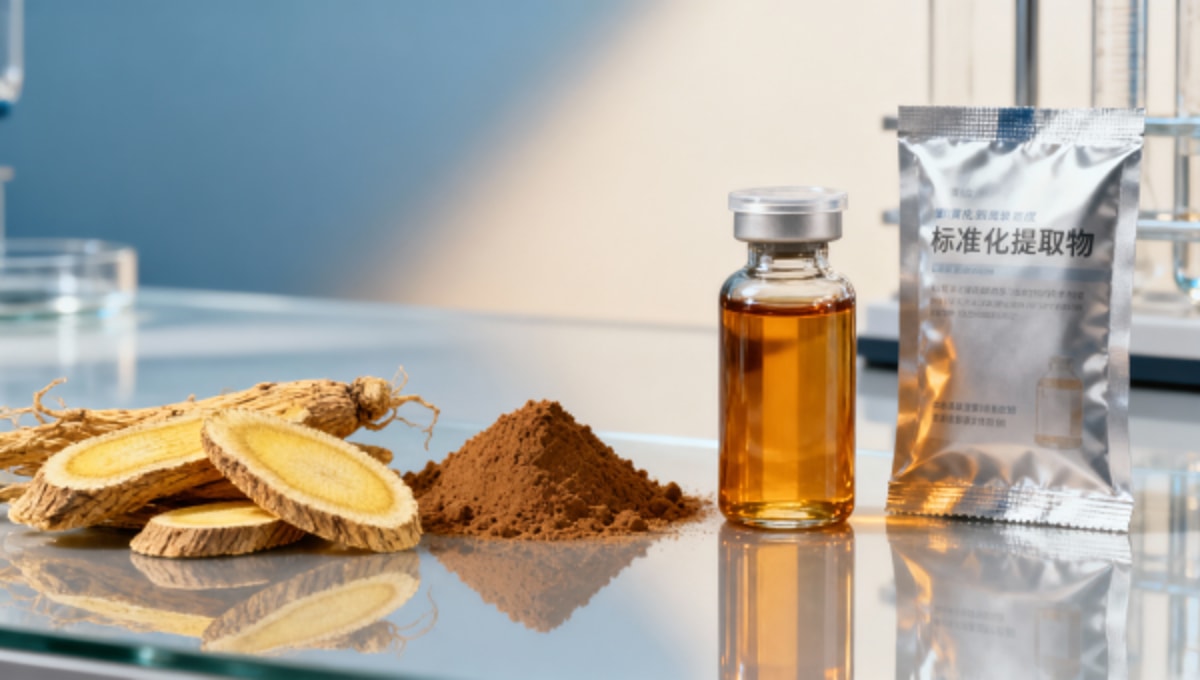
Choosing the right astragalus root extract format can determine product stability, label appeal, processing efficiency, and buyer confidence. For formulators, procurement teams, and quality managers comparing powders, liquids, and standardized extracts, the decision goes far beyond cost. This guide examines how astragalus root extract performs across commercial applications and what technical, regulatory, and supply chain factors matter most before selection.
Why format selection matters more than many buyers expect
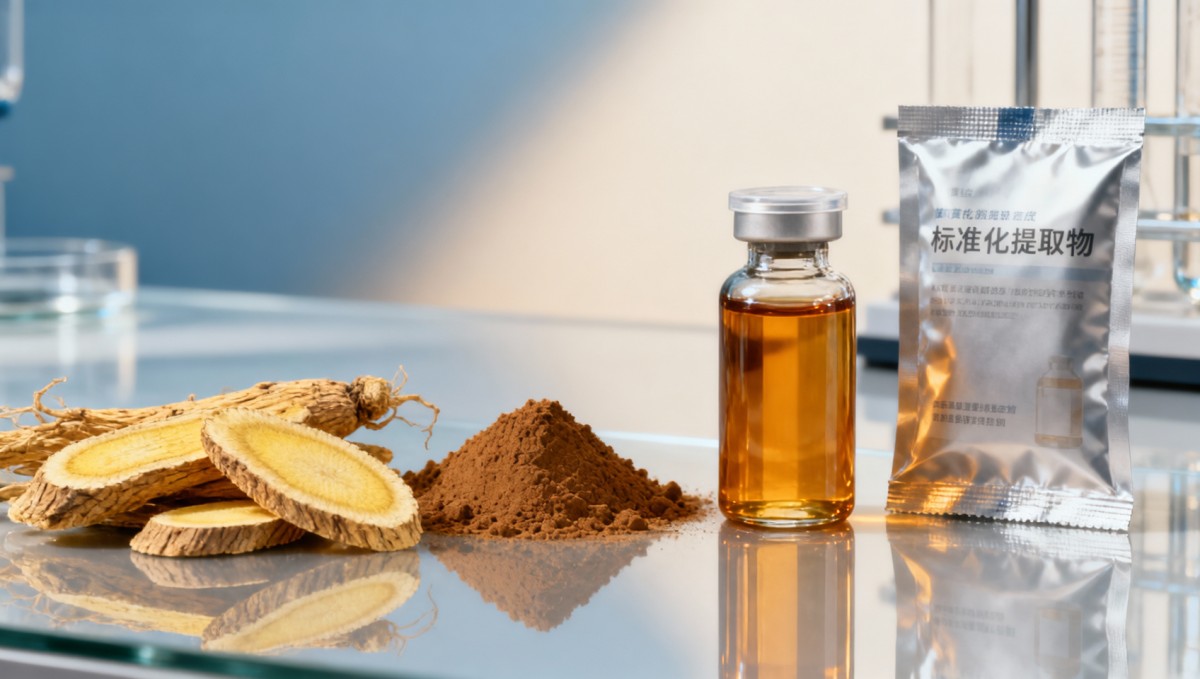
In commercial sourcing, astragalus root extract is not a single interchangeable ingredient. The format influences how the material behaves during blending, filling, storage, transport, and final use. For teams working across nutraceuticals, functional food, feed additives, botanical ingredients, and industrial bio-extract portfolios, the wrong selection can create avoidable issues within 2–6 weeks of pilot production.
Powdered astragalus root extract often suits dry blending and capsule manufacturing. Liquid extract may fit beverage systems, syrups, and low-dust processing lines. Standardized extracts are usually preferred when technical evaluation, batch consistency, and downstream specification control matter more than headline price. Procurement teams should therefore compare use case, not just unit cost per kilogram.
For quality managers and safety personnel, format choice also affects incoming inspection. A powder may require checks for mesh size, moisture range, bulk density, and microbial limits. A liquid format adds concerns around solvent system, preservative approach, pH window, and storage temperature, commonly within 10°C–25°C depending on the matrix. These are not minor details; they determine whether a batch is easy to release or difficult to defend.
At AgriChem Chronicle, this is exactly where professional assessment becomes valuable. In heavily regulated supply chains, ingredient buyers need a framework that connects extraction format, technical documentation, application risk, and compliance readiness. That is especially true when purchasing teams, formulators, and finance approvers must align within a 3-stage review process rather than relying on supplier claims alone.
Three practical questions to ask before comparing quotations
- Will the astragalus root extract be used in a dry system, a liquid system, or a mixed manufacturing line that requires flexible dosing?
- Does the product team need a broad botanical extract, or a standardized astragalus root extract with defined active markers for tighter specification control?
- What level of traceability, technical documentation, and lot-to-lot consistency is required by procurement, QA, and commercial stakeholders?
Powder, liquid, or standardized extract: which format fits which application?
The most common commercial formats for astragalus root extract are spray-dried powder, concentrated liquid, and standardized extract with defined composition targets. Each format supports different processing environments. Buyers comparing these options should examine solubility expectations, carrier use, dosing precision, and storage profile before final approval.
The table below provides a practical comparison for technical evaluators, project managers, and sourcing teams. It is designed for real-world decision-making, especially where a botanical ingredient must move from supplier qualification to pilot validation and then to recurring purchase orders over 1–4 quarters.
This comparison shows why there is no universal best astragalus root extract format. Powder tends to win in dry processing efficiency. Liquid often wins in ease of incorporation. Standardized extract usually wins where quality documentation, repeatability, and procurement governance carry the most weight. The correct answer depends on your process and risk tolerance, not on one generic market claim.
How technical teams usually narrow the choice
A practical screening process often starts with 4 factors: target dosage form, mixing behavior, storage environment, and specification sensitivity. If the product goes into tablets or hard capsules, powder is frequently the first option. If rapid dilution is critical, liquid may reduce processing steps. If audit readiness and uniformity matter across multiple lots, standardized astragalus root extract typically moves to the top of the shortlist.
Operators should also review line compatibility. A powder that works in a small pilot blender may perform differently in a large-scale hopper or auger-fed system. A liquid that looks simple in the lab may require extra pump cleaning, tank sanitation, and hold-time control in production. These practical concerns often decide the final format more than brochure language does.
For cross-functional buyers, ACC’s editorial model is useful because it connects ingredient format selection to manufacturing reality, compliance logic, and commercial viability. That integrated perspective helps reduce the gap between technical preference and procurement approval.
Which technical parameters should procurement and QA verify first?
When evaluating astragalus root extract, many teams focus too early on quotation sheets and too late on specification relevance. A more reliable method is to confirm 5 key checkpoints before commercial negotiation: extract ratio or standardization basis, solvent system, physical format, microbiological limits, and packaging condition. These points directly affect process suitability and downstream release risk.
For powder formats, common review items include appearance, moisture, particle behavior, excipient or carrier declaration, and suggested storage conditions. For liquid formats, buyers usually add pH, density, solvent residue expectations, and recommended use period after opening. If the astragalus root extract is intended for export or regulated categories, specification language should be clear enough for supplier comparison across at least 3 candidate sources.
The following table summarizes a practical evaluation structure that technical assessors and quality teams can use during supplier onboarding. It is not a substitute for internal SOPs, but it helps standardize review across multiple departments and avoid incomplete approval packages.
The key lesson is simple: procurement should not compare astragalus root extract offers only by invoice value. A lower-priced batch may include a different extract strength, more carrier, or a narrower shelf-life window. QA and commercial teams need shared definitions before they ask finance to approve annual volume commitments.
A useful 4-step review path
- Confirm intended application and dosage form within 1 internal briefing document.
- Lock the specification framework before soliciting quotations from 2–3 suppliers.
- Run pilot validation, including handling, dispersion, and packaging compatibility checks.
- Approve recurring procurement only after documentation, lot consistency, and delivery terms are aligned.
Where teams often make avoidable errors
One common mistake is assuming all astragalus root extract powders behave similarly in blending. In practice, particle behavior and carrier content can change flow and dosing performance. Another mistake is treating a liquid extract as automatically easier, while overlooking sanitation burden, tank turnover time, and packaging disposal. These operational costs can appear only after scale-up.
A third mistake is using incomplete documents for internal approval. If a supplier cannot clearly explain extract basis, packaging condition, and standard quality limits, the burden shifts to the buyer. That creates delays not only for QA release but also for business teams trying to forecast margin and delivery reliability over the next 30–90 days.
How do cost, lead time, and compliance affect the best format choice?
Cost evaluation for astragalus root extract should include more than ex-works price. Buyers should account for freight efficiency, storage requirements, process loss, rework risk, testing burden, and shelf-life management. A powder can lower shipping cost per active unit, but it may also increase dust control and blending checks. A liquid may reduce dispersion time yet increase logistics weight and warehouse complexity.
Lead time is another decisive factor. Standard production and shipment cycles for botanical ingredients often fall within 2–8 weeks, depending on extraction complexity, packaging, documentation readiness, and export controls. If your project timeline is tight, the best astragalus root extract format may be the one with the most stable supply chain rather than the lowest raw price. This is particularly relevant for project managers balancing launch schedules and inventory risk.
Compliance expectations also differ by end market. Buyers may need documentation suitable for food, feed, nutraceutical, or technical ingredient review. While requirements vary by jurisdiction, quality teams often request traceability, specification consistency, labeling accuracy, and declarations aligned with internal standards. Where applicable, manufacturing environments and documentation practices should be reviewed with reference to common frameworks such as GMP-oriented systems or destination-market import expectations.
For ACC readers, the strategic issue is clear: format choice sits at the intersection of technical fit, supply chain transparency, and regulatory practicality. When procurement decisions involve multiple stakeholders, the winning option is usually the format that minimizes downstream uncertainty across 3 dimensions: manufacturing performance, documentation completeness, and replenishment predictability.
What a business case should include
- Direct ingredient cost compared against usable active content, not just gross pack weight.
- Operational cost, including handling time, cleaning time, and potential material loss during transfer.
- Supply risk, including lead time variability, lot consistency, and documentation turnaround.
- Compliance burden, including internal QA review, customer questionnaires, and destination-market readiness.
When alternatives should be considered
If the formulation cannot tolerate carrier materials, a standard powder option may be less suitable. If your process cannot support liquid storage or controlled turnover, liquid astragalus root extract may create more complexity than value. If specification matching across regional suppliers proves difficult, a standardized extract may justify its premium by reducing the total cost of mismatch and requalification.
In some portfolios, teams also compare astragalus root extract with broader adaptogenic or botanical systems. That comparison should be application-led and claim-sensitive, not purely price-led. Substitution can change formulation behavior, label strategy, and target customer expectations. Commercial flexibility is useful, but technical equivalence should never be assumed.
FAQ: the most common buyer and evaluator questions
How do I choose between powder and liquid astragalus root extract?
Choose powder when your product is built around tablets, capsules, sachets, dry blends, or premixes. Choose liquid when rapid incorporation into beverages, syrups, or continuous liquid dosing is more important. In most projects, one short pilot trial and one handling review are enough to identify whether the material fits the line. The decision should combine process behavior, storage reality, and documentation quality.
Is standardized astragalus root extract always better?
Not always. Standardized extract is often better when batch consistency, specification control, and repeat procurement are critical. However, some buyers do not need the same level of compositional precision for every application. If the end use is less specification-sensitive and the process is tolerant, a non-standardized format may be commercially acceptable. The right choice depends on risk level, customer expectation, and internal QA standards.
What documents should procurement request at the start?
At minimum, request a specification sheet, COA example, botanical identity declaration, packaging and storage statement, and information on extract basis or standardization. For certain markets, teams may also request traceability details, residual solvent information where relevant, and declarations tied to internal compliance programs. Starting with these 5–7 items can save significant time during supplier comparison.
What is a realistic lead time for commercial supply?
A common planning range is 2–8 weeks, although actual timing depends on format, stock position, packaging type, testing release, export documents, and shipping lane conditions. For critical projects, buyers should ask not only for nominal lead time but also for reorder cadence, buffer stock approach, and batch reservation options. These factors often matter more than the fastest single shipment.
Why work with AgriChem Chronicle when evaluating suppliers and formats?
AgriChem Chronicle supports industrial buyers, technical assessors, and strategic decision-makers with analysis that goes beyond catalog descriptions. In sectors where botanical ingredients, fine chemicals, and primary processing materials face growing documentation pressure, informed format selection is a business control issue, not just a product choice. ACC helps stakeholders frame the right questions before cost, compliance, and supply risk become expensive.
Our editorial strength lies in connecting biochemical, agricultural, and trade-compliance perspectives. That means astragalus root extract is evaluated in context: extraction format, operational fit, quality evidence, and procurement practicality. For organizations managing multi-department approval, this integrated perspective can shorten evaluation cycles and improve decision quality across sourcing, QA, and commercial teams.
If your team is comparing powder, liquid, or standardized astragalus root extract, ACC can help clarify the factors that usually delay decisions: parameter confirmation, application fit, lead time planning, sample evaluation criteria, documentation expectations, and supplier comparison logic. This is especially valuable when the project includes export planning, regulated customer review, or annual contract negotiation.
Contact us if you need support with product format selection, specification review, delivery cycle assessment, sample strategy, compliance checkpoints, or quotation comparison. We can help your team structure a clearer evaluation path before you commit to pilot runs, volume purchasing, or supplier onboarding.
Related Intelligence
- Botanical ExtractsANVISA New Rule: Botanical Extracts Import to Brazil Requires Two-Tier TraceabilityANVISA new rule mandates two-tier traceability for botanical extracts imported to Brazil — learn how it impacts Chinese exporters, compliance deadlines & AgroTrace integration.
- Botanical ExtractsANVISA New Rule: Botanical Extracts to Brazil Require Traceability to Tier-2 SuppliersANVISA new rule requires traceability for botanical extracts to Brazil — now covering tier-2 suppliers. Learn compliance steps, affected sectors & how to prepare before July 2026.
- Botanical ExtractsANVISA’s New Traceability Rule for Botanical Extracts Enters Force in BrazilANVISA’s new traceability rule for botanical extracts takes effect April 27, 2026—learn how it impacts exporters, importers & suppliers in Brazil.
The Morning Broadsheet
Daily chemical briefings, market shifts, and peer-reviewed summaries delivered to your terminal.
