
Why surge wave aerators fail in shallow shrimp ponds
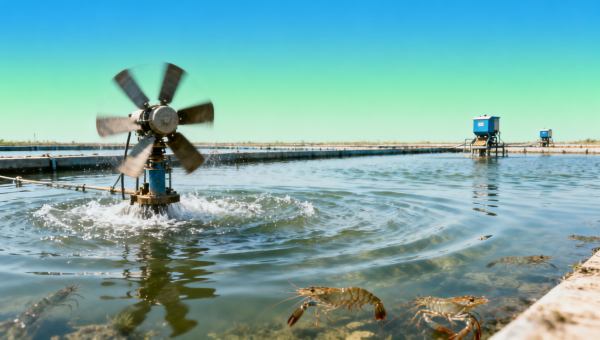
In shallow shrimp ponds, a surge wave aerator often underperforms because wave energy dissipates too quickly, leaving uneven oxygen distribution and stressed stock. For buyers comparing paddle wheel aerator wholesale options or planning upgrades with automatic fish feeder commercial systems, understanding these limitations is critical. This article examines the technical causes, operational risks, and better-fit alternatives for efficient shrimp pond aeration.
Why does a surge wave aerator struggle in shallow shrimp ponds?
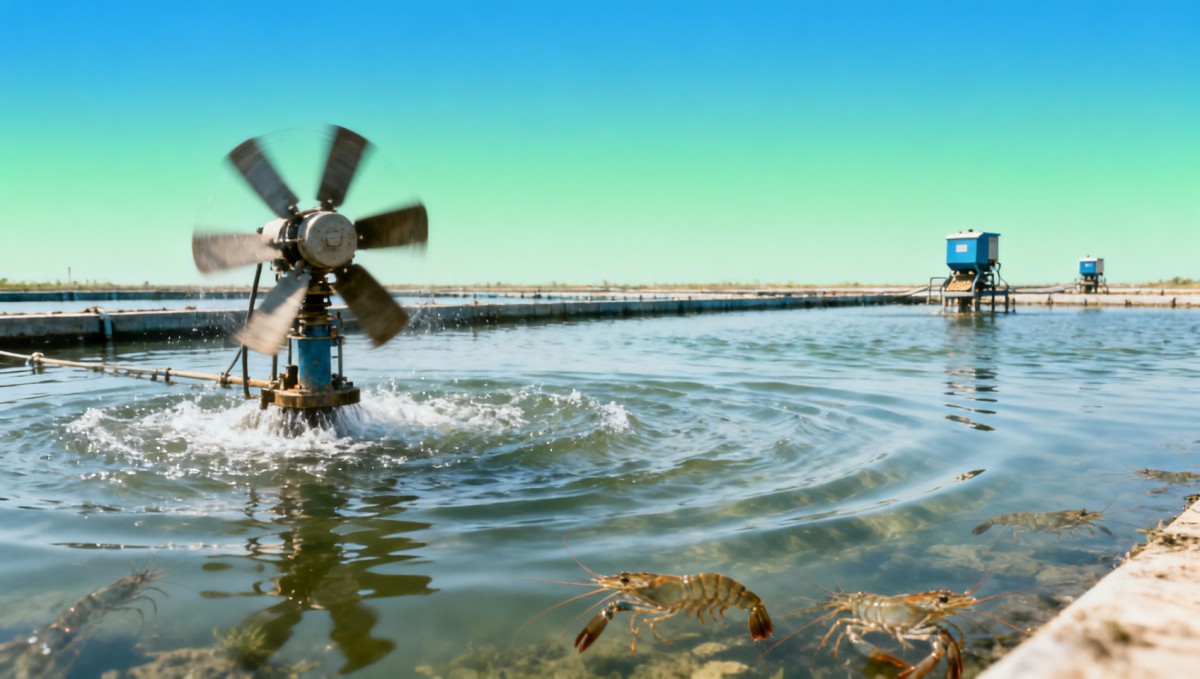
A surge wave aerator is designed to create water movement through repeated wave pulses. In deeper or broader water bodies, that pulse can travel farther before breaking down. In shallow shrimp ponds, however, the water column is limited, usually within a practical farming depth of about 0.8 m to 1.5 m. That small depth reduces the space needed for wave formation, so kinetic energy converts into turbulence and friction rather than stable circulation.
For operators, the problem appears as a familiar pattern: strong disturbance close to the machine, then weak oxygen transfer only a short distance away. Shrimp may gather in preferred zones while feed remains underutilized in stagnant corners. For technical evaluators and project managers, this means the equipment may be moving water without achieving the dissolved oxygen uniformity needed across the full pond footprint.
In commercial shrimp farming, aeration is not just about surface agitation. It must support bottom water renewal, sludge control, feed conversion, and nighttime oxygen stability. A system that looks active from the embankment may still leave dead zones near pond edges or central depressions. That mismatch is one reason surge wave aerator systems can disappoint buyers who expected visible motion to equal measurable oxygen performance.
ACC follows these issues closely because aquaculture procurement increasingly involves cross-functional review. The operator wants reliability over 10–16 hours of daily operation, the purchaser wants predictable energy cost, the safety team wants manageable maintenance risk, and the finance approver wants a system that improves biomass output rather than adding mechanical complexity.
Three physical limits that reduce effectiveness
- Shallow depth increases bottom friction, so wave motion decays quickly instead of traveling across the pond.
- Irregular pond geometry, sludge zones, and lining wrinkles interrupt circulation paths and break directional flow.
- Warm-water shrimp systems often require stable oxygen transfer during evening and pre-dawn periods, when a wave-driven pattern may be less consistent than forced directional aeration.
This is why many farms that start with a surge wave aerator later supplement with paddle wheels, diffused air, or mixed-layout systems. The goal shifts from creating movement to controlling oxygen, solids, and current patterns with more precision.
What operational risks does poor aeration distribution create?
Uneven aeration creates operational risk long before visible crop loss occurs. In a shallow shrimp pond, oxygen may remain acceptable near the aerator but fall in feeding lanes, corners, or bottom layers. Over a 24-hour production cycle, the weakest period is often the late night to early morning window, when respiration continues but photosynthesis stops. If circulation is poor, local stress rises quickly even when the average pond reading seems normal.
For quality control and safety managers, poor distribution also means a weaker environmental margin. Organic load accumulates where flow is insufficient, and that raises the chance of anaerobic spots, gas release, and unstable water quality. Project leaders evaluating retrofit budgets should treat this as a system-level issue, not just an equipment issue, because sludge movement, feed waste, and stocking density all interact with aeration design.
The practical consequence is often hidden cost. A farm may spend on energy, labor checks, emergency nighttime monitoring, and partial replacement equipment. Dealers and distributors also face downstream complaints when the original machine selection did not match pond depth, biomass stage, or production density. That is why procurement teams should compare not only nameplate motor power but also circulation pattern, oxygen transfer behavior, and pond compatibility.
The table below summarizes common shallow-pond symptoms linked to surge wave aerator failure and what each stakeholder should investigate before approving a replacement or expansion plan.
This pattern matters for buyers reviewing paddle wheel aerator wholesale offers. A lower unit price can become expensive if the wrong aeration principle forces additional retrofits within one production season or within 6–12 months of deployment.
Where farms usually misread the problem
Many teams assume the aerator itself is defective when the real issue is pond fit. In practice, failure often comes from a mismatch among depth, shape, biomass density, and machine placement. Another common error is measuring oxygen at only one location. A better field practice is to review multiple points, including feeding areas and low-flow zones, across at least 3 time windows: afternoon, midnight, and pre-dawn.
For enterprise decision-makers, this reinforces the value of evidence-based sourcing. ACC’s sector coverage supports this process by linking technical writing, supply chain review, and compliance thinking, so equipment selection is not isolated from farm operating reality or buyer accountability.
Which alternatives fit shallow shrimp ponds better?
There is no single universal replacement for a surge wave aerator. The better option depends on pond size, shrimp density, feed rate, energy pricing, and whether the farm needs circulation, oxygen transfer, or both. In many shallow ponds, paddle wheel systems remain the standard comparison because they generate directional flow and help push solids toward collection zones. In other layouts, aspirator or diffused-air support may be more suitable.
Buyers evaluating alternatives should consider at least 5 dimensions: oxygen transfer consistency, current control, maintenance interval, spare parts access, and integration with automatic fish feeder commercial systems or shrimp feeding automation. When feeding becomes more precise, aeration must also become more responsive, especially in high-input ponds where oxygen demand can rise sharply after feeding events.
The comparison table below is intended for technical assessment and procurement screening. It does not replace site-specific engineering, but it helps teams avoid the most common mismatch between visible water disturbance and useful pond performance.
For many shallow shrimp farms, a paddle wheel aerator wholesale program becomes the baseline benchmark because it is easier to visualize directional flow and easier to scale by unit count. That said, mixed systems can outperform single-type systems when ponds have variable depth, uneven biomass, or a phased upgrade plan.
When a mixed layout makes more sense
Use a hybrid concept if the pond has more than one problem
If the pond needs both solids movement and emergency oxygen support, combining paddle wheels with targeted supplemental units often makes more operational sense than adding more surge wave aerators. A hybrid plan is especially relevant when stocking density increases in 2 or 3 phases across the culture cycle, because oxygen demand does not rise evenly across time or location.
This is also where automated feeding matters. An automatic fish feeder commercial platform, even when adapted for shrimp operations, can intensify feeding precision. Once feed timing becomes more frequent, short oxygen dips after feeding are easier to identify. Procurement teams should therefore evaluate aeration and feeding as a linked system rather than separate line items.
How should buyers evaluate procurement, cost, and implementation risk?
A sound procurement decision starts with the farm profile, not the catalog. Buyers should first document pond depth range, pond area, expected biomass stage, power supply constraints, corrosion exposure, spare parts lead time, and operator skill level. For most B2B reviews, 4 checkpoints are essential before requesting final quotations: hydraulic suitability, electrical compatibility, maintenance burden, and supplier support responsiveness.
Finance approvers should be cautious with low-entry-price equipment that creates secondary spending. Cost comparison should include motor efficiency, gearbox replacement cycle, float durability, cable protection, seasonal downtime risk, and emergency rental or backup units. In many operations, the real difference appears not in week 1 but across 1 harvest cycle or 2 consecutive crop cycles.
For distributors and project engineers, implementation risk is often highest during the first 2–4 weeks after installation. Improper unit spacing, poor cable routing, or weak anchoring can distort performance and create false conclusions about the equipment category itself. That is why site mapping and commissioning checks deserve formal sign-off.
The checklist below can be used during vendor comparison, especially when a farm is moving away from a failed surge wave aerator and wants a clearer decision framework.
Procurement checklist for shallow pond aeration
- Confirm actual water depth across multiple points, not only design depth, because sediment and sludge can reduce effective depth over time.
- Request a layout recommendation showing unit count, direction of flow, and expected dead-zone control rather than accepting motor quantity alone.
- Ask for maintenance intervals for bearings, gearboxes, impellers, or diffusers, including likely spare parts replacement windows.
- Review power requirements and startup characteristics, especially if the farm operates under unstable grid conditions or generator backup.
- Check whether the proposed system aligns with operating procedures, water quality monitoring routine, and feeding automation schedule.
Where compliance is relevant, teams should also review electrical safety, environmental discharge practices, and material suitability for farm conditions. While aquaculture equipment procurement is not governed by one universal approval path, disciplined documentation matters, particularly for institutional buyers, export-oriented producers, and companies operating under internal audit controls.
Typical decision signals for different stakeholders
Operators look for simple maintenance and stable pond response. Technical evaluators focus on current pattern, oxygen distribution, and serviceability. Procurement teams compare total delivered cost and lead time, often in a 3-vendor shortlist. Executives and finance teams want predictable return, reduced crop risk, and fewer unplanned interventions. A strong sourcing process respects all of these views instead of letting one metric dominate the decision.
FAQ: common questions before replacing a surge wave aerator
The questions below reflect common search intent from farm managers, equipment buyers, dealers, and technical reviewers working on shrimp pond upgrades.
Is a surge wave aerator always a poor choice for shrimp farming?
No. The issue is not that the technology is universally poor. The issue is fit. In shallow shrimp ponds, especially those around 0.8 m to 1.5 m deep with irregular sludge distribution, wave energy often dissipates too fast. In other water bodies or specific layouts, the same equipment may perform acceptably. Buyers should judge based on pond geometry, oxygen demand pattern, and circulation goals.
What is the first sign that my current aeration layout is mismatched?
A common early sign is inconsistent shrimp behavior across the pond, especially during late-night or pre-dawn periods. Another sign is feed or solids accumulation in areas that should be swept clean. If the pond looks active near the machine but still develops stagnant zones within 8–15 m or requires repeated emergency operation, the layout probably needs review.
Should I choose paddle wheel aerator wholesale supply for all shallow ponds?
Not automatically, but it is often the most practical benchmark for shallow pond comparison. Paddle wheels are widely selected because they provide directional flow and are familiar to operators. However, ponds with specialized geometry, liner constraints, or stronger bottom oxygenation needs may benefit from a hybrid layout. The right approach depends on whether the priority is sweeping, oxygen transfer, emergency support, or integrated automation.
How does feeding automation affect aeration selection?
An automatic fish feeder commercial system can improve feeding consistency, but it also reveals whether aeration is keeping up with oxygen demand after feed delivery. More frequent feeding events can create repeated oxygen pressure during the day and evening. If aeration remains uneven, the farm may see better feed distribution but weaker water quality stability. That is why modern farm upgrades should evaluate feeder scheduling and aerator layout together.
Why consult ACC when planning a shallow pond aeration upgrade?
AgriChem Chronicle serves professional readers who do not want vague product language. Our editorial framework is built for technical screening, supply chain interpretation, and industrial procurement thinking across aquaculture and adjacent primary industries. That is useful when a buyer needs more than a brochure and wants a structured view of equipment fit, implementation risk, and purchasing logic.
If your team is comparing a failed surge wave aerator against paddle wheel aerator wholesale alternatives, or evaluating how aeration should interact with an automatic fish feeder commercial upgrade, ACC can help frame the right questions. We focus on practical decision inputs such as operating range, replacement timing, maintenance exposure, documentation quality, and supplier transparency.
You can contact us to discuss parameter confirmation, shallow pond application screening, supplier comparison criteria, delivery cycle expectations, retrofit planning, and documentation needs for internal approval. We also support content partnership opportunities for qualified manufacturers and equipment OEMs seeking to present validated technical capabilities to institutional buyers and industrial farming operators.
For procurement teams, project managers, and distributors, the value of consultation is speed with clarity. Instead of spending weeks comparing mismatched offers, you can narrow the review to the most relevant technical options, identify likely failure points early, and build a more defensible purchasing decision for the next 1–2 production cycles.
Related Intelligence
- Aeration & Water TechHelium Price Up 35.2% MoM; Aeration Equipment Makers Test Ar/N2 SubstitutesHelium price up 35.2% MoM—Aeration equipment makers rush to validate Ar/N2 substitutes for CE/UL-compliant calibration in RAS & aquaculture systems.
- Aeration & Water TechWhy Some Deep Well Pumps Fail Long Before ExpectedSubmersible deep well pumps fail early when sizing, water quality, and controls are ignored. Learn how solar water pumps agricultural systems and agricultural diesel engines affect reliability.
- Aeration & Water TechSubmersible Deep Well Pumps and the Sand ProblemSubmersible deep well pumps in sandy wells: learn how solar water pumps agricultural systems and wholesale water pumps for farming compare, reduce wear, and improve irrigation reliability.
The Morning Broadsheet
Daily chemical briefings, market shifts, and peer-reviewed summaries delivered to your terminal.
