
Surge wave aerator or fountain type for algae-prone ponds?
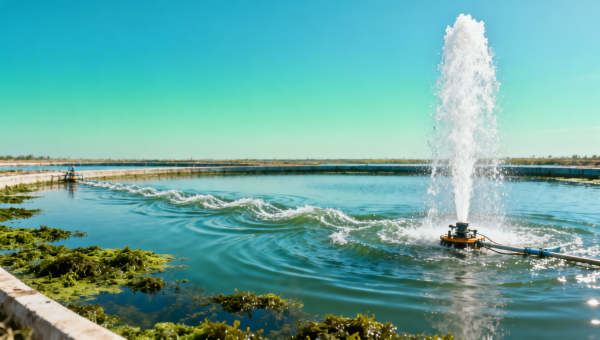
For algae-prone ponds, choosing between a surge wave aerator and fountain type system affects oxygen transfer, circulation efficiency, and long-term water quality. Buyers comparing solutions alongside paddle wheel aerator wholesale options, automatic fish feeder commercial setups, and recirculating aquaculture systems need clear, technical guidance. This article outlines how each aeration method performs in algae control, operational cost, maintenance, and system compatibility.
How do surge wave aerators and fountain systems actually differ in algae-prone ponds?
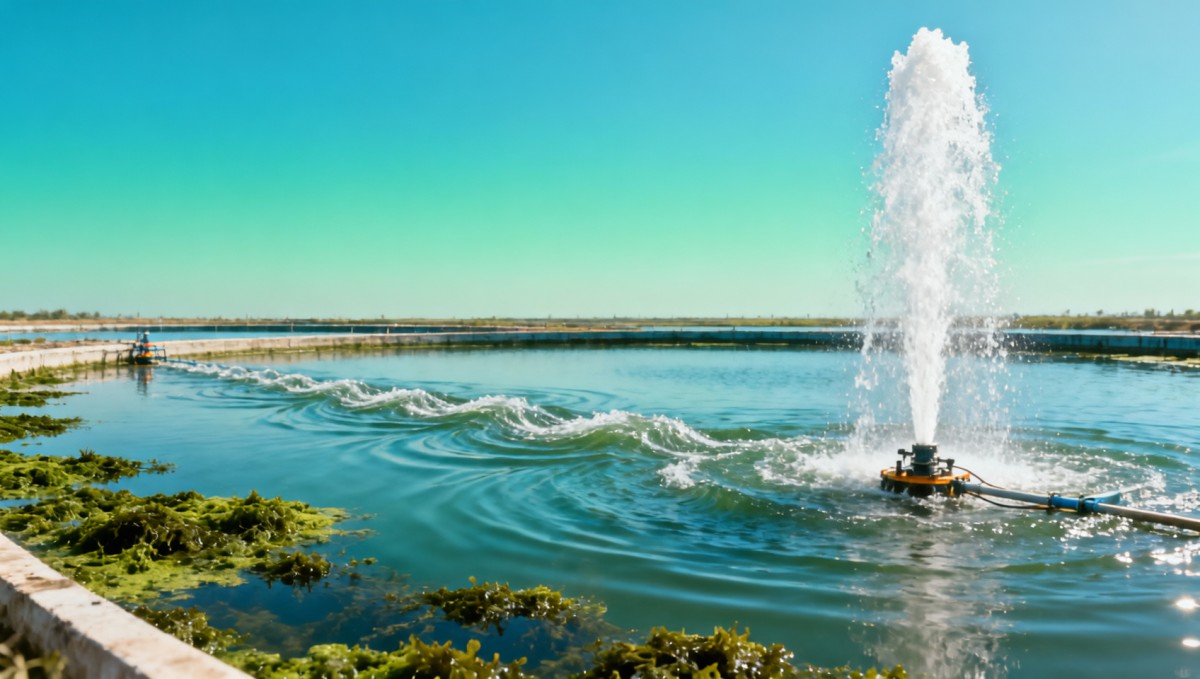
In procurement discussions, these two systems are often grouped together as surface aeration equipment, but their hydraulic behavior is not the same. A surge wave aerator is primarily designed to push water laterally, create directional circulation, disturb stratified layers, and keep suspended solids from settling in dead zones. A fountain type aerator emphasizes vertical spray, visual effect, and surface gas exchange, which can be useful but does not always solve circulation problems in ponds with persistent algae blooms.
For operators managing aquaculture ponds, irrigation reservoirs, or mixed-use farm water bodies, algae control depends on more than dissolved oxygen alone. The critical factors are turnover rate, coverage area, night-time oxygen stability, and the ability to reduce stagnant corners within 24-hour operating cycles. In many algae-prone ponds, blue-green algae thrive when warm surface water remains relatively undisturbed while nutrients accumulate in shallow margins.
This is why technical evaluation teams should assess not only motor power, such as 0.75 kW to 3 kW for smaller decorative systems or 2 kW to 7.5 kW for more robust pond aeration units, but also flow pattern and mixing depth. A fountain can improve top-layer aeration, while a surge wave unit often performs better where ponds exceed 1.2 m to 2.5 m in depth and show uneven oxygen profiles between surface and lower water zones.
At AgriChem Chronicle, our editorial approach prioritizes selection logic that matters to institutional buyers and technical managers: what problem must the machine solve, how stable is performance over a full season, and how well does the system integrate with feeding, monitoring, and broader water management strategy. That perspective is especially important where algae control is tied to production yield, fish health, and compliance with environmental discharge expectations.
Core operating differences that influence pond health
- Surge wave aerators create horizontal momentum, which is useful for moving water across long pond footprints, reducing stagnant edges, and improving circulation around feeding zones.
- Fountain type aerators create visible spray plumes and surface agitation, which can support oxygen exchange near the top layer but may deliver less directional movement in irregular ponds.
- In algae-prone conditions, circulation pattern often matters as much as oxygen input because nutrient-rich pockets and thermal layering can sustain bloom pressure even when the surface appears active.
- Where aesthetics are relevant, such as estate ponds or agritourism sites, fountain systems may satisfy dual visual and functional objectives, but production ponds usually require performance-first evaluation.
Quick technical comparison for buyers
The table below helps procurement teams compare surge wave aerator and fountain type equipment across the criteria most often discussed during pre-purchase screening, technical approval, and budget review.
This comparison shows why there is no universal winner. If the pond suffers from edge stagnation, recurring algae mats, and oxygen stress before dawn, a surge wave aerator often has a stronger technical case. If the water body is shallow, publicly visible, and only occasionally affected by algae, a fountain type solution may be acceptable, especially when appearance is part of the project objective.
Which system controls algae more effectively under real operating conditions?
Algae management is never a one-machine issue. It depends on nutrient loading, feed loss, sludge accumulation, sunlight exposure, pond geometry, and how many hours the aeration system runs each day. In operational terms, however, a surge wave aerator usually gains an advantage where the pond has 3 recurring symptoms: floating algae accumulation along the banks, morning oxygen dips, and inconsistent water movement between feed points and outlet areas.
A fountain type aerator can still support algae reduction, particularly in ponds under 1.5 m depth where the main goal is to break the surface film and maintain some oxygen transfer during warmer months. Yet if nutrient concentration remains high and the pond has sheltered corners, the spray pattern may leave portions of the basin under-circulated. In those settings, algae may simply shift location rather than decline over a 2-week to 6-week observation period.
Technical teams should also consider stocking density and feeding intensity. In commercial fish culture, automatic fish feeder commercial systems can increase localized nutrient pressure when feed distribution is concentrated. When feeding is repeated 3 to 8 times per day, circulation around those zones becomes more important. Surge wave aeration often complements this pattern because it spreads oxygenated water across the active biomass zone rather than focusing mainly on the visible surface.
For decision-makers balancing capex and risk, the practical question is this: does the site need oxygen input only, or oxygen plus water movement? In many algae-prone ponds, especially those used for aquaculture, the second requirement dominates. That is why pond managers who compare fountain systems against paddle wheel aerator wholesale options and recirculating aquaculture systems should evaluate circulation architecture, not just aeration category.
Situations where each option performs better
Selection becomes clearer when linked to site conditions rather than brand preference. The table below maps typical use scenarios to the more suitable aeration strategy.
The key interpretation is that algae-prone production ponds usually reward circulation-led aeration, while landscape-oriented installations may accept a surface-focused fountain system. If uncertainty remains, operators should request a pond mapping review covering depth profile, feeding layout, inlet and outlet positions, and current algae concentration by zone.
Three algae-related mistakes buyers often make
- They assume visible spray means effective whole-pond mixing. In reality, a dramatic plume can coexist with stagnant corners and low sub-surface movement.
- They size the aerator only by pond surface area, ignoring depth bands, sludge zones, and feeding intensity, which can change oxygen demand materially.
- They treat algae as a cosmetic issue. In aquaculture and farm reservoirs, bloom control directly affects dissolved oxygen, water odor, sludge behavior, and downstream maintenance costs.
What should procurement teams check before choosing one system?
Procurement decisions for aeration equipment frequently fail when stakeholders use different criteria. Operators care about ease of service, engineers focus on hydraulic fit, finance teams compare acquisition cost, and quality or safety personnel ask about electrical protection and environmental suitability. A disciplined selection process should combine at least 5 checkpoints: pond geometry, oxygen demand, algae severity, utility conditions, and maintenance capability.
Power supply is a practical example. Some sites can support continuous operation for 8 to 16 hours per day during summer peaks, while others only allow partial schedules due to energy cost or grid limitations. A system that looks economical at purchase can become inefficient if it must run longer to compensate for poor circulation. For that reason, lifecycle performance matters more than nameplate simplicity.
Buyers comparing a surge wave aerator, fountain type unit, and paddle wheel aerator wholesale package should also examine deployment complexity. Anchor configuration, cable routing, corrosion resistance, spare parts lead time, and impeller or nozzle accessibility all affect total ownership cost over 12 to 36 months. This is especially relevant for distributors and project managers responsible for multiple ponds across different sites.
AgriChem Chronicle serves technical and procurement audiences by translating manufacturer claims into evaluation language that supports internal approval. That includes asking for motor protection details, material compatibility, routine maintenance intervals, and documentation relevant to EPA, FDA-adjacent handling expectations, or local environmental control regimes where applicable to site operation and discharge management.
A practical 4-step selection workflow
- Map the pond: record surface area, depth range, sludge-heavy sections, inlet location, and any corners where algae accumulates repeatedly over 7 to 14 days.
- Define the operating goal: prioritize whether the site needs algae suppression, oxygen stabilization, ornamental spray, or integration with feeding and circulation routines.
- Compare machine behavior: review directional flow, spray pattern, service access, likely runtime, and compatibility with existing farm equipment.
- Validate implementation: confirm cable protection, anchoring, spare parts planning, startup support, and who will perform cleaning and inspection every month or quarter.
Selection matrix for internal approval
For cross-functional teams, a simple scoring matrix can reduce debate and speed approvals. The table below highlights decision dimensions that matter in B2B pond aeration procurement.
When these dimensions are reviewed together, many teams find that the cheapest initial option is not the lowest-risk option. For algae-prone ponds, under-specifying circulation can create recurring costs in labor, water treatment, feed loss, and production inconsistency.
How do cost, maintenance, and system compatibility compare over time?
Purchase price matters, but in professional pond management the stronger indicator is total operating burden over one to three seasons. A fountain type system may appear attractive when the initial budget is limited and the installation requires simple visual enhancement plus some aeration. However, if algae pressure persists, additional measures such as supplementary mixers, manual cleaning, or chemical intervention may narrow the upfront savings.
A surge wave aerator may require a more deliberate placement study, especially in ponds with irregular banks, multiple feeding points, or partial liners. Yet where circulation weakness is the root issue, one properly selected unit can reduce the need for repeated corrective action. This can be significant for financial approvers who evaluate not only equipment cost but also labor hours, biological risk, and production loss during hot periods.
Maintenance profiles also differ. Fountain systems usually need regular nozzle and spray path checks, particularly where suspended solids, biofilm, or mineral scaling is present. Surge wave units may demand more attention to impeller condition, anchoring stability, and wave path obstruction. In either case, a realistic preventive maintenance plan should include weekly visual checks, monthly cleaning, and a more detailed quarterly inspection during peak-use seasons.
Compatibility with broader aquaculture infrastructure is another overlooked factor. If the site already uses automatic fish feeder commercial equipment, water quality probes, or partial recirculating aquaculture systems, aeration should support those assets rather than conflict with them. Directional movement near feed distribution areas, sludge migration zones, and water intake points can materially affect the overall system response.
Cost-related questions worth asking suppliers
- What is the recommended runtime range in moderate versus heavy algae seasons, and how does that change energy consumption over a 30-day cycle?
- Which wear parts are expected to need replacement within 12 to 24 months under normal pond conditions?
- How long is the usual lead time for replacement motors, impellers, nozzles, seals, or floats if the system operates in a remote agricultural area?
- Can the supplier provide installation guidance aligned with the pond layout rather than selling a generic one-size-fits-all package?
When alternatives make sense
Not every pond should choose between only a surge wave aerator and a fountain type unit. In high-density fish culture, paddle wheel aerator wholesale configurations may offer more aggressive oxygenation at the culture edge, while recirculating aquaculture systems become relevant where water reuse, filtration, and biosecurity are strategic priorities. The point is not to default to the most familiar product, but to match the aeration method to the site’s biological and operational demands.
For mixed-use farms, a hybrid approach is often practical. A fountain type aerator may serve a visible front pond, while a surge wave or paddle wheel system supports production ponds behind the main site. This segmentation allows procurement teams to align equipment choice with distinct performance targets instead of forcing one machine category into every water body.
FAQ and decision support for operators, engineers, and buyers
The following questions reflect what technical evaluators, distributors, and project teams most often ask when deciding between a surge wave aerator and a fountain type system for algae-prone ponds. These answers are most useful when combined with actual pond mapping and seasonal operating data.
Is a fountain aerator enough to stop algae blooms?
Sometimes, but only when algae pressure is moderate and the pond’s main limitation is low surface aeration rather than poor circulation. In shallow ponds with relatively uniform depth, a fountain can help disrupt the surface and support oxygen exchange. In ponds with dead corners, sludge zones, or recurring dawn oxygen drops, it is often not enough by itself.
When is a surge wave aerator the safer procurement choice?
It becomes the safer choice when the pond is used for production, shows repeated algae accumulation along the edges, or has uneven water quality across zones. It is also preferred when feeding intensity is high, runtime will be regular for several months, and managers need a more functional water movement pattern rather than ornamental spray.
What operating data should be collected before requesting a quotation?
At minimum, record pond length and width, typical depth range, water source, algae concentration by area, current aeration hours per day, feeding schedule, stocking density if relevant, and power supply conditions. A 7-day to 14-day log covering early morning oxygen behavior and algae movement is particularly helpful for accurate equipment recommendation.
How long does implementation usually take?
Lead time varies by specification, quantity, and site readiness, but many projects move through 3 stages: technical confirmation, supply and shipment, and installation or commissioning. For standard units, the planning and delivery window is often measured in several weeks rather than days. Complex projects with multiple ponds, electrical preparation, or integrated monitoring naturally take longer.
Why consult AgriChem Chronicle before finalizing pond aeration procurement?
For institutional buyers and industrial operators, aeration is rarely an isolated purchase. It sits within a wider decision framework that may include feed management, aquaculture automation, environmental compliance, spare parts planning, and long-term operating cost control. AgriChem Chronicle is positioned to support this level of evaluation because our coverage connects aquaculture and fishery technology with primary-industry procurement discipline and technical review logic.
Our value lies in helping readers and commercial partners frame the right questions before budget approval or supplier engagement. That includes comparing surge wave aerator and fountain type options, understanding where paddle wheel aerator wholesale sourcing makes sense, and assessing whether a site would benefit more from stand-alone aeration or broader recirculating aquaculture systems planning.
If your team is reviewing algae-prone pond equipment, you can use ACC as a technical intelligence partner for parameter confirmation, application matching, documentation planning, and supplier communication structure. This is especially useful when multiple stakeholders must align, from operators and engineers to procurement managers, quality personnel, finance approvers, and regional distributors.
Contact us to discuss pond size and depth, target aeration outcome, runtime assumptions, delivery expectations, spare parts planning, and any certification or compliance concerns relevant to your market. We can also help structure a comparison brief for surge wave aerator, fountain type, paddle wheel, and related aquaculture equipment options so your quotation process is faster, clearer, and better matched to real operating conditions.
Related Intelligence
- Aeration & Water TechHelium Price Up 35.2% MoM; Aeration Equipment Makers Test Ar/N2 SubstitutesHelium price up 35.2% MoM—Aeration equipment makers rush to validate Ar/N2 substitutes for CE/UL-compliant calibration in RAS & aquaculture systems.
- Aeration & Water TechWhy Some Deep Well Pumps Fail Long Before ExpectedSubmersible deep well pumps fail early when sizing, water quality, and controls are ignored. Learn how solar water pumps agricultural systems and agricultural diesel engines affect reliability.
- Aeration & Water TechSubmersible Deep Well Pumps and the Sand ProblemSubmersible deep well pumps in sandy wells: learn how solar water pumps agricultural systems and wholesale water pumps for farming compare, reduce wear, and improve irrigation reliability.
The Morning Broadsheet
Daily chemical briefings, market shifts, and peer-reviewed summaries delivered to your terminal.
