
What changes the real cost of paddle wheel aerator wholesale
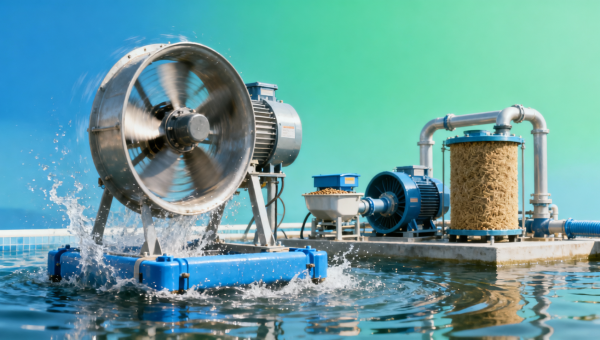
The real cost of paddle wheel aerator wholesale is shaped by far more than unit price. From surge wave aerator performance and recirculating aquaculture systems compatibility to integration with automatic fish feeder commercial setups, aquaculture drum filters, and biofilter media for RAS, every specification affects lifetime value. This guide helps buyers, engineers, and operators evaluate total cost, compliance, durability, and operational efficiency before making a commercial procurement decision.
Why does paddle wheel aerator wholesale cost vary so much?
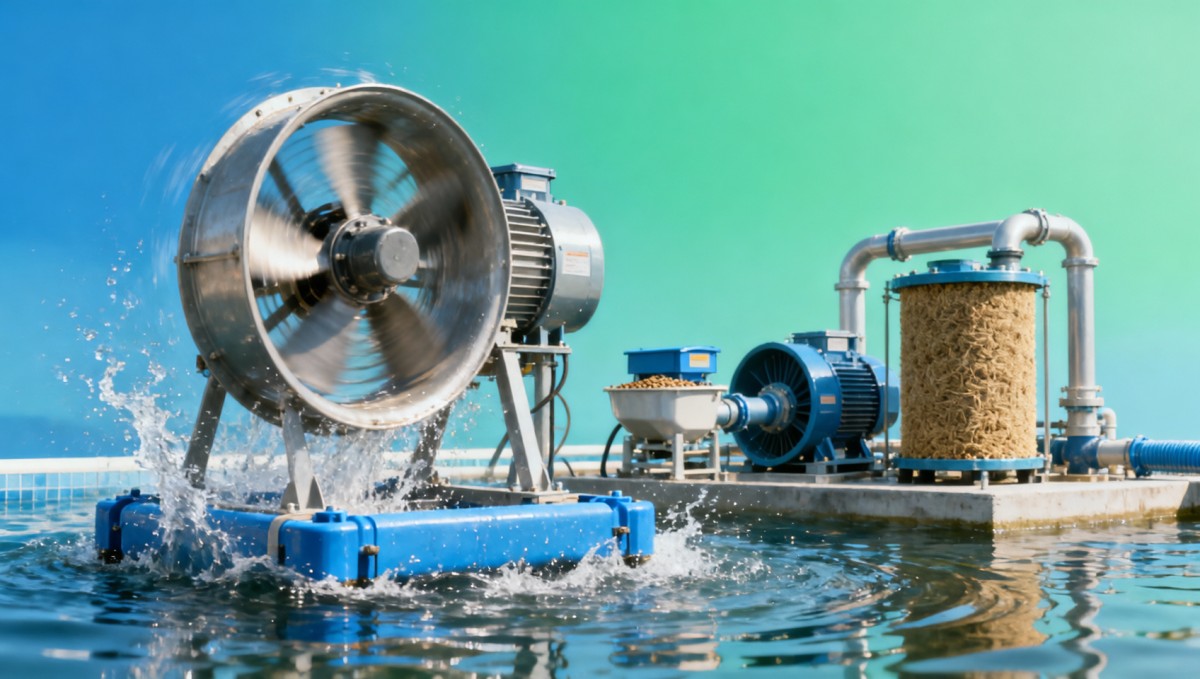
In aquaculture equipment procurement, the visible quotation is only the first layer of cost. For wholesalers, farm operators, project managers, and finance approvers, the real cost of paddle wheel aerator wholesale changes according to motor grade, gearbox design, float material, shaft corrosion resistance, power efficiency, and service life under continuous duty cycles that often run 8–20 hours per day.
A low initial price can become expensive when the aerator consumes more electricity, requires frequent replacement parts, or creates unstable dissolved oxygen distribution. In intensive pond systems, a mismatch between aeration output and pond stocking density can reduce feed conversion efficiency and increase stress events, especially during hot seasons or nighttime oxygen dips.
Buyers also need to assess whether the equipment will operate as a standalone pond aerator or as part of a wider water treatment chain. In modern facilities, paddle wheel aerator wholesale decisions are often tied to surge wave aerator layout, automatic fish feeder commercial coordination, aquaculture drum filters, and biofilter media for RAS expansion planning.
At AgriChem Chronicle, procurement analysis is approached as a system question rather than a single-machine question. That matters because the same 1.5 kW, 2 hp, or 3 hp aerator can produce very different ownership costs depending on pond geometry, salinity, installation method, grid stability, operator skill, and maintenance intervals over 12–36 months.
The main cost drivers behind wholesale pricing
For technical evaluators and procurement teams, it helps to separate price drivers into product cost, deployment cost, and operating cost. This makes vendor quotations easier to compare and reduces the risk of selecting equipment that appears economical but performs poorly in the field.
- Product cost factors: motor enclosure grade, copper winding quality, impeller material, float density, frame coating, and bearing specification.
- Deployment cost factors: cable length, anchoring method, control panel requirements, transport volume, and on-site assembly labor.
- Operating cost factors: kWh consumption, spare part cycle, lubrication frequency, gearbox failures, and downtime during peak biomass periods.
When ACC reviews supplier data and technical whitepapers, one recurring theme is clear: the lowest wholesale offer rarely reflects the lowest cost per production cycle. This is especially true when the farm depends on continuous oxygen transfer during 2–4 critical months of high feeding intensity.
Which technical specifications change total lifetime value?
Technical specifications influence not just performance but budgeting accuracy. A buyer comparing two paddle wheel aerator wholesale offers should look beyond horsepower. The more useful questions are: how stable is torque under load, how resistant is the structure to corrosion, and how much oxygen movement is sustained after 6–12 months in field conditions?
In mixed aquaculture operations, compatibility matters as much as output. A farm using recirculating aquaculture systems for hatchery stages and open ponds for grow-out may require different aeration profiles. In these cases, paddle wheel units may complement rather than replace blowers, venturi devices, surge wave aerators, aquaculture drum filters, and biofilter media for RAS support loops.
Operators should also evaluate power infrastructure. A site with unstable voltage or long cable runs may experience motor stress and higher failure rates. That changes the real cost of paddle wheel aerator wholesale because every unplanned shutdown creates labor disruption, feed schedule inconsistency, and in severe cases, biomass loss.
The table below summarizes practical specification areas that most directly affect total cost, field reliability, and procurement confidence across small, medium, and commercial-scale aquaculture projects.
This comparison shows why technical data sheets should be read alongside maintenance planning. A lower-cost unit may fit a short seasonal cycle, while a higher-grade configuration often makes more sense for farms running near-daily aeration across multiple ponds or integrated systems.
How system integration changes equipment value
Paddle wheel aerators are often evaluated in isolation, but real commercial value appears when they are coordinated with feeding, filtration, and circulation. An automatic fish feeder commercial setup can raise localized waste load and oxygen demand within 30–90 minutes after feeding, making aeration timing and placement a cost-sensitive decision.
Likewise, when a farm operates aquaculture drum filters and biofilter media for RAS in nursery or broodstock zones, water quality objectives become more precise. In that context, paddle wheel aerator wholesale planning should account for whether the equipment supports solids movement, dead-zone reduction, and oxygen stabilization in transfer ponds or reserve ponds.
Three technical questions buyers should ask vendors
- What is the recommended operating pond size and water depth per unit under moderate and high stocking conditions?
- Which components are expected to require inspection every month, every quarter, and every 12 months?
- Can the unit be matched with surge wave aerator layouts, feeder schedules, and backup power protocols?
These questions help technical teams translate product claims into real operational planning. They also support finance teams that need a defendable basis for comparing quotations across 3–5 suppliers.
How should procurement teams compare wholesale offers?
A reliable procurement process should compare at least five dimensions: price, specification, compliance, lead time, and serviceability. In commercial aquaculture, purchasing decisions made only on unit price often create hidden expenses in freight, spare parts, wiring accessories, and start-up labor. This is where project managers and financial approvers need a structured framework.
Lead time can materially change real cost. A supplier offering a lower price but requiring 6–10 weeks may be riskier than a supplier delivering in 2–4 weeks before a seasonal stocking window. If aeration arrives late, the farm may delay pond preparation, reduce stocking volume, or operate with insufficient oxygen redundancy.
Compliance documentation also matters. While paddle wheel aerators are not regulated identically across every region, buyers commonly ask for basic electrical safety documentation, materials information, motor ratings, and traceable packing details. For export-oriented operations, documentation discipline can matter nearly as much as product design.
The following table can be used as a practical wholesale evaluation matrix for procurement staff, technical reviewers, and distributors comparing multiple offers in a consistent manner.
A matrix like this reduces internal disagreement between technical and commercial teams. It also helps distributors standardize supplier onboarding when they need to carry inventory across multiple horsepower ranges and customer segments.
A 4-step purchasing workflow for lower risk
In ACC’s coverage of primary industries and industrial procurement, the most effective buyers usually follow a sequence rather than buying on quotation alone. This method works especially well when projects involve mixed aquaculture equipment rather than a single replacement order.
- Define the operating context: pond size, species, stocking density, feeding regime, available power, and expected daily run time.
- Shortlist compliant configurations: compare 2–3 power ranges, material options, and integration requirements with surge wave aerator or RAS support equipment.
- Validate commercial terms: review lead time, packing method, spare parts list, warranty scope, and payment milestones.
- Plan commissioning: set installation checks, operator training, maintenance intervals, and backup response before the first production cycle.
This workflow can prevent the common mistake of approving a low quote without understanding site conditions. For project-based buyers, it also creates a practical record for internal approval and post-installation review.
What hidden costs do operators and finance teams often miss?
The largest hidden costs usually appear after installation. Power consumption over one production cycle, unplanned repairs, emergency freight for parts, labor for repeated alignment, and pond underperformance can outweigh a small initial saving. For operators running multiple units, even minor inefficiencies become material over 6–12 months.
Energy cost is one example. A slightly less efficient motor or poor mechanical transmission may not seem important at purchase, but when units operate 10–16 hours per day across several ponds, the cost difference becomes visible on monthly utility bills. Finance teams should therefore review estimated operating hours, not just purchase price.
Another overlooked area is maintenance logistics. If the supplier cannot provide a clear spare parts pathway, a failed gearbox or paddle component may keep a unit offline during a critical biomass stage. For shrimp, fish, and mixed pond culture, delayed repair can create a water quality imbalance that affects feeding response and growth uniformity.
In integrated facilities, hidden cost also comes from poor system matching. An oversized aerator may create unnecessary energy use, while an undersized one can force the site to add emergency devices such as temporary blowers or supplementary surge wave aerator support. Either way, the original wholesale decision loses efficiency.
Common cost misconceptions in commercial buying
Misunderstanding cost is one of the biggest reasons B2B buyers revisit aquaculture equipment decisions too late. The following misconceptions appear frequently in wholesale discussions and can distort budgeting.
- “All 2 hp units perform the same.” In practice, paddle geometry, transmission quality, and material durability can change field results considerably.
- “Cheaper freight means cheaper procurement.” Lower freight can come with weaker packing, higher damage risk, or longer project delay.
- “If the pond has aeration, integration does not matter.” Feeding peaks, sludge movement, and water circulation patterns still need coordinated equipment planning.
- “Maintenance can be handled later.” In fact, first-cycle planning for inspections every 30–90 days reduces the risk of unexpected shutdowns.
For distributors and agents, correcting these misconceptions improves customer retention because buyers are less likely to experience post-sale dissatisfaction caused by unrealistic expectations.
FAQ: what should buyers ask before placing a wholesale order?
How do I choose the right paddle wheel aerator wholesale configuration?
Start with application data rather than catalogue price. Confirm pond dimensions, target species, stocking density, salinity, feeder schedule, and expected operating hours per day. Then compare 2–3 motor ranges and ask suppliers to explain the recommended coverage per unit, the maintenance cycle, and the spare part plan for the first 12 months.
Are paddle wheel aerators suitable for RAS facilities?
Usually they are not the main aeration method inside closed recirculating aquaculture systems, but they can still support transfer ponds, equalization zones, or open grow-out stages linked to RAS operations. Buyers using aquaculture drum filters and biofilter media for RAS should assess whether paddle wheel aerators are being used for circulation support, emergency oxygen management, or pond-side stabilization.
What is a realistic lead time for commercial orders?
Typical lead times vary by order volume, configuration, and shipping route. For standard models, buyers often plan around 2–4 weeks for production plus transit variables. For custom voltage, packaging changes, or project bundles that include automatic fish feeder commercial units or other aquaculture equipment, the timeline can extend to 4–8 weeks.
What compliance or documentation should I review?
At minimum, review electrical specifications, motor rating details, materials information for exposed components, packing list clarity, and installation instructions. If the order is part of a regulated industrial procurement workflow, the internal review may also include supplier traceability, inspection records, and consistency with site safety procedures. Documentation quality is often a useful indicator of supplier maturity.
Why work with AgriChem Chronicle when evaluating suppliers and project options?
AgriChem Chronicle serves professional buyers operating in regulated, technically demanding supply chains. That matters for aquaculture procurement because paddle wheel aerator wholesale decisions increasingly intersect with broader infrastructure choices, from feed handling and filtration to compliance review and cross-border sourcing discipline.
Our editorial focus across Agricultural & Forestry Machinery, Aquaculture & Fishery Tech, Feed & Grain Processing, and adjacent industrial sectors helps readers compare equipment not as isolated catalog items but as components in a production system. This perspective is valuable for technical evaluators, procurement managers, and enterprise decision-makers who need practical, defensible purchasing logic.
If you are assessing the real cost of paddle wheel aerator wholesale, we can help you clarify the decision points that often delay approval: parameter confirmation, pond application fit, integration with surge wave aerator or automatic fish feeder commercial setups, lead time expectations, documentation readiness, and the trade-off between upfront price and 12–36 month operating value.
Contact us if you need structured support for supplier comparison, product selection, project scoping, quote review, delivery schedule planning, spare parts strategy, or documentation checks for aquaculture drum filters, biofilter media for RAS, and related aquaculture equipment packages. A precise inquiry with your target capacity, operating conditions, and timeline will make the discussion faster and more useful for all stakeholders.
Related Intelligence
- Aeration & Water TechHelium Price Up 35.2% MoM; Aeration Equipment Makers Test Ar/N2 SubstitutesHelium price up 35.2% MoM—Aeration equipment makers rush to validate Ar/N2 substitutes for CE/UL-compliant calibration in RAS & aquaculture systems.
- Aeration & Water TechWhy Some Deep Well Pumps Fail Long Before ExpectedSubmersible deep well pumps fail early when sizing, water quality, and controls are ignored. Learn how solar water pumps agricultural systems and agricultural diesel engines affect reliability.
- Aeration & Water TechSubmersible Deep Well Pumps and the Sand ProblemSubmersible deep well pumps in sandy wells: learn how solar water pumps agricultural systems and wholesale water pumps for farming compare, reduce wear, and improve irrigation reliability.
The Morning Broadsheet
Daily chemical briefings, market shifts, and peer-reviewed summaries delivered to your terminal.
