
When paddle wheel aerator wholesale pricing looks cheap but is not
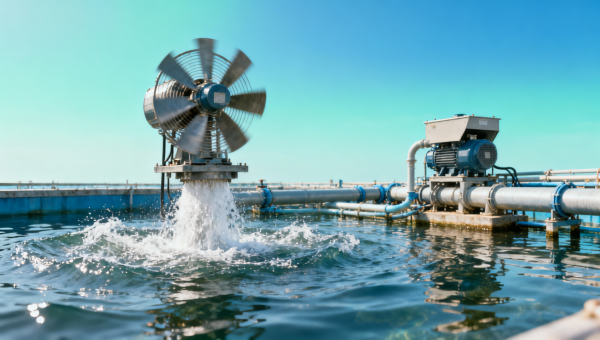
A low paddle wheel aerator wholesale quote can hide far higher lifetime costs in energy use, corrosion resistance, downtime, and compliance risk. For buyers comparing surge wave aerator systems, automatic fish feeder commercial setups, shrimp feed pellet machine options, and recirculating aquaculture systems components, this analysis explains how to assess real value before a cheap offer becomes an expensive operational mistake.
Why a cheap paddle wheel aerator wholesale price often fails under real operating conditions
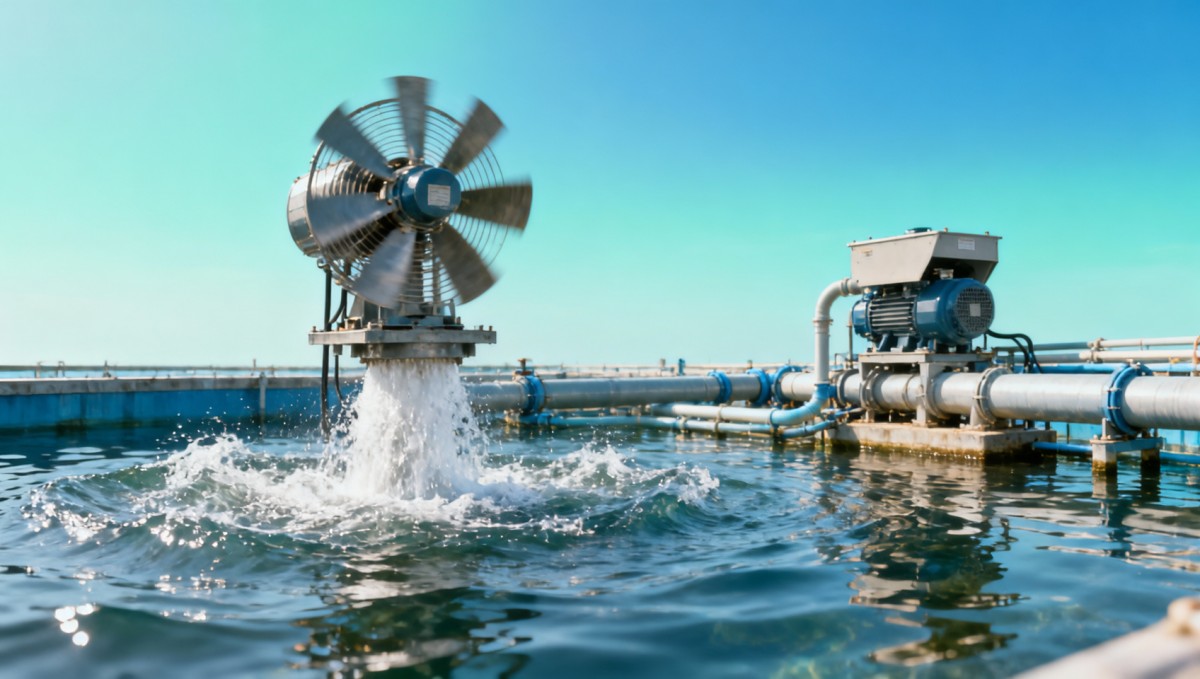
In aquaculture and water management procurement, the quoted unit price is only the first number. The real cost emerges across 12–36 months of operation, especially when equipment runs 8–20 hours per day during high-density culture cycles. A paddle wheel aerator wholesale offer may look attractive in a distributor spreadsheet, yet still become financially weak once electricity, maintenance frequency, shaft wear, and impeller balance problems appear in the field.
This is where technical evaluators, project managers, and finance approvers often see different risks. Operators care about startup stability and easy servicing. Procurement teams focus on landed cost and delivery lead time, often 2–6 weeks for standard batches. Quality and safety teams look at motor protection, insulation grade, and corrosion behavior in freshwater, brackish water, or high-organic-load ponds. Decision quality improves only when these views are evaluated together.
For commercial ponds, hatcheries, and integrated fishery projects, underperforming aeration has consequences beyond energy bills. Low dissolved oxygen can reduce feed conversion efficiency, increase stress events, and disrupt the operation of connected systems such as recirculating aquaculture systems, automatic fish feeder commercial installations, or shrimp feed pellet machine processing schedules. What looked like a cheap procurement line can quickly affect production planning and stock survival.
AgriChem Chronicle approaches such buying decisions as a supply-chain and technical-risk issue, not just a sourcing task. In regulated and performance-sensitive industries, buyers need visibility into material selection, component consistency, maintenance intervals, and documentation quality. That is especially important when comparing OEM offers, distributor stock, and mixed-source assemblies presented as equivalent products.
What buyers usually miss in a low quote
A quote can appear lower because one or more hidden variables are excluded. These are rarely obvious on the first page of a proposal, especially when the document lists only power rating and wheel size. In practice, procurement teams should verify at least 5 core areas before approving a low-priced paddle wheel aerator wholesale deal.
- Motor specification: rated power alone is insufficient; buyers should check protection level, winding quality, voltage tolerance, and operating temperature range.
- Frame and shaft material: low-grade steel or thin coatings can accelerate corrosion in 3–9 months under brackish or fertilizer-rich pond conditions.
- Gearbox or transmission design: poor sealing and lubrication control often become the main downtime trigger after the first season.
- Service parts availability: if bearings, floats, couplings, or blades require 3–5 weeks to replace, the cheap purchase price loses value quickly.
- Documentation and traceability: missing manuals, test records, or parts lists complicate commissioning, warranty handling, and safety review.
Many wholesale buyers also overlook freight and assembly assumptions. Some quotes exclude mounting hardware, cable length, starter panels, or export packaging. Others use a low ex-works base price but add significant cost once inland transport, port handling, and replacement parts are included. For dealer networks and regional agents, these details directly affect resale margin and post-sales reputation.
How to compare total cost instead of only the purchase price
A practical comparison should cover acquisition, operation, maintenance, and risk exposure. In many pond installations, electricity and downtime over 1–2 production cycles can exceed the initial difference between a low quote and a technically stronger offer. That is why a total-cost model gives a clearer basis for approval than a simple unit-price comparison.
The table below shows a structured way to compare a cheap paddle wheel aerator wholesale proposal with a more complete commercial specification. The values are qualitative procurement indicators, not brand-specific claims, and they reflect common field evaluation practice in aquaculture and water treatment equipment sourcing.
The key lesson is simple: a low initial quote reduces visible capex, but may raise opex and disruption cost. For finance teams, the more useful metric is not unit price alone, but expected cost per operating season and the cost of avoidable failure during peak biomass periods.
A 4-step total-cost review framework
Buyers who need a faster approval process can use a compact four-step model. This works well for farms, distributors, and engineering teams comparing multiple offers within a 7–15 day sourcing window.
- Map the operating profile: daily runtime, pond type, water chemistry, and seasonal load variation.
- Separate visible and hidden costs: equipment, freight, panels, cable, spares, labor, and expected maintenance.
- Estimate failure impact: oxygen loss risk, feeding interruption, and production schedule delay.
- Validate supportability: spare part lead time, documentation quality, and remote troubleshooting responsiveness.
This framework is especially useful when the same project also includes surge wave aerator equipment, automatic fish feeder commercial systems, and recirculating aquaculture systems components. A weak aeration purchase can reduce the return on every connected subsystem.
Which technical checkpoints matter most before approving a low-cost offer
Technical review should focus on durability, consistency, and compatibility. A paddle wheel aerator wholesale proposal should not be assessed only by horsepower or blade count. Real operating value depends on how well the motor, shaft, float structure, transmission, and wheel geometry work together under pond-specific load conditions.
In commercial aquaculture, common power configurations often fall within roughly 1–3 kW per unit for standard pond deployments, but the correct selection depends on pond area, stocking density, water depth, and oxygen strategy. Oversimplified matching creates either wasted energy or insufficient water movement. That is why technical evaluators should request a configuration basis, not just a catalog line.
Material selection is another decision point with long-term cost consequences. Stainless steel, coated steel, engineering plastics, and mixed-material assemblies all have different corrosion and fatigue behavior. In brackish shrimp environments, weak fasteners or inconsistent coating quality can produce failures much earlier than expected. In freshwater fish ponds, poor bearing sealing may become the main issue instead.
The review becomes even more important in integrated facilities where paddle wheel units are not standalone assets. If they operate alongside shrimp feed pellet machine lines, automatic feeding schedules, and recirculating aquaculture systems modules, downtime can affect labor planning, feed management, and water quality control in a chain reaction.
Technical checklist for engineers, QC teams, and project managers
Before issuing a purchase order, teams should inspect at least 6 technical checkpoints. This can be done through a factory file review, a sample unit inspection, or a pre-shipment verification process.
- Motor enclosure and insulation details suitable for humid and splash-prone environments.
- Shaft straightness, coupling alignment, and vibration behavior during startup and full-load operation.
- Float buoyancy stability over extended exposure and whether the material degrades under UV and chemical contact.
- Transmission sealing, lubrication method, and expected maintenance interval, often reviewed every 3–6 months.
- Fastener grade and anti-corrosion treatment, particularly for marine or brackish installations.
- Availability of drawings, spare parts coding, and basic commissioning instructions.
Parameter review table for pre-purchase evaluation
The following table is useful when comparing quotations from multiple suppliers or screening dealer stock. It helps procurement teams translate technical language into approval criteria.
For many buyers, this table also helps distinguish a real manufacturer-supported offer from a trading-only quote with limited after-sales depth. That distinction matters when the buyer expects scaling, repeat orders, or regional distribution support.
How application scenario changes the right buying decision
Not every low-cost paddle wheel aerator wholesale offer is automatically wrong. The issue is fit. A temporary, low-density freshwater pond may tolerate a simpler configuration. A commercial shrimp farm operating under tighter oxygen and biosecurity control usually cannot. Buyers should align the product level with the operational consequence of failure.
Scenario-based selection is especially important for firms managing multiple equipment categories. A project combining surge wave aerator deployment, automatic fish feeder commercial lines, and recirculating aquaculture systems components needs coordinated performance. If one subsystem has unstable uptime, the value of the broader capital plan declines.
Distributors and agents face an additional layer of risk. A cheap product may generate short-term sales volume, but frequent claims within the first 6–12 months can damage channel credibility. In B2B markets, reputation often carries more value than a single low-price transaction.
For decision-makers and financial approvers, the key question is not “Which quote is lowest?” but “Which option best protects output, service continuity, and compliance with the least avoidable lifetime cost?” That framing leads to better approvals.
Common use scenarios and selection logic
The table below translates application needs into selection priorities. It is a useful tool for procurement meetings involving operations, engineering, and finance at the same time.
This scenario view helps teams avoid overbuying and underbuying. The right decision is not always the highest specification, but it is rarely the lowest quote without verification.
Compliance, documentation, and risk controls buyers should verify
In cross-border industrial purchasing, compliance is often treated as paperwork after the quotation is accepted. That creates avoidable risk. For equipment used in aquaculture, feed handling, and primary processing environments, buyers should review electrical safety, material suitability, operating instructions, and export documentation before payment milestones are released.
Where projects intersect with regulated sectors or institutional procurement standards, documentation discipline becomes even more important. ACC’s editorial focus on machinery, aquaculture technology, feed processing, and compliance-sensitive supply chains reflects a broader truth: trust in industrial buying comes from verifiable information, not from low numbers alone.
Buyers do not need exaggerated claims. They need practical evidence. Typical review items include electrical data sheets, material lists, spare parts schedules, packing lists, inspection checkpoints, and warranty terms. A supplier that can support these items clearly is usually easier to work with during installation and after-sales service.
For projects with a 3-stage approval flow—technical review, commercial review, and final finance release—documentation quality often shortens internal decision time. It also reduces conflict between procurement teams seeking savings and operational teams seeking reliability.
FAQ: the questions serious buyers ask before ordering
How do I know whether a cheap paddle wheel aerator wholesale offer is acceptable?
Start with usage intensity. If the unit will run only in light-duty conditions, a lower-cost option may be workable. If runtime is expected to reach 10–16 hours per day, or if the pond is brackish and biomass levels are high, low-cost uncertainty becomes much more expensive. Ask for material details, spare-part timing, and maintenance intervals before deciding.
What delivery period is typical for commercial orders?
Standard products may move within 2–4 weeks depending on quantity and power configuration. Customized voltage, upgraded materials, or bundled systems that include automatic fish feeder commercial modules or recirculating aquaculture systems components may take longer. Buyers should also confirm spare-part supply timing, not just main-unit delivery.
Which documents should procurement request before approval?
At minimum, request a specification sheet, bill of major components, installation instructions, maintenance guidance, and warranty terms. For distributor stocking or project procurement, add packing details, replacement part references, and inspection or test checkpoints. These documents reduce ambiguity during receiving, commissioning, and claim handling.
Is it better to buy paddle wheel aerators together with other aquaculture equipment?
Often yes, if the supplier can coordinate technical interfaces and after-sales support. When a project includes surge wave aerator units, shrimp feed pellet machine equipment, feeding systems, and recirculating aquaculture systems components, aligned documentation and service planning reduce installation friction. The bundled option is useful only if technical quality remains clear and each subsystem is not downgraded to hit a package price.
Why informed buyers use AgriChem Chronicle before comparing suppliers
AgriChem Chronicle serves readers who cannot afford shallow procurement analysis. Our audience includes technical evaluators, plant and pond operators, procurement directors, quality and safety personnel, project leads, and distributors working across agricultural machinery, aquaculture technology, fine chemicals, and feed processing. These stakeholders need disciplined insight that connects commercial offers with operational reality.
Our advantage is not generic product promotion. It is the ability to frame purchasing decisions through engineering logic, supply-chain visibility, and compliance awareness. That matters when buyers are screening a paddle wheel aerator wholesale quote, evaluating surge wave aerator alternatives, or aligning feeder and water-management systems within a broader aquaculture capital plan.
If your team is comparing suppliers, preparing an internal approval memo, or building distributor-level product criteria, we can help structure the decision around the details that change lifetime value: parameter confirmation, material review, support scope, delivery timing, service parts planning, and documentation quality. This is where better questions create better buying outcomes.
Contact us if you need support with supplier comparison, product selection, delivery-cycle assessment, custom configuration review, documentation expectations, or quotation analysis for integrated aquaculture equipment. We can help you clarify whether a low offer is truly competitive, what to request before placing an order, and how to evaluate total cost before approval becomes an operational risk.
Related Intelligence
- Aeration & Water TechHelium Price Up 35.2% MoM; Aeration Equipment Makers Test Ar/N2 SubstitutesHelium price up 35.2% MoM—Aeration equipment makers rush to validate Ar/N2 substitutes for CE/UL-compliant calibration in RAS & aquaculture systems.
- Aeration & Water TechWhy Some Deep Well Pumps Fail Long Before ExpectedSubmersible deep well pumps fail early when sizing, water quality, and controls are ignored. Learn how solar water pumps agricultural systems and agricultural diesel engines affect reliability.
- Aeration & Water TechSubmersible Deep Well Pumps and the Sand ProblemSubmersible deep well pumps in sandy wells: learn how solar water pumps agricultural systems and wholesale water pumps for farming compare, reduce wear, and improve irrigation reliability.
The Morning Broadsheet
Daily chemical briefings, market shifts, and peer-reviewed summaries delivered to your terminal.
