
Automatic fish feeder commercial setup mistakes that waste feed
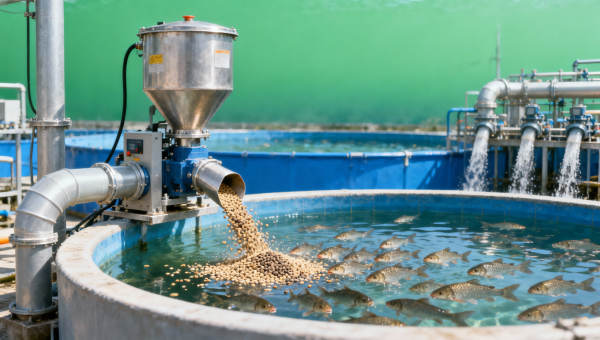
In commercial aquaculture, a poorly configured automatic fish feeder commercial setup can waste costly feed, destabilize water quality, and undermine returns across recirculating aquaculture systems. From feeder calibration to feed type matching for floating fish feed extruder and sinking fish feed machine output, avoiding common mistakes is critical for operators, technical evaluators, and buyers seeking efficient, compliant, and scalable fishery operations.
Why do commercial automatic fish feeder setups fail in real operations?
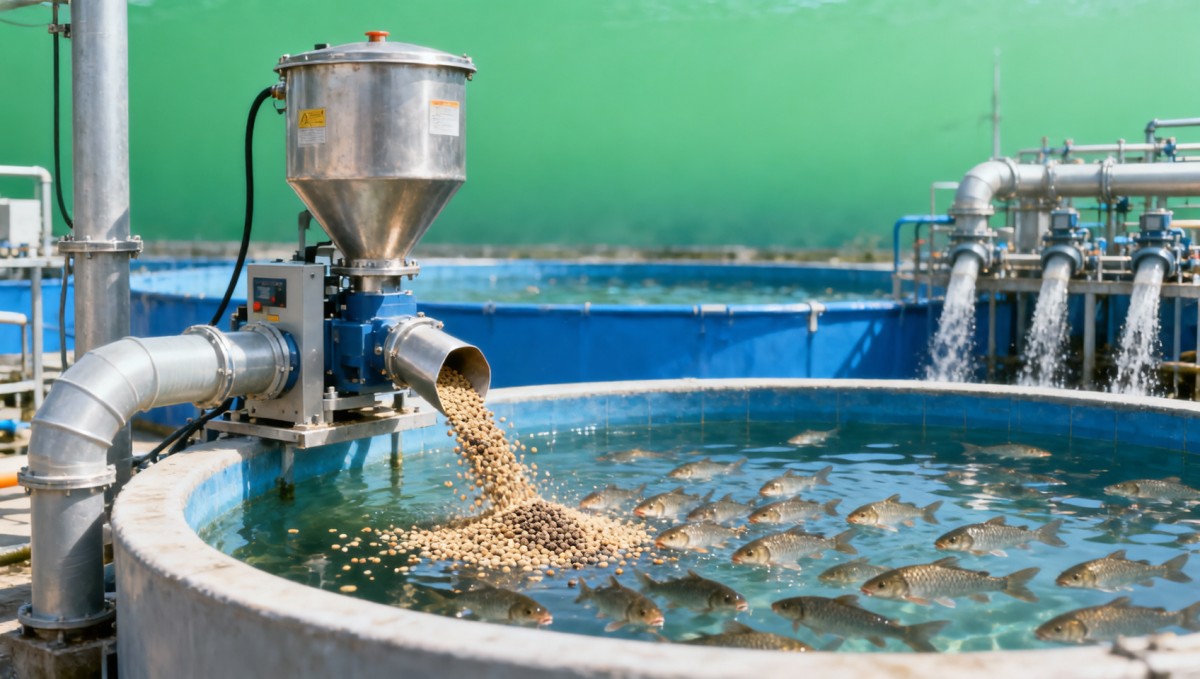
An automatic fish feeder commercial setup rarely fails because of one dramatic defect. In most sites, feed loss comes from a chain of small configuration mistakes: wrong pellet size, poor throw range, inconsistent feeding intervals, weak moisture control, and limited coordination with biomass data. In tanks, ponds, cages, and recirculating aquaculture systems, these errors can appear within 7–14 days of commissioning, long before managers identify the source of poor feed conversion.
For operators, the first pain point is simple: feed is expensive, and uneven delivery turns a controllable input into waste. For technical evaluators and project managers, the issue is broader. Waste feed increases suspended solids, stresses filtration units, and can push oxygen demand beyond the intended design margin. That means a feeding setup problem can quickly become a water quality and equipment loading problem.
Procurement teams often focus on feeder capacity, motor rating, or unit price, yet overlook the interaction between feeder mechanics and feed characteristics. A system designed for dry, uniform floating pellets may perform poorly when used with sinking feed, higher oil content formulas, or mixed pellet diameters from different production lots. This is where many commercial buyers lose value after installation rather than during purchase.
ACC’s editorial focus on aquaculture, machinery, processing, and regulated industrial supply chains matters here because feeder mistakes are not only an operations issue. They are a supply chain and decision-quality issue. Whether the buyer is comparing feed generated by a floating fish feed extruder or output from a sinking fish feed machine, setup quality determines whether the planned feeding strategy is technically valid and financially defendable.
The 5 mistake categories that usually waste feed
- Calibration errors, where actual feed discharge differs from the programmed rate by one full step or more over a 15–30 minute feeding cycle.
- Feed mismatch, especially when feeder settings are copied from floating feed to sinking feed without adjusting timing, spread angle, or drop point.
- Environmental exposure, including humidity, splashback, and condensation that alter pellet flow inside hoppers and delivery tubes.
- Control logic gaps, where feeders run on fixed schedules instead of biomass, appetite, water temperature, and dissolved oxygen conditions.
- Maintenance neglect, such as delayed cleaning every 1–2 weeks or missed wear checks on augers, blowers, sensors, and seals.
When these categories overlap, the commercial impact grows quickly. One site may think it has a feed quality issue, while the real cause is poor setup logic. Another may replace a feeder too early, when the deeper problem is that hopper geometry and feed density were never tested together during commissioning.
Which setup mistakes create the highest feed loss risk?
The most costly mistakes are rarely hidden. They are common, measurable, and preventable if teams use a proper acceptance checklist. In commercial fish feeding, 4 areas deserve immediate attention: dosing accuracy, feed form compatibility, distribution pattern, and environmental protection. If even one of these is ignored, operators can see visible fines, surface drift, uneaten pellets, or aggressive feeding competition within a single production cycle.
A frequent error is assuming the feeder’s rated capacity equals useful feeding capacity. A feeder rated for a large hourly throughput may still perform poorly at low-dose, high-frequency schedules such as 8–16 feeding events per day. Precision at partial loading matters more than peak volume in many hatchery, nursery, and RAS applications.
Another mistake is using one setup profile for all pellet types. Floating pellets made by a floating fish feed extruder often require different drop velocity, blower force, and spread logic than denser sinking pellets from a sinking fish feed machine. If the same settings are used, floating pellets may overshoot the feeding zone while sinking pellets may cluster too tightly, causing local overfeeding.
Technical evaluators should also check whether the feeder integrates with oxygen alarms, pump cycles, or biomass software. A commercial automatic fish feeder commercial setup that ignores these signals can continue dispensing feed during low oxygen windows or during partial flow disruptions, increasing stress and waste in less than 30 minutes.
Operational warning signs that should not be ignored
Before the table below, it helps to separate visible symptoms from root causes. Many sites react to reduced growth or dirtier water, but the faster approach is to track the feeder’s physical behavior and the feed’s movement pattern during 3 consecutive feeding sessions.
These patterns help purchasing, operations, and quality teams align around the same evidence. Instead of debating whether the feeder or the feed is at fault, the site can isolate the issue by observing output consistency, pellet integrity, and landing behavior under controlled timing windows.
A practical 4-step commissioning check
- Run dry and loaded tests separately for at least 3 feed intervals to confirm mechanical consistency.
- Measure actual discharge against programmed targets across 2–3 pellet sizes if multiple diets are planned.
- Observe pellet landing pattern at full and reduced blower settings to locate drift or clustering.
- Validate integration with alarm logic so feed pauses during low oxygen, maintenance, or flow interruption events.
This 4-step sequence is simple, but it prevents many repeat losses. Sites that skip it often spend the next 2–4 weeks troubleshooting symptoms that should have been identified on day one.
How should buyers match feeder configuration to floating and sinking feed?
Matching the feeder to the feed is one of the most overlooked procurement disciplines in fishery tech. Buyers tend to compare feeder models by hopper volume, motor type, or automation interface, yet the better question is whether the setup can handle the feed’s physical behavior. Pellet density, oil content, diameter range, fragility, and whether the product comes from a floating fish feed extruder or a sinking fish feed machine all affect setup choices.
Floating feed usually benefits from a controlled spread pattern that keeps pellets within the active feeding ring, especially in tanks and raceways with directional current. Sinking feed often needs shorter transport distance, lower impact, and more precise release timing, because once it drops below the feeding zone, recovery is limited. Using one feeder setting for both can increase waste even when the feed itself meets specification.
For procurement personnel and finance approvers, this is where total cost matters more than unit cost. A lower-priced feeder that cannot maintain acceptable discharge with 2–3 diet formats may create hidden operating losses over every month of production. Technical assessment should therefore include feed trials, not only machine brochures.
Distributors and project managers should also confirm whether the supplier can support parameter setting during startup. Commercial feeder systems perform best when delivery distance, hopper angle, auger speed, blower force, and timer logic are reviewed together rather than in isolation.
Parameter comparison for common commercial feeding scenarios
The table below gives a practical comparison framework for technical evaluation. These are not fixed universal values, but common setup considerations used when comparing floating and sinking feed applications in commercial aquaculture projects.
This comparison is valuable because it moves selection away from generic claims and toward measurable fit. If a vendor cannot explain how the feeder should be configured for both feed behaviors, buyers should request additional technical clarification before approval.
3 procurement questions that improve setup outcomes
- Can the feeder be validated with the exact pellet diameter range and formulation planned for the first 6–12 months of operation?
- What adjustment range is available for discharge rate, spread pattern, and interval timing without changing hardware?
- What startup support is provided for calibration, alarm integration, and operator training during the first commissioning phase?
These questions are especially relevant for buyers managing new builds, multi-tank sites, or distributor-led deployments where one mistake can be replicated across several units.
What should technical evaluators, procurement teams, and compliance managers check before approval?
A commercial feeding project should be approved only after technical, operational, and compliance checkpoints are aligned. In practice, there are 6 review areas: feed compatibility, materials in contact zones, environmental protection, control integration, maintainability, and documentation quality. This matters because fish feeding systems sit inside a wider production environment that may also be governed by food safety, environmental discharge control, and maintenance traceability requirements.
Quality and safety managers should ask whether the feeder design supports routine cleaning and inspection without excessive disassembly. If operators need long shutdowns or improvised tools just to clear bridging or residue, maintenance risk rises. In high-humidity areas, even a 1–2 hour delay in response can turn minor buildup into a hygiene or clogging issue.
Project managers should also review documentation depth. A commercially acceptable package usually includes installation guidance, operating limits, spare parts visibility, and calibration instructions. Without these, handover becomes dependent on verbal knowledge, which is risky for multi-shift facilities and distributor networks.
From ACC’s perspective, the strongest procurement decisions are supported by technical transparency. That means buyers should not only compare machine features, but also ask for the operational assumptions behind them. This is especially important in regulated supply chains where environmental performance and traceable process control carry as much value as output capacity.
A practical approval matrix for commercial feeder evaluation
The checklist below can be adapted for internal review meetings involving operations, engineering, procurement, and finance. It is designed to reduce selection errors before purchase order release.
Used correctly, this matrix supports better discussions with vendors and internal stakeholders. It also helps finance teams justify spend based on operational risk reduction rather than equipment cost alone.
Standards and compliance considerations
Commercial aquaculture systems do not always require the same certification path in every market, but buyers should still review general compliance alignment. Depending on installation geography and processing context, teams may need to check electrical safety conformity, materials suitability, documentation for sanitation procedures, and environmental control expectations linked to EPA, FDA, or other local frameworks.
The key point is not to assume that a feeder is compliant simply because it is automated. Compliance is tied to documented use, maintenance discipline, and how the equipment fits into the broader production process. A feeder that supports traceable calibration every month or every quarter is easier to manage in audited environments than one with vague operating records.
How can operators reduce feed waste after installation?
Once the automatic fish feeder commercial setup is installed, the biggest gains come from disciplined routines rather than major hardware changes. Operators should treat feeding as a controlled process with daily checks, weekly review, and monthly adjustment. Even a well-selected feeder can drift from optimal performance if the site changes feed formulation, fish size class, stocking density, or water circulation pattern without resetting parameters.
A useful operating model is to separate checks into 3 layers. Daily checks confirm hopper condition, discharge consistency, and visible feeding response. Weekly reviews compare planned feed against consumed behavior across representative tanks or cages. Monthly reviews verify calibration, wear, and control logic. This structure is practical for both single-site operators and distributors supporting multiple customer installations.
For technical teams, one of the best interventions is to connect feeder adjustment to actual field observation. If fish are surfacing late, leaving fines, or concentrating away from the drop zone, do not only change the amount. Review spread, interval, and timing first. Feed waste often results from wrong delivery dynamics, not just wrong ration size.
Sites running RAS or tightly controlled water systems should be especially careful. Uneaten feed increases solids loading and can affect filtration stability within hours. In these facilities, a small feeder mistake can create a larger process penalty than in open pond environments.
Routine actions that lower waste across 30-day operating cycles
- Check hopper dryness and pellet flow path at the start of each shift, especially in humid seasons or splash-prone layouts.
- Reconfirm calibration whenever pellet diameter, feed supplier, or formula oil level changes.
- Review feeding intervals after biomass grading, because fish behavior can shift significantly between small and large cohorts.
- Schedule cleaning and inspection every 1–2 weeks for augers, tubes, blower paths, seals, and sensor surfaces.
- Record exceptions such as bridging, over-throw, alarm stops, and manual overrides so recurring issues can be traced instead of guessed.
FAQ for buyers and operators
How do I know if the feeder is wasting feed or the diet itself is the problem?
Start with a controlled 2–3 cycle discharge test using the same batch of feed. If output mass, pellet breakage, or landing pattern changes between identical cycles, the feeder setup is likely contributing. If discharge is stable but feeding response is weak, then diet formulation, freshness, or biomass assumptions may require review.
Is one feeder configuration suitable for both floating and sinking feed?
Usually not without adjustment. Floating feed and sinking feed differ in density, behavior after release, and sensitivity to spread. The same hardware may support both, but timer settings, blower force, drop path, and sometimes delivery geometry often need to be revalidated when switching feed type.
What is the most overlooked procurement mistake?
Approving equipment based only on rated capacity and price. For commercial aquaculture, the better decision factors include calibration stability, support for multiple pellet profiles, moisture resistance, maintenance access, and startup documentation. These directly affect feed waste and labor cost after installation.
How long should commissioning and validation take?
For many commercial sites, a focused startup check can be completed in 1–3 days, while full observation across normal feeding routines may take 1–2 weeks. The exact period depends on the number of diets, tanks, alarm links, and whether the site is integrating the feeder into a broader RAS or process control system.
Why work with ACC when evaluating fish feeder systems and feed handling decisions?
Commercial buyers do not need more generic claims about automation. They need clear technical context, cross-sector insight, and structured evaluation criteria. ACC supports this need by connecting aquaculture and fishery technology with wider expertise in machinery assessment, feed processing, industrial procurement, and regulated supply chains. That perspective is especially useful when feeder performance depends on both equipment design and feed production characteristics.
For information researchers and enterprise decision-makers, ACC helps narrow the gap between specification sheets and real operating outcomes. For technical evaluators and project leads, the value lies in practical comparison frameworks, compliance-aware review points, and a stronger basis for supplier questioning. For distributors and procurement teams, this supports faster alignment on what should be tested before purchase and what should be documented before handover.
If you are assessing an automatic fish feeder commercial setup, planning a new aquaculture line, or comparing solutions for feed generated by a floating fish feed extruder versus a sinking fish feed machine, ACC can help you focus on the factors that most directly affect waste, control, and lifecycle cost. This includes parameter confirmation, configuration logic, implementation risk, and documentation depth.
Contact us to discuss feeder parameter verification, equipment selection criteria, delivery and startup timelines, custom evaluation frameworks, compliance documentation expectations, sample or trial planning, and quotation-stage technical comparison. When the goal is to reduce feed waste and strengthen procurement confidence, better questions at the start usually save far more than late corrections in operation.
Related Intelligence
- Feeding & Watering SystemsWholesale Water Pumps for Farming: Quality Gaps to CheckWholesale water pumps for farming: learn how to spot quality gaps in solar water pumps agricultural and submersible deep well pumps before bulk orders—reduce downtime, risk, and lifetime cost.
- Feeding & Watering SystemsWhat Changes the Real Cost of Wholesale Farm Water PumpsWholesale water pumps for farming: learn how solar water pumps agricultural systems, submersible deep well pumps, energy, installation, and compliance shape real cost before you buy.
- Feeding & Watering SystemsDoes an automatic fish feeder commercial unit really cut labor?Automatic fish feeder commercial systems can cut labor when matched with recirculating aquaculture systems, aquaculture drum filters, and biofilter media for RAS. Learn how to choose smarter.
The Morning Broadsheet
Daily chemical briefings, market shifts, and peer-reviewed summaries delivered to your terminal.
