
Why Surge Wave Aerators Are the Best Choice for Large Ponds?
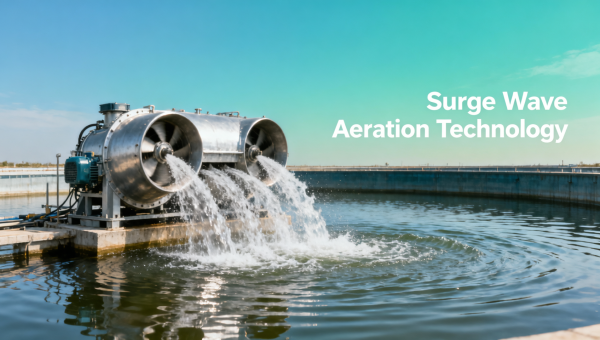
Why Large Ponds Need Specialized Aeration Solutions
For industrial-scale aquaculture operations, water quality directly impacts fish health, feed conversion rates, and overall yield. Large ponds (typically exceeding 5,000 m³) face unique challenges: oxygen stratification, thermal layers, and dead zones where organic waste accumulates. Traditional paddle wheel aerators, while common, struggle to maintain uniform dissolved oxygen (DO) levels across vast water volumes, often requiring multiple units operating simultaneously.
Surge wave aerators address these limitations through hydraulic engineering principles. By generating directional water currents up to 3 meters/second, they disrupt thermal stratification and distribute oxygen more efficiently than diffused air systems. A single 7.5kW surge wave unit can aerate 15,000–20,000 m³ of water, reducing energy consumption by 40–60% compared to equivalent paddle wheel configurations.
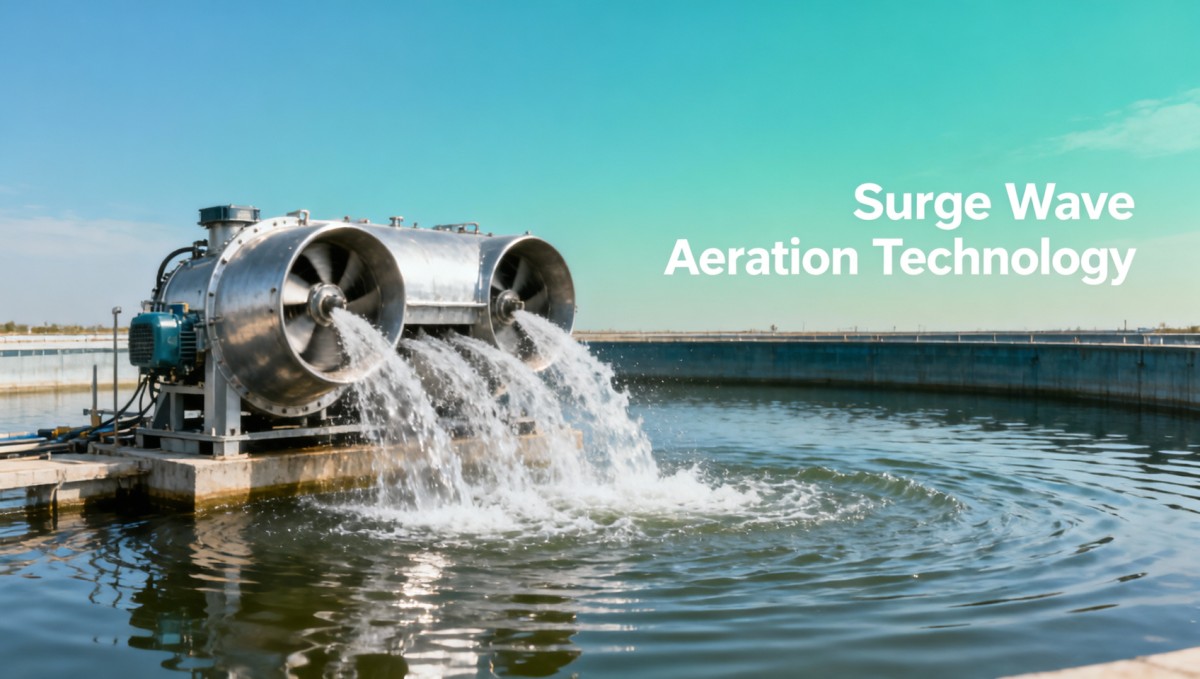
The environmental compliance aspect cannot be overstated. EPA regulations for commercial aquaculture mandate DO levels ≥5 mg/L during peak feeding periods. Surge wave systems maintain these thresholds consistently, minimizing ammonia spikes and nitrite accumulation that cause fish stress. For operators exporting to EU markets, this compliance reduces rejection risks at border inspections.
Performance Comparison: Surge Wave vs. Traditional Systems
Three critical metrics define aeration efficiency: oxygen transfer rate (OTR), power consumption per unit volume, and maintenance frequency. Field trials conducted by the Asian Fisheries Society across 12 commercial shrimp farms (2021–2023) reveal stark contrasts:
The data underscores why leading aquaculture equipment OEMs now integrate surge wave technology into their commercial-grade systems. For operations handling 50+ tons of biomass annually, the 18–24% increase in feed conversion efficiency translates to $120,000–$250,000 in annual savings per farm, based on 2023 global shrimp feed prices ($1,200–$1,500/ton).
From a procurement perspective, surge wave units require 60% fewer spare parts inventory compared to paddle wheel systems. The absence of floating gears and submerged bearings reduces the risk of catastrophic failures during peak production seasons.
Integration with Modern Aquaculture Tech Stacks
Smart farming demands interoperability between aeration, feeding, and water quality monitoring systems. Surge wave aerators excel in this domain through three key integrations:
- IoT-enabled DO sensors that adjust aeration intensity based on real-time oxygen levels
- Synchronization with automatic fish feeders to optimize oxygen supply during feeding bursts
- API compatibility with farm management software for predictive maintenance scheduling
A 2023 case study from a Vietnamese catfish farm demonstrates this synergy. By coupling surge wave aerators with AI-powered feeding systems, the operation reduced feed waste by 22% while increasing stocking density from 15 fish/m³ to 22 fish/m³. The energy cost per kilogram of harvested fish dropped from $0.18 to $0.12, improving profit margins by 33%.
For procurement teams evaluating total cost of ownership (TCO), these integrations extend equipment lifespan by preventing overloading during algae blooms or sudden temperature drops. A well-maintained surge wave unit typically operates for 12–15 years, compared to 7–10 years for paddle wheel systems under similar conditions.
Selecting the Right Surge Wave System: Key Decision Factors
Four parameters determine system suitability for large ponds:
- Pond Geometry: Rectangular ponds (length:width ratio ≥3:1) benefit most from directional flow. Circular ponds require modified nozzle configurations to prevent vortex formation.
- Water Depth: Systems perform optimally at 2.5–4 meters. Shallower ponds risk energy waste; deeper ponds may need supplementary diffusers.
- Climate Zone: Tropical operations (water temp ≥28°C) need 15–20% higher aeration capacity than temperate zones due to lower oxygen solubility.
- Species Requirements: High-density species like shrimp or tilapia demand 6–8 mg/L DO during peak growth, requiring 25–30% more aeration than low-density carp farms.
Installation best practices further influence performance. Mounting aerators on floating platforms reduces vibration transfer to pond liners, extending liner lifespan by 40–50%. For farms in seismic zones, shock-absorbing mounts prevent equipment damage during earthquakes.
From a financial perspective, surge wave systems qualify for agricultural equipment tax incentives in 37 countries, including Section 179 deductions in the U.S. and accelerated depreciation under India's IT Act. Distributors should highlight these benefits during client negotiations to improve payment term flexibility.
FAQs: Addressing Common Procurement Concerns
Q1: What maintenance intervals are required?
Bi-weekly visual inspections and quarterly lubrication of moving parts suffice for most environments. Saltwater operations need monthly nozzle cleaning to prevent calcium buildup, adding 2–3 hours/year to maintenance schedules.
Q2: How do surge wave systems impact fish behavior?
Unlike paddle wheels that create surface agitation, surge wave aerators generate subsurface currents. This reduces stress in sensitive species like sturgeon while improving waste removal efficiency by 35–40%.
Q3: What warranty terms should be negotiated?
Leading manufacturers offer 3-year comprehensive warranties covering motor failures and structural defects. Extended 5-year warranties are available for premium models, typically adding 8–12% to upfront costs but reducing long-term TCO by 15–20%.
Conclusion: Why Surge Wave Aerators Are Non-Negotiable for Modern Aquaculture
The data confirms that surge wave technology represents a paradigm shift in large-pond aeration. For operations processing 200+ tons annually, these systems reduce energy costs by $45,000–$75,000 per year while improving biomass yields by 18–25%. When integrated with smart feeding and water quality monitoring, the ROI period shrinks to 14–20 months—faster than most aquaculture equipment investments.
Procurement teams should prioritize manufacturers offering: (1) customizable nozzle configurations for specific pond geometries, (2) IoT integration capabilities, and (3) global service networks with 24/7 technical support. For distributors, positioning these systems as "future-proof" investments—compatible with upcoming 5G-enabled farm automation—can differentiate offerings in competitive markets.
To explore how surge wave aerators can optimize your aquaculture operations, contact our technical team for a free pond assessment and customized ROI calculation. Our global network of biochemical engineers and aquaculture specialists ensures compliance with all regional environmental regulations, from EPA standards in North America to EU aquatic animal health directives.
Related Intelligence
- Aeration & Water TechHelium Price Up 35.2% MoM; Aeration Equipment Makers Test Ar/N2 SubstitutesHelium price up 35.2% MoM—Aeration equipment makers rush to validate Ar/N2 substitutes for CE/UL-compliant calibration in RAS & aquaculture systems.
- Aeration & Water TechWhy Some Deep Well Pumps Fail Long Before ExpectedSubmersible deep well pumps fail early when sizing, water quality, and controls are ignored. Learn how solar water pumps agricultural systems and agricultural diesel engines affect reliability.
- Aeration & Water TechSubmersible Deep Well Pumps and the Sand ProblemSubmersible deep well pumps in sandy wells: learn how solar water pumps agricultural systems and wholesale water pumps for farming compare, reduce wear, and improve irrigation reliability.
The Morning Broadsheet
Daily chemical briefings, market shifts, and peer-reviewed summaries delivered to your terminal.
