

The Authority in Global Agricultural Chemistry & Bio-Resources
Wholesale water pumps for farming: hidden costs beyond unit price
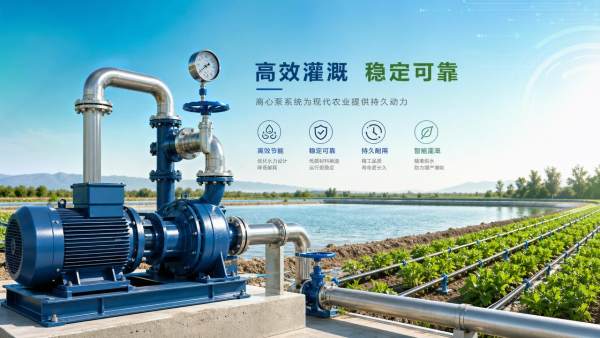
When sourcing wholesale water pumps for farming, the quoted unit price rarely reflects the full procurement reality. For business evaluators, hidden costs often emerge through energy consumption, maintenance cycles, spare parts access, compliance requirements, and supplier reliability. This analysis outlines the cost factors that materially affect long-term operating value, helping procurement teams compare pump offers with greater financial accuracy and lower supply chain risk.
Why the market for wholesale water pumps for farming is being evaluated differently
The evaluation logic behind wholesale water pumps for farming has changed. In earlier buying cycles, many operators compared horsepower, discharge rate, and unit price, then moved quickly to order placement. That approach is becoming less reliable. Agricultural production is under pressure from tighter water-use rules, energy volatility, labor shortages, and seasonal risk. As a result, the real question is no longer which pump is cheapest to buy, but which pump system is cheapest and safest to operate over its service life.
This shift matters especially for business evaluation teams. A low ex-factory quote can hide meaningful downstream exposure: oversized pumps that waste power, poor seal quality that increases downtime, incompatible spare parts that delay repairs, or weak supplier documentation that complicates cross-border procurement. In practical terms, the purchase of wholesale water pumps for farming is moving from a simple equipment decision to a broader operating-cost and resilience decision.
The change is visible across irrigation expansion projects, greenhouse retrofits, livestock water systems, aquaculture support operations, and field drainage applications. Buyers now want clearer lifecycle visibility, stronger technical support, and better proof that a low-price offer will not become a high-cost asset after deployment.
The strongest signals behind hidden cost inflation
Several market signals are making hidden costs more important when reviewing wholesale water pumps for farming. First, electricity prices remain unstable in many regions, which means pump efficiency now has direct financial impact. Second, water sourcing is more regulated, so pumping systems must align with local extraction, discharge, and environmental requirements. Third, procurement teams are facing longer lead times for components, making after-sales support and parts availability more valuable than before.
There is also a technology signal. Buyers increasingly compare variable speed systems, remote monitoring, corrosion-resistant materials, and dry-run protection rather than treating these as optional extras. Features once viewed as premium are now being assessed as risk controls. In parallel, institutional buyers and larger farm operators are under more pressure to justify total cost of ownership, not just purchase savings. This is particularly relevant when wholesale water pumps for farming are deployed across multiple sites, where small performance gaps multiply into large budget differences.
Where hidden costs usually appear after the order is placed
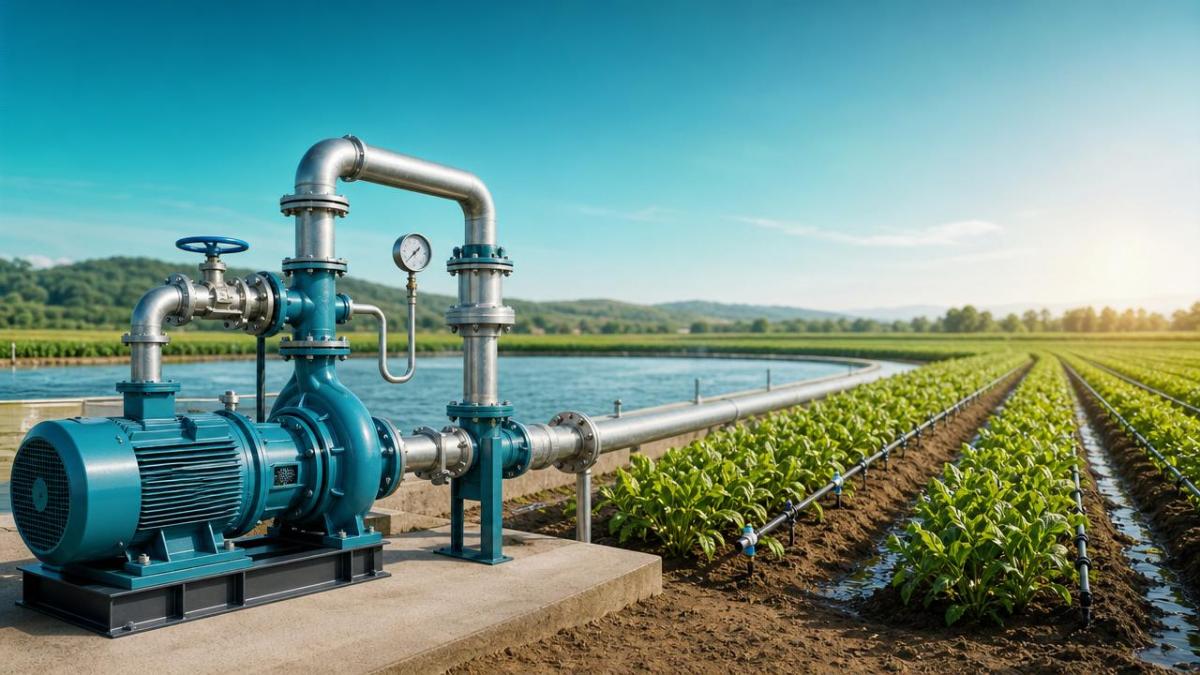
For wholesale water pumps for farming, hidden costs usually do not appear on the quotation sheet. They surface during installation, operation, maintenance, or replacement. Evaluators should therefore separate visible purchase cost from embedded operational cost.
Energy mismatch is often the largest long-term penalty
A pump priced below market may still be the most expensive option if its efficiency curve does not match the duty point. Oversized or poorly matched pumps cycle inefficiently, consume unnecessary power, and shorten component life. In high-usage irrigation environments, energy waste can exceed initial savings within one or two seasons. Business evaluators should ask for pump curves, motor efficiency data, and realistic operating scenarios rather than accepting nominal flow claims.
Maintenance frequency can erase apparent procurement gains
Seal wear, bearing quality, impeller durability, and motor protection all influence maintenance cost. If wholesale water pumps for farming require frequent shutdowns, service labor and production disruption become major hidden expenses. This is especially true in remote farms where technician travel is costly. A cheaper pump that needs more frequent intervention may create a higher annual spend than a better-built alternative.
Spare parts dependency is a supply chain risk, not just a service issue
Many buyers underestimate the cost of non-standard parts. If mechanical seals, control boards, or impellers can only be sourced from one exporter, downtime becomes vulnerable to customs delays, factory scheduling, or distributor inventory gaps. In trend terms, parts access is becoming a strategic evaluation factor because supply chains remain uneven. For wholesale water pumps for farming, the better question is not whether parts exist, but whether they are regionally available within the farm’s acceptable downtime window.
Installation and system integration create hidden budget drift
Pumps that require adapter fabrication, electrical modification, baseplate redesign, or additional filtration rarely look expensive at tender stage. Yet integration costs can materially alter project economics. Evaluators should review inlet and outlet compatibility, voltage standards, automation interfaces, and site conditions before comparing offers. For farming operations expanding across regions, standardization across pump fleets can also reduce future training and maintenance complexity.
Why supplier quality is now part of cost analysis
The supplier behind wholesale water pumps for farming increasingly determines the true cost of ownership. This is because hidden costs are often symptoms of weak supplier systems rather than product defects alone. Inconsistent metallurgy, unclear test records, poor packaging, missing manuals, and slow technical response all contribute to operational loss.
Business evaluators should therefore assess supplier capability on several levels: manufacturing consistency, inspection discipline, export documentation accuracy, warranty handling, and technical communication speed. A vendor with disciplined quality control and transparent support may protect value more effectively than a lower-price seller with limited after-sales accountability. In current market conditions, supplier reliability is a cost variable.
How regulation and environmental expectations are changing the decision
The cost logic for wholesale water pumps for farming is also being shaped by regulation. Farms operating near water-sensitive zones, export-oriented production systems, or controlled agricultural facilities may face stricter standards around water handling, energy use, noise, materials, and site safety. Even where pump-specific regulation is limited, the equipment must often fit into broader compliance frameworks.
This creates a new type of hidden cost: compliance adaptation. A pump may require additional guards, upgraded motors, revised controls, or better sealing to satisfy local requirements or insurer expectations. Procurement teams that ignore this step may secure a lower unit price but inherit retrofit costs later. The more professionalized and audited the farming operation, the more important compliance-fit becomes in early evaluation.
Who feels these hidden costs most strongly
Not every buyer experiences hidden costs in the same way. Their impact depends on operating scale, seasonality, technical staffing, and dependence on uninterrupted water movement. In today’s market, the following groups are most exposed when evaluating wholesale water pumps for farming primarily on unit price.
What procurement teams should check before comparing quotations
In a trend environment where operating risk matters more, business evaluators need a wider comparison method for wholesale water pumps for farming. Instead of asking only for price breaks, they should build a short decision matrix around lifecycle relevance.
- Confirm the actual duty point and compare efficiency at real operating conditions.
- Estimate annual energy cost using local tariffs rather than generic assumptions.
- Request a preventive maintenance schedule and likely wear-part replacement intervals.
- Verify regional availability and lead time for critical spare parts.
- Check documentation quality, certificates, and traceability support.
- Review installation compatibility with existing piping, controls, and power supply.
- Ask how warranty cases are handled in practice, not just in contract language.
This approach does more than reduce risk. It also improves negotiation quality. Once buyers identify the hidden cost drivers behind wholesale water pumps for farming, they can negotiate on operating value, service commitments, and stocking plans instead of focusing only on unit discounts.
The next direction: from low-price procurement to resilient pump strategy
The broader direction is clear. As farming becomes more data-driven, regulated, and cost-sensitive, wholesale water pumps for farming will be judged less as standalone hardware and more as operational infrastructure. Buyers who continue to purchase only on visible price are likely to face larger variance in energy use, service cost, and continuity risk. Buyers who shift toward lifecycle evaluation are better positioned to protect margins and maintain output reliability.
For ACC readers in procurement, technical evaluation, and supplier management, the key signal is not that pumps are becoming more expensive. It is that the definition of “expensive” is changing. The market increasingly rewards pumps that are correctly specified, efficiently operated, easy to service, and backed by accountable suppliers.
Practical questions to guide the next assessment
If your team is currently comparing wholesale water pumps for farming, the most useful next step is to test each offer against a few decision questions. What is the five-year energy cost at the intended duty point? How quickly can critical parts be delivered during peak season? What site modifications are required for installation? Which compliance or documentation gaps could trigger delay? How credible is the supplier’s technical support once the shipment has arrived?
Those questions help translate a low headline price into a realistic business case. In the current market, that is the difference between buying a pump and making a sound operating decision.
Related Intelligence
- Aeration & Water TechGlobal Shipping Alliance Launches Green Corridor Asia-Europe Cold Chain RouteGreen Corridor Asia-Europe cold chain route launched: 22% lower surcharges, –25°C to +15°C control for agri-tech exports. Book now!
- Aeration & Water TechCommercial protein skimmers: what foam quality tells youCommercial protein skimmers reveal more than waste removal—foam quality helps operators spot loading shifts, imbalance, and maintenance needs early for steadier performance.
- Aeration & Water TechDissolved oxygen controller alarms that point to sensor driftDissolved oxygen controller alarms may signal sensor drift, not process upset. Learn key alarm patterns, faster field checks, and service tips to reduce downtime and protect compliance.
The Morning Broadsheet
Daily chemical briefings, market shifts, and peer-reviewed summaries delivered to your terminal.
