

The Authority in Global Agricultural Chemistry & Bio-Resources
Dissolved oxygen controller alarms that point to sensor drift
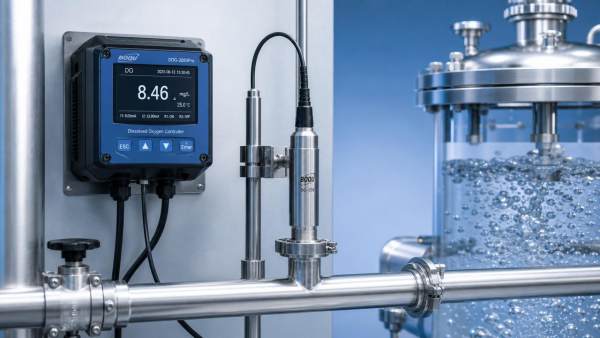
When a dissolved oxygen controller begins triggering repeated alarms, the issue is not always process upset—it may be early sensor drift. For after-sales maintenance teams, recognizing these alarm patterns quickly can prevent calibration errors, downtime, and compliance risks. This article explains which alarm behaviors deserve closer attention and how to distinguish true oxygen changes from sensor-related performance decline.
In aquaculture systems, fermentation skids, wastewater loops, bio-extract processing, and feed-related liquid handling, a dissolved oxygen controller often serves as both a process safeguard and a maintenance indicator. When alarms repeat without a matching operational change, field teams should not assume the blower, agitator, or dosing sequence is at fault. In many cases, the controller is accurately reporting instability created by a sensor that is aging, fouled, polarized incorrectly, or drifting outside its expected response band.
For after-sales maintenance personnel, the practical challenge is speed. A false diagnosis can lead to 2 or 3 unnecessary interventions, repeated calibration attempts, and avoidable process interruption. In regulated or tightly controlled operations, even a 30-minute delay in identifying a drift-related alarm can affect batch consistency, dissolved oxygen records, and equipment confidence at the customer site. Understanding alarm patterns is therefore more valuable than reacting to alarm frequency alone.
How alarm behavior reveals early sensor drift
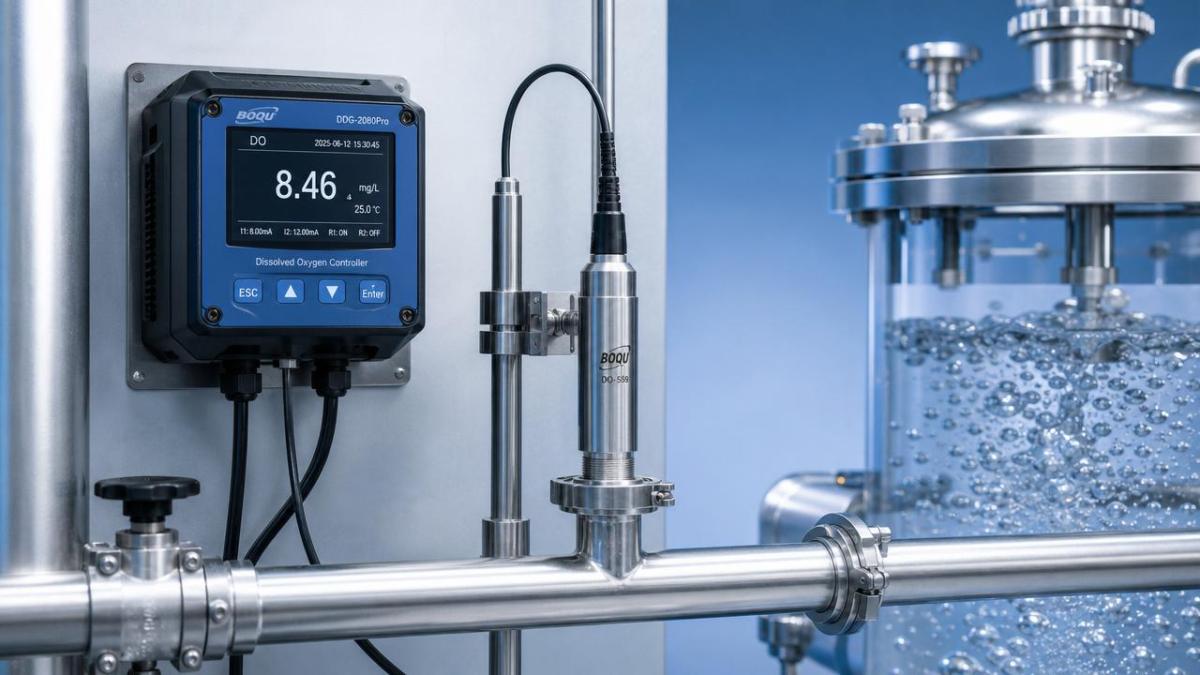
A dissolved oxygen controller does not only display oxygen concentration; it also reflects the health of the measurement chain. That chain includes the sensing element, membrane or optical cap, cable integrity, temperature compensation, transmitter logic, and control configuration. Sensor drift usually develops gradually over days or weeks, but the alarms it triggers often appear as recurring high-low deviations, unstable recovery, or offset values after calibration.
Alarm patterns that deserve immediate review
Certain alarm behaviors should prompt a maintenance inspection within the same shift. One example is repeated low DO alarms during stable aeration demand, especially when airflow, pump loading, and temperature remain within normal range. Another is alternating high and low alarms inside a short window such as 10 to 20 minutes, which often suggests signal instability rather than a real process change. A third warning sign is when the measured value returns to normal only after a manual rinse, tapping, or cable repositioning.
Teams should also pay attention when a dissolved oxygen controller starts requiring calibration more frequently than the site norm. If a sensor previously held calibration for 30 days and now needs adjustment every 5 to 7 days, that change alone is meaningful. Drift is especially likely when slope or offset corrections become progressively larger at each service visit, even though process conditions have not materially changed.
Typical drift-linked symptoms in the field
- Alarm resets occur, but the same threshold is crossed again within 1 to 4 hours.
- Displayed DO values lag behind expected process changes by more than 60 to 120 seconds.
- Calibration passes initially, then the reading shifts by 0.5 to 1.5 mg/L soon after restart.
- Output current or digital reading fluctuates while process equipment remains steady.
- Cleaning temporarily improves the signal, but the improvement lasts less than 24 hours.
The table below helps maintenance teams separate likely drift behavior from true process oxygen changes. This is useful in mixed industrial environments where the same dissolved oxygen controller may be installed on aquaculture tanks, aerobic reactors, extract vessels, or wash-water recovery systems.
The key takeaway is that alarm frequency matters less than alarm context. If the dissolved oxygen controller alarms without corresponding variation in aeration, biomass load, temperature, or chemical demand, the measurement chain should be examined before the process is adjusted. This prevents overcorrection, which can create a second problem after the first one is misread.
Why drift is commonly missed in after-sales service
Drift is often subtle because the controller still appears functional. The screen updates, relays switch, and the sensor may even pass a quick one-point check. In addition, many customer sites operate with seasonal changes in water quality, solids loading, or gas transfer efficiency. These legitimate variables can mask a 5% to 15% measurement shift until alarms become persistent enough to affect operations.
Another issue is fragmented service documentation. If calibration offsets, cleaning intervals, and alarm timestamps are not logged in one place, the trend behind the problem is harder to see. A dissolved oxygen controller that has triggered six nuisance alarms over 21 days is giving a very different message from one that alarms twice after a genuine production surge. Maintenance teams need that historical view to make the right call.
Distinguishing real oxygen changes from measurement decline
The fastest way to avoid misdiagnosis is to test the process and the instrument separately. A real dissolved oxygen shift usually aligns with at least one operational change: increased biological demand, reduced mixing, altered temperature, reduced pressure, aeration equipment wear, or feed loading spikes. Sensor drift, by contrast, tends to appear as inconsistency between expected process behavior and measured output.
A 5-step field check for maintenance teams
- Confirm whether the alarm coincides with a known process event within the last 2 to 6 hours.
- Compare the installed sensor reading with a recently verified portable meter or grab-sample method.
- Inspect sensor surface condition, membrane integrity, optical cap cleanliness, and electrolyte status where applicable.
- Review the last 3 calibration records for slope change, offset shift, and shortened service interval.
- Check transmitter settings, temperature compensation, cable condition, and alarm deadband configuration.
If 3 or more of these checks point toward measurement inconsistency, the dissolved oxygen controller alarm should be treated as a likely drift event until proven otherwise. This structured approach reduces unnecessary process intervention and helps the customer understand why instrument service, not control tuning, is the priority.
Useful comparison points during diagnosis
Maintenance teams should compare reading stability, response speed, and post-cleaning behavior. For example, if the process is known to shift gradually over 15 to 30 minutes but the display jumps in 20-second intervals, the signal may be unstable. If a sensor takes more than 2 minutes to respond to a deliberate change in aeration when it previously responded in less than 45 seconds, aging or coating is likely affecting transfer at the sensing surface.
The following table summarizes practical indicators that help separate process upset from sensor-related decline when working with a dissolved oxygen controller in industrial service conditions.
This comparison matters because many end users initially ask for control tuning, blower adjustment, or alarm threshold changes. Those actions can help only when the process itself has changed. If the root cause is drift, threshold changes simply mask the warning until the next service failure or compliance review.
Common causes of sensor drift in multi-industry installations
A dissolved oxygen controller may be deployed across very different operating environments, from clean biochemical vessels to solids-heavy aquaculture loops. The sensor technology must therefore be evaluated against actual exposure conditions. Drift rarely comes from one factor alone; it more often results from a combination of fouling, aging, installation stress, and maintenance inconsistency.
Frequent technical causes
- Biofilm, scale, oil, or fine solids reducing oxygen transfer at the sensing interface.
- Membrane wear, electrolyte depletion, or cap aging after extended service intervals.
- Temperature compensation errors caused by damaged integrated temperature elements.
- Moisture ingress at connectors or cable strain near wet-area routing points.
- Incorrect storage, dry-out during shutdown, or poor recommissioning after idle periods of 2 weeks or more.
Environmental conditions that accelerate drift
High fouling services are particularly demanding. In fishery systems, organic loading and biofilm growth can shorten stable maintenance intervals. In fermentation and extraction operations, cleaning agents, temperature cycling, and intermittent sterilization can affect sensor life. In water reuse or aerobic treatment, abrasion from suspended solids may change the response profile well before complete failure occurs. These are not rare exceptions; they are common field realities that should shape service planning.
For this reason, after-sales teams should define maintenance intervals by application class rather than by one universal calendar. A lightly loaded clean-water installation may support a 30-day inspection cycle, while a heavy-fouling basin may need review every 7 to 14 days. The dissolved oxygen controller can only be as reliable as the sensor care routine behind it.
Service practices that reduce alarm recurrence and protect customer uptime
The best response to drift-related alarms is not a one-time reset but a repeatable service method. Customers judge equipment support by how quickly recurring faults disappear, how clearly root causes are explained, and how well the next maintenance interval is predicted. For this reason, after-sales maintenance teams should standardize both inspection depth and reporting detail.
Recommended service checklist
Each visit should document at least 6 items: current alarm code, process condition at alarm time, sensor physical condition, calibration result, reference comparison result, and recommended next action. Where possible, log the previous two service dates and whether the dissolved oxygen controller required threshold adjustment. This turns isolated alarms into a measurable trend line rather than a series of disconnected complaints.
A practical rule is to replace consumable sensing elements or service kits when corrective calibration becomes larger at two consecutive visits. Waiting until full failure may save one short-term part cost but usually increases labor time, emergency dispatch risk, and customer frustration. In B2B operations, a planned 20-minute intervention is almost always preferable to an unplanned shutdown response.
What customers should be told during handover
- Which alarm patterns suggest instrument instability instead of process failure.
- How often the sensor should be visually checked under current site conditions.
- What acceptable reading deviation looks like for that application.
- When recalibration is appropriate and when replacement is more cost-effective.
- Why alarm deadband changes should not be used to hide unresolved drift.
This communication step is important because operators often react to a dissolved oxygen controller alarm before the service team arrives. If they understand the difference between a genuine oxygen drop and likely sensor drift, they are less likely to over-adjust aeration, chemical dosing, or circulation settings. That protects process stability and reinforces trust in the maintenance program.
Selection and support considerations for long-term reliability
Alarm management starts before installation. Buyers and service managers should evaluate a dissolved oxygen controller not only by control features but also by maintenance accessibility, calibration workflow, spare part availability, and compatibility with the application’s fouling profile. A lower initial price can become expensive if the sensor requires excessive field adjustment or if replacement components are slow to source.
Procurement and support criteria worth reviewing
- Whether the controller stores alarm history, calibration records, and diagnostic messages.
- Availability of local service parts within a practical lead time such as 3 to 10 working days.
- Suitability of the sensor for immersion depth, fouling intensity, and cleaning method.
- Ease of verifying output through analog signal, digital communication, or handheld comparison.
- Clarity of manufacturer guidance on service interval, response testing, and replacement criteria.
For organizations operating across aquaculture, biochemical processing, and primary industry water systems, consistency matters. Standardizing on a dissolved oxygen controller platform with predictable diagnostics can shorten training time, reduce spare-part complexity, and help maintenance teams compare alarm behavior across multiple sites. Even a reduction of one unnecessary callout per month can materially improve service efficiency over a year.
Repeated alarms are not just a nuisance; they are often the earliest operational clue that sensor performance is drifting away from reliable measurement. By watching for short-cycle alarm repetition, faster-than-normal calibration loss, delayed response, and mismatch with actual process conditions, after-sales maintenance teams can identify drift before it becomes a shutdown issue. A disciplined field check, application-specific service interval, and better alarm history review will keep the dissolved oxygen controller working as a trustworthy control device rather than a source of confusion. If you need help evaluating controller alarm behavior, planning maintenance intervals, or selecting a better-fit monitoring solution for your operation, contact us to get a tailored recommendation and discuss the right support approach for your site.
Related Intelligence
- Aeration & Water TechGlobal Shipping Alliance Launches Green Corridor Asia-Europe Cold Chain RouteGreen Corridor Asia-Europe cold chain route launched: 22% lower surcharges, –25°C to +15°C control for agri-tech exports. Book now!
- Aeration & Water TechCommercial protein skimmers: what foam quality tells youCommercial protein skimmers reveal more than waste removal—foam quality helps operators spot loading shifts, imbalance, and maintenance needs early for steadier performance.
- Aeration & Water TechDissolved oxygen controller alarms that point to sensor driftDissolved oxygen controller alarms may signal sensor drift, not process upset. Learn key alarm patterns, faster field checks, and service tips to reduce downtime and protect compliance.
The Morning Broadsheet
Daily chemical briefings, market shifts, and peer-reviewed summaries delivered to your terminal.
