
UV Sterilizers for Fish Farms: Sizing Errors to Avoid
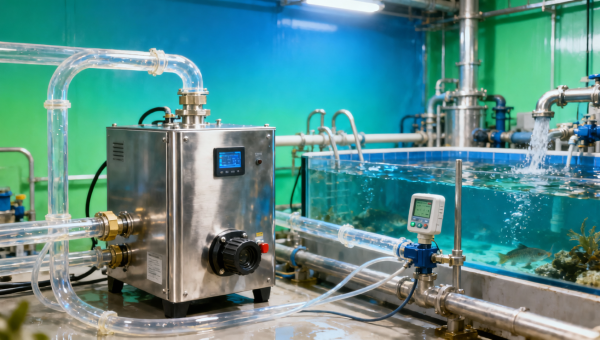
Selecting the right UV sterilizers for fish farms is not just a sizing exercise—it directly affects pathogen control, operating costs, and compliance outcomes. For aquaculture teams comparing smart buoys for aquaculture, water quality online monitor aquaculture systems, ozone generators for aquaculture, and aquatic oxygen generators, understanding common sizing errors is essential before investing in reliable, scalable water treatment infrastructure.
In commercial aquaculture, UV sterilizers sit at the intersection of biosecurity, water reuse, fish welfare, and cost management. A unit that is too small may fail to deliver the required UV dose during peak flow conditions. A unit that is too large can raise capital costs, power demand, and maintenance burden without solving the underlying hydraulic or water quality problem. For operators, technical evaluators, and procurement teams, the real question is not simply “How many cubic meters per hour?” but “What operating conditions must the system survive every day?”
This article examines the most common UV sterilizer sizing errors in fish farms, explains how they affect performance, and outlines practical selection criteria for recirculating aquaculture systems, hatcheries, flow-through farms, and intake treatment lines. It is written for B2B readers who need technical clarity before budgeting, specifying, approving, or distributing aquaculture water treatment equipment.
Why UV Sterilizer Sizing Is a Critical Design Decision in Fish Farms
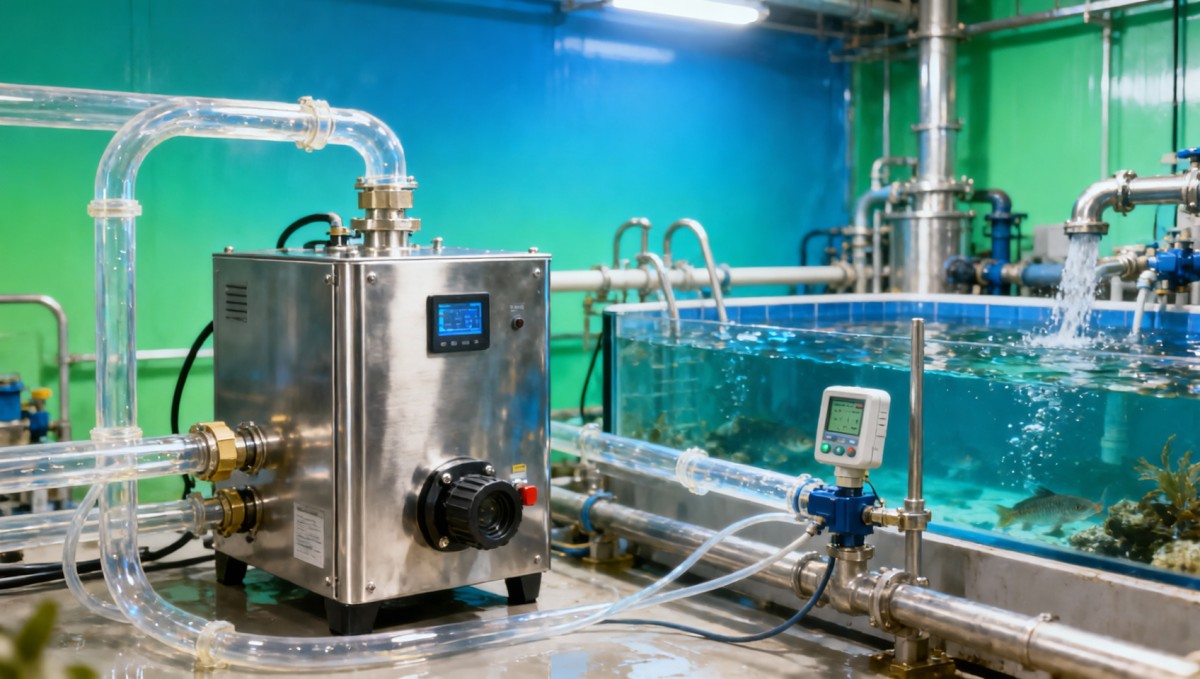
UV sterilizers for fish farms are commonly selected to reduce microbial load, lower pathogen transmission pressure, and support stable production in systems where fish density can range from low stocking ponds to intensive recirculating units exceeding 40–80 kg/m³. Yet many purchase discussions begin with nominal flow rate alone, which is only one part of sizing. Effective UV treatment depends on flow, UV transmittance, target organism, contact chamber design, fouling rate, and lamp output decline over time.
In practical terms, a UV system must deliver a sufficient dose, often expressed in mJ/cm². Typical disinfection targets may start around 20–30 mJ/cm² for general microbial reduction, while more demanding applications can require 45–60 mJ/cm² or higher depending on water clarity and treatment objectives. If the design basis is unclear, farms may purchase a sterilizer that appears adequate on paper but underperforms under real suspended solids and peak recirculation conditions.
Sizing also matters financially. A 10% to 25% mismatch between actual system demand and installed UV capacity can translate into unnecessary energy use, excessive lamp replacement costs, or disease-related losses that far exceed the original equipment savings. For financial approvers and business evaluators, this means UV sizing is not a narrow engineering exercise; it is a risk allocation decision across capex, opex, and production continuity.
Another reason sizing is often mishandled is that UV sterilizers are frequently considered alongside oxygenation, ozone, filtration, and online monitoring. If a water quality online monitor aquaculture package reports turbidity spikes, ORP drift, or changing flow patterns, the UV reactor may no longer be operating within its original design window. This is why integrated specification across the treatment train is more reliable than buying UV as an isolated component.
Key Variables That Influence Correct Sizing
- Design flow rate, including average and peak conditions, such as 100 m³/h normal flow versus 130 m³/h surge flow during cleaning or harvest preparation.
- UV transmittance (UVT), often measured at 254 nm, where a drop from 90% to 75% can significantly reduce effective dose.
- Target treatment goal, from general water polishing to stronger pathogen reduction in hatchery or broodstock applications.
- Water quality loading, including suspended solids, dissolved organics, biofilm fouling, and iron or manganese presence.
- Lamp aging and quartz sleeve scaling, which can reduce actual output before scheduled replacement intervals of 8,000–12,000 hours.
The table below summarizes the main design factors that procurement and technical teams should verify before approving UV sterilizers for fish farms.
The main takeaway is that sizing errors usually start before equipment comparison begins. If the design basis excludes UVT, peak flow, and dose target, the selected system may not match the farm’s biological or compliance needs, regardless of supplier reputation.
The Most Common Sizing Errors and Their Operational Consequences
The first and most common error is sizing UV sterilizers for fish farms only by average flow. Fish farms rarely operate at a perfectly stable hydraulic load. Pump cycling, backwash events, seasonal intake changes, grading, and harvest procedures can create short periods where flow rises by 15% to 35%. If the reactor is sized only for average conditions, the delivered UV dose may fall below the required threshold exactly when water quality is under stress.
A second error is ignoring water clarity. UV systems perform best when filtration is already controlling suspended solids. If upstream mechanical filtration allows fines, organics, or algae to pass, UVT may decline enough to cut disinfection effectiveness. In farms using ozone generators for aquaculture or protein skimming, UV performance can improve when pretreatment is stable, but it will still drop if fouling is not controlled. Installing a larger UV unit does not fully compensate for poor pretreatment.
A third error is confusing sterilization claims with realistic treatment objectives. Some operators expect one UV reactor to eliminate all disease risks. In reality, UV is one barrier in a broader biosecurity strategy that may include intake screening, solids separation, ozone, oxygenation, and sensor-based control. If the pathogen target is not clearly defined, the equipment can be oversized for routine use or undersized for hatchery protection.
The fourth error involves maintenance derating. Lamp output declines gradually, quartz sleeves foul, and sensor calibration drifts. A system that technically meets the required dose on day 1 may fail at month 6 if the design did not include a reserve margin. Many farms benefit from a 10% to 20% practical safety allowance, but that margin should be based on water conditions and service intervals rather than arbitrary oversizing.
Error Patterns Seen in Procurement and Technical Reviews
- Using pump nameplate capacity instead of verified operating flow.
- Accepting supplier capacity figures without matching them to target UV dose.
- Neglecting UVT testing during seasonal water changes.
- Skipping integration checks with drum filters, ozone skids, and oxygen systems.
- Budgeting for initial hardware only and not for lamps, sleeves, sensors, and cleaning labor over 12 months.
How these mistakes show up on the farm floor
Operators often notice the problem indirectly. Biofilm develops faster than expected, hatchery losses become harder to explain, or disease pressure rises after stocking density increases from 25 kg/m³ to 50 kg/m³. Water quality online monitor aquaculture systems may show stable dissolved oxygen from aquatic oxygen generators, but microbial pressure remains elevated because the UV reactor is hydraulically overloaded or operating with low transmittance.
For quality and safety managers, incorrect UV sizing can also complicate compliance documentation. If the treatment line lacks validated design assumptions, it becomes harder to demonstrate that the water treatment barrier is appropriate for the intended biological risk. Distributors and resellers should pay attention here as well, because post-sale support often becomes more difficult when the original sizing basis is incomplete.
How to Size UV Sterilizers for Fish Farms More Accurately
A more accurate sizing process starts with defining the treatment scenario. Is the UV unit protecting incoming source water, recirculating loop water, hatchery water, or a specific bypass stream? Each application has a different hydraulic and microbiological profile. Intake treatment may face seasonal turbidity swings, while RAS loops demand stable, continuous performance at known recirculation rates. Hatchery systems often justify higher design conservatism because fish at early life stages are more vulnerable.
The second step is to identify real operating flow rather than nominal design flow alone. A reliable specification normally includes average flow, peak flow, and the duration of peak events. For example, a system operating at 120 m³/h for 18 hours per day but peaking at 150 m³/h for 4 hours needs a reactor sized around the worst credible treatment condition, not the daily average. This is especially important in farms where smart buoys for aquaculture or automated pumps are changing circulation dynamically.
The third step is measuring water quality inputs that affect UV performance. These commonly include UVT, turbidity, suspended solids, hardness, iron, manganese, and temperature. Even where exact microbial kill data are unavailable, farms can still use practical design bands. For cleaner RAS side streams with strong filtration, a lower dose target may be acceptable; for challenging intake water or hatchery use, a higher target is usually prudent.
The fourth step is applying derating for lamp aging and fouling. A UV sterilizer should be selected based on end-of-life or realistic operating output, not only fresh-lamp performance. That approach reduces unpleasant surprises in months 9 to 12, when actual treatment can drift below expectations if maintenance schedules slip or source water quality changes unexpectedly.
A Practical Sizing Workflow
- Step 1: Map the application point and define whether treatment is for intake, recirculation, hatchery, or discharge polishing.
- Step 2: Record verified flow data over at least 7–14 operating days, including peaks and cleaning cycles.
- Step 3: Test water quality, especially UVT and solids loading, during more than one seasonal condition if source water fluctuates.
- Step 4: Set a realistic dose objective linked to biosecurity goals rather than generic marketing claims.
- Step 5: Include maintenance derating, spare parts availability, and cleaning interval assumptions in total cost review.
The following matrix helps buyers align operating conditions with conservative selection logic.
The table shows that correct sizing is highly application-specific. Two farms with the same nominal flow may still require different UV reactor capacities because their water quality, treatment goals, and maintenance resources differ substantially.
Integrating UV with Monitoring, Ozone, and Oxygen Systems
UV sterilizers for fish farms perform best when they are specified as part of an integrated treatment line rather than as stand-alone hardware. In many modern facilities, smart buoys for aquaculture support pond or cage condition tracking, while water quality online monitor aquaculture systems continuously measure dissolved oxygen, pH, ORP, temperature, turbidity, and sometimes ammonia-related trends. These data streams are valuable because they help verify whether UV operating assumptions remain valid over time.
For example, an ozone generator for aquaculture can improve water clarity and reduce organic load before UV treatment, potentially supporting more stable UVT. However, poor sequencing or inadequate control can create inconsistent operating conditions. Similarly, aquatic oxygen generators may stabilize fish respiration and reduce biological stress, but they do not replace pathogen control. Each technology serves a different function, and sizing one device without considering the others can distort the farm’s overall treatment efficiency.
From an operations perspective, integration also improves alarm management. A UV reactor with intensity sensors, flow interlocks, and maintenance alerts becomes more useful when linked to broader monitoring logic. If flow exceeds a preset threshold by 20%, or turbidity remains elevated for more than 30 minutes, the farm can trigger operational adjustments before treatment efficacy drops too far. This reduces the chance that a hidden sizing issue will remain undetected for weeks.
For procurement teams, the lesson is clear: evaluate the total process architecture. A lower-priced UV unit may appear attractive at tender stage, but if it requires frequent manual cleaning, lacks sensor integration, or cannot respond well to variable flow, the total 2-year ownership cost may exceed that of a better-matched system.
Integration Questions to Ask Before Purchase
- Can the UV system receive or send alarms to the farm’s central monitoring platform?
- What pretreatment level is required upstream for stable UVT and acceptable sleeve cleaning intervals?
- How will the UV unit respond if flow varies by 10%, 20%, or 30% during production shifts?
- Is there redundancy for critical lines where downtime longer than 2–4 hours is unacceptable?
- Are spare lamps, sleeves, and sensors locally available within a practical service window?
Well-integrated design matters to distributors and agents too. Buyers increasingly expect not just equipment delivery, but coherent treatment logic, commissioning guidance, and realistic operating envelopes. In complex aquaculture projects, that consultative layer often determines whether the installed UV capacity performs as intended after the first stocking cycle.
Procurement, Maintenance, and Risk Control for Long-Term Performance
Once the sizing basis is clear, procurement teams should compare UV sterilizers for fish farms using total lifecycle criteria rather than equipment price alone. Initial capex is important, but lamps, sleeves, seals, sensors, power draw, cleaning frequency, and downtime exposure can materially change the investment case. A system with lower purchase price but 2 times the manual cleaning demand may become more expensive within the first 12 to 18 months.
Maintenance planning should be tied directly to the selected sizing philosophy. If the system has limited reserve capacity, lamp replacement intervals and sleeve cleaning frequency become critical. In harsher water, cleaning may be needed every 2–6 weeks; in cleaner loops, intervals can be longer. Technical evaluators should therefore request service assumptions in writing, including expected operating hour limits, spare part lead times, and recommended inspection checkpoints.
Risk control also includes installation and commissioning discipline. A correctly sized reactor can still underperform if bypass lines are not sealed, sensors are not calibrated, or actual flow differs from the approved design file. Farms should verify hydraulic conditions during startup and recheck them after process changes such as pump upgrades, filter modifications, or stocking density increases. What was correctly sized at 90 m³/h may not remain correctly sized after expansion to 125 m³/h.
For enterprise decision-makers and finance approvers, the most useful approach is to treat UV equipment as part of production risk mitigation. Better sizing reduces the probability of hidden treatment gaps, emergency retrofits, and disease-related disruptions. That does not mean buying the largest available reactor. It means selecting a defensible design envelope, supported by realistic water data, integration logic, and service capability.
Procurement Checklist for Commercial Buyers
A disciplined checklist makes UV procurement more transparent across technical, operational, and financial stakeholders. It also helps distributors and project integrators position solutions based on measurable fit rather than generic performance language.
FAQ for Buyers and Operators
How much safety margin should be included when sizing a UV sterilizer?
There is no single universal margin, but many commercial systems benefit from a practical reserve of around 10% to 20% after accounting for lamp aging, fouling, and operating variability. The right margin depends on water quality stability, criticality of the application, and how disciplined maintenance will be.
Can a larger UV unit compensate for poor filtration?
Only partly, and often inefficiently. Poor filtration reduces UVT and increases fouling, which lowers actual dose and raises maintenance frequency. In most fish farms, pretreatment improvements deliver better long-term performance than simply oversizing the UV reactor.
When should a farm re-evaluate its UV sizing?
Re-evaluation is advisable after major process changes such as a 15% or greater flow increase, a significant stocking density rise, source water shifts, filter upgrades, or recurring disease pressure that suggests the treatment barrier is no longer performing as assumed.
Avoiding sizing errors in UV sterilizers for fish farms requires a broader view than nameplate flow and lamp count. The most reliable decisions come from matching UV dose, peak hydraulic load, water quality conditions, integration requirements, and maintenance realities to the farm’s actual production model. For hatcheries, RAS operators, engineering reviewers, distributors, and investment approvers, that approach lowers technical risk and strengthens long-term operating efficiency.
If you are evaluating UV sterilizers, ozone generators for aquaculture, aquatic oxygen generators, or water quality online monitor aquaculture systems, a coordinated specification process will produce better results than isolated equipment comparisons. To discuss a suitable treatment architecture, request a tailored solution, or review your current sizing assumptions, contact us today and get a more practical path to scalable aquaculture water treatment.
Related Intelligence
- Aeration & Water TechAsia–Middle East Aeration & Water Tech Container Freight Up 18%Aeration & Water Tech container freight surges 18% on Asia–Middle East route—urgent implications for exporters, OEMs & forwarders. Act now.
- Aeration & Water TechFDA Updates Cybersecurity Guidance for Aeration & Water Tech DevicesFDA's new cybersecurity guidance for aeration & water tech devices mandates UL 2900-2-1 and SBOM compliance by Q1 2027 — act now to secure U.S. market access.
- Aeration & Water TechFDA Updates Cybersecurity Guidance for Aeration & Water Tech DevicesFDA’s new cybersecurity guidance for aeration & water tech devices mandates immediate compliance—secure firmware, audit logs & password controls required for U.S. market access.
The Morning Broadsheet
Daily chemical briefings, market shifts, and peer-reviewed summaries delivered to your terminal.
