

The Authority in Global Agricultural Chemistry & Bio-Resources
Submersible deep well pumps: common causes of low field pressure
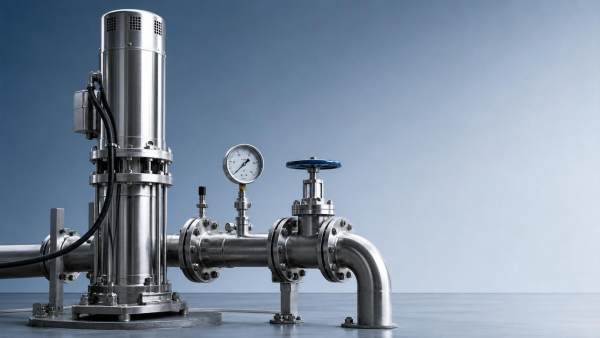
When submersible deep well pumps deliver low field pressure, aftersales maintenance teams need fast, accurate diagnostics to prevent downtime and recurring failures. From worn impellers and voltage instability to clogged screens and pipe leakage, pressure loss often signals deeper system issues. This guide outlines the most common causes and practical inspection points to help technicians restore stable performance efficiently.
Why a checklist-first approach works better in low-pressure troubleshooting
For aftersales personnel, low pressure in submersible deep well pumps is rarely a single-component problem. The symptom may come from the pump itself, the motor, the power supply, the drop pipe, the well condition, or downstream distribution equipment. A checklist-based method reduces guesswork, shortens service time, and helps distinguish between actual pump wear and external restrictions that only look like pump failure.
This is especially important in agricultural, processing, and remote field installations where every unnecessary pull-out adds labor cost, equipment risk, and water supply interruption. Instead of starting with disassembly, maintenance teams should first confirm measurable indicators: pressure at different points, flow consistency, voltage stability, current draw, water level behavior, and pipe integrity. These checks often reveal whether the issue is hydraulic, electrical, mechanical, or environmental.
First checks: what to confirm before pulling the pump
Before removing submersible deep well pumps from service, verify the following points in order. This sequence prevents unnecessary teardown and helps identify system-side causes that are commonly missed during urgent field calls.
- Confirm the pressure reading is accurate. Check whether the pressure gauge is damaged, blocked, vibrating excessively, or installed at a misleading location. A faulty gauge can imitate low pressure even when pump output is normal.
- Compare pressure and flow together. Low pressure with normal flow suggests downstream restrictions or gauge issues, while low pressure with low flow often points to pump wear, low water level, or leakage.
- Review recent operating changes. New irrigation zones, additional outlets, changed pipe runs, clogged filters, or valve adjustments may have altered system head and reduced field pressure.
- Measure voltage under load. Voltage drop during operation is one of the most common reasons submersible deep well pumps lose performance in the field.
- Check static and pumping water levels. If drawdown is too high, the pump may be operating outside its intended range or ingesting entrained air.
- Inspect visible piping and fittings. Even a small discharge leak, split line, or partly closed valve can significantly reduce delivered pressure at the field end.
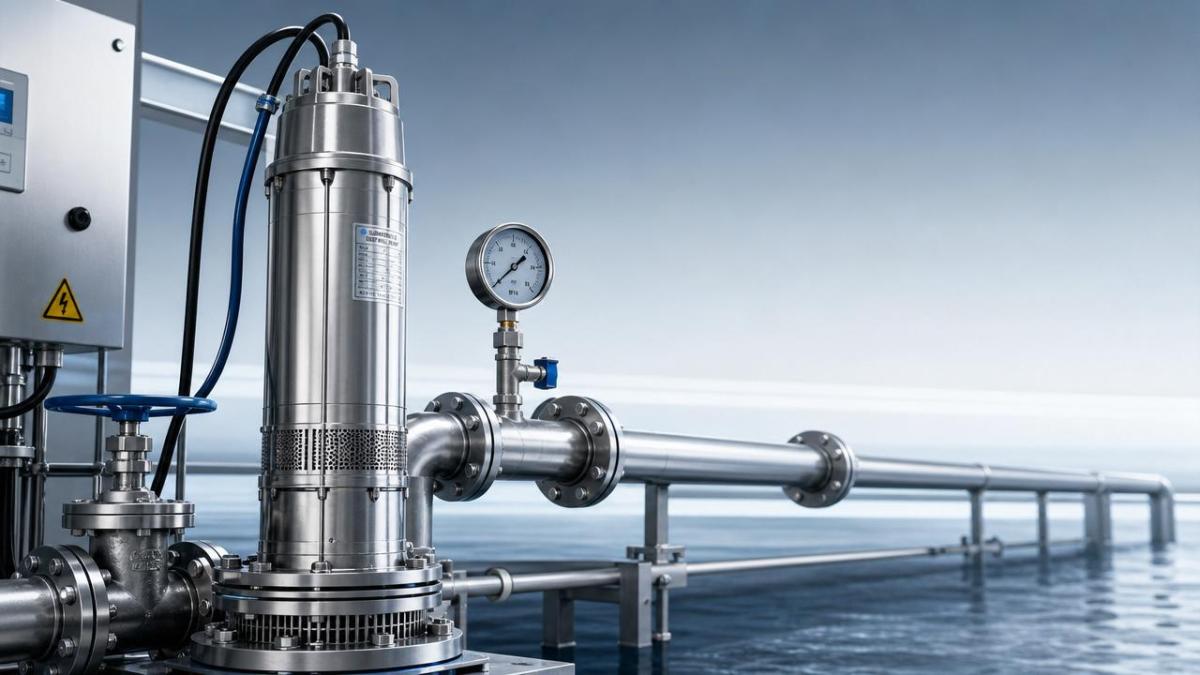
Core fault checklist for submersible deep well pumps with low field pressure
1. Hydraulic wear inside the pump stages
Worn impellers, diffusers, or stage components are among the leading causes of declining pressure in submersible deep well pumps. Abrasive particles such as sand and silt gradually enlarge internal clearances, reducing the pump’s ability to generate head. The usual signs include lower-than-expected discharge pressure, longer tank fill time, and current draw that may not match normal performance curves.
Key inspection points include service age, water quality history, sand presence in discharge, and comparison of actual operating data against the pump’s original curve. If pressure loss developed gradually rather than suddenly, internal hydraulic wear is a strong suspect.
2. Clogged inlet screen or partial blockage
A blocked intake screen, mineral buildup, biological fouling, or debris around the pump intake can starve the unit and reduce both pressure and flow. This is common in wells with poor maintenance history or changing water chemistry. Technicians should review whether the pump is set in a sediment-prone zone, whether recent well disturbance occurred, and whether the decline in pressure happened after seasonal inactivity.
A suction-side restriction in a submersible setup does not behave exactly like surface pump cavitation, but it still disrupts stable hydraulic performance. If the pump sounds strained, current fluctuates, or discharge becomes inconsistent, intake restriction should be prioritized.
3. Voltage instability or motor underperformance
Electrical supply issues frequently cause low field pressure, particularly in long rural feeder runs, overloaded circuits, undersized cables, or poorly matched generators. If the motor is not receiving proper voltage, pump speed and torque can drop, leading to weak pressure output. In three-phase systems, phase imbalance also reduces motor efficiency and raises heating risk.
Aftersales teams should record voltage at startup and during steady operation, compare amperage across phases, and inspect control boxes, splices, and protection devices for heat damage or corrosion. For submersible deep well pumps, electrical faults are often overlooked because they leave no obvious external leak or mechanical noise.
4. Pipe leakage, split drop pipe, or bad check valve
Pressure loss can result from water escaping before it reaches the field network. A cracked drop pipe, loose threaded connection, damaged gasket, or leaking check valve allows recirculation or loss of head. This can mimic pump wear, especially when the motor still runs normally.
Typical clues include pressure that falls quickly after shutdown, visible air discharge at outlets, irregular system cycling, and unexplained wet spots or muddy areas near buried lines. If a system previously met pressure targets and now does not, a hidden leak should be considered early in the diagnostic path.
5. Falling water table or excessive drawdown
When groundwater level drops seasonally or extraction demand rises, submersible deep well pumps may no longer operate within their designed head and submergence conditions. Reduced available water can lower output pressure, increase temperature stress, and introduce intermittent surging if the intake approaches the pumping water level.
Check historical well performance, nearby pumping activity, and the relationship between pump setting depth and dynamic water level. If pressure issues worsen during peak irrigation hours or dry seasons, the root cause may be aquifer-related rather than mechanical.
6. Downstream restrictions and system-side losses
Not every low-pressure complaint means the pump is weak. Closed or partly closed valves, clogged filters, blocked nozzles, scaling in pipes, or a malfunctioning pressure regulator can all reduce field pressure where the end user measures it. In large installations, additional bends, branch lines, and elevation changes also increase total dynamic head.
A practical test is to compare pressure close to the wellhead versus pressure at the field endpoint. If pressure is acceptable near the source but poor at delivery points, the issue is likely in the distribution network rather than the submersible deep well pumps themselves.
Quick judgment table for field technicians
Use the table below to connect common symptoms with likely causes and next actions. This saves time during service visits and creates a repeatable inspection standard for aftersales teams.
Scenario-specific checks that are often missed
Agricultural irrigation systems
In irrigation use, pressure complaints often emerge after emitters, sprinklers, or line layouts are modified without recalculating demand. Maintenance teams should verify whether the field network now requires more head than the installed submersible deep well pumps can provide. Filter banks, fertigation injectors, and pressure-regulating valves also add hidden losses when dirty or incorrectly sized.
Processing and utility water supply
In industrial or facility water systems, low pressure may be tied to scaling, chemical deposits, or control logic rather than pump damage. Review pressure switch calibration, VFD settings if present, tank pre-charge condition, and any recent process changes that increased demand. For facilities with compliance-sensitive operations, documenting these checks supports traceable maintenance decisions.
Remote wells and intermittent-use installations
Remote sites frequently suffer from long cable runs, inconsistent generator supply, and delayed service intervals. In these cases, low pressure in submersible deep well pumps may come from multiple moderate faults rather than one major failure. Corroded terminals, aged insulation, sediment buildup after idle periods, and inaccurate local gauges should all be checked before making replacement recommendations.
Risk reminders: common mistakes that lead to repeat failures
- Replacing the pump before verifying the well and piping. This is one of the costliest mistakes in aftersales maintenance.
- Ignoring voltage drop under actual load. A no-load reading does not confirm healthy operating conditions.
- Using only pressure data without flow data. Pressure alone can mislead diagnosis.
- Skipping water quality history. Sand, iron, scale, and biological fouling directly affect pump life.
- Failing to compare current performance with original specifications. A pump that is operating away from its design point will show chronic pressure issues even if no single part is broken.
Practical execution plan for restoring stable pressure
A structured service response should move from low-cost verification to deeper intervention. Start by confirming instruments, valves, filters, and visible leaks. Then log voltage, amperage, pressure, and flow during operation. Next, review well drawdown and seasonal water level behavior. Only after these steps should the team decide whether to pull and inspect the pump assembly.
If internal wear is confirmed, replacement parts should be selected based on actual duty conditions, not only nameplate data. If the root cause is external, corrective action may involve cable resizing, valve replacement, line repair, well rehabilitation, or system rebalancing. For long-term reliability, aftersales teams should also recommend a preventive schedule covering pressure verification, electrical checks, flow benchmarking, and water-quality-related maintenance.
FAQ for aftersales teams handling submersible deep well pumps
How do I tell whether low pressure is a pump problem or a pipeline problem?
Measure pressure as close as possible to the well discharge and compare it with pressure at the far end of the field system. If the source pressure is acceptable but delivery pressure is poor, the restriction or loss is likely downstream.
Can low voltage really reduce pressure significantly?
Yes. Low or unstable voltage can reduce motor performance and lower the effective output of submersible deep well pumps. It can also create heat stress that shortens motor life.
When should the pump be pulled for inspection?
Pull the pump when external checks do not explain the pressure loss, when wear is strongly indicated by performance decline, or when leakage within the drop assembly is suspected but cannot be confirmed from surface testing.
What information to prepare before requesting deeper technical support
If the issue cannot be resolved in the first service cycle, prepare a concise technical record. Include pump model, motor rating, installation depth, pipe size, measured voltage and amperage, pressure readings at multiple points, estimated flow, static and pumping water levels, water quality observations, and recent system modifications. This information allows suppliers, OEM support teams, or engineering partners to judge whether the problem involves pump selection, wear, electrical conditions, well behavior, or distribution losses.
For organizations managing multiple sites, standardizing this data collection process improves warranty evaluation, speeds root-cause analysis, and helps prevent repeated low-pressure events across similar installations. When discussing repairs, retrofits, compatibility, lead time, budget, or replacement strategy, these details should be the first items communicated.
Related Intelligence
- Aeration & Water TechGlobal Shipping Alliance Launches Green Corridor Asia-Europe Cold Chain RouteGreen Corridor Asia-Europe cold chain route launched: 22% lower surcharges, –25°C to +15°C control for agri-tech exports. Book now!
- Aeration & Water TechCommercial protein skimmers: what foam quality tells youCommercial protein skimmers reveal more than waste removal—foam quality helps operators spot loading shifts, imbalance, and maintenance needs early for steadier performance.
- Aeration & Water TechDissolved oxygen controller alarms that point to sensor driftDissolved oxygen controller alarms may signal sensor drift, not process upset. Learn key alarm patterns, faster field checks, and service tips to reduce downtime and protect compliance.
The Morning Broadsheet
Daily chemical briefings, market shifts, and peer-reviewed summaries delivered to your terminal.
