
The Authority in Global Agricultural Chemistry & Bio-Resources
Disc blades for harrow: when thickness matters more than price
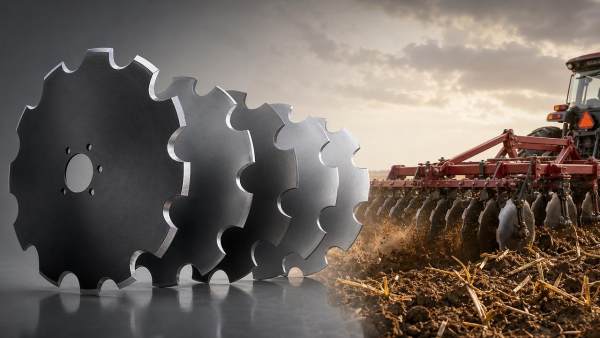
When choosing disc blades for harrow, many operators focus on upfront cost, but thickness often has a greater impact on field performance, wear life, and downtime. A thicker blade can improve durability in abrasive soils, maintain cutting efficiency longer, and reduce replacement frequency. Understanding where thickness matters more than price helps users make smarter equipment decisions that support productivity and long-term operating value.
Why do disc blades for harrow fail early in real field conditions?
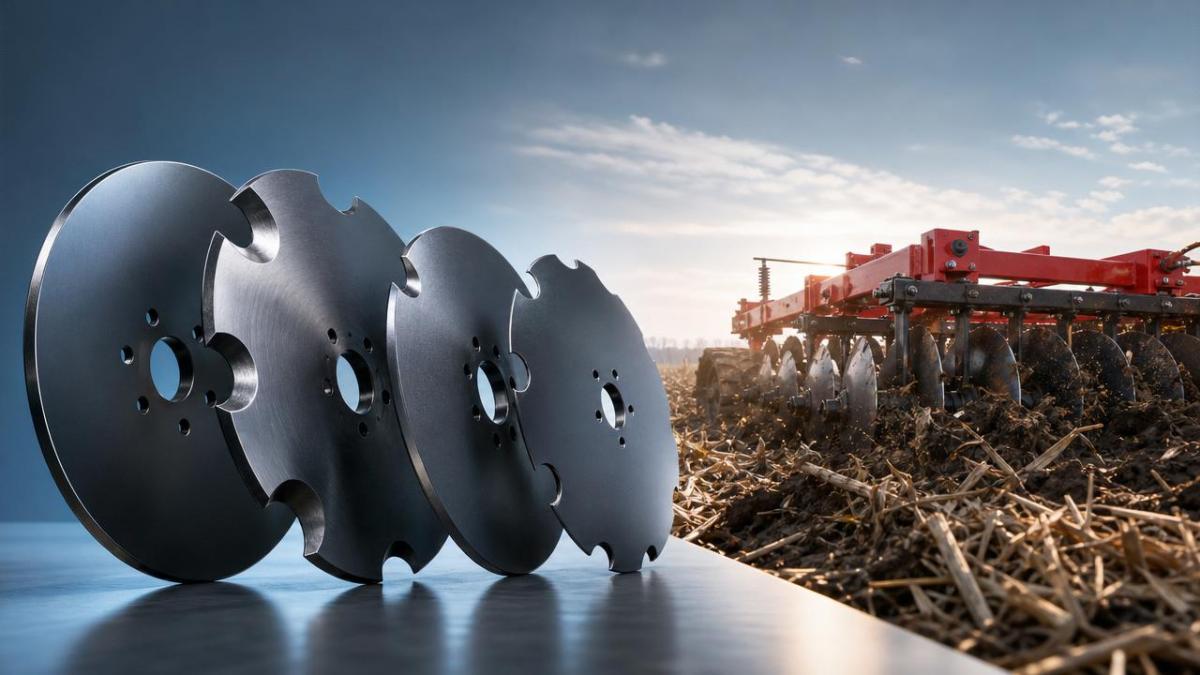
For operators, the biggest frustration is rarely the purchase invoice alone. The real cost appears in uneven penetration, poor residue cutting, vibration, extra fuel burn, and repeated blade replacement during the season. In many mixed farming environments, disc blades for harrow work across variable soils, moisture conditions, and residue loads, so a blade that looks cheaper on paper may become more expensive in practice.
Thickness matters because it directly affects structural rigidity, wear reserve, and the blade’s ability to maintain its working edge over time. Thin blades can perform well in light soils and lower-acreage operations, but they tend to lose diameter faster in abrasive ground, deform sooner under impact, and require more frequent changeouts when operators push speed or depth.
In the broader primary industries supply chain covered by AgriChem Chronicle, purchasing decisions are increasingly evaluated through total operating value rather than headline unit price. That same approach applies to agricultural wear parts. Operators need practical guidance that connects blade thickness with uptime, seasonal workload, soil aggressiveness, and replacement planning.
- A blade that wears too quickly changes working depth and residue mixing before the operator notices the full performance loss.
- A blade that flexes under impact can reduce cut consistency and increase stress on gangs, bearings, and hubs.
- Frequent replacement interrupts field windows, which is often more damaging than paying more for a heavier blade at the start.
How thickness changes field performance, wear life, and operator workload
Not every operator needs the thickest disc blades for harrow, but every operator should understand what thickness is doing in the field. Thickness affects more than durability. It influences penetration behavior, weight distribution, edge retention, crack resistance, and the interval between adjustments or replacement.
Key performance effects of thicker blades
- Longer wear reserve: more material means the blade can tolerate abrasive loss for a longer period before the diameter becomes operationally ineffective.
- Better resistance to impact deformation: in stony fields or uneven terrain, thicker blades usually hold shape better than light-gauge alternatives.
- More stable cutting profile: operators often get more consistent residue sizing and soil mixing across the service life.
- Lower maintenance frequency: fewer blade changes reduce labor hours and help preserve narrow tillage windows.
There are trade-offs. A thicker blade may require more draft, especially if combined with aggressive concavity, larger diameter, or deep working depth. In light soils, the heaviest option may not deliver proportional value. The right decision is not “thicker is always better,” but “thicker is often more economical when wear, impact, and downtime are serious risks.”
Which disc blades for harrow thickness suits each operating scenario?
Operators often ask for a simple answer, but thickness selection depends on acres covered, soil abrasiveness, residue level, speed, and machine setup. The table below gives a practical selection framework for disc blades for harrow in common field conditions.
This table should not replace machine manual limits or OEM compatibility checks, but it helps operators avoid the common mistake of buying solely by price. The right thickness should support the actual workload, not just the opening budget line.
Field signs that your current blade is too thin for the job
- Blade diameter drops quickly during one season, changing cut depth and residue incorporation quality.
- Operators notice more frequent blade changes than expected compared with acreage covered.
- Blades show edge rounding or profile loss early in abrasive or dry conditions.
- The machine begins to work unevenly across gangs because worn blades no longer match effective diameter.
Price versus total cost: what should operators actually compare?
The most useful procurement question is not “Which disc blades for harrow are cheapest?” but “Which option gives the lowest cost per productive hour or acre?” In agricultural machinery purchasing, especially across professional operations, a narrow price comparison can hide labor cost, downtime exposure, transport delays, and performance losses tied to wear.
The table below compares evaluation dimensions that matter more than invoice price alone when selecting disc blades for harrow.
For many operators, the thicker blade becomes the more rational choice once field interruption costs are included. This is especially true when labor is limited, seasonal timing is tight, or spare part lead times are uncertain. In such cases, the wrong low-price purchase is not merely inefficient; it can delay the entire cultivation schedule.
A practical cost checklist before ordering
- Estimate how many acres or hectares the blade must cover before planned replacement.
- Review soil composition, especially sand content and stone impact risk.
- Calculate labor hours needed for a full blade change across the machine.
- Check whether delayed part delivery could leave the implement idle during peak season.
- Confirm whether tractor power and implement setup can support a heavier blade specification.
What technical parameters should be checked besides thickness?
Thickness is critical, but it should never be evaluated alone. Operators who buy disc blades for harrow based only on one specification often miss fit, performance, and durability factors that determine whether the blade will perform well in the real machine.
Core specifications to confirm
- Blade diameter: Affects working depth, rolling behavior, and residue handling. As blades wear, effective performance changes.
- Center hole and mounting pattern: Must match hub and gang configuration to avoid fitment issues and unsafe installation.
- Concavity: Influences penetration and soil throw. Higher concavity may suit more aggressive tillage needs.
- Edge type: Smooth or notched edges change residue cutting behavior and soil bite.
- Heat treatment and material quality: These affect hardness, toughness, and the balance between wear resistance and crack risk.
This is where an intelligence-led sourcing approach becomes useful. AgriChem Chronicle serves professional buyers and operators by translating technical language into procurement logic. Instead of reviewing specifications in isolation, ACC’s editorial perspective helps readers connect design choices to field outcomes, supply reliability, and long-term operating economics.
Common mistakes operators make when buying disc blades for harrow
Many blade problems begin before the machine enters the field. The most common errors are specification mismatch, overemphasis on unit cost, and underestimation of field conditions. Operators can reduce rework and disappointment by avoiding a few recurring mistakes.
Frequent procurement and use mistakes
- Buying the same thickness every year without reviewing whether acreage, soil profile, or crop residue levels have changed.
- Assuming all blades with the same diameter are equivalent, even when material treatment and mounting details differ.
- Ignoring transport and replenishment lead times, which can turn a minor wear issue into a major seasonal delay.
- Replacing only the most visibly worn blades in a set, leading to uneven machine behavior and inconsistent tillage.
- Using low-cost thin blades in highly abrasive conditions, then attributing early failure solely to operator technique.
A disciplined selection process is especially important as agricultural supply chains become less predictable and more documentation-driven. Professional operators increasingly benefit from supplier transparency, material traceability, and clearly documented product parameters rather than informal, price-only buying habits.
How to build a better selection process for disc blades for harrow
A strong selection process does not need to be complex. It needs to be repeatable, evidence-based, and aligned with actual operating conditions. The following workflow helps operators and farm managers compare options more effectively.
Recommended decision steps
- Record the current blade specification, average replacement interval, and the main reason for replacement: wear, cracking, bending, or inconsistent performance.
- Map the harshest operating conditions, including abrasive soils, rocky sections, high-speed passes, or heavy residue fields.
- Compare at least two thickness options with the same fitment and similar design features, not just random low-price alternatives.
- Estimate total seasonal cost by including replacement labor, downtime exposure, and delivery risk for additional parts.
- Discuss with a technically informed source that can explain material, heat treatment, and use-case suitability in plain terms.
This is also where ACC’s role becomes relevant for industrial farming operators and procurement teams. By integrating technical whitepapers, validated manufacturing capability information, and cross-sector market intelligence, ACC helps decision-makers move from reactive purchasing to informed specification planning.
FAQ: what operators ask most about disc blades for harrow
Is a thicker blade always the better choice?
No. Thicker disc blades for harrow are often better in abrasive, high-impact, or high-acreage use, but they are not automatically ideal for every machine or field. Operators should match thickness to tractor power, implement design, soil conditions, and desired working depth. In lighter duty situations, an overly heavy blade may add cost without delivering a meaningful return.
How can I tell if my replacement frequency is too high?
Look at effective diameter loss, residue cutting quality, and how often the machine requires blade-related service during peak use. If performance drops well before the planned maintenance window, or if your team is changing blades more often than your seasonal plan allows, the current thickness may be underspecified for the workload.
Should price ever be the main buying factor?
Only in limited, low-intensity situations where wear exposure is modest and replacement is easy to manage. For commercial operators, the better metric is operating cost over time. A lower entry price can still be the more expensive option if the blade wears quickly or causes avoidable downtime.
What information should I prepare before asking for a quotation?
Prepare blade diameter, thickness, center hole or mounting specification, edge type, concavity if known, machine brand or model, and a short description of soil conditions and seasonal workload. This makes it easier to compare like-for-like options and avoid ordering blades that fit physically but underperform operationally.
Why choose us for practical guidance and sourcing intelligence?
AgriChem Chronicle is built for professional readers who need more than generic product summaries. Our editorial focus across agricultural machinery, primary processing, and regulated industrial supply chains helps operators and procurement teams evaluate disc blades for harrow with a wider decision lens: field performance, replacement planning, specification clarity, and sourcing transparency.
If you are reviewing blade thickness options, planning a seasonal replacement strategy, or comparing suppliers, you can contact us for support on the points that matter in practice:
- Parameter confirmation for diameter, thickness, mounting details, and compatibility questions.
- Selection guidance based on abrasive soil exposure, residue load, acreage, and replacement frequency.
- Discussion of delivery timelines, replenishment risk, and seasonal stocking considerations.
- Evaluation of alternative specifications when budget limits require trade-offs between cost and service life.
- Support for quotation comparison, sample review, and documentation questions relevant to professional procurement.
For operators, thickness is not just a number on a spec sheet. It is a decision about uptime, maintenance rhythm, and field consistency. When price and performance appear to compete, the better choice is usually the one that keeps the machine productive for longer. Contact AgriChem Chronicle to assess your disc blades for harrow requirements with clearer technical judgment and stronger procurement confidence.
Related Intelligence
- Heavy Agri MachineryHow to shortlist Agri & Forestry machinery manufacturersAgri & Forestry machinery manufacturers: learn how to shortlist reliable suppliers by comparing capability, compliance, service, and delivery strength for smarter, lower-risk sourcing.
- Heavy Agri MachineryWhy onion grading machine accuracy changes during peak seasonOnion grading machine accuracy can shift during peak season due to higher throughput, dust, crop variability, and sensor drift. Learn the causes and smart fixes to protect quality.
- Heavy Agri MachineryHow to read Agri & Forestry machinery specifications betterAgri & Forestry machinery specifications explained clearly: learn how to compare power, hydraulics, weight, safety, and compliance to choose equipment smarter and avoid costly mistakes.
The Morning Broadsheet
Daily chemical briefings, market shifts, and peer-reviewed summaries delivered to your terminal.
