
Smart Buoys for Aquaculture and the Data That Matters
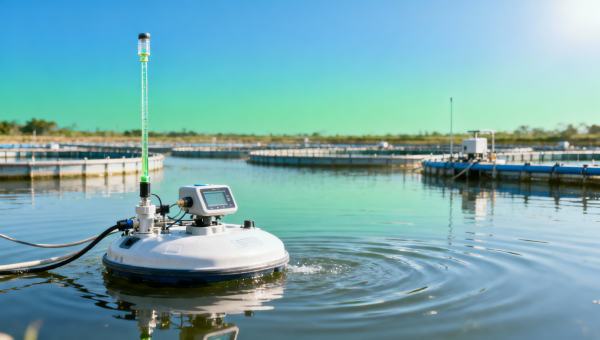
As smart buoys for aquaculture reshape farm management, the data that matters now extends far beyond basic alerts. From a water quality online monitor aquaculture system to aquatic oxygen generators, uv sterilizers for fish farms, and ozone generators for aquaculture, every signal influences yield, biosecurity, and operating cost. This article examines how operators and decision-makers can turn real-time monitoring into practical action across modern fish farming systems.
Why smart buoy data has become a management tool, not just a monitoring feature
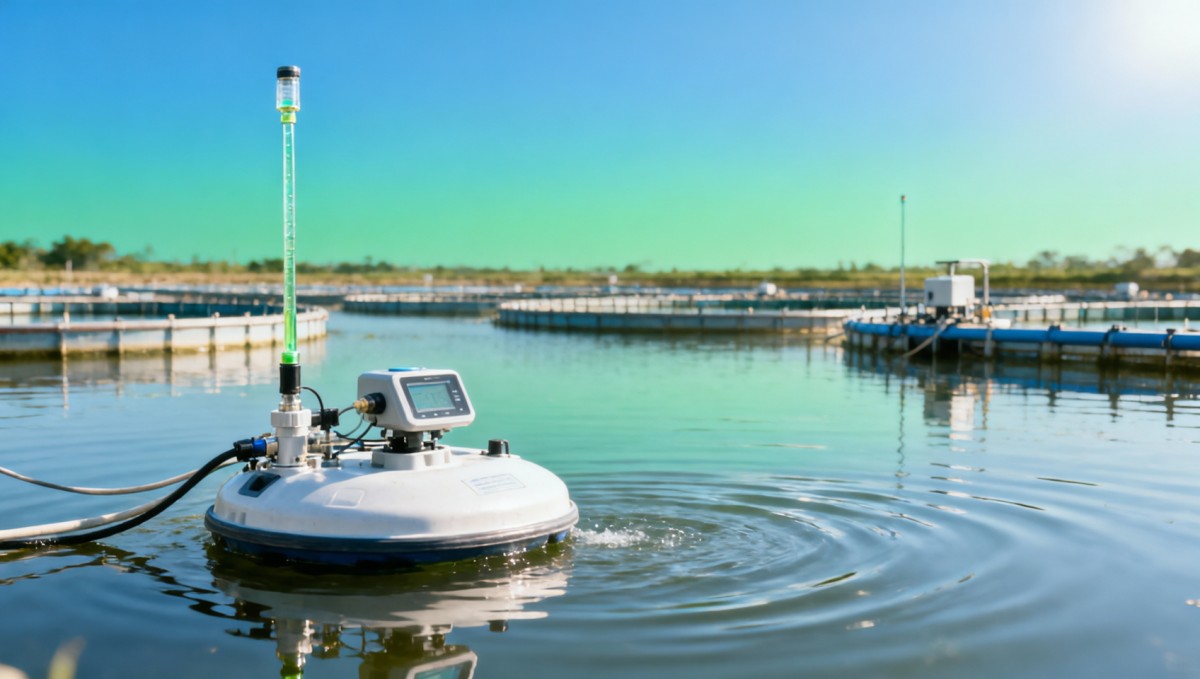
For many farms, a smart buoy for aquaculture is first purchased to solve a narrow problem: remote visibility of dissolved oxygen, temperature, pH, or salinity. In practice, its value becomes much broader within 2–4 weeks of use. Once operators connect buoy data to aeration schedules, feeding windows, sterilization timing, and disease prevention routines, the buoy stops being a passive sensor platform and becomes a daily management system.
This matters across intensive ponds, coastal cages, RAS support zones, hatcheries, and nursery units. A water quality online monitor aquaculture setup can reduce blind spots between manual checks, especially at night, during rainfall, or through seasonal turnover. For technical evaluators, the key question is no longer whether the farm can collect data. The real question is which data points actually improve biomass survival, feed conversion, labor efficiency, and compliance confidence.
AgriChem Chronicle tracks this shift because aquaculture procurement now resembles procurement in other regulated primary industries: buyers must evaluate hardware reliability, sensor stability, calibration routines, service response, and supply chain transparency at the same time. That is especially relevant when farms are comparing sensor buoys, oxygen supply equipment, uv sterilizers for fish farms, and ozone generators for aquaculture as one integrated operating stack rather than separate purchases.
For commercial buyers, there are usually 4 layers of value in smart buoy deployment. The first is early warning. The second is operating optimization. The third is biosecurity support. The fourth is decision documentation for managers, investors, and quality teams. A buoy that only sends alarms but cannot support trend analysis over 7–30 days often underperforms in real purchasing reviews.
What data streams matter most in routine fish farm operations?
The most useful smart buoy data is usually the data that changes actions within the same shift. Dissolved oxygen remains critical because low oxygen can escalate stress quickly, particularly in warm water, high stocking density, or strong feeding periods. Temperature is not just a comfort metric; it directly changes oxygen demand, fish appetite, and treatment planning. pH, salinity, ORP, turbidity, and ammonia-related trends become more important as the farm intensity increases.
- Real-time oxygen trend: useful for linking a smart buoy to aquatic oxygen generators and deciding whether intermittent or continuous aeration is economically justified.
- Temperature profile by hour: helps adjust morning and evening feed plans, especially when swings of 2°C–4°C occur in a 24-hour period.
- pH and ORP variation: supports decisions on ozone generators for aquaculture and disinfection timing without overcorrecting water chemistry.
- Turbidity and event logging: useful after storm inflow, sludge disturbance, or maintenance activity that may affect fish stress and filtration load.
A frequent mistake is treating every parameter equally. Most farms should start with 3 core indicators, then expand. For ponds, dissolved oxygen, temperature, and pH often deliver the quickest return. For hatchery and more controlled systems, additional emphasis on ORP, salinity, and sterilization performance can be justified. The data hierarchy should reflect stock sensitivity, water source stability, and the farm’s tolerance for production loss.
Which equipment decisions should be linked to smart buoy readings?
A smart buoy for aquaculture creates value when it changes equipment use, not merely when it fills dashboards. In most commercial settings, buoy data should influence at least 5 operating decisions: aeration start-stop timing, feeding adjustments, sterilization intervals, water exchange planning, and emergency response. When these decisions remain manual and disconnected, the farm still carries the labor cost of digitalization without capturing its management benefit.
The table below summarizes how farms typically connect buoy data with major supporting systems. This comparison is especially useful for business evaluators and finance approvers who need to distinguish between essential control loops and optional upgrades.
The table shows a practical rule: buoy data should be tied to a response pathway. If a farm receives oxygen alerts but still starts aeration manually after 20–40 minutes, the improvement may be too slow during hot nights or dense biomass conditions. Likewise, sterilization equipment without water condition context can be overused, underused, or incorrectly sized.
How different farm types prioritize buoy-connected decisions
Pond farms often prioritize oxygen and temperature first because these directly affect overnight risk and feed efficiency. Cage operations may focus more on current influence, dissolved oxygen variation, and weather-linked events. Hatcheries and fry systems usually place a higher priority on sterilization quality, flow consistency, and more frequent review intervals, sometimes every 2–6 hours depending on stock sensitivity.
A simple 3-stage linkage model
- Stage 1: Measure core parameters with a smart buoy and validate manual readings for 7–14 days.
- Stage 2: Link alarms to one action system, usually aeration or oxygen generation, and define operator escalation steps.
- Stage 3: Add treatment or sterilization logic only after baseline sensor reliability and maintenance discipline are proven.
This staged approach is attractive for distributors and project integrators because it reduces commissioning friction. It also helps finance teams approve modular investment instead of funding a full digital stack before the farm has verified operational readiness.
What should buyers compare when selecting smart buoys for aquaculture?
Procurement teams often compare headline features, but technical performance in aquaculture depends on survivability and data trust. A smart buoy for aquaculture may operate in high humidity, splashing, biofouling, strong sunlight, and unstable network conditions. A procurement review should therefore cover sensor type, calibration frequency, power architecture, communication options, housing durability, and after-sales support. These points are more important than app screenshots or generic “smart farm” claims.
The next table can be used as a vendor screening template. It is designed for mixed stakeholders, including technical evaluators, quality managers, operators, and commercial buyers who need a shared framework before RFQ or pilot testing.
For commercial negotiations, buyers should ask for a 5-point clarification package: sensor list, reporting interval, calibration method, spare parts plan, and service response route. Without these details, quotations are difficult to compare fairly. One supplier may offer a lower initial price but higher maintenance burden over the first 6–12 months.
AgriChem Chronicle emphasizes this structured review because industrial buyers increasingly need documentation that can be read by multiple departments. Operators want simple maintenance. Technical teams want reliable data. Procurement wants comparability. Finance wants predictable lifecycle cost. A good selection process translates one device purchase into a farm-wide operating logic.
Common procurement mistakes that increase downstream cost
- Buying too many parameters at the start, which raises calibration burden without changing management decisions.
- Ignoring probe cleaning and anti-fouling routines, even though accuracy drift can appear much earlier in nutrient-rich water.
- Evaluating buoy hardware without checking compatibility with aquatic oxygen generators, UV systems, or central monitoring software.
- Approving budget based only on purchase price, not on consumables, field service travel, replacement probes, and reporting subscriptions.
How do compliance, quality control, and risk management fit into buoy deployment?
Smart buoy projects are not regulated in exactly the same way as pharmaceutical manufacturing systems, yet the purchasing mindset is increasingly similar. Farms serving export chains, hatchery programs, or institutional buyers are under pressure to show better process control and traceable records. While exact requirements vary by region and product, buyers often need documented maintenance, calibration logs, sanitation procedures, and environmental handling discipline that can stand up to internal audits or external reviews.
For quality managers and safety personnel, the critical issue is that sensor data should be reviewable and actionable. If the system stores trends but no one can verify when probes were cleaned or how alarm thresholds were set, the data loses operational credibility. A practical compliance approach usually includes 4 routine controls: scheduled calibration, alarm review, intervention logging, and backup measurement checks.
A practical checklist for controlled deployment
The following checklist is useful when integrating a smart buoy for aquaculture with water treatment equipment and farm SOPs. It also helps distributors explain implementation scope more clearly to end users and project investors.
- Define a verification period of at least 7–14 days where buoy readings are cross-checked against handheld instruments at fixed times.
- Set 3 categories of alarms: observation alert, operator action alert, and emergency escalation alert, instead of one generic threshold.
- Document cleaning frequency for each probe, especially in ponds or tanks with higher solids and algae load.
- Record any linkage to ozone generators for aquaculture or uv sterilizers for fish farms, including who can override the system and why.
- Review communication stability every month, since missing data windows during weather events can create false confidence.
From a risk perspective, over-automation can be as dangerous as under-monitoring. Ozone systems, for example, require careful control because water treatment benefits depend on dose, contact conditions, and residual management. UV sterilization also depends on water clarity and flow conditions, not just lamp installation. Smart buoy data helps, but it does not replace engineering judgment or site SOPs.
Where ACC adds decision value
AgriChem Chronicle is positioned for this cross-functional evaluation. Its editorial lens bridges aquaculture operations, industrial procurement discipline, and regulated supply chain thinking. That matters when a buyer needs more than product marketing: they need a way to compare technical claims, assess implementation risk, and ask the right questions before committing to equipment bundles, service contracts, or distributor partnerships.
FAQ: what do operators, buyers, and decision-makers ask most often?
How many parameters should a fish farm monitor first?
In most cases, start with 3 essential parameters rather than trying to monitor everything from day one. Dissolved oxygen, temperature, and pH are usually the most actionable starting set for ponds and many grow-out systems. More controlled facilities may add salinity, ORP, or turbidity after the first operating month. The goal is to choose data that changes management behavior, not to build a complex dashboard with limited field value.
Are smart buoys enough without aquatic oxygen generators or sterilization equipment?
A smart buoy alone improves visibility, but it does not solve low oxygen, unstable hygiene, or treatment timing by itself. In low-intensity farms, monitoring may be enough for better manual response. In medium to high intensity systems, the buoy becomes significantly more valuable when linked to aquatic oxygen generators, aerators, uv sterilizers for fish farms, or ozone generators for aquaculture through clear response procedures.
What is a reasonable implementation timeline?
A practical timeline often has 3 phases. Phase one is installation and connectivity confirmation, which may take several days depending on site conditions. Phase two is verification and calibration discipline over roughly 1–2 weeks. Phase three is action linkage, where alarm thresholds and equipment responses are refined over another 2–4 weeks. Complex multi-pond or multi-site rollouts may take longer because staff training and SOP alignment are just as important as hardware placement.
What should distributors and resellers prepare before offering a buoy solution?
They should prepare more than a product sheet. A strong channel partner needs a site survey form, parameter selection logic, maintenance briefing, and a clear explanation of where smart buoy data interacts with oxygen, UV, or ozone equipment. They should also define spare part handling, warranty boundaries, and basic operator training. Without this package, channel sales can close quickly but create avoidable support problems later.
Why consult ACC when evaluating smart buoys, water monitoring, and treatment integration?
In aquaculture, the hardest part is rarely finding a sensor. The harder part is deciding which data deserves investment, which equipment should respond to that data, and which supplier claims are operationally meaningful. AgriChem Chronicle supports this process with an industry-specific perspective shaped by biochemical engineering review, agricultural science context, and global trade compliance awareness across primary industries and fine chemicals.
If your team is comparing smart buoy for aquaculture options, building a water quality online monitor aquaculture program, or evaluating combinations of aquatic oxygen generators, uv sterilizers for fish farms, and ozone generators for aquaculture, ACC can help clarify the questions that matter before capital is committed. This is especially useful when technical, procurement, quality, and finance teams need one shared decision framework rather than separate assumptions.
You can consult ACC on concrete topics such as parameter confirmation for different farm types, sensor package prioritization, pilot scope design, maintenance burden review, integration logic with treatment systems, expected delivery and commissioning stages, and documentation needed for internal approval. For manufacturers and equipment OEMs, ACC also provides a credible editorial environment to present validated capabilities, technical papers, and application intelligence to institutional buyers.
For the next step, prepare 6 items before outreach: farm type, species, water source, current monitoring method, planned treatment equipment, and target implementation window. With that baseline, discussions on product selection, customized solution paths, certification expectations, sampling or demonstration support, and quotation planning can move faster and with less procurement friction.
Related Intelligence
- Aeration & Water TechFDA Updates Cybersecurity Guidance for Aeration & Water Tech DevicesFDA’s new cybersecurity guidance for aeration & water tech devices mandates immediate compliance—secure firmware, audit logs & password controls required for U.S. market access.
- Aeration & Water TechGlobal Alliances Hike Aeration & Water Tech Container Rates on Asia–Middle East RouteAeration & Water Tech container rates surge 18.5% on Asia–Middle East route—Maersk, CMA CGM & Hapag-Lloyd hike reefer/flat rack fees from 1 May 2026. Act now!
- Aeration & Water TechGlobal Shipping Alliances Hike Aeration & Water Tech Freight Rates on Asia–Middle East RoutesAeration & Water Tech freight rates surge 18% on Asia–Middle East routes as THE, Ocean & 2M Alliances align. Critical for RAS, aerators & water control exporters—act before May 1, 2026.
The Morning Broadsheet
Daily chemical briefings, market shifts, and peer-reviewed summaries delivered to your terminal.
