
Why Water Quality Online Monitors Drift Over Time
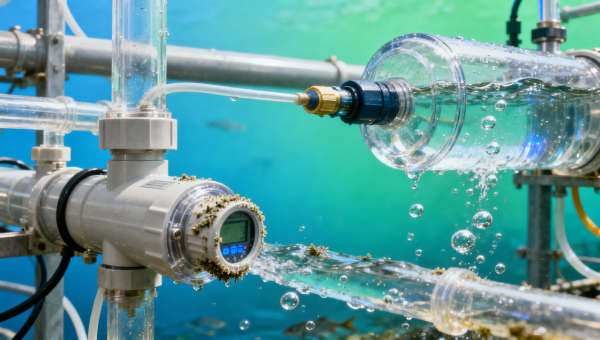
In aquaculture, even a high-spec water quality online monitor aquaculture system can drift over time, creating hidden risks for operators, buyers, and compliance teams. From sensor fouling and calibration decay to interference from ozone generators for aquaculture, uv sterilizers for fish farms, and aquatic oxygen generators, understanding why readings shift is essential for maintaining stable production, protecting stock health, and making confident technical and commercial decisions.
Why do water quality online monitors drift in real operating environments?
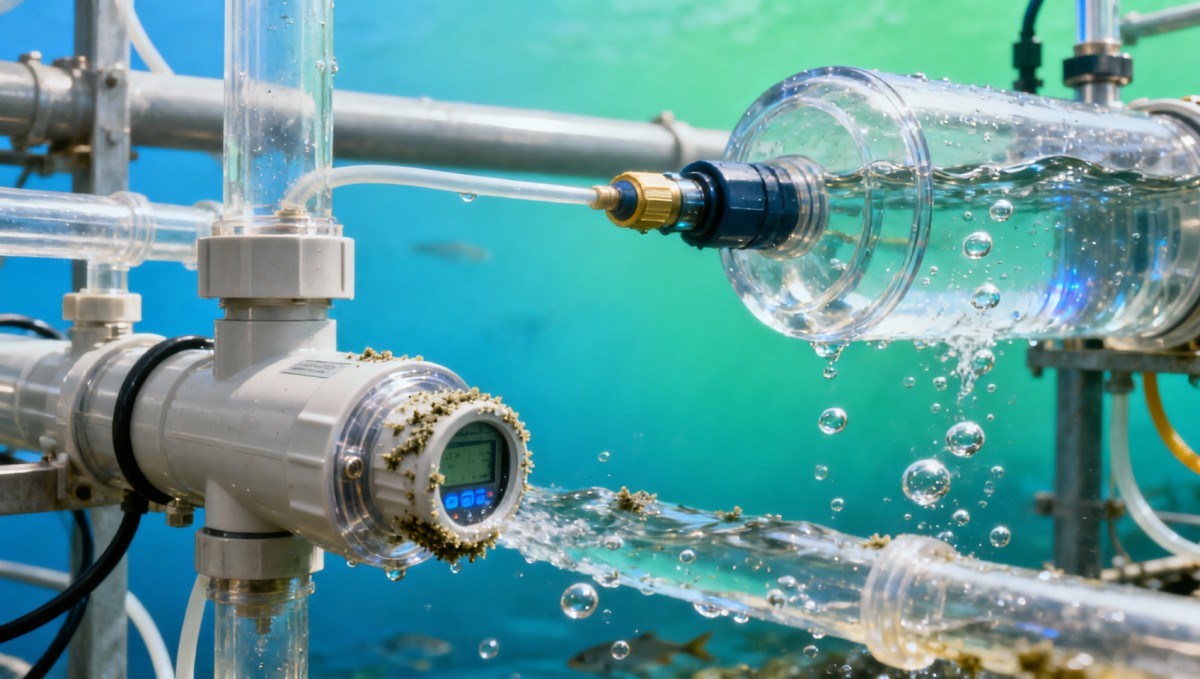
Water quality online monitors do not usually fail all at once. In most fish farms, hatcheries, recirculating aquaculture systems, and process-water loops, performance changes gradually over 2–12 weeks. The monitor still reports values, but the numbers no longer reflect the actual water body with enough precision for control decisions. That slow deviation is what most teams describe as drift.
For operators, drift can trigger wrong aeration, dosing, or circulation actions. For technical evaluators, it makes commissioning and acceptance testing more difficult. For procurement teams and financial approvers, drift increases the real ownership cost because labor, recalibration frequency, spare parts, and stock-loss exposure all rise together. A low purchase price often becomes less attractive after 6–12 months of field use.
In aquaculture and related primary industries, the issue is rarely a single component defect. Drift usually comes from the combined effect of biofouling, scaling, membrane aging, optical contamination, temperature stress, unstable flow, grounding issues, and process-side chemical interference. If the site also uses ozone, UV disinfection, or intensive oxygenation, the monitor environment becomes even more demanding.
This matters beyond operations. Readings from dissolved oxygen, pH, ORP, turbidity, salinity, ammonia-related proxies, and temperature channels influence feeding strategy, water exchange, disease risk assessment, and internal compliance records. When values drift by a small range such as 0.2–0.5 pH units or 5%–10% on dissolved oxygen trends, the business effect can still be significant.
The most common root causes behind sensor drift
Different sensors drift for different reasons. Optical dissolved oxygen probes may lose stability when the sensing cap ages or the optical surface becomes coated. Electrochemical sensors can shift because membranes, electrolytes, and junctions degrade. pH probes often suffer from reference poisoning, dehydration, or coating. Conductivity and turbidity sensors are strongly affected by scale, suspended solids, and uneven flow.
The installation point also matters. A probe mounted near a dosing point, a UV chamber outlet, or an oxygen injection line may see unstable microenvironments rather than representative water. In those cases, the monitor itself may still be functional, but the measured sample is not suitable for trend control or compliance review.
- Biofouling can form within 3–10 days in nutrient-rich water, especially in warm systems with high organic load.
- Mineral scaling becomes more likely when alkalinity, hardness, or local supersaturation around injectors is high.
- Calibration decay increases when probes are exposed to frequent temperature swings, cleaning chemicals, or intermittent dry-out.
- Electrical noise and grounding issues often appear in sites with multiple pumps, blowers, VFDs, UV units, and ozone systems operating on shared power lines.
Why drift is often underestimated during procurement
Many buying teams compare monitor specifications under clean-water, bench-test, or short trial conditions. That approach is useful but incomplete. The more relevant question is how stable the readings remain after 30, 60, and 90 days under actual water chemistry, cleaning frequency, and equipment interaction. In industrial aquaculture, long-term stability is often more valuable than nominal peak accuracy on day one.
This is where a publication platform like AgriChem Chronicle adds value for institutional readers. ACC’s cross-sector editorial focus on aquaculture, fine chemicals, and regulated process industries helps procurement and technical teams interpret monitor drift as both an engineering issue and a supply-chain risk issue, rather than just a maintenance inconvenience.
Which site conditions make water quality monitor drift worse?
Not all installations drift at the same speed. A hatchery with filtered incoming water may maintain stable readings for longer intervals, while a high-density recirculating system with protein load, treatment chemicals, and continuous disinfection may need cleaning and verification every 7–14 days. The practical question is not whether drift will happen, but how quickly the local process accelerates it.
Three site variables deserve special attention. First, water composition: suspended solids, biofilm pressure, salinity, alkalinity, and dissolved organics all affect sensor surfaces. Second, hydraulic conditions: dead zones, bubbles, unstable bypass flow, and pressure fluctuation distort sampling. Third, equipment interaction: ozone generators for aquaculture, UV sterilizers for fish farms, and aquatic oxygen generators can each change the chemistry or physical behavior around the probe.
Ozone is especially important because it can alter ORP behavior, accelerate material aging, and create misleading trends if residual oxidant reaches the sensor chamber unevenly. UV does not directly touch most probes, but UV treatment can change microbial load and downstream fouling patterns. Oxygen injection may create localized supersaturation, microbubbles, and pressure effects that disturb dissolved oxygen readings if the probe is placed too close to the injection point.
The table below helps buyers and operators evaluate where drift usually starts and how it typically shows up in field data.
For technical assessment, the key lesson is simple: monitor drift often originates in installation context, not just sensor design. A supplier comparison that ignores hydraulic layout, treatment sequence, and electrical environment may look complete on paper but remain weak in practice.
Application scenarios where drift control matters most
High-density shrimp and finfish systems need tighter monitoring because feed load and oxygen demand can change within hours. In these systems, a dissolved oxygen or pH drift trend can affect both biomass performance and emergency response. Hatcheries and broodstock units face a different challenge: lower tolerance for instability during sensitive growth stages, even when total water volume is smaller.
Integrated processing sites also face crossover concerns. If the operation is linked to feed, biochemical additives, or regulated export chains, water quality records support quality management and traceability. That makes stable monitoring relevant not only to farm managers, but also to quality, safety, and commercial review teams.
- RAS facilities often require tighter placement design and more frequent verification because multiple treatment steps interact in closed loops.
- Flow-through farms may see less chemical interaction but more seasonal drift tied to source-water variation over 4 seasons.
- Post-treatment monitoring points need special caution when installed immediately after UV, ozone, or oxygen contact chambers.
How should buyers compare monitor options beyond nominal specifications?
For B2B procurement, a water quality online monitor should be evaluated as a system, not just a sensor head. That means looking at probe chemistry, automatic cleaning options, flow-cell design, cable and connector protection, calibration workflow, spare part availability, integration protocol, and the supplier’s field support process. A monitor with slightly higher upfront cost may reduce downtime and manual labor over 12–24 months.
Technical evaluators should also separate three performance layers: analytical capability, environmental robustness, and maintenance burden. A sensor can score well on one layer and poorly on another. For example, a highly sensitive probe may still be a weak choice if the site lacks stable bypass flow or the maintenance team cannot support weekly cleaning.
The following comparison table is useful for operators, procurement teams, distributors, and finance reviewers who need a more practical view of total suitability.
This comparison approach is especially valuable for distributors and agents, who must balance customer expectations with after-sales workload. A technically impressive monitor that generates frequent support calls may not be the best channel product, especially in markets where response time and technician availability are limited.
A practical 5-point procurement checklist
Before approving a purchase, decision-makers should request evidence on five points. These checks are more useful than relying on brochure claims alone.
- Confirm the intended installation point and whether the water there is representative of the process, not just convenient for mounting.
- Ask for the recommended cleaning and calibration cycle under similar solids load, salinity, and treatment conditions.
- Review compatibility with ozone, UV, oxygen injection, and existing PLC or SCADA interfaces.
- Estimate annual consumables, spare probes, and field-service requirements, not only capital cost.
- Plan a verification method using grab samples or handheld reference tools during the first 30–60 days after startup.
For commercial teams reading ACC, this level of procurement discipline reduces disputes later. It also supports clearer vendor qualification, stronger internal approval documents, and better alignment between operations, finance, and compliance.
What maintenance and compliance practices reduce drift risk over time?
Drift control is not only about buying the right monitor. It also depends on a repeatable maintenance routine, clean documentation, and a site-specific response plan. In many facilities, the difference between stable monitoring and chronic reading disputes comes down to whether the team follows a structured 3-stage routine: inspect, verify, and intervene.
Inspection should be frequent enough to match fouling pressure. In cleaner systems, weekly visual checks may be acceptable. In intensive aquaculture with heavy feeding and disinfection interaction, teams often need checks every 3–7 days. Verification should compare the online value against a trusted field method at a defined interval, such as weekly or biweekly. Intervention should include cleaning, recalibration, relocation review, or component replacement based on deviation size.
Compliance teams should also consider how the monitor data will be used. If readings inform quality records, environmental control logs, or export-related traceability, then maintenance records matter. Even when no single global rule dictates every aquaculture monitor setup, alignment with disciplined documentation practices, good manufacturing logic, and internal quality procedures reduces operational and commercial risk.
The table below outlines a practical service framework that many industrial sites can adapt without overcomplicating routine work.
For quality managers and safety teams, this structure helps separate true process change from instrument drift. That distinction is essential when reviewing stock-health events, treatment performance, or customer-facing audit questions. It also improves communication between farm staff and external suppliers because issues can be described with time-based evidence instead of general complaints.
Common misconceptions that create avoidable drift
One common mistake is assuming automatic cleaning eliminates manual verification. It does not. Automatic systems reduce fouling, but they do not fully prevent calibration decay, sample-point bias, or electrical noise. Another mistake is placing sensors immediately after aggressive treatment units because the location is easy to access. Easy access is useful, but representative sampling is more important.
A third misconception is that a single deviation proves product weakness. In reality, one abnormal value may come from process upset, cleaning residue, air entrainment, or operator handling. Trend analysis over several cycles is more informative than isolated snapshots. That is why serious procurement and technical teams often evaluate performance across at least 30 days, and preferably 60–90 days, under normal operating load.
FAQ and next-step guidance for technical and commercial decision-makers
How often should a water quality online monitor be checked in aquaculture?
There is no single interval for every site. In low-fouling applications, weekly checks may be enough. In intensive systems with high solids, ozone, oxygen injection, or rapid biomass change, visual checks every 3–7 days and reference verification every 1–2 weeks are often more practical. Critical channels such as dissolved oxygen and pH usually justify tighter review than lower-impact parameters.
Can ozone generators for aquaculture and UV sterilizers for fish farms affect monitor readings?
Yes, directly or indirectly. Ozone can alter local oxidant conditions, affect ORP behavior, and accelerate material wear if probe compatibility or placement is poor. UV can change downstream fouling patterns by shifting microbial activity, while oxygen generators can create bubble-related dissolved oxygen instability. The solution is not to avoid these systems, but to design the monitor position and maintenance plan around them.
What should distributors and procurement teams ask suppliers before ordering?
Ask for four things: recommended installation conditions, realistic maintenance interval, consumable replacement cycle, and integration details for existing control systems. It is also wise to ask how the supplier recommends verifying online data during the first 30–60 days. That answer often reveals whether the vendor understands real operating drift or only laboratory performance.
Why do institutional buyers follow this topic through AgriChem Chronicle?
Because monitor drift sits at the intersection of engineering reliability, production economics, compliance discipline, and supplier qualification. ACC’s editorial model is designed for that intersection. Its coverage connects aquaculture technology with biochemical process logic, regulated procurement requirements, and cross-border industrial decision-making, which is exactly what large buyers and technical reviewers need.
Why choose us for deeper evaluation and market-facing technical positioning?
AgriChem Chronicle helps manufacturers, OEMs, and industrial solution providers present validated technical capabilities to serious buyers in aquaculture, fine chemicals, and primary industries. If your team needs support on parameter confirmation, monitor selection logic, installation context, delivery-cycle expectations, certification-related communication, sample or trial discussion, or quotation positioning, ACC provides a high-authority publishing environment built for institutional audiences rather than generic traffic.
Contact us if you want to develop clearer decision content around water quality online monitor aquaculture systems, compare drift-control strategies across product types, explain compatibility with ozone generators for aquaculture or uv sterilizers for fish farms, or strengthen supplier-facing technical communication for distributors and enterprise procurement teams. The right conversation is rarely just about price; it is about stability, documentation, service burden, and long-term operational confidence.
Related Intelligence
- RAS SystemsEU REACH Adds 3 Biofilm Inhibitors to SVHC List for RAS SystemsEU REACH adds 3 biofilm inhibitors to SVHC list for RAS systems—urgent SCIP & SDS compliance needed by Oct 2026. Act now!
- RAS SystemsEU REACH Adds 3 Silane Coupling Agents for RAS Systems to SVHC ListEU REACH adds 3 silane coupling agents for RAS systems to SVHC list—urgent compliance actions for exporters, integrators & suppliers. Act before 1 Oct 2026.
- RAS SystemsEU REACH Adds RAS Systems' Key Components to SVHC ListEU REACH SVHC update: PLGA, chitosan & calcium alginate added — critical for RAS manufacturers, importers & suppliers exporting to the EU. Act now!
The Morning Broadsheet
Daily chemical briefings, market shifts, and peer-reviewed summaries delivered to your terminal.
