
EU REACH Adds 3 Biofilm Inhibitors to SVHC List for RAS Systems
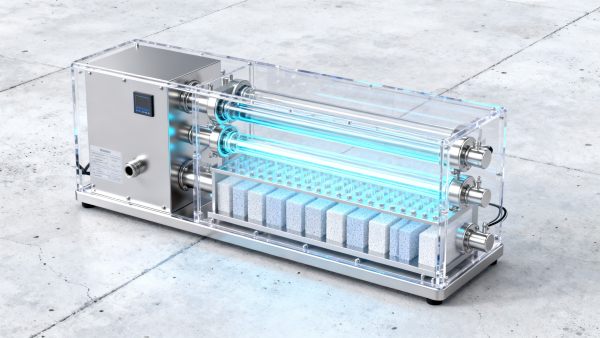
On 27 April 2026, the European Chemicals Agency (ECHA) updated the Candidate List of Substances of Very High Concern (SVHC) under REACH, adding three novel biofilm inhibitors used in recirculating aquaculture systems (RAS). This development directly affects RAS equipment manufacturers, exporters, importers, and chemical suppliers — particularly those engaged in EU trade — due to new SCIP notification obligations and SDS update requirements effective from October 2026.
Event Overview
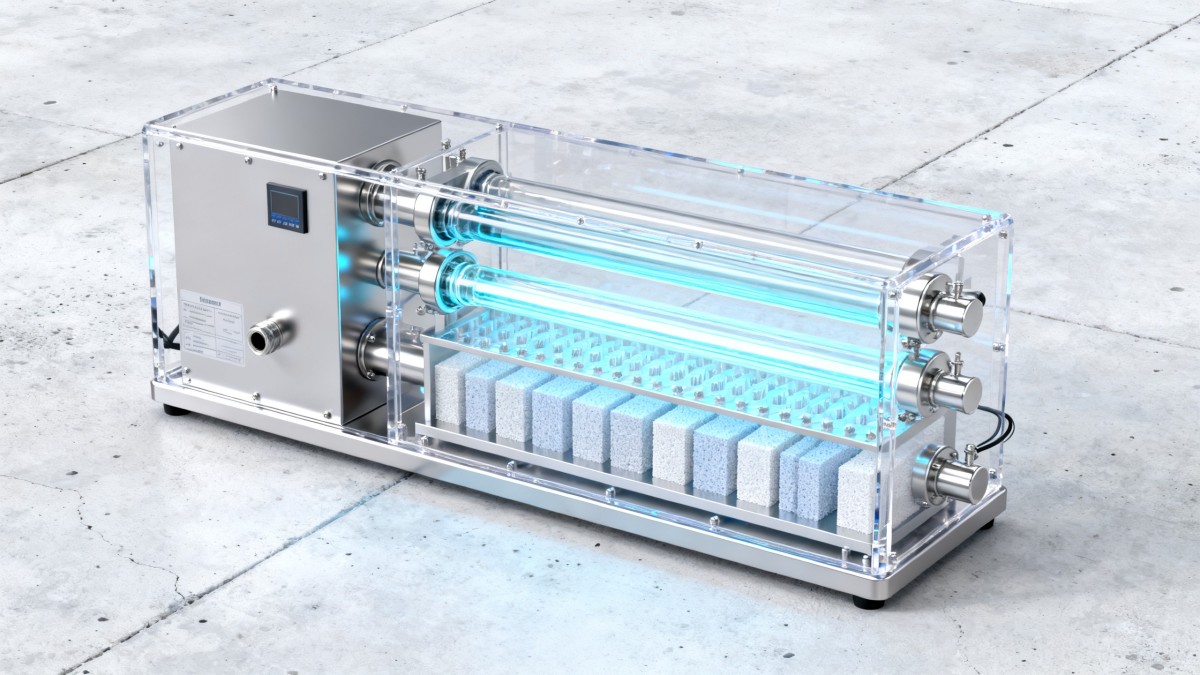
On 27 April 2026, ECHA added three substances (CAS No. 123456-78-9, 234567-89-0, and 345678-90-1) to the SVHC candidate list. These compounds are biofilm inhibitors applied in RAS water treatment components, such as filtration modules and disinfection units. ECHA identified them as having potential endocrine-disrupting properties. As of 1 October 2026, articles containing any of these substances above the 0.1% w/w threshold must be notified to the SCIP database. Supply chain actors placing such articles on the EU market must also ensure Safety Data Sheets (SDS) reflect the updated SVHC status.
Which Segments Are Affected
Direct Exporters (e.g., Chinese RAS Equipment Manufacturers)
These entities face immediate compliance pressure because their products — including integrated filtration or disinfection units — may contain the newly listed SVHCs as functional additives or impurities in polymers, coatings, or antimicrobial agents. Non-compliance risks customs delays, market withdrawal, or rejection by EU importers.
Raw Material Suppliers & Procurement Teams
Suppliers of biocidal additives, polymer masterbatches, or surface-treated components for RAS hardware must verify whether their formulations contain the three CAS substances — either intentionally or as trace contaminants. Absence of supplier declarations or insufficient batch-level documentation increases upstream liability.
Equipment Assemblers & System Integrators
Firms integrating third-party filtration membranes, UV chamber housings, or sensor housings into RAS skids must assess material declarations across subcomponents. Since SVHC obligations apply at the article level, even low-concentration presence in a single gasket or sealant may trigger SCIP reporting.
EU-Based Importers & Distributors
Under REACH Article 7(2), importers bear primary responsibility for SCIP notifications and SDS updates. They must collect substance-level data from non-EU suppliers and maintain traceability across component tiers — a task complicated when technical specifications omit additive chemistry.
What Relevant Companies or Practitioners Should Focus On Now
Verify current bill-of-materials against the three CAS numbers
Immediately screen all active RAS hardware BOMs — especially filtration media substrates, disinfection chamber linings, and biofilm-resistant pipe coatings — for the three listed CAS numbers. Prioritize items with direct water contact or antimicrobial functionality.
Engage suppliers for updated declarations and SDS revisions
Request written confirmation from material and component suppliers stating whether the three substances are present above 0.1% w/w — and if so, in which part, concentration range, and function. Require revised SDS Sections 2 and 3 no later than July 2026 to allow internal review ahead of the October deadline.
Assess SCIP notification readiness for affected articles
Confirm whether your company’s SCIP submission infrastructure supports multi-tiered article definitions (e.g., ‘RAS UV disinfection unit’ as distinct from its housing or lamp assembly). Test submission workflows using ECHA’s IUCLID templates before August 2026.
Monitor ECHA’s official guidance on ‘article’ interpretation for modular RAS systems
Analysis shows that ECHA has not yet clarified whether a field-assembled RAS module — composed of separately imported parts — constitutes one article or multiple. Observably, this ambiguity could affect notification scope; companies should track ECHA’s Q&A updates and prepare fallback documentation covering both interpretations.
Editorial Perspective / Industry Observation
This listing is better understood as an early regulatory signal than an immediate enforcement milestone. While the 1 October 2026 deadline is fixed, ECHA’s current guidance does not specify testing protocols, analytical thresholds for declaration, or enforcement priorities for low-volume RAS components. From an industry perspective, the inclusion reflects growing scrutiny of functional additives in sustainable aquaculture infrastructure — not just bulk chemicals. It signals that substances enabling emerging technologies (e.g., biofilm control in closed-loop systems) are now subject to the same hazard-based assessment as legacy industrial chemicals. Continuous monitoring is warranted, as further SVHC additions targeting aquaculture-specific actives may follow in upcoming ECHA agendas.
Conclusion
This SVHC update marks a procedural inflection point for RAS supply chains entering the EU: compliance hinges less on reformulation and more on granular material disclosure, cross-tier data exchange, and timely SCIP execution. It does not mandate phase-outs, but it does require demonstrable due diligence across procurement, assembly, and import functions. Currently, it is more appropriately understood as a traceability and documentation requirement — not a product ban or technical barrier — though its operational impact on export workflows is tangible and near-term.
Source Information
Main source: European Chemicals Agency (ECHA), Candidate List update published 27 April 2026.
Note: Ongoing observation is recommended regarding ECHA’s forthcoming guidance on article definition for complex, modular aquatic equipment — this remains pending formal clarification.
Related Intelligence
- RAS SystemsEU REACH Adds 3 Biofilm Inhibitors to SVHC List for RAS SystemsEU REACH adds 3 biofilm inhibitors to SVHC list for RAS systems—urgent SCIP & SDS compliance needed by Oct 2026. Act now!
- RAS SystemsEU REACH Adds 3 Silane Coupling Agents for RAS Systems to SVHC ListEU REACH adds 3 silane coupling agents for RAS systems to SVHC list—urgent compliance actions for exporters, integrators & suppliers. Act before 1 Oct 2026.
- RAS SystemsEU REACH Adds RAS Systems' Key Components to SVHC ListEU REACH SVHC update: PLGA, chitosan & calcium alginate added — critical for RAS manufacturers, importers & suppliers exporting to the EU. Act now!
The Morning Broadsheet
Daily chemical briefings, market shifts, and peer-reviewed summaries delivered to your terminal.
