
EU REACH Adds RAS Systems' Key Components to SVHC List
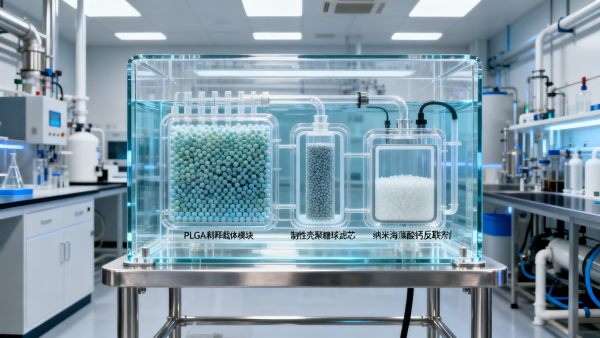
On 25 April 2026, the European Chemicals Agency (ECHA) added three high-molecular-weight controlled-release carrier materials used in recirculating aquaculture systems (RAS) to the Candidate List of Substances of Very High Concern (SVHC). This development directly affects manufacturers, importers, and suppliers of RAS equipment and consumables — particularly those operating in or exporting to the EU market.
Event Overview
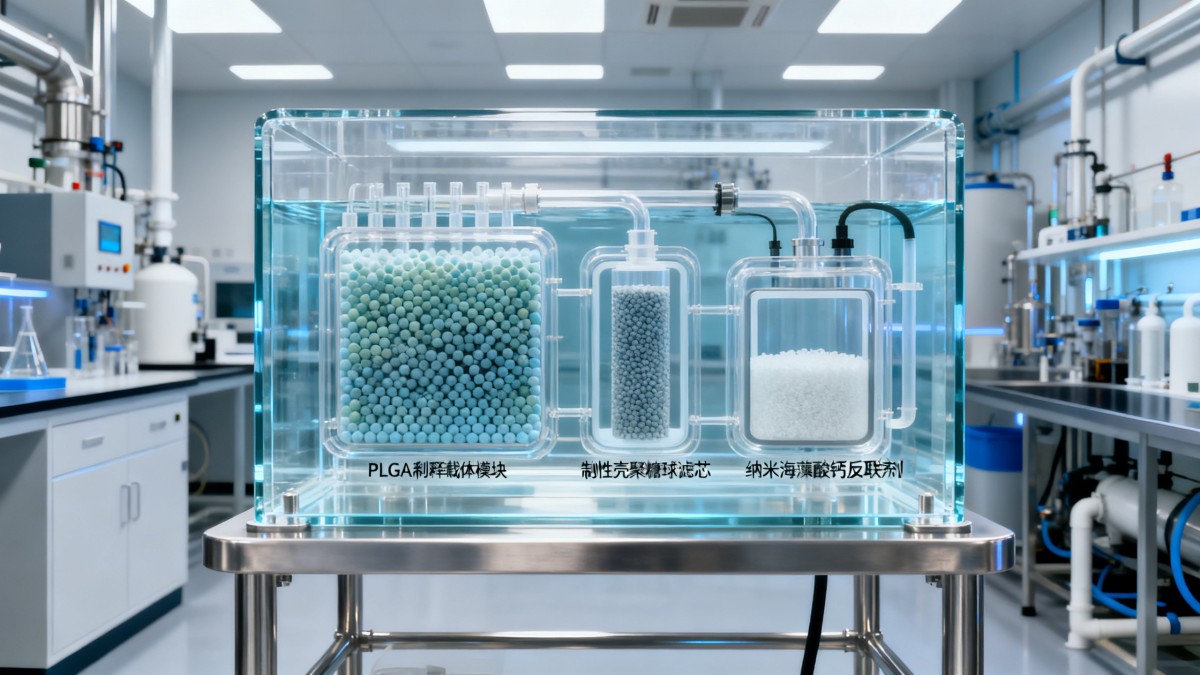
On 25 April 2026, ECHA officially included the following three substances in the SVHC candidate list: poly(lactic-co-glycolic acid) (PLGA), modified chitosan microspheres, and nano-scale calcium alginate crosslinker. These are key functional components in RAS water treatment and biofilm management systems. As a result, EU importers of RAS devices or consumables containing any of these substances must submit SCIP notifications starting 1 October 2026. Non-compliance may trigger supply chain traceability obligations downstream.
Which Specific Sectors Are Affected
Direct Trade Enterprises (EU Importers)
These entities face immediate regulatory obligation: SCIP notification is mandatory for articles containing SVHCs above 0.1% w/w. Failure to notify by 1 October 2026 may lead to customs delays or rejection at EU borders.
Raw Material Procurement Entities (e.g., Chinese Component Suppliers)
Suppliers providing PLGA, modified chitosan microspheres, or nano-calcium alginate to RAS system integrators must now support compliance documentation. Absence of updated Safety Data Sheets (SDS) specifying SVHC content and classification may disrupt purchase orders from EU-facing OEMs.
Manufacturers of RAS Equipment & Consumables
Manufacturers integrating these materials into filtration units, bio-reactors, or dosing modules must verify substance identity, concentration thresholds, and communication up/down the supply chain. Legacy product lines without updated SDS or substance declarations risk non-acceptance in EU tenders or distribution channels.
Supply Chain Service Providers (e.g., Compliance Consultants, Testing Labs)
Service providers supporting RAS exporters will see increased demand for SVHC identification, SCIP submission support, and SDS revision audits — especially for clients with limited in-house regulatory capacity.
What Relevant Companies or Practitioners Should Focus On — And How to Respond Now
Monitor official ECHA guidance on SCIP submission requirements for complex articles
ECHA has not yet published sector-specific interpretation for multi-component RAS devices (e.g., whether SVHC presence in embedded carriers triggers notification per device or per sub-component). Stakeholders should track updates issued before July 2026.
Prioritize substance identification and SDS upgrades for PLGA, modified chitosan, and nano-calcium alginate
Chinese RAS manufacturers should confirm exact composition, batch-level SVHC concentrations, and revise SDS sections 3 (composition), 15 (regulatory information), and 16 (other information) — aligning with CLP and REACH Annex II revisions effective 1 October 2026.
Distinguish between regulatory signal and enforceable deadline
The 25 April 2026 listing is a formal SVHC designation; however, enforcement of SCIP obligations begins 1 October 2026. Businesses should treat the listing as a confirmed compliance trigger — not a tentative warning — while noting that penalties for late SCIP submission are applied case-by-case by national authorities.
Initiate internal cross-functional coordination between R&D, procurement, and export compliance teams
Substance substitution is unlikely before Q4 2026 due to functional specificity of these carriers in RAS biofiltration. Short-term action should focus on documentation readiness, supplier data collection, and pre-submission validation of SCIP dossiers.
Editorial Perspective / Industry Observation
From an industry perspective, this SVHC listing is less about imminent material bans and more about tightening regulatory visibility across advanced aquaculture hardware supply chains. Analysis来看, it reflects ECHA’s growing scrutiny of functional polymers and biopolymer derivatives in environmental infrastructure — not just industrial chemicals. Observation来看, the timing coincides with rising EU policy emphasis on sustainable aquaculture under the European Green Deal and the Farm to Fork Strategy. Current more appropriate understanding is that this is a compliance signal with near-term operational impact — not a market access restriction — but one requiring documented, verifiable responses by end-2026.
Conclusion
This SVHC listing marks a procedural milestone in the regulatory integration of emerging aquaculture technologies into EU chemical governance frameworks. It does not prohibit use of the listed substances, but it does impose new transparency and communication duties across the RAS value chain. For affected stakeholders, the event is best understood as a defined, time-bound compliance obligation — not a strategic inflection point — demanding focused, evidence-based preparation over the next six months.
Information Sources
Main source: European Chemicals Agency (ECHA) – SVHC Candidate List update published 25 April 2026.
Note: Ongoing monitoring is advised for national enforcement practices and potential future inclusion in the Authorisation List (Annex XIV), which remains unconfirmed and outside current scope.
Related Intelligence
- RAS SystemsEU REACH Adds RAS Systems' Key Components to SVHC ListEU REACH SVHC update: PLGA, chitosan & calcium alginate added — critical for RAS manufacturers, importers & suppliers exporting to the EU. Act now!
- RAS SystemsSASO Opens Direct VOC Pathway for RAS Systems via CNAS LabsSASO opens direct VOC pathway for RAS systems via CNAS labs—cut VOC time to 12 days! Streamlined ISO 22000 & IEC 62443 compliance for exporters, EPCs & distributors.
- RAS SystemsSASO Opens Direct VOC Path for RAS Systems in Saudi ArabiaSASO opens direct VOC pathway for RAS systems in Saudi Arabia — fast-track certification for CNAS + ISO 22000-compliant exporters. Act now!
The Morning Broadsheet
Daily chemical briefings, market shifts, and peer-reviewed summaries delivered to your terminal.
