
Water Quality Online Monitor for Aquaculture: Key Limits
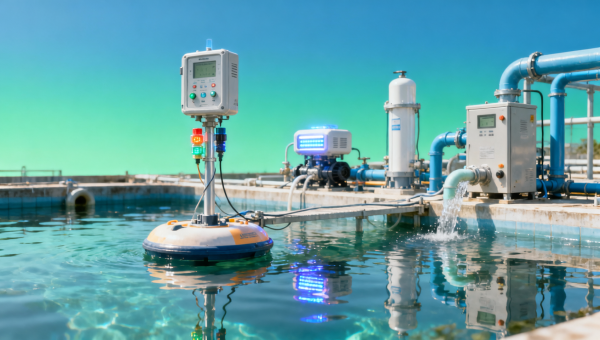
In modern aquaculture, a water quality online monitor aquaculture system is no longer optional—it defines operational safety, yield stability, and compliance. From smart buoys for aquaculture and aquatic oxygen generators to uv sterilizers for fish farms, ozone generators for aquaculture, and live seafood holding tanks, every parameter has a critical limit. This guide outlines the key thresholds, supporting technology choices, and links to fish disease treatment chemicals and aquaculture probiotics bulk for more resilient farm management.
For operators, technical evaluators, procurement managers, quality supervisors, distributors, and executive decision-makers, the central challenge is not simply buying sensors. It is building a monitoring architecture that can detect risk early, support treatment decisions, reduce mortality, and document compliance in ponds, raceways, recirculating aquaculture systems, hatcheries, and seafood holding facilities.
A practical water quality online monitor aquaculture setup must connect field measurements with real actions: increasing aeration within 3–5 minutes, switching on UV or ozone treatment when microbial load rises, adjusting feeding rates, isolating stressed tanks, or reviewing chemical dosing protocols. The value comes from thresholds, alarms, response logic, and maintenance discipline—not from instrumentation alone.
Critical Water Quality Limits That Define Aquaculture Stability
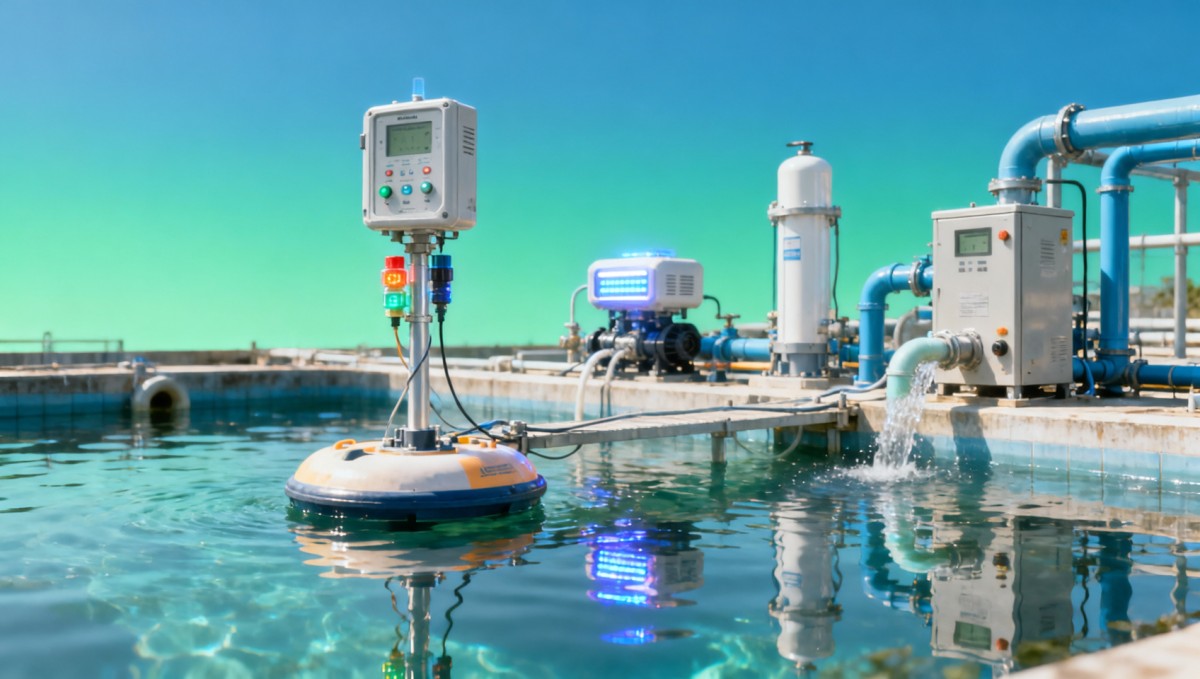
The first role of a water quality online monitor aquaculture platform is to keep essential parameters within biologically safe bands. While exact targets vary by species, age, stocking density, and system type, most farms work within a limited operating window. Once values move outside that window for even 30–60 minutes, feed conversion, immunity, and survival can deteriorate rapidly.
Dissolved oxygen is usually the most immediate emergency parameter. For many fish and shrimp systems, operators aim to keep DO above 5 mg/L, with 6–8 mg/L preferred during feeding peaks or high-density production. When DO drops below 4 mg/L, stress rises sharply, and below 3 mg/L, mortality risk can escalate, especially at night or before dawn when photosynthesis stops but respiration continues.
pH often appears stable until alkalinity, CO2 loading, and organic decomposition push the system into volatility. Many farms target pH 6.8–8.5, but the more important issue is daily fluctuation. A swing greater than 0.5–0.8 in 24 hours can signal instability. Ammonia toxicity also rises as pH and temperature increase, so a pH reading cannot be interpreted in isolation.
Temperature determines metabolism, oxygen demand, and pathogen pressure. Even a 2–3°C shift over a short period can affect feeding behavior and stress response. In warm-water operations, 24–30°C is common, while cool-water species may require 12–18°C. Online monitoring becomes especially valuable where seasonal transitions, shallow ponds, or live seafood holding tanks create rapid temperature variation.
Nitrogen compounds and oxidation-reduction indicators are slower-moving but equally important. Unionized ammonia should be kept as low as possible, and many operators treat any sustained rise as a warning before acute toxicity appears. Nitrite can impair oxygen transport, while high turbidity and unstable ORP frequently indicate poor solids management or excessive organic load. These signals often appear before visible disease outbreaks.
Baseline parameter ranges for routine monitoring
The table below summarizes common operating ranges used as a starting point in commercial aquaculture. These are not universal legal standards, but they provide a decision framework for alarm settings, escalation rules, and equipment sizing.
The key conclusion is that thresholds should be layered. A single absolute limit is rarely enough. A robust water quality online monitor aquaculture program usually uses three levels: normal, warning, and critical. That approach helps operators act before losses occur and gives business evaluators clearer logic for labor planning and alarm escalation.
Practical limit-setting rules
- Set warning thresholds at least 10–15% before the biological danger point so staff have time to react.
- Use different alarm rules for daytime, nighttime, and feeding windows because oxygen and pH behavior can change within 2–4 hours.
- Link threshold review to biomass growth. Stocking density at week 2 and week 10 should not share identical alarm logic.
How Monitoring Devices Support Intervention Equipment and Treatment Decisions
Online data only becomes valuable when it activates the right response equipment. In commercial fish and shrimp operations, monitoring is closely tied to smart buoys for aquaculture, aquatic oxygen generators, UV sterilizers for fish farms, ozone generators for aquaculture, and live seafood holding tank controls. Each device addresses a different risk pathway, so specification must follow parameter logic rather than marketing claims.
For open ponds, smart buoys can gather dissolved oxygen, temperature, pH, and sometimes salinity data from multiple positions. That matters because surface readings may differ from lower-water conditions by 1–2 mg/L DO or more during stratification. In larger ponds, one sensor point per water body may be insufficient; zoning by depth, inlet position, or feeding area often improves reliability.
Aquatic oxygen generators and aeration systems should be matched to response time. If a tank or pond can move from acceptable oxygen to stress level in under 45 minutes, the system needs automated activation, not manual inspection only. Operators should evaluate startup delay, oxygen transfer capacity, energy draw, and whether the system can stabilize water quality during peak respiration events.
UV sterilizers for fish farms and ozone generators for aquaculture are typically used for pathogen control, water clarification, and reduction of microbial load in recirculating loops or holding systems. However, both technologies require monitoring support. UV is affected by turbidity and fouling, while ozone dosing should be supervised with ORP and contact management to avoid stock stress from excessive oxidation exposure.
When water quality stress is prolonged, farms often evaluate fish disease treatment chemicals and aquaculture probiotics bulk as part of an integrated response. The important principle is sequencing. Chemical intervention should not replace environmental correction. If oxygen, pH, solids, or ammonia remain out of range, treatment efficiency drops and relapse risk rises within days.
Technology-to-problem matching matrix
The following comparison helps technical and commercial teams align equipment with specific water-quality problems and operational scenarios.
This matrix shows why equipment bundles often outperform isolated purchases. A water quality online monitor aquaculture project should be scoped as an operational control system. When procurement teams compare offers, they should ask how each device shares alarms, data history, and control triggers across the whole site.
Recommended intervention hierarchy
- Correct immediate life-support risks first: dissolved oxygen, circulation, and temperature.
- Stabilize sanitation and solids management through UV, ozone, filtration, or water exchange.
- Only then assess whether disease treatment chemicals or aquaculture probiotics bulk are needed as supportive measures.
Selection Criteria for Buyers, Evaluators, and Site Operators
Selecting a water quality online monitor aquaculture system is a cross-functional decision. Operators care about alarm speed and cleaning frequency. Technical evaluators focus on sensor drift, calibration routines, and communications stability. Business teams review total acquisition cost, spare-part availability, and whether the system can scale from 4 tanks to 40 ponds without replacing the core platform.
Sensor design should be reviewed first. For most applications, buyers should examine which parameters are measured directly, which require calculation, and how often calibration is needed. Weekly checks may be acceptable for some probes, while others need inspection every 7–14 days in fouling-prone environments. Biofouling, suspended solids, and salinity can all change maintenance intervals.
Connectivity is equally important. A system that stores data locally but does not alert staff remotely may be acceptable in a small hatchery, but it is risky for multi-site farms or night-shift operations. Decision-makers should verify whether the platform supports local display, mobile alarms, cloud logging, and exportable records for 6–12 months or longer for audit and trend review.
Financial approvers often underestimate the cost of downtime. The cheaper option may become more expensive if replacement probes require 4–8 weeks of lead time or if consumables are proprietary and difficult to source. For distributors and agents, serviceability can be a deciding factor because after-sales response often shapes repeat business more than the initial quote.
A strong specification document should also account for environmental exposure. Outdoor buoy systems may need UV-resistant housings, corrosion control, stable power supply design, and communication redundancy. Indoor live seafood holding tanks require compact integration, easy cleaning, and precise control over temperature and oxygen to preserve survival and product quality during 24–72 hour holding periods.
Procurement checklist by stakeholder group
The table below can be used during supplier comparison, technical review, or internal approval meetings to keep evaluation criteria aligned across departments.
For B2B buyers, the lesson is clear: evaluate the monitoring solution as both an engineering asset and a process-control tool. A lower purchase price can be justified only if service intervals, data integrity, and alarm effectiveness remain acceptable over the system’s real operating cycle.
Four common selection mistakes
- Choosing sensors without matching them to the species, salinity, and fouling conditions of the site.
- Buying a monitor without relay logic or integration to aeration, oxygen, or treatment equipment.
- Ignoring consumables, cleaning labor, and spare-lead times when calculating annual cost.
- Assuming disease control products can compensate for persistent water-quality instability.
Implementation, Maintenance, and Compliance-Oriented Operation
Successful deployment depends on installation discipline and operating routines. Even well-specified instruments can fail to protect stock if sensors are poorly placed, cables are exposed to damage, or alarms are routed to staff who do not have authority to act. The first 2–4 weeks after commissioning are usually the most important for validating thresholds and refining response workflows.
Sensor placement should reflect water movement and risk concentration. Near inlets, feeding zones, dense biomass clusters, and recirculation returns are typical high-value positions. In tanks, poor placement can produce false confidence because one corner may show acceptable oxygen while another zone falls below the critical limit. In ponds, depth and daily stratification should be reviewed before fixing buoy or probe locations.
Maintenance planning is not optional. A practical schedule may include daily visual checks, weekly cleaning, calibration review every 7–14 days, and a monthly inspection of cables, connectors, lamp sleeves, ozone contact components, and alarm logs. In aggressive environments, the required interval can be shorter. Missed cleaning often causes inaccurate data long before obvious equipment failure appears.
Compliance and quality teams should also treat monitoring records as part of operational governance. While specific documentation requirements differ by market and product chain, farms supplying regulated or export-sensitive channels increasingly need proof of control, not just verbal assurance. A searchable history of alarms, corrective actions, and treatment timing helps reduce disputes and supports internal audits.
Distributors and service partners can add value by offering commissioning assistance, staff training, spare kits, and response protocols. For larger installations, a structured handover package should include parameter maps, alarm settings, maintenance instructions, and emergency contact logic. This shortens the learning curve and reduces preventable losses during seasonal peaks or staffing changes.
Recommended rollout sequence
- Survey the site and define the 5–8 priority parameters by production stage.
- Install sensors at risk-relevant points and verify baseline readings for at least 7 days.
- Set warning and critical alarms, then test automated links to aeration, oxygen, UV, or ozone devices.
- Train operators on corrective actions, logging, and escalation responsibility.
- Review data after 2–4 weeks and adjust thresholds to actual biomass, climate, and feeding load.
FAQ for practical operations and procurement
The questions below reflect common concerns from technical assessors, finance reviewers, and end users evaluating a water quality online monitor aquaculture project.
How many parameters should a farm monitor online first?
Most farms should start with 4 core parameters: dissolved oxygen, temperature, pH, and either salinity or oxidation-related measurement depending on the system. High-density or recirculating operations may expand to 6–8 parameters, including ammonia trend support, ORP, or turbidity. Starting too broad without maintenance capacity can reduce reliability.
How often should probes be cleaned and calibrated?
In moderate fouling conditions, weekly cleaning and calibration checks every 7–14 days are common. In nutrient-rich or biofilm-heavy systems, some probes may require attention every 3–7 days. The correct interval should be based on drift history rather than fixed assumptions.
Can online monitoring replace manual testing completely?
No. Manual cross-checking remains important for calibration verification, unusual readings, and parameters not continuously measured. A strong program combines continuous online data with scheduled bench or kit confirmation, especially during commissioning and seasonal transitions.
When should fish disease treatment chemicals or aquaculture probiotics bulk be considered?
These inputs should be considered after the environmental cause has been investigated. If low oxygen, unstable pH, or poor sanitation remains unresolved, treatment effectiveness may be limited. Monitoring data helps determine whether the problem is infectious, environmental, or mixed, which improves product selection and timing.
A well-designed water quality online monitor aquaculture system protects production by turning threshold data into timely intervention. The most effective setups combine parameter-specific alarms, correctly matched support equipment, disciplined maintenance, and auditable records. Whether you operate ponds, RAS units, hatcheries, or live seafood holding tanks, the right monitoring architecture can improve response speed, reduce avoidable losses, and support more confident purchasing decisions. To evaluate equipment options, refine alarm thresholds, or build an integrated monitoring and treatment strategy, contact us to get a tailored solution and discuss the most suitable configuration for your site.
Related Intelligence
- RAS SystemsEU REACH Adds 3 Biofilm Inhibitors to SVHC List for RAS SystemsEU REACH adds 3 biofilm inhibitors to SVHC list for RAS systems—urgent SCIP & SDS compliance needed by Oct 2026. Act now!
- RAS SystemsEU REACH Adds 3 Silane Coupling Agents for RAS Systems to SVHC ListEU REACH adds 3 silane coupling agents for RAS systems to SVHC list—urgent compliance actions for exporters, integrators & suppliers. Act before 1 Oct 2026.
- RAS SystemsEU REACH Adds RAS Systems' Key Components to SVHC ListEU REACH SVHC update: PLGA, chitosan & calcium alginate added — critical for RAS manufacturers, importers & suppliers exporting to the EU. Act now!
The Morning Broadsheet
Daily chemical briefings, market shifts, and peer-reviewed summaries delivered to your terminal.
