
Fish Disease Treatment Chemicals: Common Dosing Mistakes
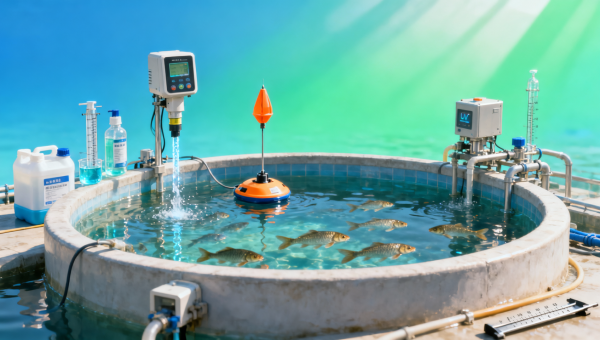
Missteps in dosing fish disease treatment chemicals can quickly undermine treatment efficacy, water stability, and regulatory compliance across modern aquaculture systems. For farms using water quality online monitor aquaculture tools, smart buoys for aquaculture, aquatic oxygen generators, uv sterilizers for fish farms, or ozone generators for aquaculture, understanding common dosing errors is essential to protecting stock health, reducing losses, and supporting confident technical and commercial decision-making.
In commercial aquaculture, dosing is not a narrow technical task handled only by hatchery staff. It affects treatment success, feed conversion, harvest timing, residue risk, labor allocation, audit readiness, and supplier accountability. A chemical that performs well at the correct concentration can become ineffective, stressful, or non-compliant when the dose is estimated from outdated biomass records, unstable water chemistry, or incomplete disease diagnosis.
This matters to multiple decision-makers at once. Operators need safe and practical instructions. Technical evaluators need dose-response logic, compatibility with aeration and sterilization systems, and monitoring checkpoints. Commercial teams need to compare treatment cost against mortality risk and downtime. Quality and safety managers need documentation that can stand up to inspections. For distributors and procurement leads, recurring dosing mistakes often reveal a deeper issue: weak treatment protocols, not weak products alone.
The sections below outline the most common dosing mistakes in fish disease treatment chemicals, why they happen, how they affect system performance, and what aquaculture businesses can do to reduce clinical and financial exposure.
Why Dosing Accuracy Matters in Modern Aquaculture
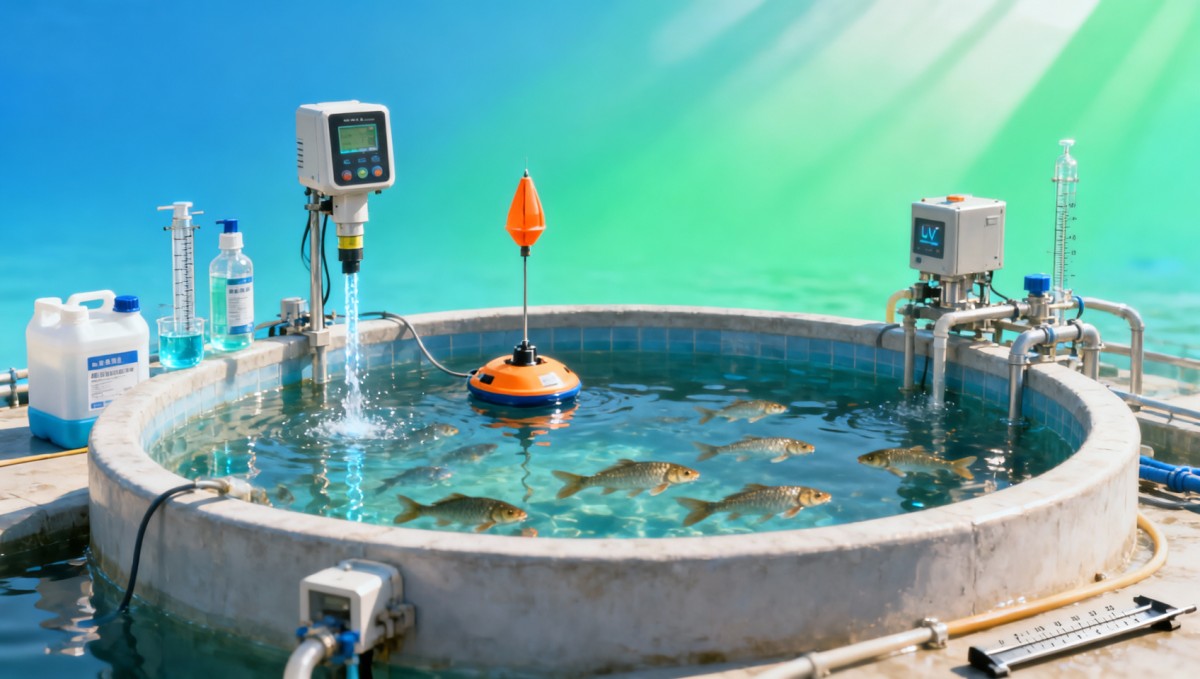
Fish disease treatment chemicals are used across a wide range of farming systems, including ponds, tanks, raceways, recirculating aquaculture systems, and cage culture support units. In each case, the effective dose is shaped by at least 4 variables: confirmed disease type, fish biomass, water volume, and active water conditions such as temperature, pH, dissolved oxygen, and organic load. Missing even 1 of these variables can shift a treatment from therapeutic to wasteful or risky.
A frequent misconception is that dosing labels alone are enough. In practice, a label may provide a standard range, such as 0.5–2.0 mg/L, but that range still requires interpretation based on species sensitivity, treatment duration, and whether the chemical is delivered by bath, dip, top-coat feed, or direct system application. A 30-minute bath treatment and a 24-hour static treatment cannot be managed with the same operational assumptions.
Poor dosing control can create 3 immediate problems. First, underdosing may suppress symptoms without reducing the pathogen burden, allowing relapse within 3–7 days. Second, overdosing can damage gill tissue, increase stress behavior, and intensify oxygen demand during treatment. Third, inconsistent dosing across production units makes post-treatment evaluation unreliable, which complicates future purchasing and technical validation.
For B2B aquaculture operations, the issue is broader than fish health. The cost of a chemical program is not only the invoice value. It also includes labor hours, water exchange, delayed harvest, temporary feeding reduction, sensor recalibration, and documentation effort. In a farm with 8–20 active culture units, a single miscalculated dose can multiply into a significant operational loss.
The operational consequences of incorrect dosing
The table below summarizes how common dosing errors influence treatment results, water management, and business risk. It is particularly useful for farms integrating monitoring systems and disinfection equipment into disease response planning.
The key lesson is that dose accuracy must be treated as a system discipline. It depends on measurement, mixing, timing, and verification rather than on the chemical drum alone. This is why technically mature farms increasingly connect treatment decisions with digital monitoring, aeration capacity, and written response protocols.
The Most Common Dosing Mistakes and Why They Happen
The first major error is dosing against estimated biomass rather than verified biomass. Many farms continue using last week’s stocking record or feed-based weight assumptions, even though fish may have changed by 5%–15% in total biomass depending on growth rate, grading, and mortality. When a treatment is intended for 12 metric tons but the actual biomass is 10.2 metric tons, the delivered dose can drift well outside the desired therapeutic window.
A second mistake is ignoring water chemistry shifts during treatment. pH, temperature, alkalinity, salinity, and suspended organics can all affect chemical availability or fish tolerance. In warm conditions above 28°C, fish may already be operating closer to stress limits, so a dose that is tolerated at 23°C may produce stronger adverse reactions. Likewise, high organic load can reduce effective concentration because part of the active chemical is consumed before reaching the pathogen target.
A third error is failing to account for equipment interactions. Farms using ozone generators for aquaculture, UV sterilizers for fish farms, or high-rate water exchange may unintentionally reduce active treatment concentration during the intended contact period. If the disinfection train remains active during a chemical bath that requires 45–60 minutes of exposure, the actual dose in water may fall below target long before the treatment cycle is complete.
A fourth problem is mixing diagnosis with habit. Operators sometimes apply the same dose used in a previous outbreak without confirming whether the current issue is parasitic, bacterial, fungal, or stress-related. Similar external signs such as flashing, lethargy, excess mucus, or surface gathering can arise from different causes. Treating an unconfirmed condition with a familiar dose is one of the fastest ways to waste chemicals and delay corrective action.
High-frequency errors seen in commercial farms
- Using nominal pond volume instead of actual treatment volume after sludge buildup or seasonal water level reduction of 10%–25%.
- Preparing stock solution without calibrated scales or dosing pumps, resulting in repeated concentration drift across shifts.
- Applying treatment during low dissolved oxygen windows, especially before dawn, when oxygen may already be below 5 mg/L.
- Restarting ozone or UV too early, shortening the required contact time and reducing efficacy.
- Skipping post-treatment observation logs for 2–6 hours, which delays response to stress or foam formation.
Where technical and commercial teams often misalign
Technical staff may prioritize rapid intervention, while commercial teams focus on minimizing input cost per cubic meter. That tension becomes risky when procurement selects chemicals based only on price per kilogram rather than active concentration, stability, handling requirements, and recommended application method. Two products with similar package pricing can have very different dose economics once dilution ratio, labor time, and repeat-treatment probability are included.
For distributors and brand owners, these mistakes also affect channel reputation. If the farm lacks standard operating procedures, the product may be blamed for weak performance even when the root cause is measurement error or poor system isolation. Clear technical sheets, training support, and compatibility guidance are therefore commercial assets, not just compliance documents.
How to Calculate and Verify a Safer, More Reliable Dose
A reliable dose begins with 3 measurements taken as close as possible to treatment time: actual biomass, real water volume, and current water parameters. Biomass should be confirmed using representative sampling or automated stock estimation where available. Water volume should reflect current depth, not design capacity. Critical water checks should include at minimum temperature, pH, dissolved oxygen, and where relevant, salinity and oxidation-reduction conditions.
Next, teams should determine the application route and required contact duration. A bath at 1.5 mg/L for 45 minutes is a different operational event from medicated feed delivered over 5–10 days. The treatment objective should be written clearly: symptom suppression, confirmed pathogen reduction, or emergency mortality control. Without this definition, it is hard to judge whether the selected dose is proportionate or whether the system can support it safely.
Verification should not end when the chemical enters the water. Farms with water quality online monitor aquaculture tools and smart buoys for aquaculture can track dissolved oxygen, temperature drift, and circulation stability during the treatment window. This is especially important when aeration, ozone, or UV systems must be partially isolated. A treatment plan that ignores live monitoring leaves operators reacting late instead of controlling conditions proactively.
A practical rule for many farms is to separate dose approval into 2 levels: operational release by the farm technician and verification by a supervisor or quality lead when the biomass exceeds a defined threshold such as 5 metric tons per unit or when the chemical carries tighter withholding or handling requirements. This dual check reduces arithmetic mistakes and improves traceability.
A field-ready dosing verification checklist
The matrix below can be used before treatment starts. It helps operators, quality teams, and purchasing managers align on whether the dose is technically justified and operationally controllable.
The strongest programs treat dosing as a measured workflow, not as a one-time act. That workflow links calculation, equipment status, supervision, and observation. It also provides the documentation needed for supplier reviews, internal audits, and customer-facing traceability discussions.
A simple 5-step implementation sequence
- Confirm diagnosis and define the treatment objective.
- Measure current biomass, water volume, and key water quality values.
- Calculate dose, dilution ratio, and contact duration; assign sign-off responsibility.
- Adjust UV, ozone, aeration, and circulation settings for the treatment window.
- Record outcome data within 2, 12, and 24 hours to support follow-up decisions.
Procurement, Compliance, and Equipment Compatibility Considerations
For procurement and finance teams, chemical selection should go beyond unit cost. The real comparison includes concentration accuracy, shelf stability, batch documentation, packaging suitability, storage conditions, worker handling requirements, and compatibility with installed aquaculture infrastructure. A lower-priced treatment may become more expensive if it requires extra labor, more frequent redosing, or tighter environmental controls.
Compliance is equally important. Fish disease treatment chemicals may be subject to residue limits, environmental discharge controls, or farm-specific buyer requirements. Quality and safety managers should review whether the selected product aligns with local registration rules, withholding expectations, wastewater handling needs, and internal hazard communication practices. Even a technically effective dose can create commercial risk if records are incomplete or label conditions are not followed.
Equipment compatibility should be reviewed before purchase, not during the outbreak. Farms running aquatic oxygen generators, inline UV, automatic feeders, and sensor platforms need to know how the chemical behaves in the presence of those systems. Questions should include whether oxidation alters the active compound, whether foam or turbidity may interfere with sensors, and whether circulation design supports uniform dispersion in units above 500 m³ or 1,000 m³.
Distributors and agents can add real value by offering treatment planning support instead of only product delivery. In B2B aquaculture, practical guidance on dilution, contact time, storage, and system interaction often reduces complaint rates more effectively than discount-based selling. That support also helps enterprise buyers defend procurement decisions internally.
A practical procurement comparison framework
The following comparison table is useful for business evaluators, technical teams, and compliance personnel reviewing fish disease treatment chemicals for medium- to large-scale operations.
When this framework is applied early, teams usually reduce two hidden costs: emergency decision-making and blame-based supplier switching. Better procurement discipline improves both treatment outcomes and long-term vendor performance management.
FAQ and Practical Risk Controls for Farms and Buyers
Even well-managed farms encounter uncertainty when disease pressure rises quickly. The most effective response is not to simplify the issue into “more chemical” or “faster treatment,” but to strengthen the decision chain around diagnosis, dose verification, system conditions, and follow-up. The questions below reflect common concerns from operators, technical reviewers, and commercial stakeholders.
How often should treatment calculations be updated?
For active production units, biomass and water assumptions should ideally be reviewed before every treatment event. In fast-growing species or intensive systems, even a 7-day gap can make prior biomass estimates unreliable. If fish are near market size, growth changes may be slower, but density shifts from partial harvest, grading, or mortality can still alter the required dose significantly.
Can monitoring tools reduce dosing mistakes?
Yes, especially when they are integrated into action protocols. Water quality online monitor aquaculture tools, smart buoys for aquaculture, and automated oxygen systems can provide early warning when dissolved oxygen falls, circulation becomes uneven, or temperature rises outside the planned range. However, the tool only adds value if operators are trained to pause, dilute, or terminate a treatment based on pre-set thresholds.
Example control thresholds worth defining in advance
- Dissolved oxygen intervention point, such as below 5 mg/L for species requiring higher oxygen stability.
- Maximum contact duration deviation, such as no more than plus or minus 10 minutes from the prescribed window.
- Acceptable variance between calculated and measured water volume, such as within 5% before dosing proceeds.
What should buyers ask suppliers before approving a treatment chemical?
Buyers should request clear application instructions, storage conditions, compatibility notes for UV and ozone systems, required observation periods, and documentation that supports safe handling and traceability. It is also useful to ask whether the supplier can support training for operators and whether technical response is available within 1 business day during active treatment periods.
What is the most common avoidable error in emergency treatment?
The most common avoidable error is treating too quickly without pausing to confirm water conditions and actual treatment volume. In emergency situations, teams often move fast for understandable reasons, but a 15-minute verification step can prevent a 24-hour operational setback. Emergency action should be faster than routine action, but not blind.
Fish disease treatment chemicals remain essential tools in aquaculture, but their value depends on disciplined dosing, system awareness, and supplier transparency. Farms that align diagnosis, biomass measurement, water monitoring, equipment isolation, and post-treatment review are better positioned to reduce mortality, protect water stability, and support compliant purchasing decisions.
For operators, technical assessors, procurement teams, and quality managers, the practical advantage lies in turning treatment from a reactive expense into a controlled process. If you need support evaluating aquaculture treatment workflows, chemical compatibility, or equipment-linked dosing strategies, contact us to get a tailored solution, discuss product details, or explore more aquaculture risk-control options.
Related Intelligence
- AgrochemicalsResidue Risks in Fish Disease Treatment ChemicalsFish disease treatment chemicals residue risks explained with smart buoys for aquaculture, water quality online monitor aquaculture, UV sterilizers, probiotics, and oxygen tools.
- AgrochemicalsFish Disease Treatment Chemicals: Common Dosing MistakesFish disease treatment chemicals: avoid common dosing mistakes in aquaculture. Learn how smart buoys for aquaculture and water quality online monitor aquaculture tools improve safer, compliant treatment results.
- AgrochemicalsChina’s New EHS Self-Assessment Rule for Agrochemical Exports (Q2 2026)China’s new EHS self-assessment rule for agrochemical exports takes effect June 2026—learn how it impacts EU, SEA & LATAM shipments and what to do now.
The Morning Broadsheet
Daily chemical briefings, market shifts, and peer-reviewed summaries delivered to your terminal.
