
Residue Risks in Fish Disease Treatment Chemicals
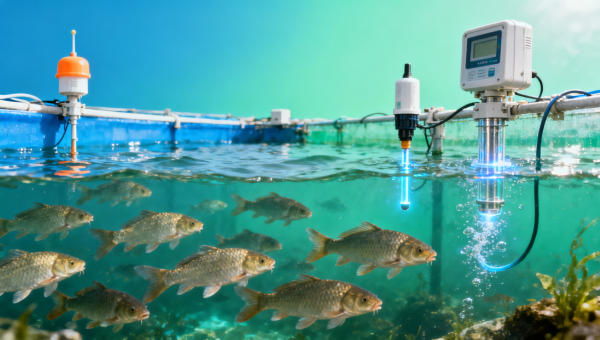
As aquaculture intensifies, residue risks from fish disease treatment chemicals are drawing closer scrutiny from operators, buyers, and regulators alike. From smart buoys for aquaculture and water quality online monitor aquaculture systems to aquaculture probiotics bulk, UV sterilizers for fish farms, ozone generators for aquaculture, and aquatic oxygen generators, integrated disease control now shapes both compliance and profitability.
For most readers searching for information on residue risks in fish disease treatment chemicals, the real question is not simply whether residues exist, but how to control them without compromising fish health, market access, food safety, or farm economics. The short answer is clear: residue risk is manageable, but only when treatment decisions, water management, withdrawal compliance, and monitoring systems are treated as one operational framework rather than separate tasks.
Why residue risk has become a business-critical issue in aquaculture
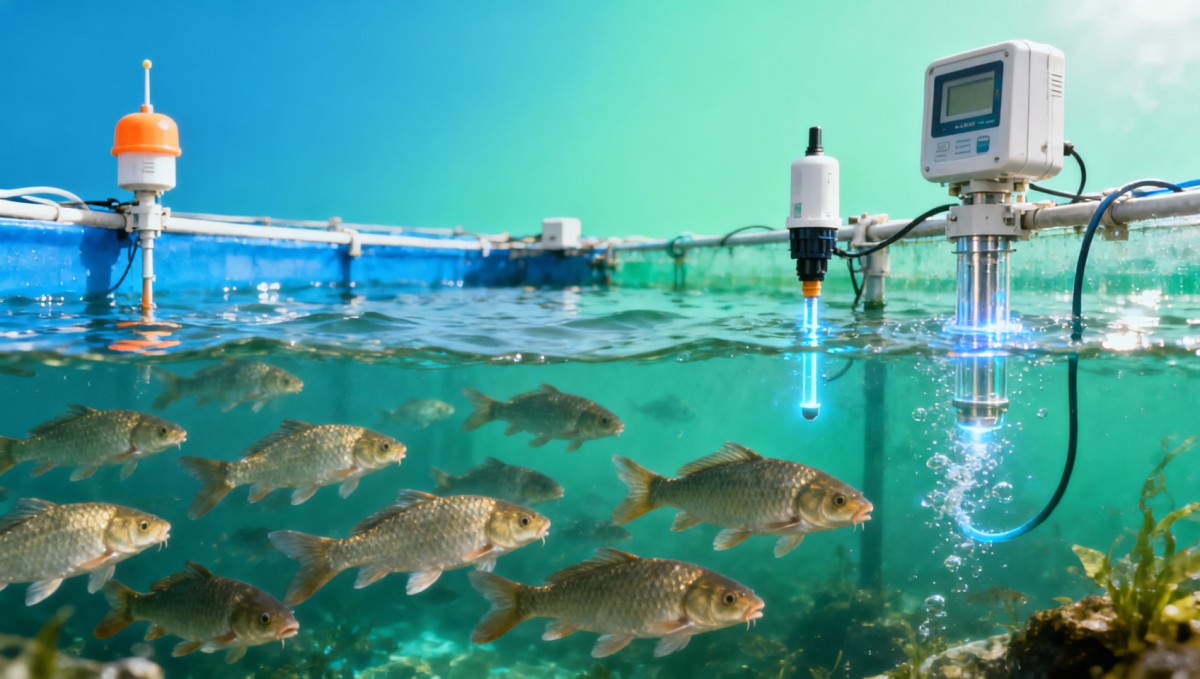
Residue concerns are now central to aquaculture operations because disease treatment is no longer judged only by short-term survival rates. Buyers, regulators, distributors, and internal quality teams increasingly want proof that treated fish remain compliant with residue limits and are produced under controlled conditions.
For operators and technical evaluators, residue risk affects harvest timing, treatment choice, and stock movement. For business managers and financial approvers, it affects claim exposure, rejected shipments, delayed sales, and reputation in regulated export markets. For distributors and procurement teams, it influences supplier qualification and audit confidence.
The core issue is that many fish disease treatment chemicals can persist in fish tissue, water, or sediment if they are misapplied, overused, used too close to harvest, or combined with poor environmental control. Even when a product is legal and effective, misuse can create unacceptable residue levels.
This is why the residue discussion now extends beyond therapeutants alone. Water quality online monitor aquaculture systems, aeration, ozone generators for aquaculture, UV sterilizers for fish farms, and aquaculture probiotics bulk are increasingly relevant because they help reduce disease pressure and may lower dependence on repeated chemical interventions.
Which treatment chemicals create the highest residue concerns
Not all fish disease treatment inputs carry the same residue profile. The level of concern depends on the active ingredient, species, dosage, route of administration, water temperature, metabolism, treatment duration, and time to harvest.
In practical terms, residue concerns are commonly associated with several categories:
- Antibiotics and antibacterial agents: These are among the most scrutinized due to food safety and antimicrobial resistance concerns. Improper use can lead to tissue residues and serious market restrictions.
- Parasiticides: Compounds used against sea lice or other parasites may accumulate in fish tissue or disperse into surrounding water and sediment.
- Disinfectants and external bath treatments: While often less associated with edible tissue residues than systemic drugs, they can still create environmental compliance issues if not managed correctly.
- Formalin, copper-based products, and other legacy treatments: These require careful handling because risk is not only about residues in fish, but also operator safety and ecosystem exposure.
- Medicated feeds: These carry elevated residue risk when feed intake is inconsistent, disease diagnosis is weak, or withdrawal periods are not strictly observed.
For technical and quality teams, the key point is this: the chemical itself is only part of the risk. Residue outcomes are heavily shaped by administration discipline, environmental conditions, and record accuracy.
What actually causes residue failures on farms
Residue failures are rarely caused by a single mistake. They usually result from a chain of operational weaknesses that are individually manageable but dangerous in combination.
The most common causes include:
- Incorrect diagnosis, leading to unnecessary or ineffective treatment
- Off-label or poorly controlled dosing, especially in stressed or unevenly feeding populations
- Failure to observe withdrawal periods before harvest or sale
- Poor water quality, which increases disease pressure and encourages repeated chemical use
- Inadequate biomass estimation, resulting in underdosing or overdosing
- Weak documentation, making it difficult to prove compliance during audits or investigations
- Fragmented disease control strategy, where treatment is used reactively without prevention tools
This is where integrated systems matter. Smart buoys for aquaculture and water quality online monitor aquaculture platforms can detect oxygen fluctuations, temperature shifts, and other stress factors that often precede disease outbreaks. By identifying risk earlier, farms can intervene with management actions before therapeutic chemical use escalates.
How to reduce residue risk without weakening disease control
The most effective residue-control strategy is not to avoid treatment at all costs. It is to use the minimum effective chemical intervention within a broader disease management program.
A practical framework includes the following:
1. Diagnose before treating
Residue risk rises when farms treat based on assumption rather than confirmed disease cause. Bacterial, parasitic, fungal, and environmental stress problems can look similar in early stages. Laboratory confirmation or veterinary assessment reduces unnecessary chemical use.
2. Build water quality into the treatment plan
Many disease episodes become severe because water conditions are unstable. Aquatic oxygen generators help maintain dissolved oxygen, while water quality online monitor aquaculture systems provide continuous visibility into pH, temperature, ammonia, and other variables. Better water quality often means lower treatment frequency and more predictable drug clearance.
3. Use non-chemical support tools where appropriate
UV sterilizers for fish farms can reduce pathogen load in certain system designs. Ozone generators for aquaculture may support water sanitation when correctly engineered and controlled. Aquaculture probiotics bulk products are also being adopted in some operations to support microbial balance and reduce disease pressure. These are not universal replacements for therapeutants, but they can be part of a residue-reduction strategy.
4. Control dosage and delivery precisely
Whether treatment is delivered through feed, immersion, or another route, precision matters. Uneven feed distribution, poor appetite, or inaccurate stock estimates can create inconsistent exposure and unpredictable residue patterns.
5. Respect withdrawal periods as a commercial rule, not just a regulatory formality
Withdrawal compliance is one of the clearest controls against residue violations. Businesses should treat it as a release gate tied to harvest approval, not as a theoretical label instruction buried in paperwork.
6. Verify with testing when risk is high
For export-oriented farms, high-value harvests, or operations recovering from disease events, residue testing before market release can protect against far larger financial losses later.
What buyers, QA teams, and decision-makers should evaluate in a residue-risk program
If you are assessing a farm, supplier, or treatment system, the best question is not “Do they use chemicals?” Almost all serious aquaculture operations use disease-control inputs at some point. The better question is whether they can demonstrate controlled, traceable, risk-based use.
Key evaluation points include:
- Treatment governance: Who authorizes chemical use, and on what diagnostic basis?
- Traceability: Are batch records, dosing logs, and harvest decisions clearly linked?
- Water management capability: Does the site use real-time monitoring, aeration, sanitation, or other preventive controls?
- Withdrawal management: Is there a documented process that blocks premature harvest?
- Residue verification: Is testing performed periodically or before sensitive shipments?
- Preventive health strategy: Are tools such as probiotics, UV, ozone, or environmental monitoring used to reduce reliance on reactive treatment?
- Regulatory alignment: Does the operation understand destination-market residue requirements, not only local minimum standards?
For enterprise decision-makers, the value of a strong residue-risk program is straightforward: fewer rejected consignments, stronger buyer confidence, lower compliance uncertainty, and a more resilient operating model.
The direction of the industry: from chemical response to integrated health management
The aquaculture industry is moving toward disease-control systems that combine therapeutics, engineering, monitoring, and preventive biology. This shift is being driven by stricter food safety enforcement, greater buyer scrutiny, and the economics of avoiding repeated disease shocks.
In this context, residue management is no longer only a laboratory or veterinary matter. It has become a cross-functional issue involving farm operations, procurement, quality assurance, regulatory compliance, and commercial strategy.
That is why investments in smart buoys for aquaculture, water quality online monitor aquaculture tools, aquatic oxygen generators, UV sterilizers for fish farms, ozone generators for aquaculture, and aquaculture probiotics bulk solutions are gaining attention. Their value is not just technical performance. Their value lies in helping farms maintain healthier systems with less dependence on poorly controlled chemical intervention.
Conclusion
Residue risks in fish disease treatment chemicals are best understood as a management challenge, not an unavoidable consequence of modern aquaculture. The operations that control residue risk most effectively are those that connect diagnosis, treatment discipline, water quality, withdrawal management, and preventive technologies into one decision framework.
For researchers, operators, QA teams, and commercial decision-makers, the most useful takeaway is this: safe and profitable fish health management depends less on using more chemicals and more on using better systems. When farms pair responsible treatment protocols with strong monitoring and preventive controls, they improve compliance, protect market access, and reduce long-term disease-control costs.
Related Intelligence
- AgrochemicalsResidue Risks in Fish Disease Treatment ChemicalsFish disease treatment chemicals residue risks explained with smart buoys for aquaculture, water quality online monitor aquaculture, UV sterilizers, probiotics, and oxygen tools.
- AgrochemicalsFish Disease Treatment Chemicals: Common Dosing MistakesFish disease treatment chemicals: avoid common dosing mistakes in aquaculture. Learn how smart buoys for aquaculture and water quality online monitor aquaculture tools improve safer, compliant treatment results.
- AgrochemicalsChina’s New EHS Self-Assessment Rule for Agrochemical Exports (Q2 2026)China’s new EHS self-assessment rule for agrochemical exports takes effect June 2026—learn how it impacts EU, SEA & LATAM shipments and what to do now.
The Morning Broadsheet
Daily chemical briefings, market shifts, and peer-reviewed summaries delivered to your terminal.
