
What Changes When Aquaculture Probiotics Are Bought in Bulk
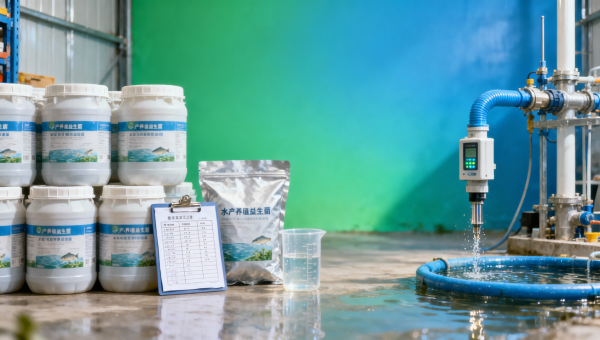
Buying aquaculture probiotics bulk changes far more than unit cost: it reshapes storage protocols, dosing consistency, supplier verification, and overall farm biosecurity. For buyers comparing fish disease treatment chemicals, water quality online monitor aquaculture systems, uv sterilizers for fish farms, ozone generators for aquaculture, and aquatic oxygen generators, bulk procurement introduces new operational and financial variables that directly affect performance, compliance, and long-term production stability.
Why bulk purchasing changes more than price in aquaculture operations
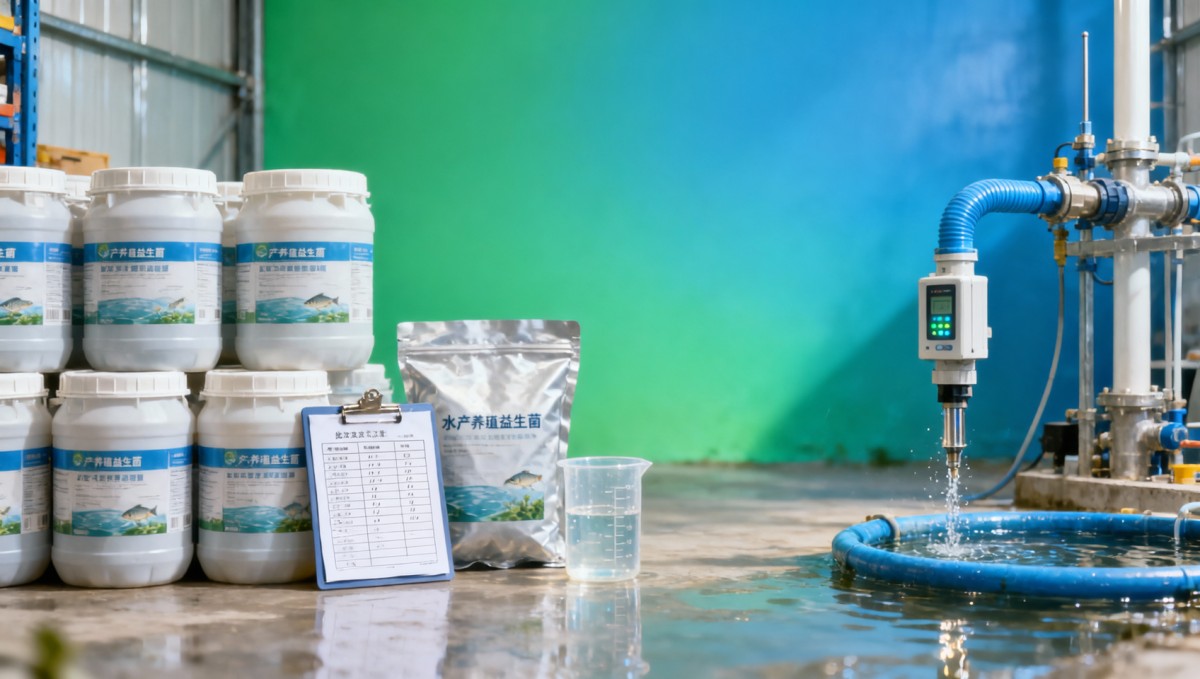
Bulk aquaculture probiotics procurement usually begins as a cost discussion, but experienced buyers know the real change happens across the operating chain. Once order size moves from trial lots to scheduled volume purchases covering 1–3 months or even 1 production cycle, storage conditions, batch traceability, handling routines, and dosing discipline all become more important than the nominal unit rate.
For operators, larger inventories mean probiotics are no longer treated like a supplementary input. They become part of a controlled biological management program linked to pond turnover, feeding intensity, sludge load, and seasonal disease pressure. A product that performs well in a 5 kg validation order may behave differently when the same farm stores 100 kg or 500 kg across multiple sheds, tanks, or regional sites.
Technical evaluators also face a different question in bulk procurement: not only whether the formulation works, but whether the supplier can maintain strain consistency, viable count stability, packaging integrity, and documentation over repeated shipments every 4–8 weeks. In this context, quality drift becomes a bigger risk than visible product failure.
For business reviewers and finance approvers, the shift is equally practical. Bulk purchases often improve landed cost per kilogram, yet they can increase hidden cost if the farm lacks FIFO inventory control, humidity management, or coordinated use with equipment such as water quality online monitor aquaculture systems and uv sterilizers for fish farms. The decision is therefore operational, technical, and financial at the same time.
What usually changes first after moving to bulk orders
- Inventory handling moves from simple receiving to documented lot management, including manufacturing date, shelf-life window, and storage location checks.
- Application planning becomes schedule-based, often weekly or biweekly, instead of reactive use after visible water deterioration.
- Supplier qualification becomes stricter, with more attention on COA format, microbiological specification, and repeatability across 2–4 deliveries.
- Cross-system compatibility matters more, especially when probiotics are used near ozone generators for aquaculture, disinfectants, and fish disease treatment chemicals.
Why this matters for institutional buyers and distributors
Distributors, integrators, and larger farm groups must think beyond direct use. They need a repeatable procurement standard that supports resale, internal transfer, and technical support. In the AgriChem Chronicle editorial framework, this is where transparent supply chain review becomes essential: buyers need product intelligence that links formulation behavior, usage conditions, handling requirements, and compliance expectations in one decision path rather than in isolated product brochures.
That broader view is especially relevant when probiotic procurement is assessed alongside sterilization, oxygenation, or disease-control systems. Bulk buying changes the biological balance of the farm, and biological balance should not be evaluated separately from water treatment equipment, operating labor, and audit-ready documentation.
What should buyers compare before ordering aquaculture probiotics in bulk?
A robust bulk purchase review should compare at least 5 core dimensions: formulation stability, packaging suitability, application fit, supplier transparency, and total operating cost. Many procurement teams still compare only price per kilogram, yet a lower quote can become expensive if viability drops during transport, if the packaging cannot tolerate humid storage, or if the strain profile is poorly documented.
The table below summarizes key evaluation factors that matter when bulk aquaculture probiotics are purchased for hatcheries, pond farms, recirculating systems, and multi-site operations. It is especially useful for teams reviewing probiotics together with uv sterilizers for fish farms, aquatic oxygen generators, or water quality online monitor aquaculture systems.
This comparison shows why bulk purchasing should be discussed as a systems decision rather than a simple consumables order. If a farm uses probiotics to stabilize water quality but simultaneously applies aggressive sterilization on the same timeline, the value of the biological product may be diluted. Good procurement therefore starts with use logic, not only supplier negotiation.
Bulk versus small-lot buying: what really changes?
Smaller orders are often more forgiving. They move quickly, are used within 7–15 days, and usually involve one batch and one storage point. Bulk orders introduce longer holding periods, often 30–60 days, sometimes 90 days in lower turnover operations. That creates more exposure to ambient moisture, packaging damage, and inconsistent scoop-based dosing by different shifts.
Larger purchases also increase the importance of internal training. Farm staff need clear activation, dilution, and application instructions, especially if the probiotics are coordinated with fish disease treatment chemicals or applied after cleaning routines. Without standardization, the same product can deliver different outcomes across ponds managed by different teams.
Three questions procurement teams should ask suppliers
- Can you document lot-to-lot consistency over at least 2–3 consecutive shipments?
- What storage conditions are required if the product remains on site for 30, 60, or 90 days?
- How should the product be scheduled relative to ozone, UV, disinfectants, and oxygenation routines?
How bulk orders affect storage, dosing, and farm biosecurity
Storage discipline is one of the first practical shifts after moving into bulk aquaculture probiotics. In smaller farms, product can be opened and consumed quickly. In larger sites, opened inventory may remain in use for several weeks. That raises the need for dry storage, sealed reclosure, dated opening labels, and separation from corrosive chemicals, fish disease treatment chemicals, and cleaning agents that may compromise packaging integrity.
Dosing consistency is the second major change. Once multiple operators apply the same stock across 10 ponds, 20 tanks, or several recirculating lines, visual estimation becomes risky. Teams should move toward written dosage tables, measured containers, and weekly reconciliation between stock depletion and treatment records. This is particularly important when probiotics are part of a preventive program rather than an emergency correction.
Biosecurity is the third change, and it is often underestimated. Bulk packaging means more contact events: opening, resealing, transfer to application buckets, and movement between treatment areas. Every one of those steps can introduce contamination or reduce viable performance if done carelessly. A farm that invests in aquatic oxygen generators, online monitoring, and sterilization should apply the same discipline to probiotic handling.
At an enterprise level, the best practice is to align probiotics with a 4-step control routine: receiving inspection, storage check, application log, and post-application review. This does not require complex software at the start. Even a weekly control sheet can improve consistency when the same inventory is used by technical, operations, and quality teams.
Typical operating risks after scaling up order size
- Opening a large package too early and exposing the remaining material to humidity for 3–6 weeks.
- Applying probiotics immediately after UV or ozone treatment windows, which may reduce biological effectiveness.
- Using one dosage rule for all ponds despite differences in biomass, organic load, and water exchange.
- Failing to rotate inventory by manufacturing date, causing older stock to remain at the back of the storage area.
A practical storage and handling checklist
Many buyers ask what minimum control level is reasonable. In most commercial settings, 6 checks are enough to reduce avoidable loss: confirm intact packaging on arrival, record lot number, mark opening date, keep product off the floor, separate from oxidizing chemicals, and review remaining quantity every 7 days. These are simple controls, but they matter more as order size increases.
Procurement guide: how to assess supplier fit, compliance, and total cost
A strong procurement process for bulk aquaculture probiotics should balance biology, logistics, and documentation. That means a supplier is not evaluated only by formula claims. Buyers should also review shipment readiness, labeling quality, storage guidance, and responsiveness to questions about use with uv sterilizers for fish farms, ozone generators for aquaculture, and fish disease treatment chemicals.
In regulated and cross-border supply chains, compliance language matters. Even when a probiotic is not handled like a pharmaceutical API, institutional buyers still expect clear manufacturing information, batch identification, and consistent product specification. For large aquaculture groups and distributors, this level of clarity supports internal approvals, resale confidence, and smoother quality review.
The next table helps procurement, finance, QA, and technical teams compare bulk purchasing not only by invoice value, but by total use-case fit. This is useful when deciding whether to centralize buying for multiple farms or keep site-level purchasing flexibility.
This cost view is especially important for financial approvers. The cheapest buying model is not always the lowest-cost operating model. If 5%–10% of bulk stock is lost through poor storage, expired rotation, or misuse near sterilization cycles, the savings from the original price break can disappear quickly.
A 4-step selection path for serious buyers
- Define the use scenario: hatchery, grow-out pond, tank system, or multi-site integration.
- Check technical fit: dosage logic, water condition range, and compatibility with ozone, UV, and oxygenation systems.
- Review commercial terms: MOQ, lead time, split shipment options, and packaging size suitable for your consumption rate.
- Confirm quality documents: COA, lot traceability, handling instructions, and shelf-life conditions.
Where AgriChem Chronicle adds value for decision-makers
ACC serves procurement, technical, and executive teams that need more than generic market copy. By connecting aquaculture inputs, water treatment equipment, compliance expectations, and supplier transparency into one analytical view, ACC helps buyers shorten the gap between market research and defensible commercial decisions. That is particularly useful when evaluating bulk aquaculture probiotics in relation to adjacent systems and audited supply chains.
Common mistakes, FAQ, and when a bulk strategy makes sense
Bulk buying is not automatically the right move for every farm. It generally makes more sense when usage is stable, storage conditions are controlled, and the team can forecast demand for at least 4–8 weeks. If buying patterns are still experimental, or if different ponds use different treatment logic each week, medium-volume staged orders may be safer than one large shipment.
The most common mistake is assuming probiotics can be purchased like any dry commodity. They are living or biologically active systems, so storage abuse, handling inconsistency, and treatment timing can undermine results. This is why technical review, QA review, and operations review should happen together before final approval.
Another mistake is evaluating probiotics without reference to the rest of the farm toolkit. A water quality online monitor aquaculture system can show whether dissolved oxygen, pH, or oxidation trends are changing after program adjustments. Without this monitoring layer, teams may misread product performance and either overapply or underapply the material.
FAQ: How do buyers usually decide?
How much stock is reasonable for a first bulk order?
A practical starting point is often 30 days of forecast use rather than a full quarter, especially if the site is standardizing a new routine. This gives enough time to assess storage discipline, dosing consistency, and supplier responsiveness without taking excessive inventory risk.
Can probiotics be used together with UV or ozone systems?
They can be part of the same farm program, but the timing should be reviewed carefully. UV sterilizers for fish farms and ozone generators for aquaculture may reduce microbial viability if treatment windows overlap too closely. Buyers should request application guidance that reflects actual operating schedules, not generic label language.
What documents should QA or safety teams request?
At minimum, ask for lot identification, manufacturing or packing date, shelf-life statement, storage instructions, and a batch certificate or equivalent specification record. For distributors or cross-border buyers, transport labeling and packaging integrity records are also helpful.
When is bulk buying not a good idea?
It is less suitable when usage is irregular, storage temperature is uncontrolled, staff turnover is high, or treatment methods are frequently changing. In those cases, a staged purchasing model may deliver better real-world value even if the nominal unit price is higher.
Why consult ACC before finalizing bulk aquaculture probiotics procurement?
Bulk aquaculture probiotics buying is no longer a narrow input decision. It sits at the intersection of biosecurity, water management, compliance, supply chain reliability, and operating cost control. ACC supports this decision process by translating technical details into commercially useful evaluation criteria for researchers, operators, QA teams, distributors, and executive buyers.
If your team is comparing probiotic formats, reviewing supplier documentation, or aligning probiotics with fish disease treatment chemicals, aquatic oxygen generators, ozone generators for aquaculture, or water quality online monitor aquaculture systems, ACC can help structure the decision around measurable procurement logic rather than fragmented vendor claims.
You can consult us on 6 practical topics: parameter confirmation, packaging and storage fit, supplier screening, lead time expectations, sample and pilot planning, and quote-stage comparison points. For multi-site groups and distributors, we can also help clarify what should be standardized at headquarters level and what should remain site-specific.
Contact ACC when you need a clearer path from market research to action: whether that means narrowing shortlists, validating a bulk order strategy for the next 30–90 days, or preparing internal approval materials for technical, finance, and quality stakeholders.
Related Intelligence
- Natural IngredientsIndonesia BPOM Updates Natural Ingredients Labeling RulesIndonesia BPOM Updates Natural Ingredients Labeling Rules: New 'Microbial Tolerance Statement' required for natural pigments, plant powders & fermented extracts by Aug 1, 2026.
- Natural IngredientsIndonesia BPOM Updates Natural Ingredients Labeling RulesIndonesia BPOM updates natural ingredients labeling rules: New 'Microbial Tolerance Statement' required for plant powders, fermented extracts & peptides—act now to avoid customs delays.
- Natural IngredientsIndonesia BPOM Updates Label Rules for Natural Ingredients ImportsIndonesia BPOM updates label rules for natural ingredients imports: New pH ≤4.6 & 60°C/30min tolerance statement required by Aug 1, 2026 — act now to avoid customs rejection.
The Morning Broadsheet
Daily chemical briefings, market shifts, and peer-reviewed summaries delivered to your terminal.
